Overview
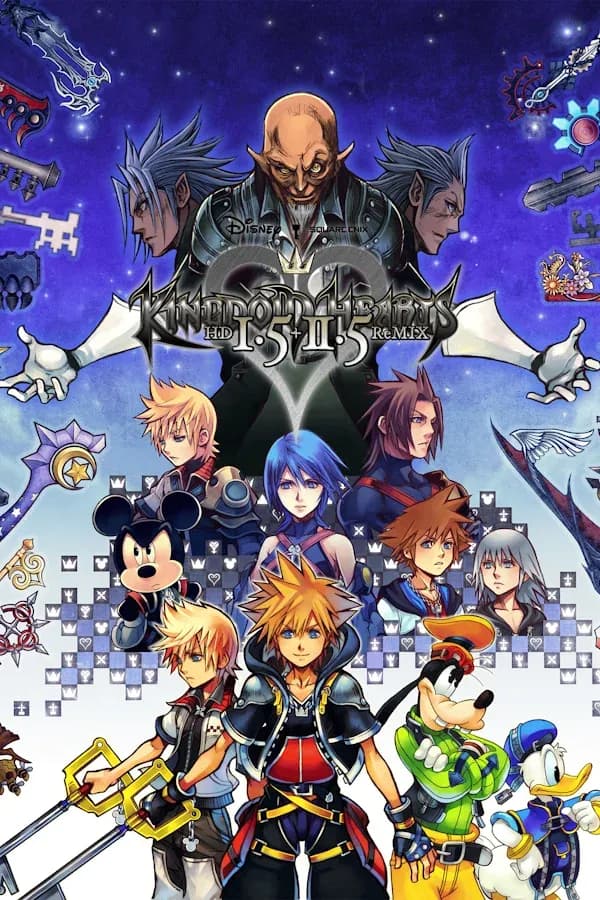
Kingdom Hearts II is an action RPG developed by Square Enix's Product Development Division 1 and published by Buena Vista Games, originally released in December 2005. It serves as the direct sequel to both the original Kingdom Hearts and Chain of Memories, picking up one year after Sora, Donald, and Goofy's events in the latter. The game drops players into Twilight Town before opening up into a sprawling collection of worlds pulled from Disney properties and Square's original fiction.
The core premise is deceptively straightforward: find Riku and King Mickey, stop the Heartless, and unravel the secrets of Organization XIII. The execution is anything but simple. The story layers in themes of identity, memory, and sacrifice in ways that caught a lot of players off guard for what looked, on the surface, like a Disney crossover game. Organization XIII in particular gives the narrative a genuine sense of menace that the first game's Ansem storyline only partially achieved.
Gameplay and mechanics
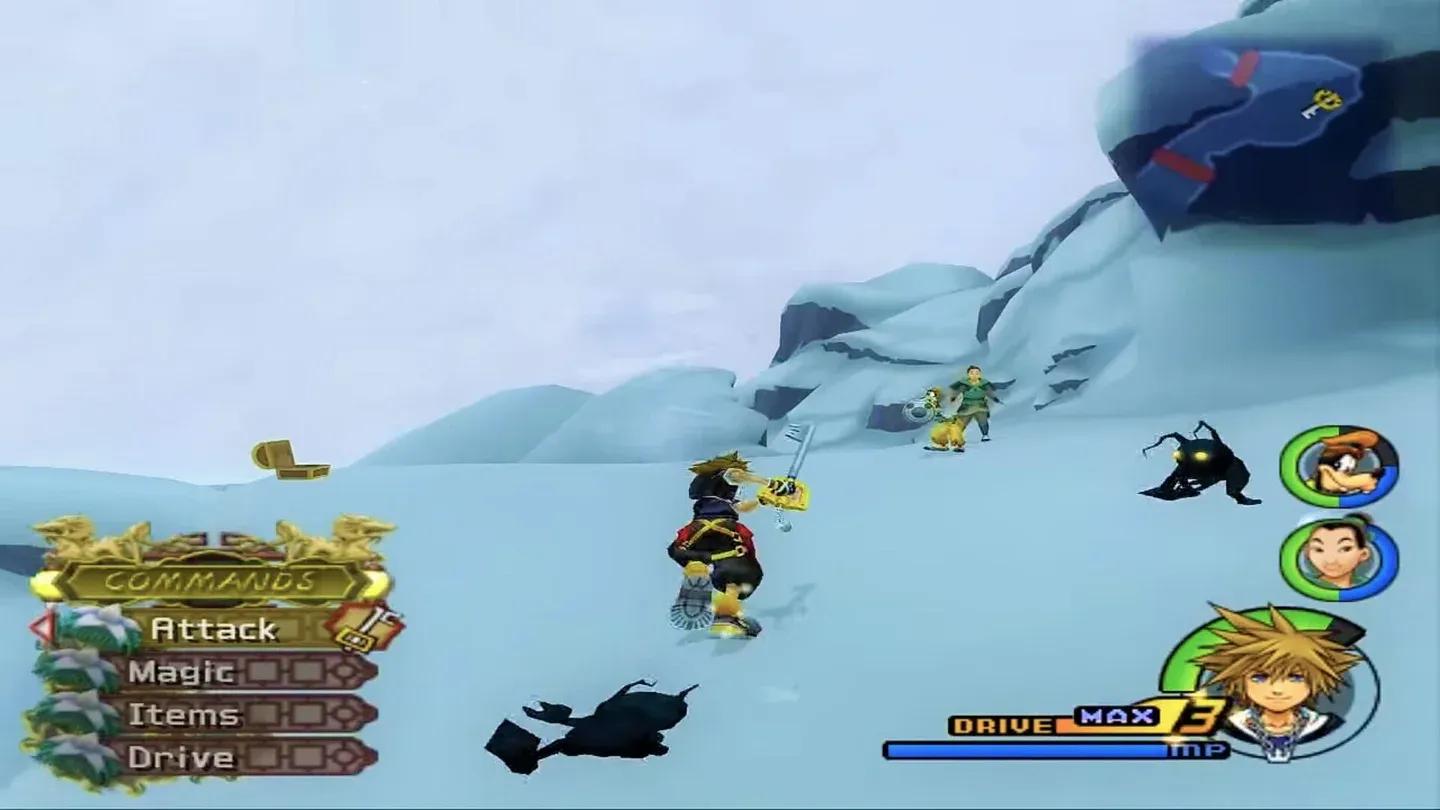
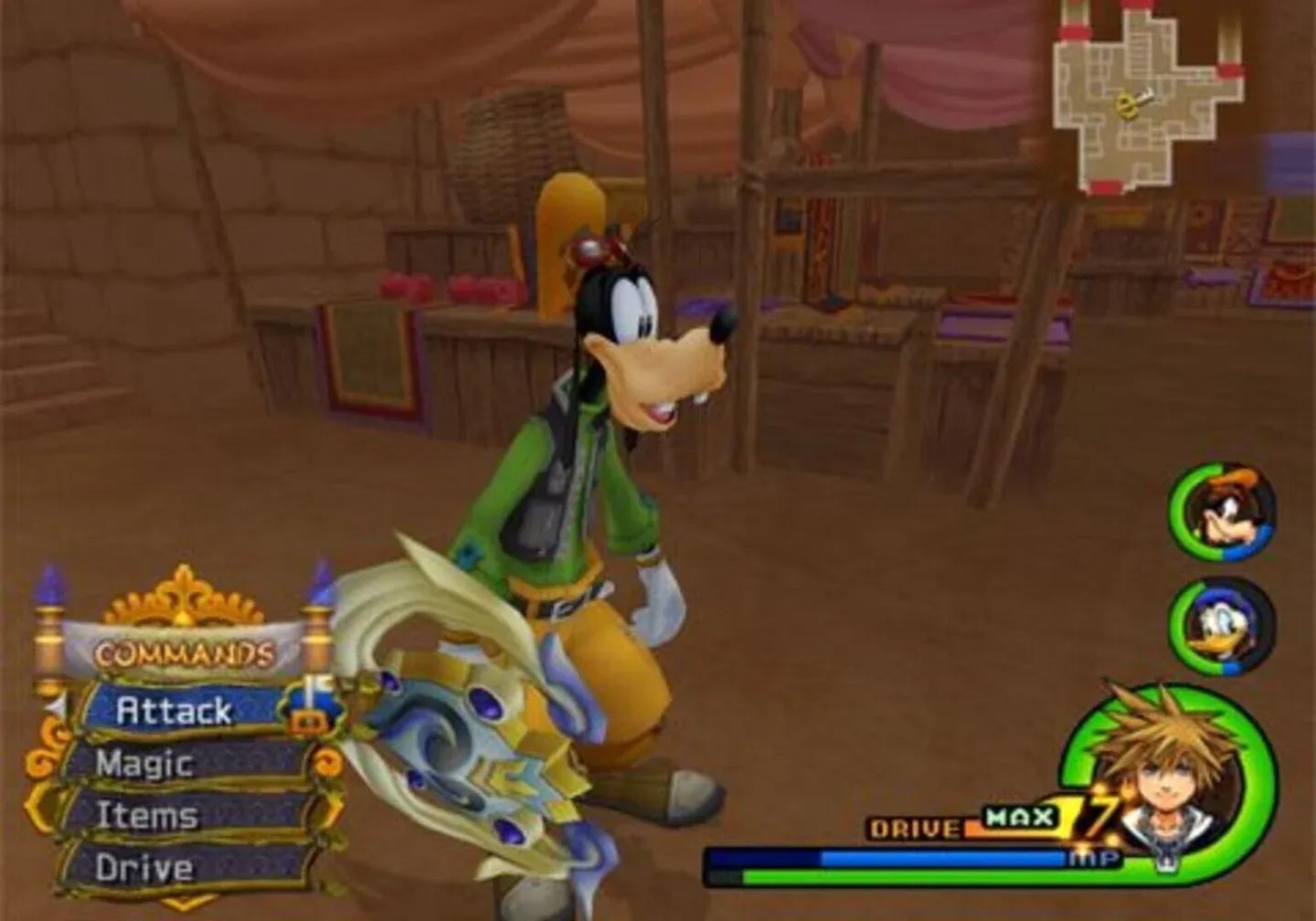
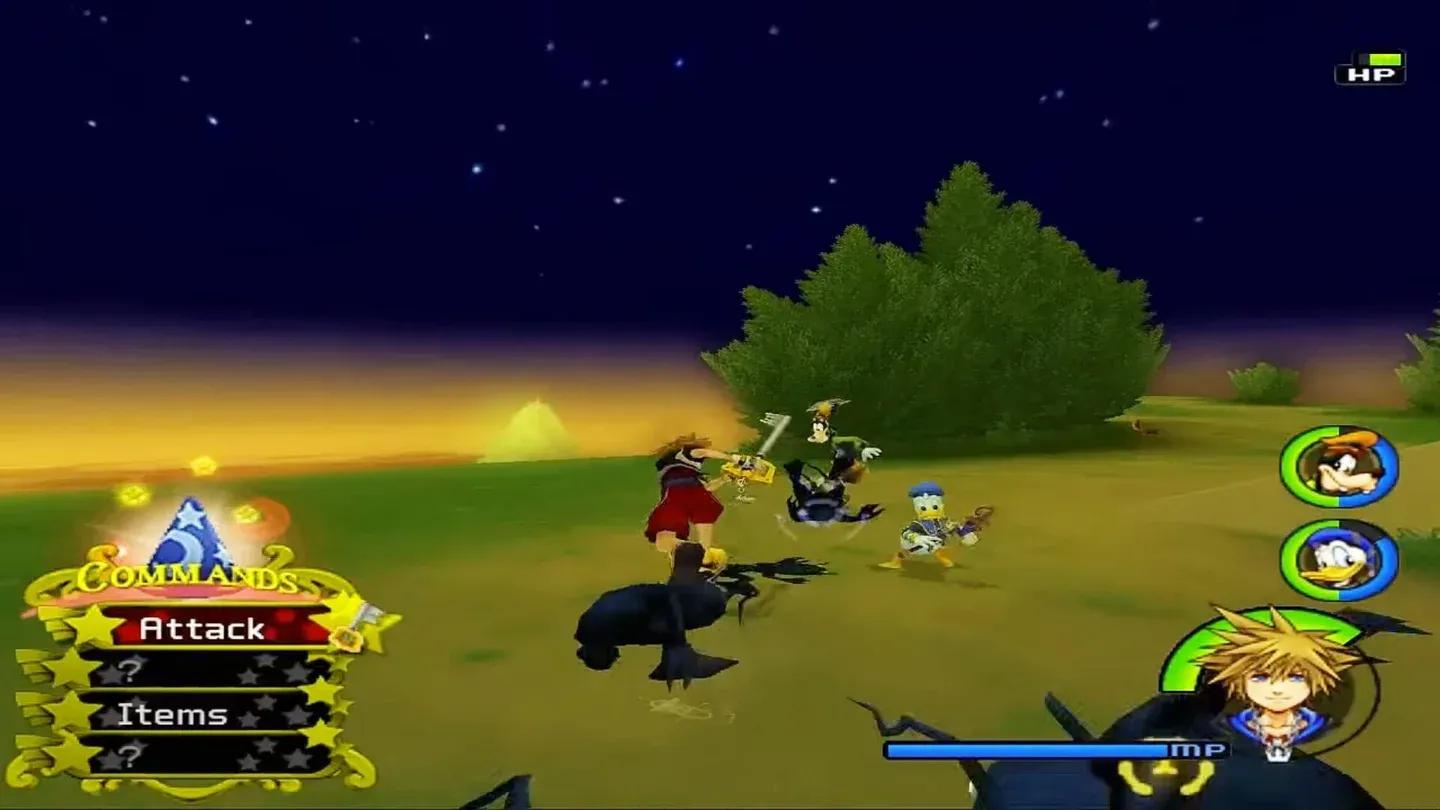
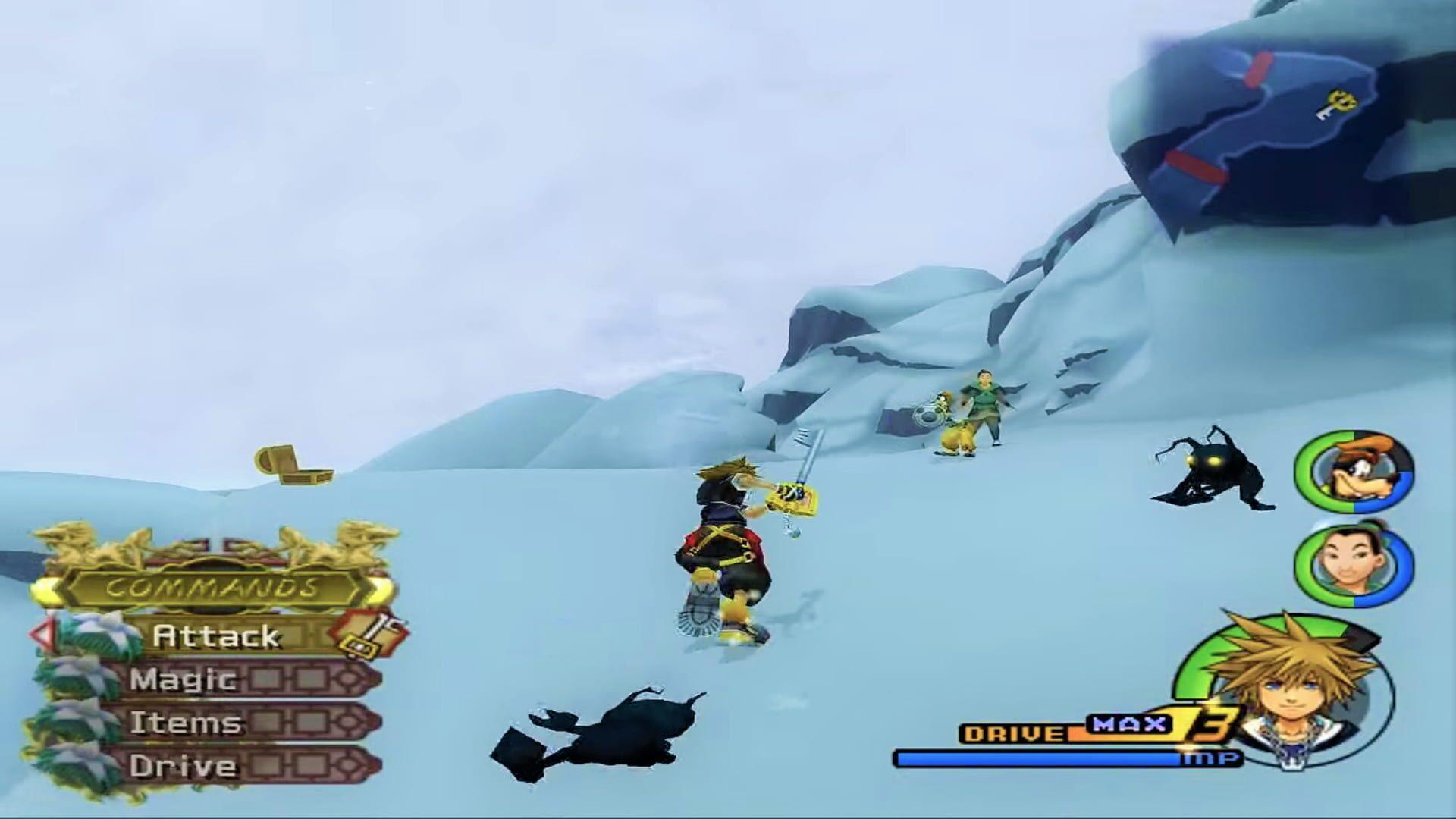
The combat in Kingdom Hearts II is where the game most clearly separates itself from its predecessor. Square Enix rebuilt the battle system around a faster, more fluid feel, and the results show. Sora's move set expands significantly through Drive Forms, which transform his abilities and appearance by temporarily absorbing Donald or Goofy into his power. Each form, Valor, Wisdom, Master, Final, and Limit, pushes the combat in a different direction, rewarding players who learn to switch between them situationally.
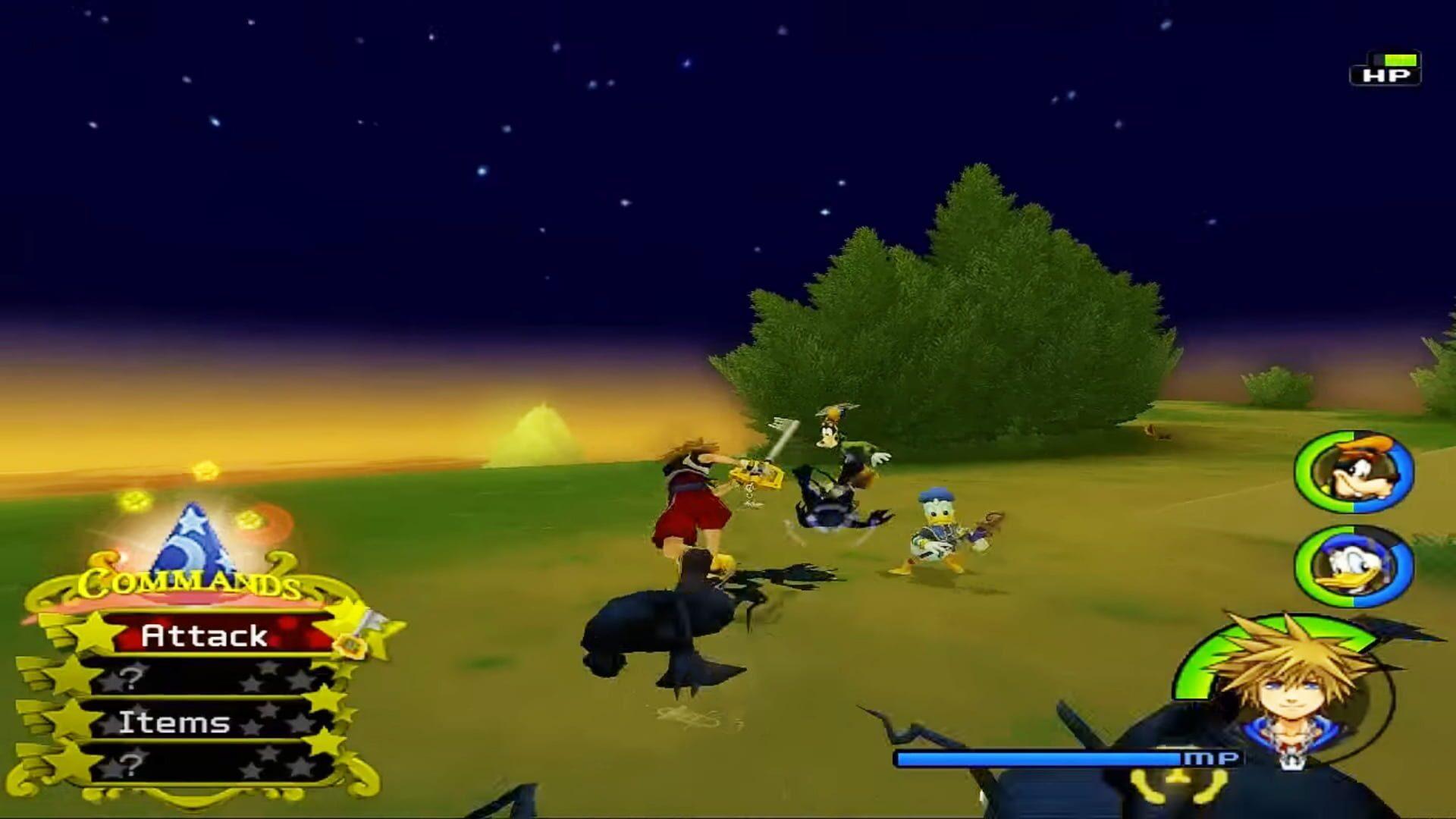
Key mechanics include:
- Drive Forms that alter Sora's combat style
- Reaction Commands tied to specific enemy encounters
- Summon abilities featuring Disney characters
- Limit attacks performed with party members
- Magic and item management through the command menu
Reaction Commands add another layer, prompting context-sensitive inputs during boss fights and standard encounters that can flip the momentum of a battle in seconds. The system keeps fights from becoming button-mashing sessions, at least at higher difficulty settings.
World and setting
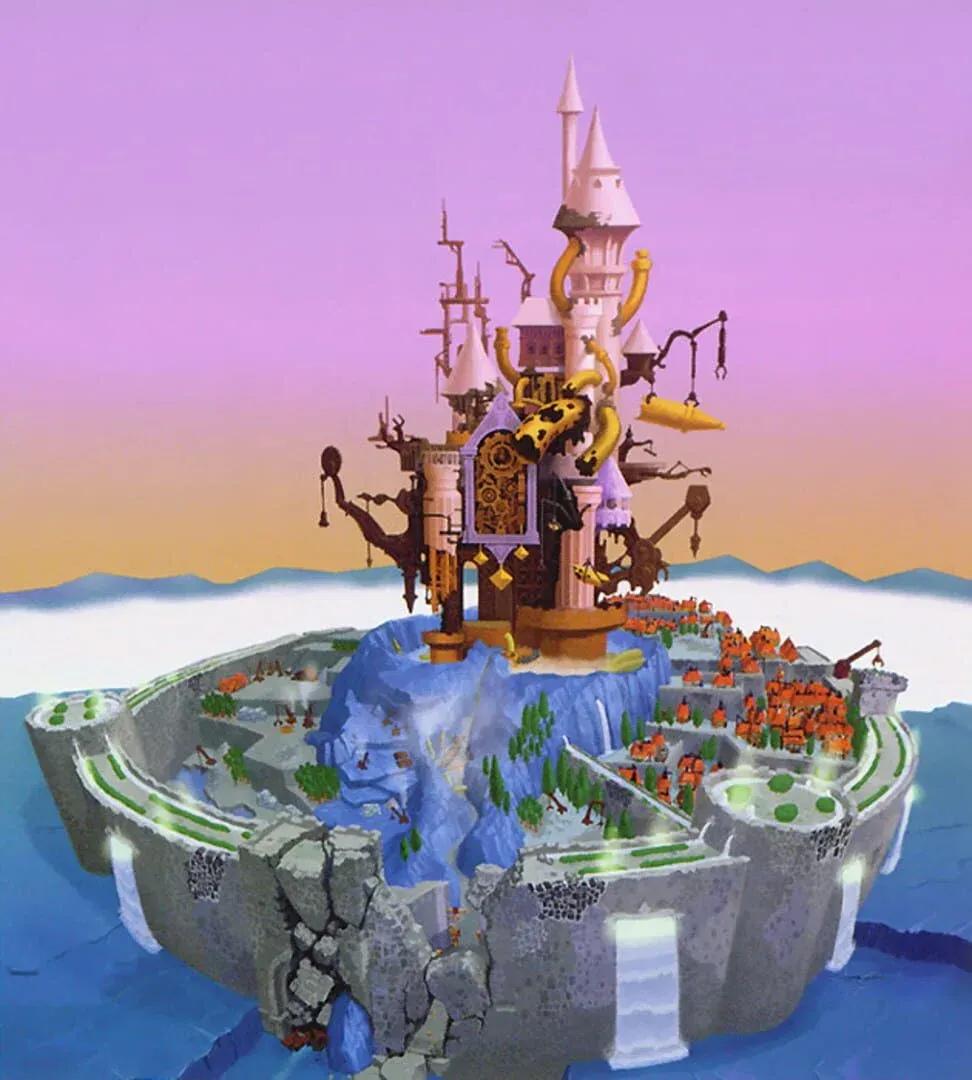
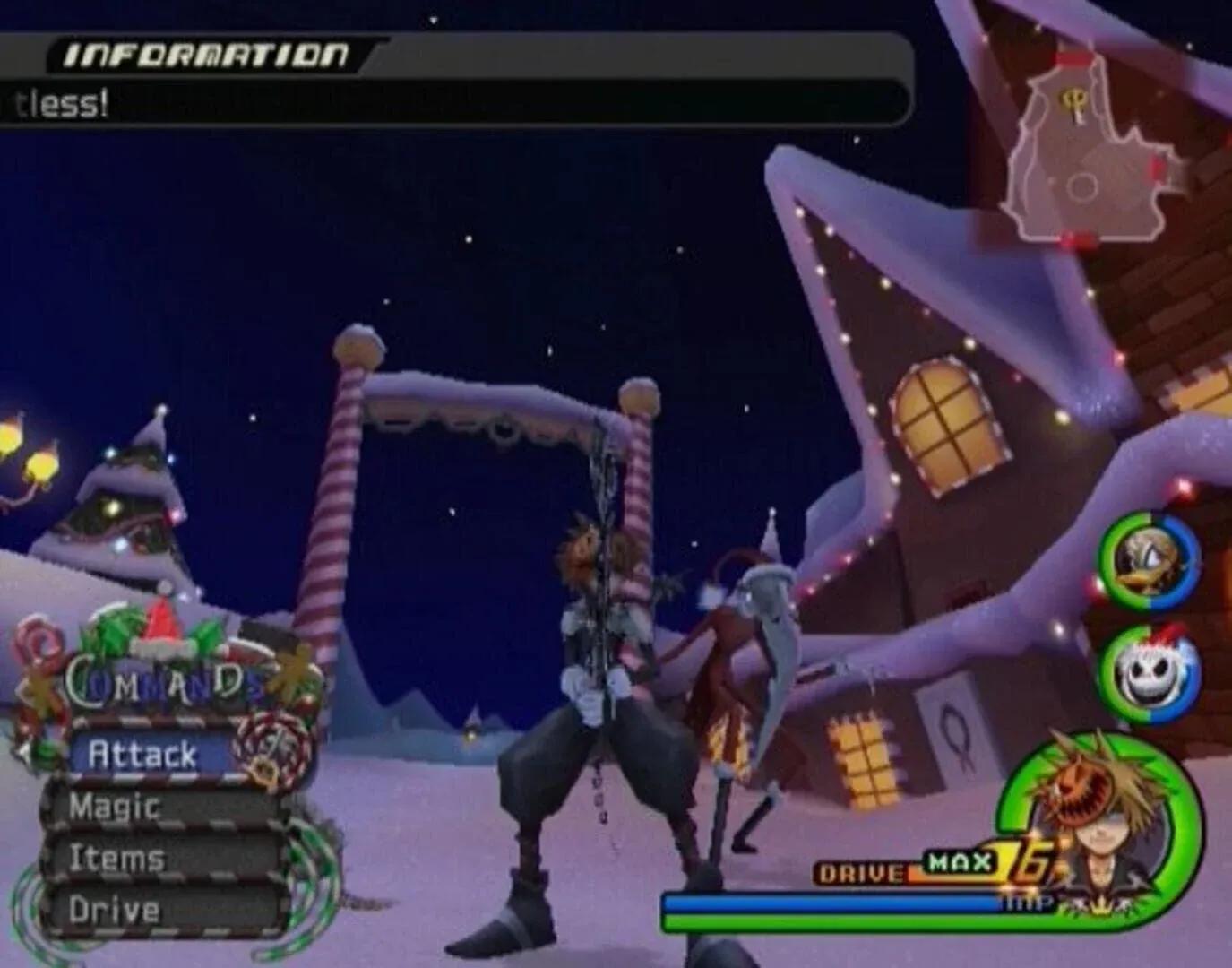
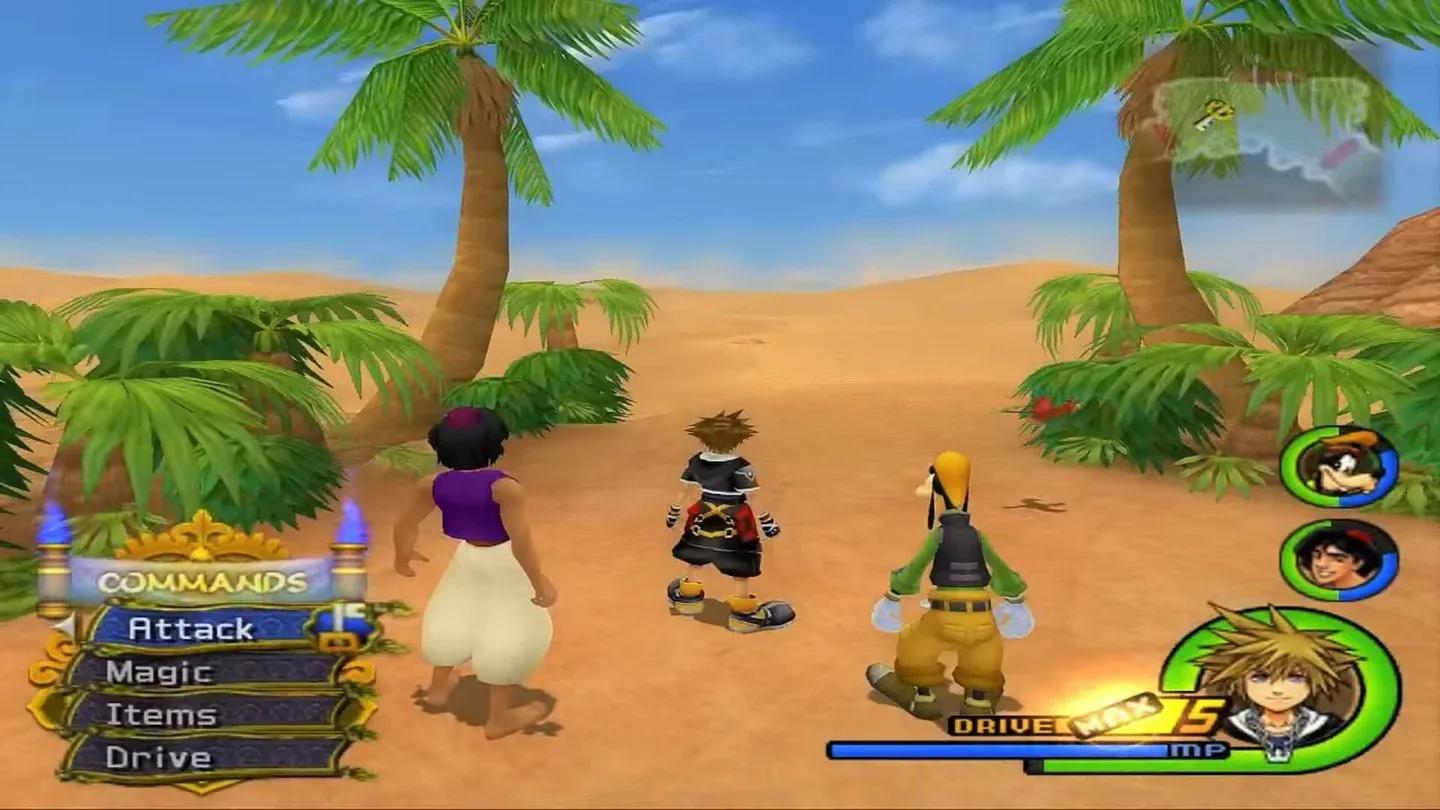
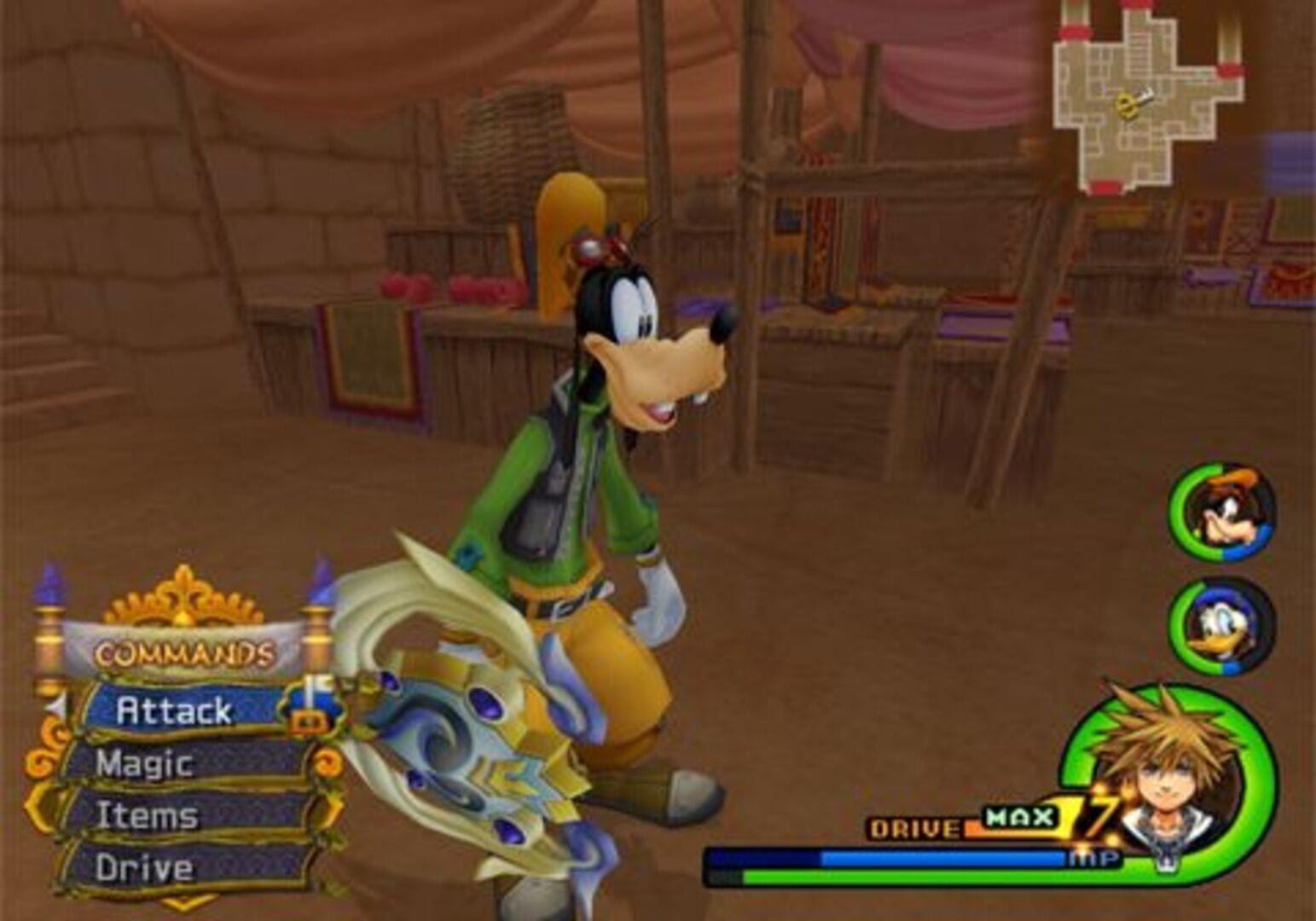
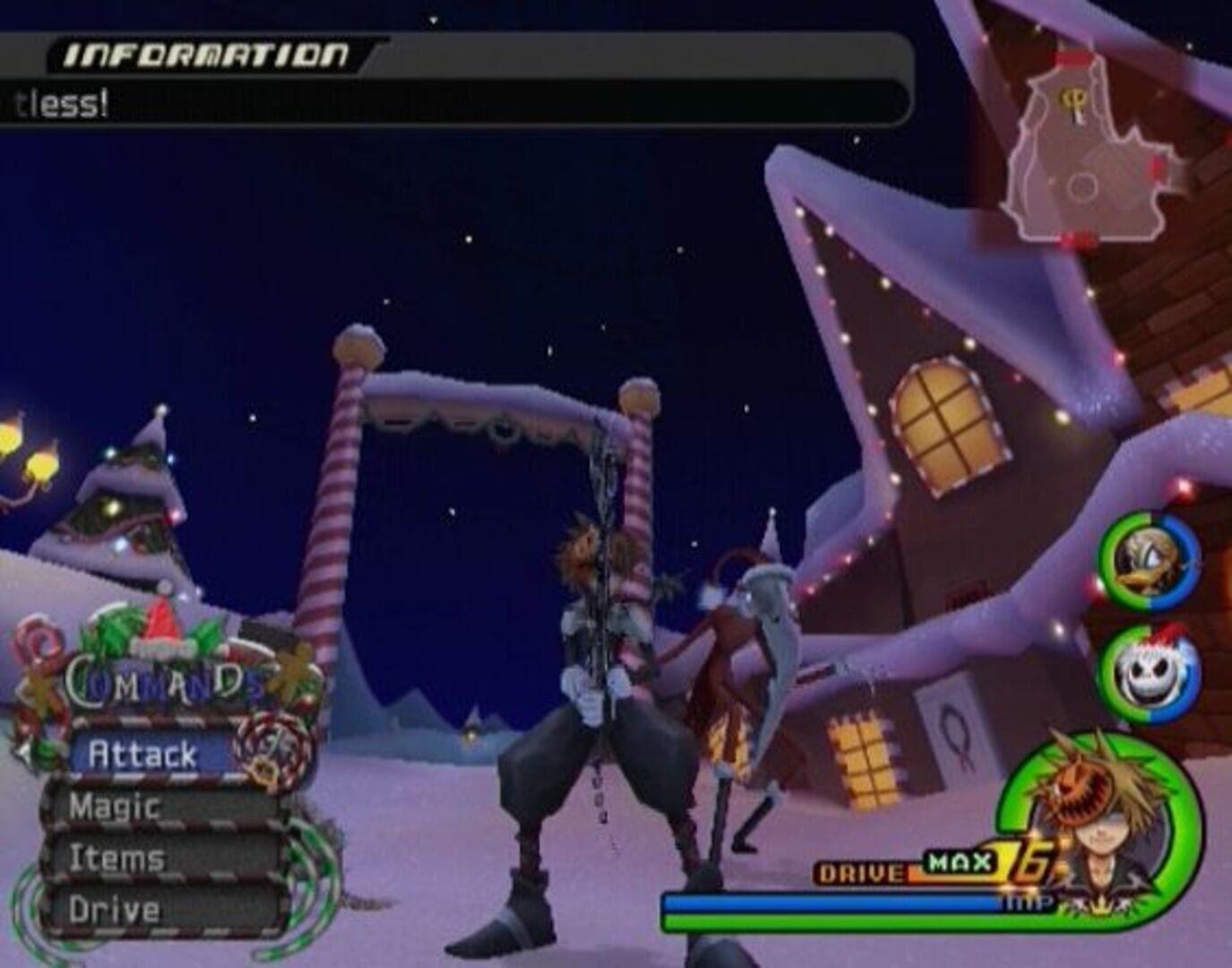
The world design is one of Kingdom Hearts II's most consistent strengths. Each Disney-themed area is built around the source material's visual identity and story beats, so Port Royal feels distinct from The Land of Dragons, which feels distinct from Halloween Town. The original worlds, particularly The World That Never Was, carry the weight of the overarching story and tend to be where the game's atmosphere is at its sharpest.
Traveling between worlds via the Gummi Ship returns from the original game, though the traversal sequences feel more like an optional minigame than a core feature. The real draw is landing in each new world and seeing how Square Enix interpreted the source material, sometimes faithfully, sometimes inventively.
Impact and legacy
Kingdom Hearts II landed to strong reception and is frequently cited as the high point of the series by players who grew up with it. The Final Mix version, which added content not present in the original Western release, became the definitive way to experience the game and is the version most players reference when discussing its endgame content, including the Lingering Will boss fight, which remains one of the hardest optional encounters in the franchise.
The game's blend of action RPG combat, Disney world-hopping, and a serialized story that rewards returning players gives it staying power well beyond its release year. For anyone who wants to understand why Kingdom Hearts became a franchise with genuine cultural weight, Kingdom Hearts II is the clearest argument the series has.