
Advertisement

Overview
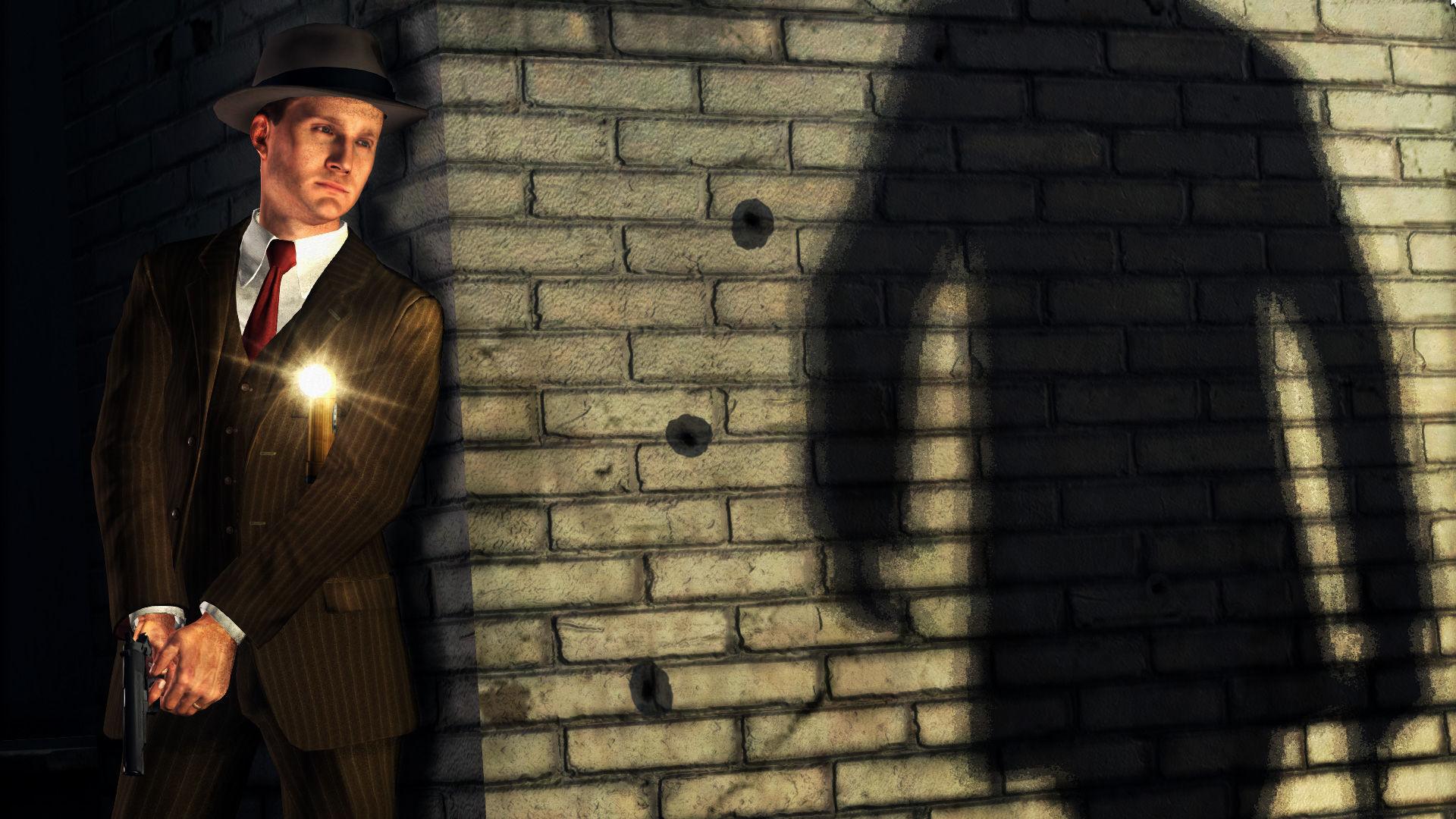
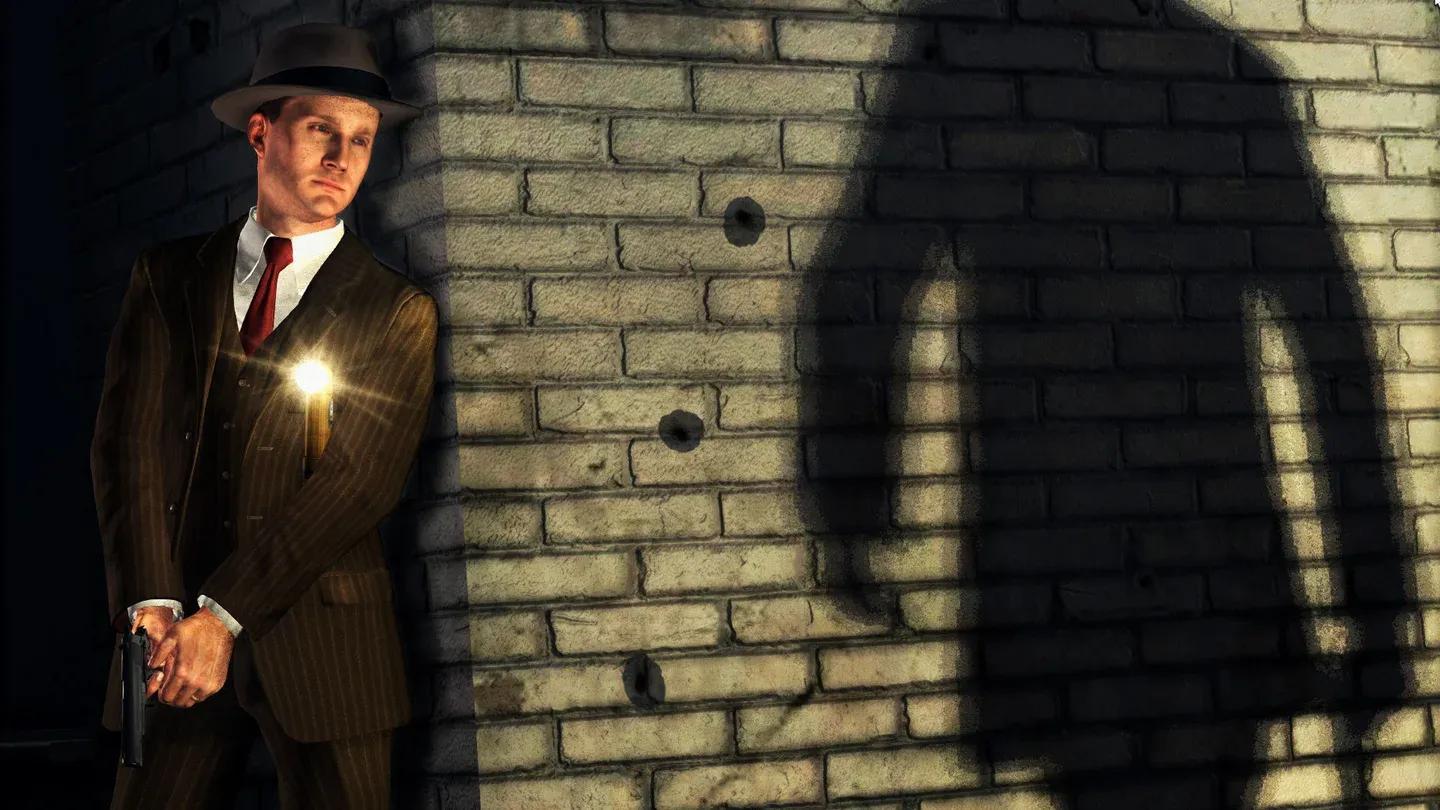
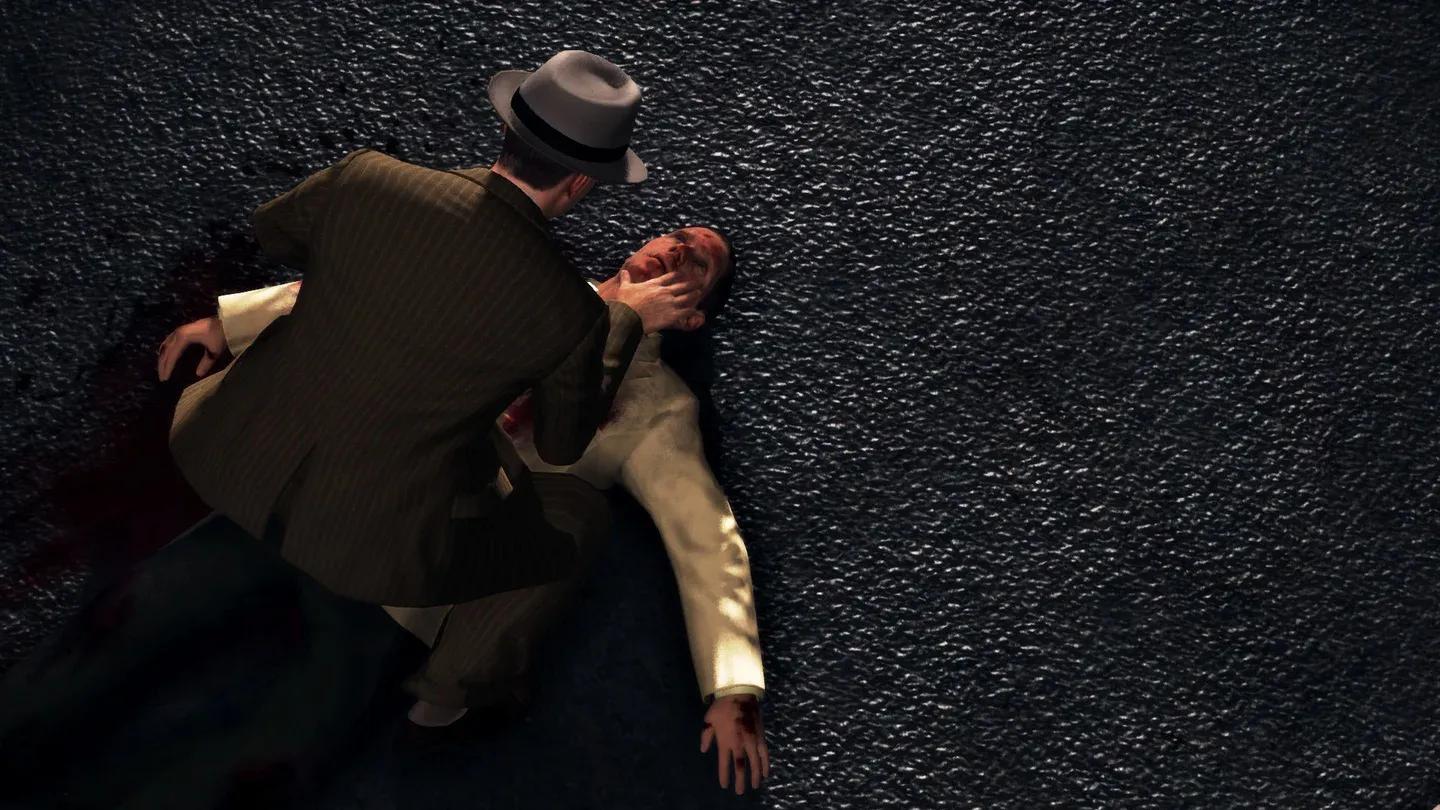
Set in 1947 Los Angeles, L.A. Noire is a neo-noir detective adventure developed by Team Bondi and published by Rockstar Games. You play as Cole Phelps, an LAPD officer working his way through five divisions, each carrying its own string of cases drawn from real crimes that shook the city during one of its most corrupt periods. The game doesn't just drop you into a crime scene and ask you to shoot your way out. It asks you to think.
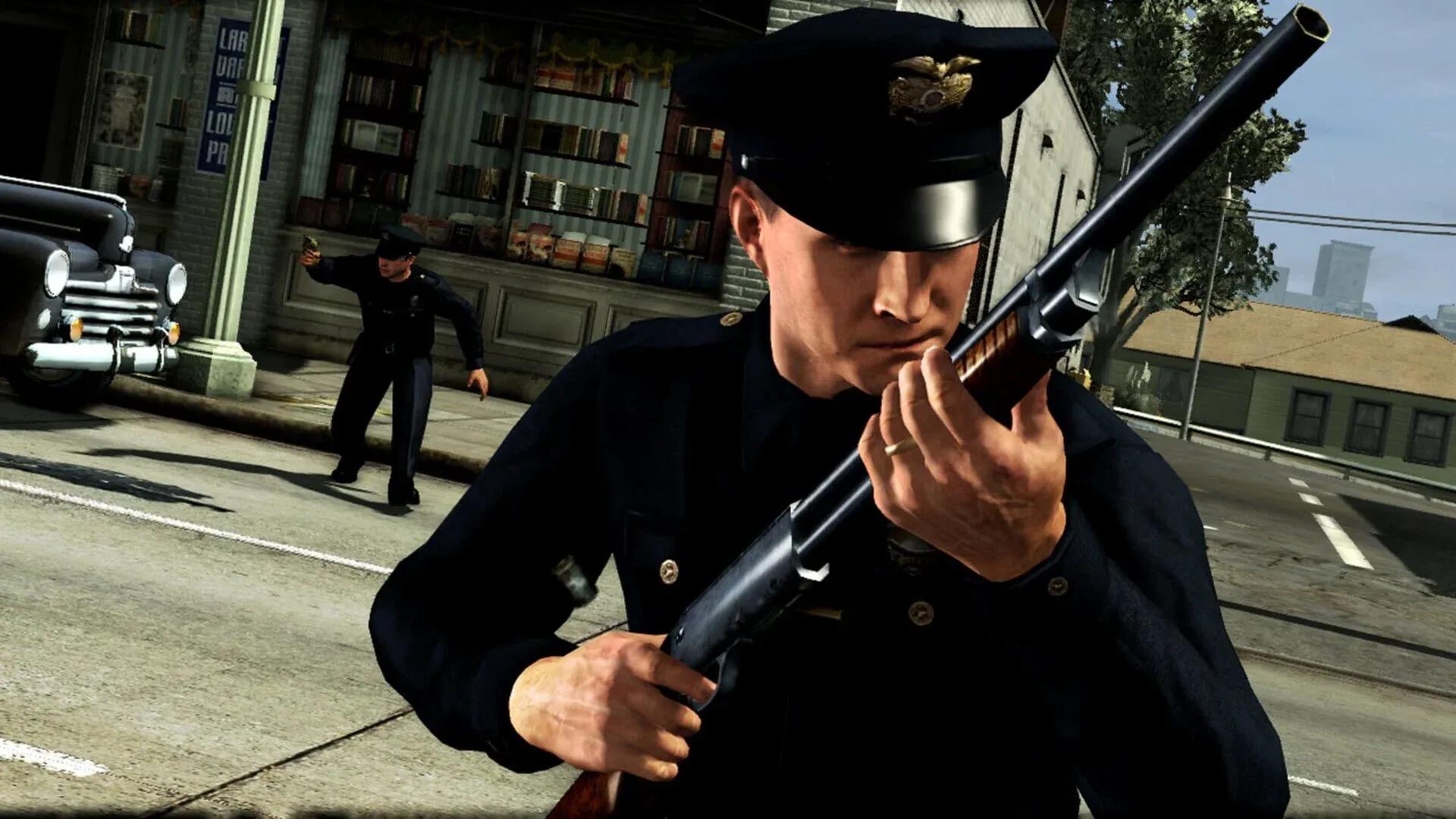
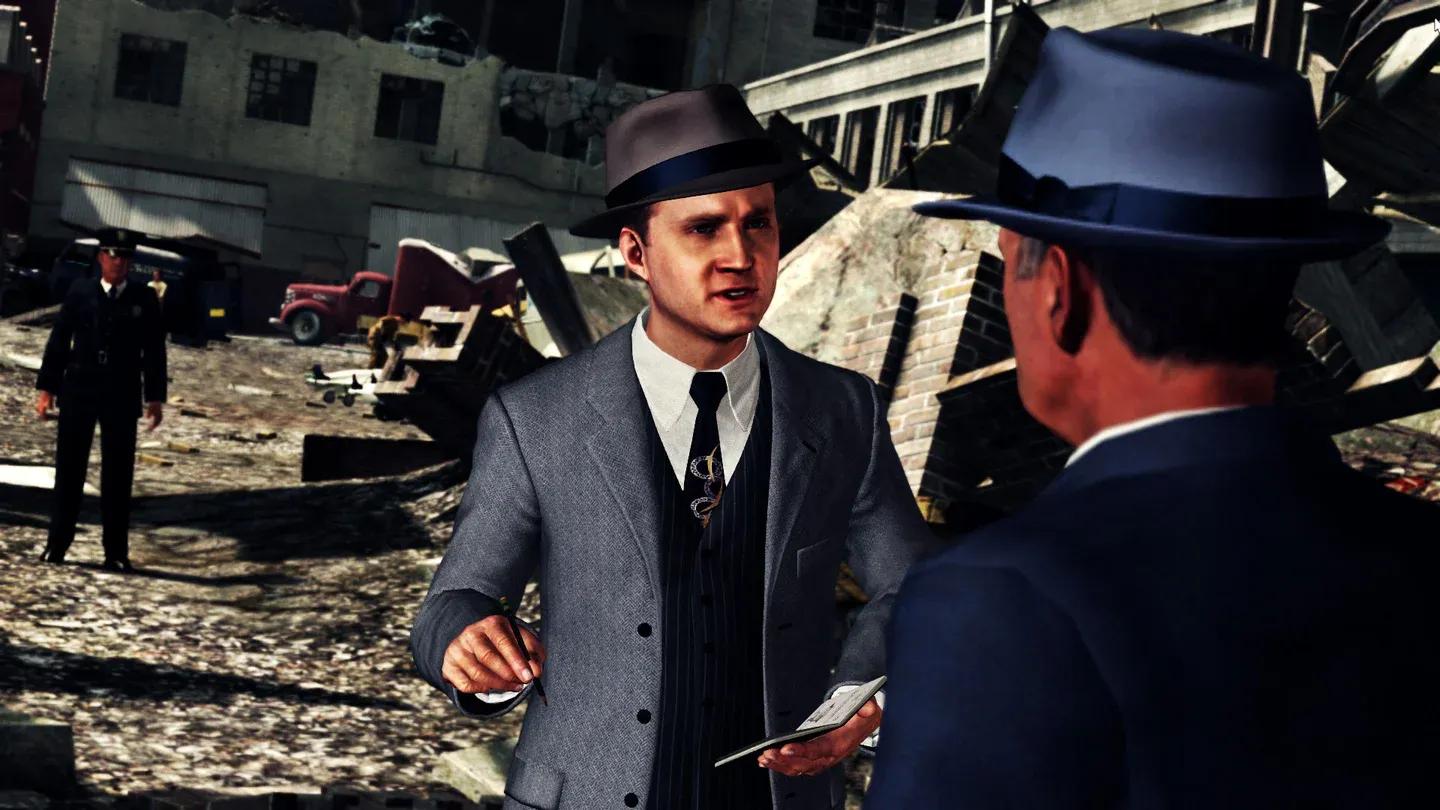
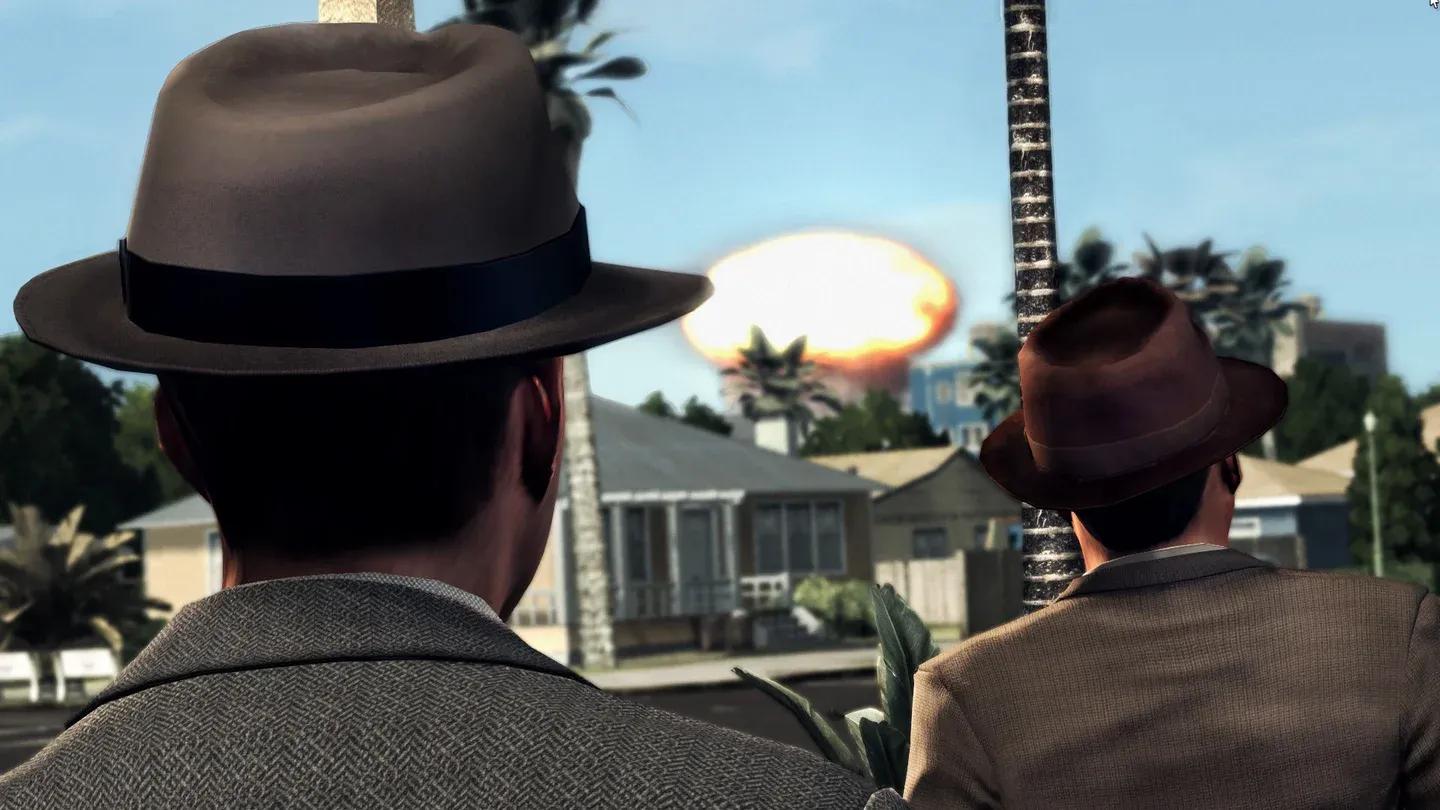
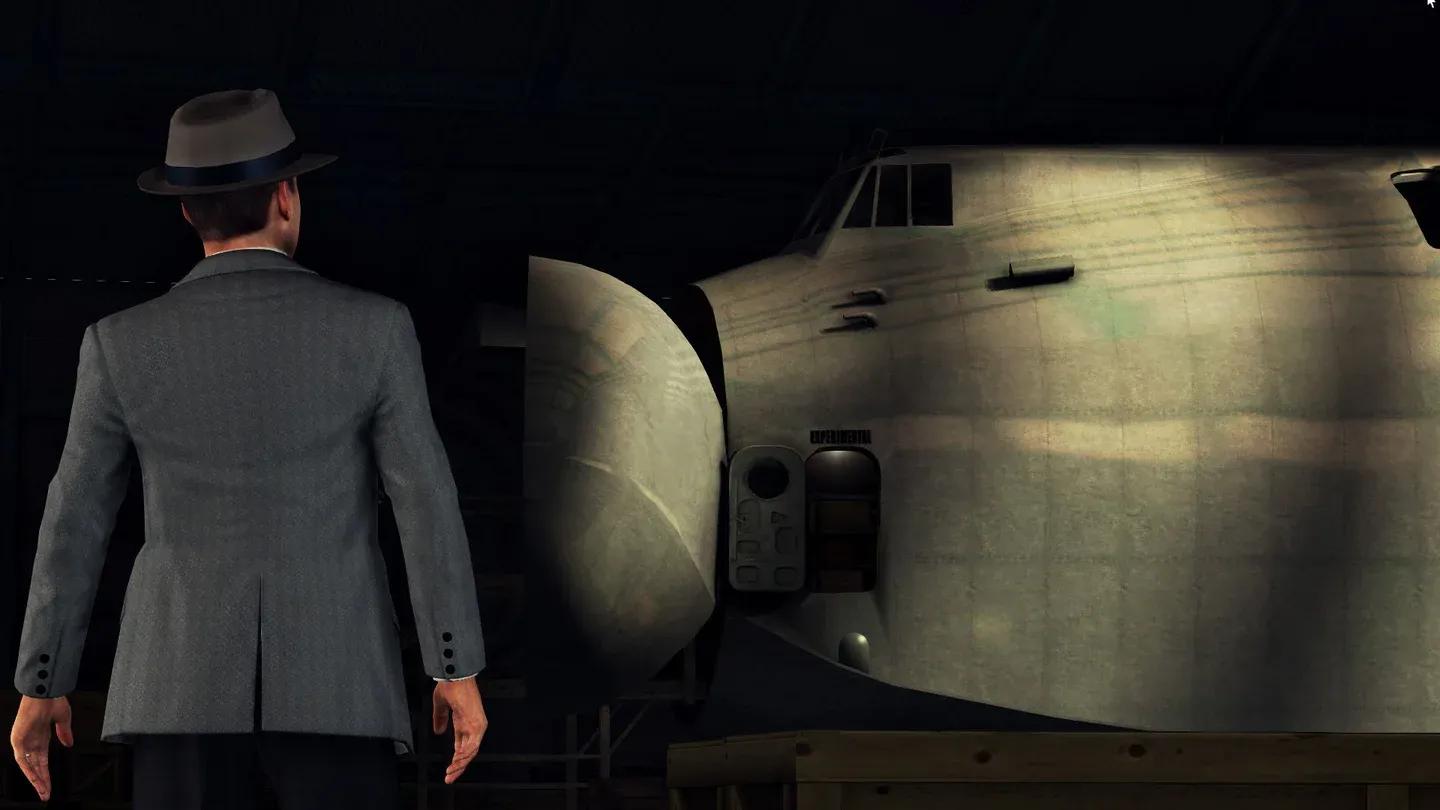
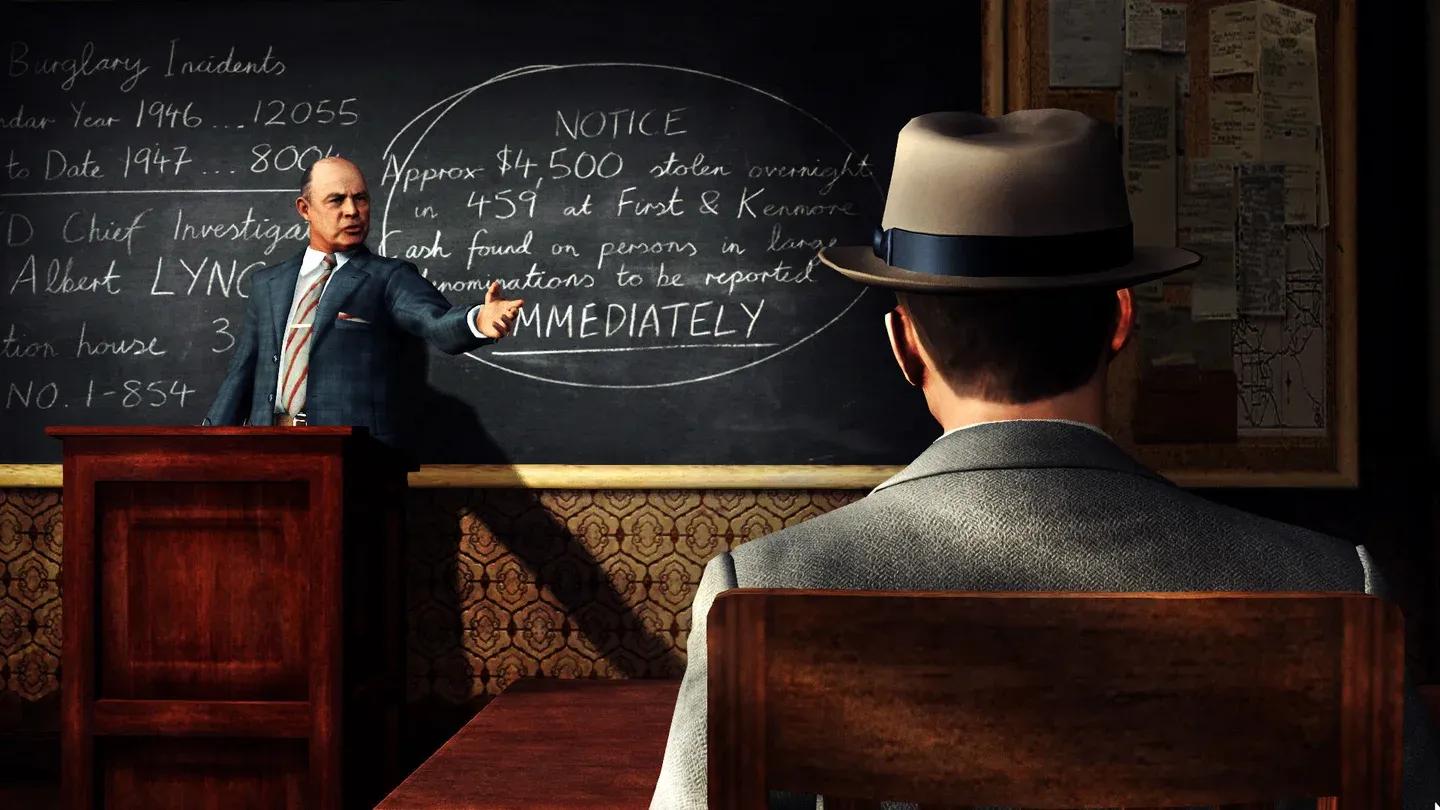
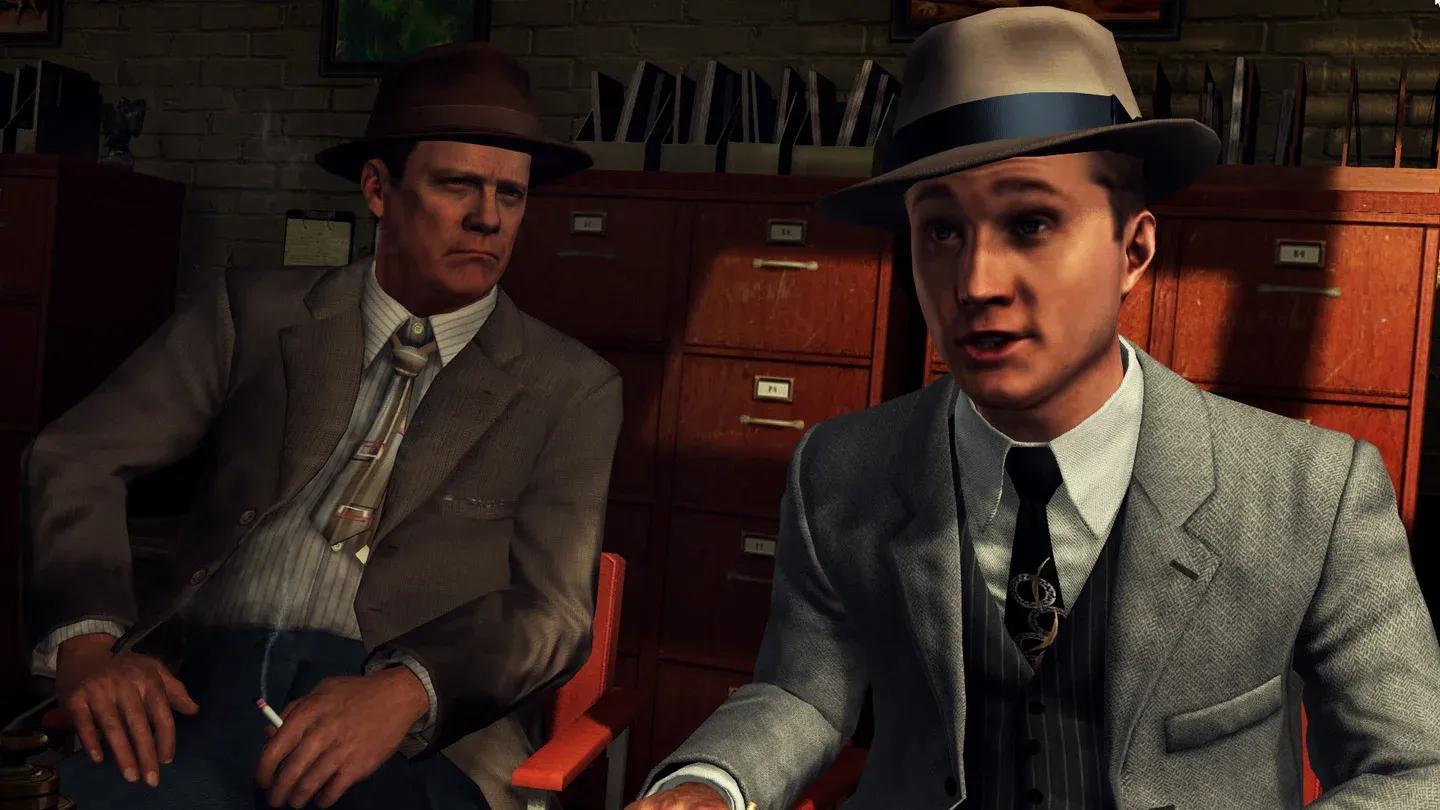
Phelps starts on the street beat and works upward through Traffic, Homicide, Vice, and Arson. Each division brings a fresh set of cases and a deeper layer of the conspiracy threading through the city. The overarching story connects corruption inside the LAPD, the post-war drug trade, and a secret capable of bringing down powerful people. The pacing is deliberate, almost cinematic, which suits the film noir aesthetic the game commits to fully.
Gameplay and mechanics
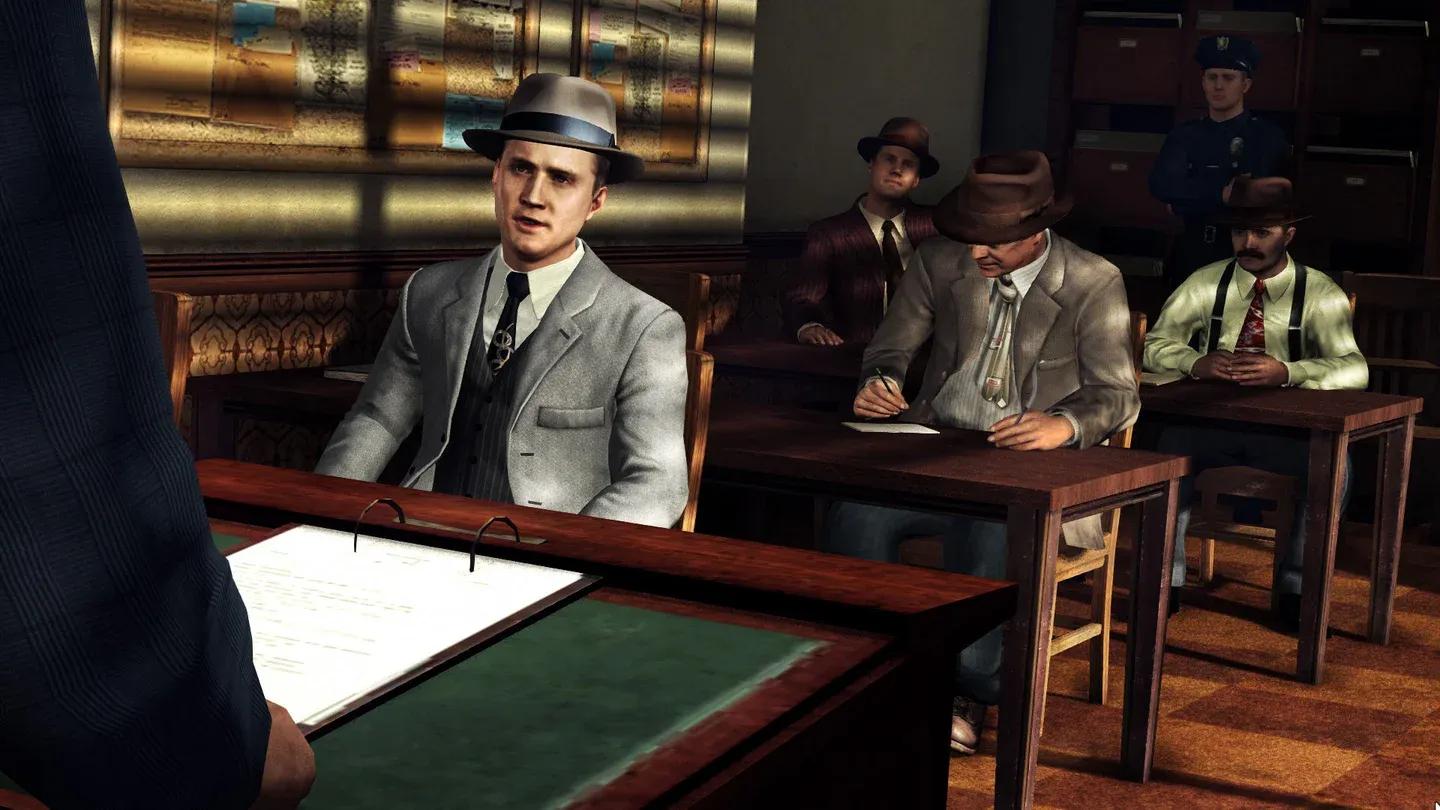
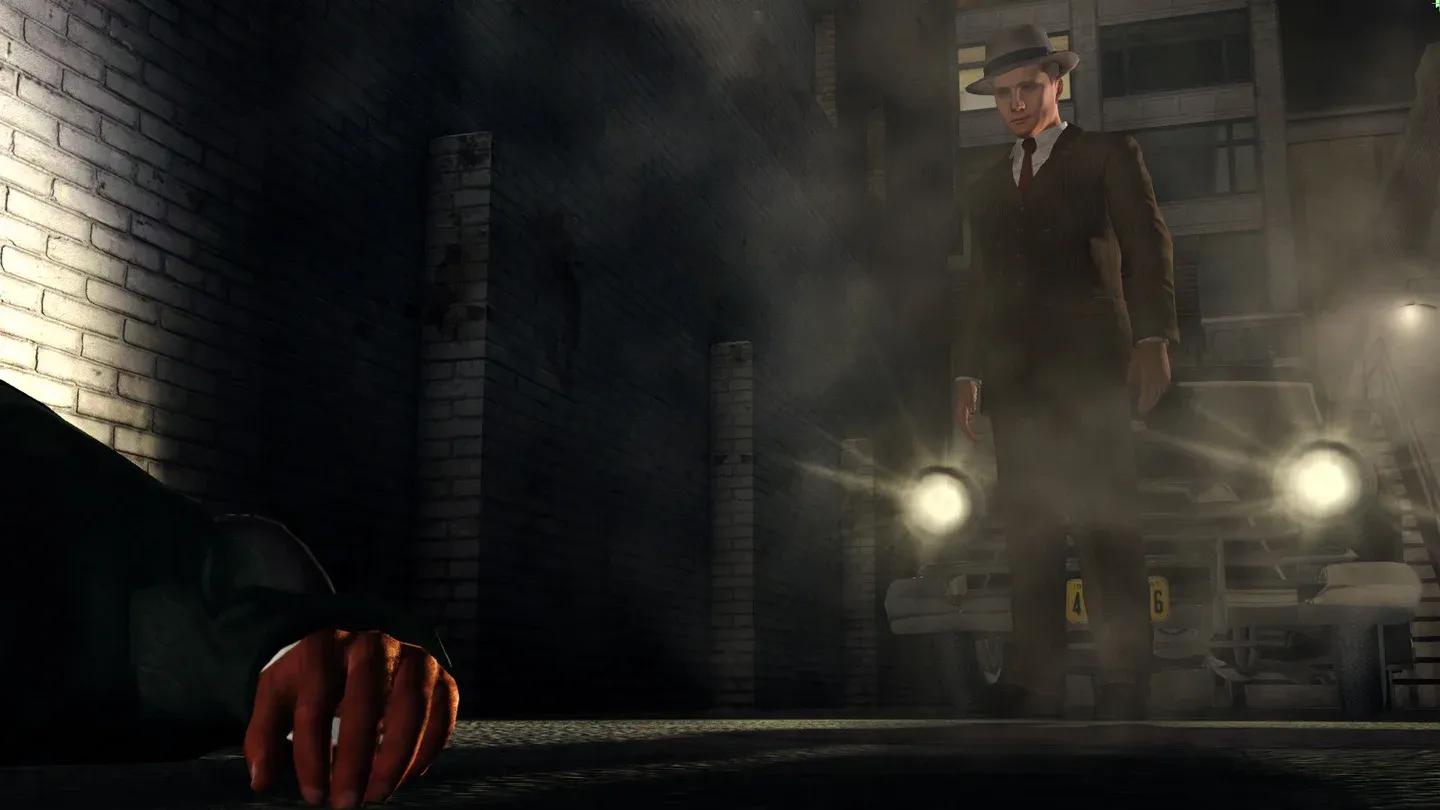
The core loop of L.A. Noire breaks down into three repeating phases: investigate the crime scene, follow up on leads, and interrogate suspects. Crime scene investigation means combing locations for physical clues, which then feed into your interview options. The interrogation system is where the game earns its reputation.
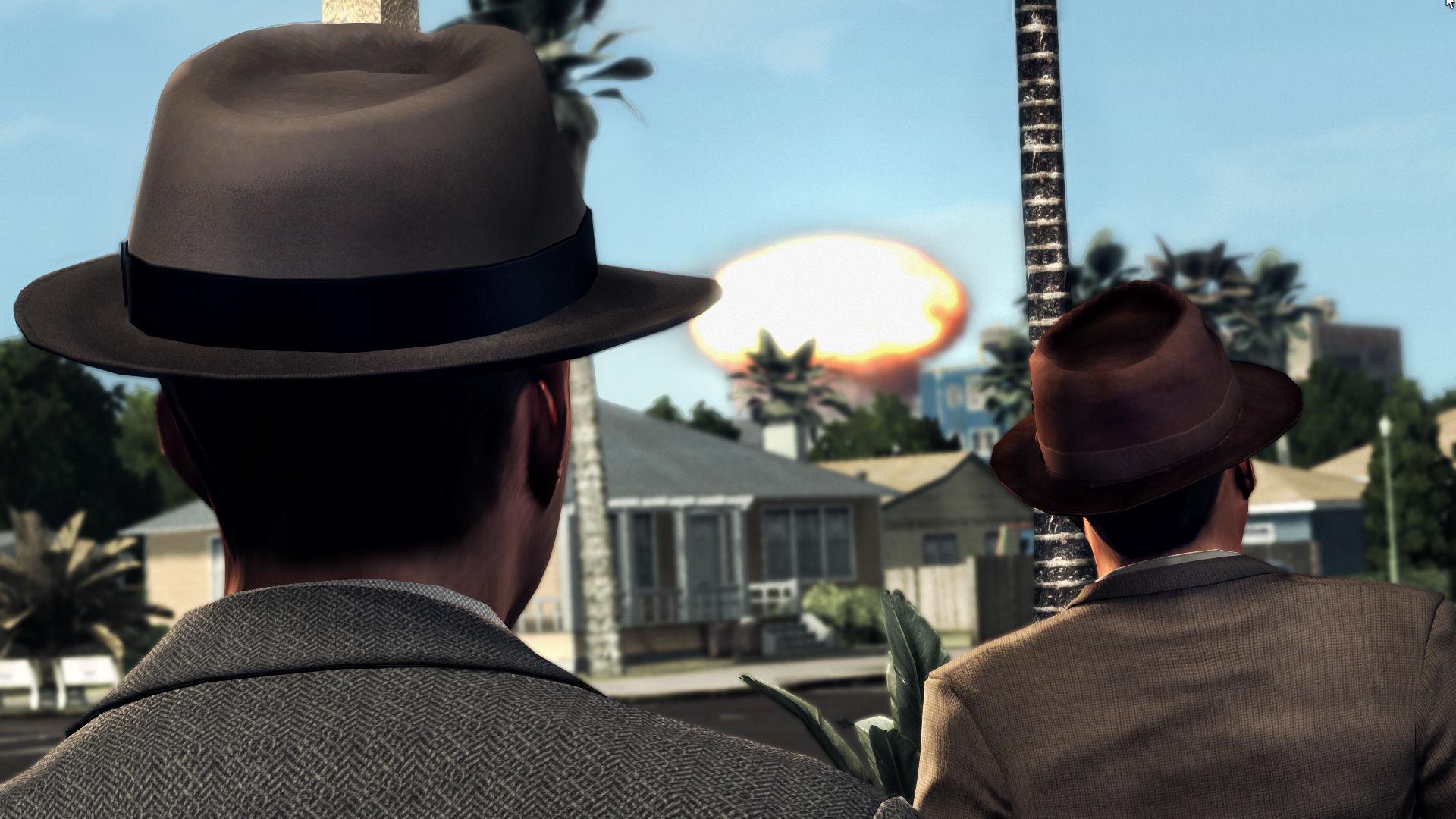
Key mechanics at a glance:
- Clue collection at crime scenes
- Suspect interrogation with truth, doubt, or lie responses
- Lead follow-up across open-world Los Angeles
- Optional action sequences including foot chases and gunfights
- Black-and-white visual mode toggle
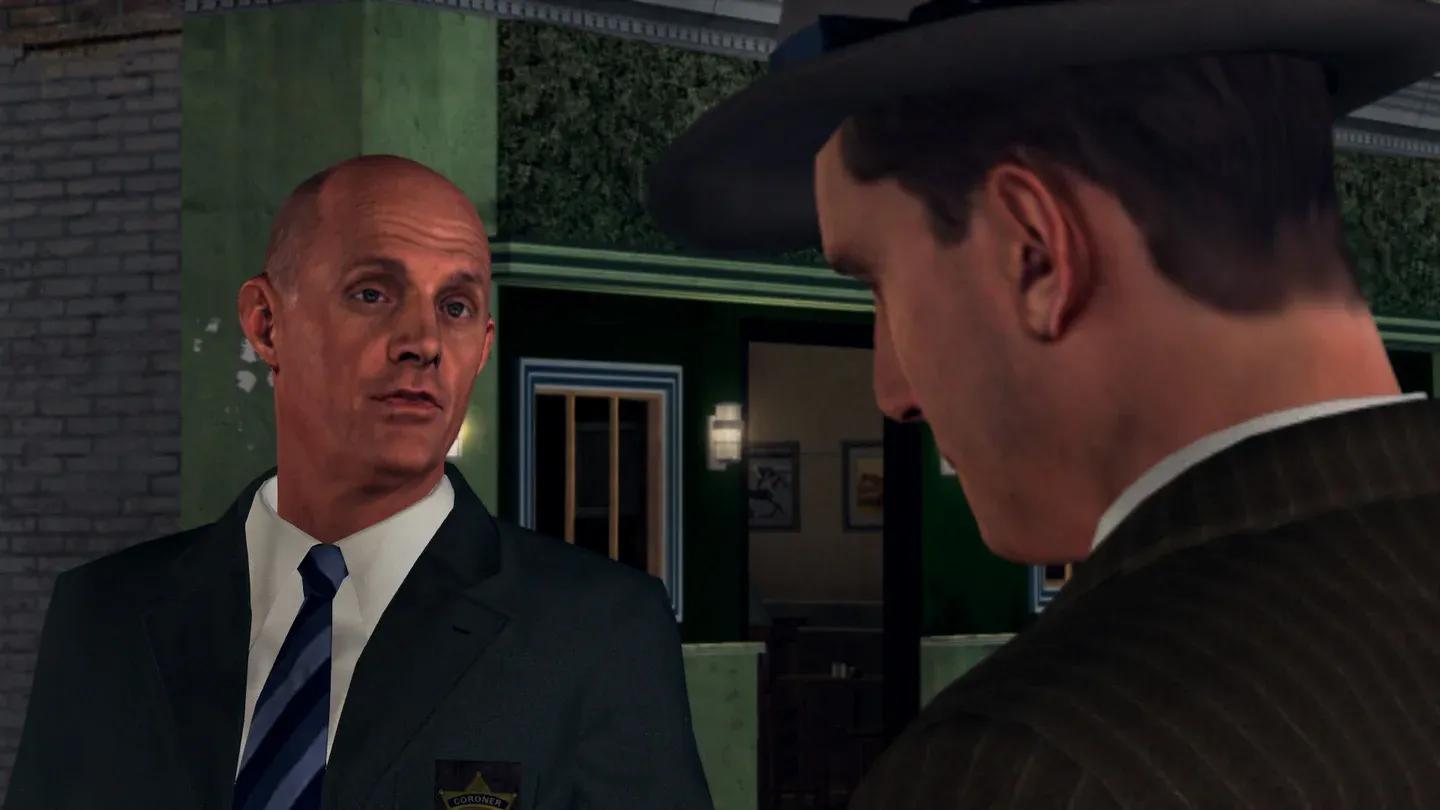
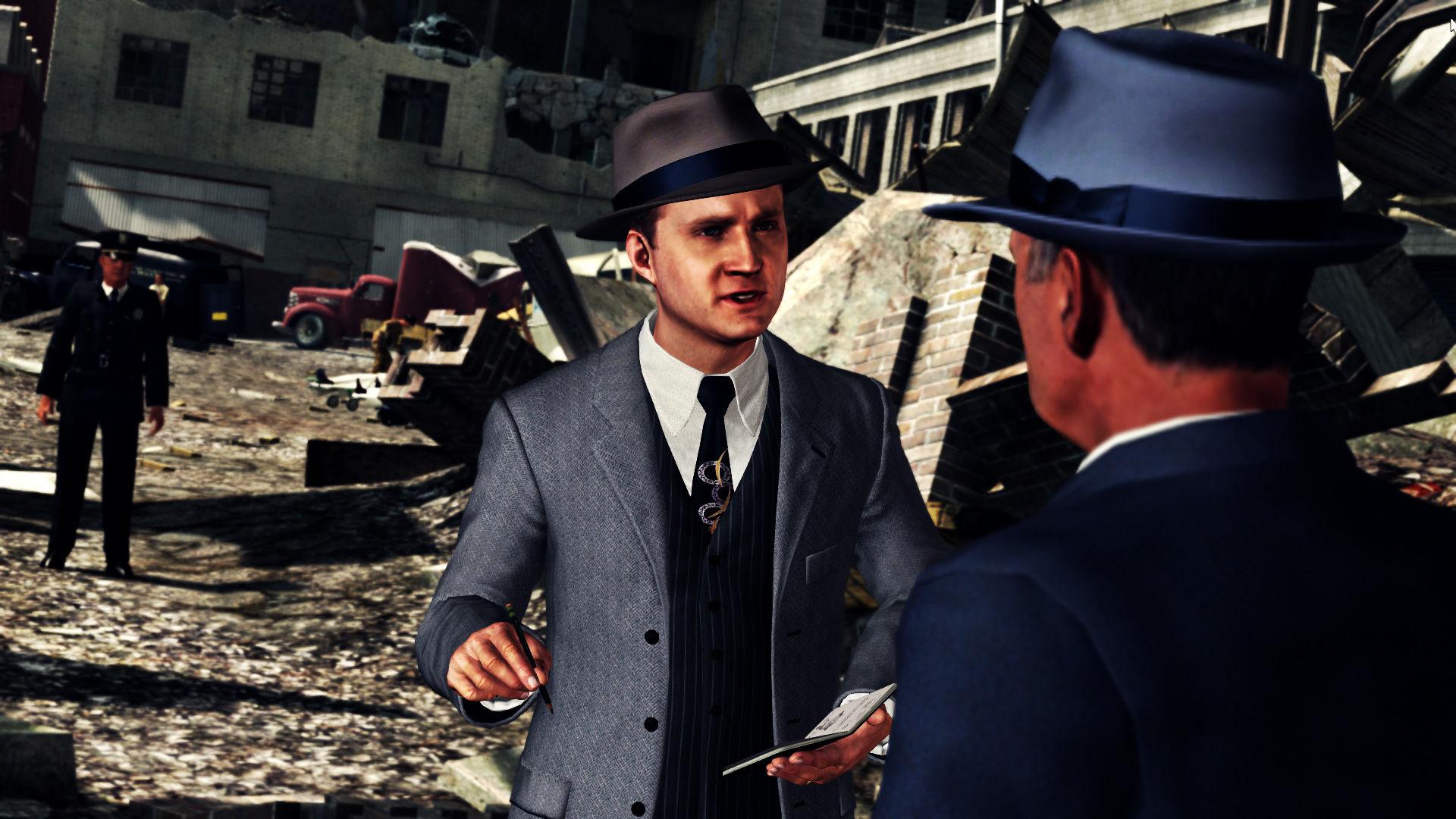
During interrogations, you watch the suspect's face and decide whether their answer is truthful, suspicious, or an outright lie. If you call out a lie, you need evidence to back it up. Get it wrong and the case resolves with less information than it could have. The system rewards attention and punishes button-mashing, which is a meaningful design choice for an action-adventure game.
What makes the facial animation technology different?
L.A. Noire used MotionScan technology to capture actors' performances with 32 cameras simultaneously recording every facial movement. The result is character faces that behave like real human faces, complete with micro-expressions, nervous tics, and the subtle shifts that signal discomfort. This wasn't cosmetic. The entire interrogation system depends on it. Without readable faces, the mechanic collapses.
The technology set a visible benchmark for character fidelity in games at the time of release. Interrogation scenes hold up specifically because the performances underneath them are real actor work, not approximated animation.
World and setting
The 1947 Los Angeles recreation is dense and atmospheric. The city spans jazz clubs, back alleys, movie sets, and suburban streets, all rendered with a period-accurate aesthetic. Street signs, cars, clothing, and architecture reflect the era with care. The optional black-and-white mode isn't a filter slapped over the image; it shifts the entire mood toward classic film noir and genuinely changes how the game feels to play.
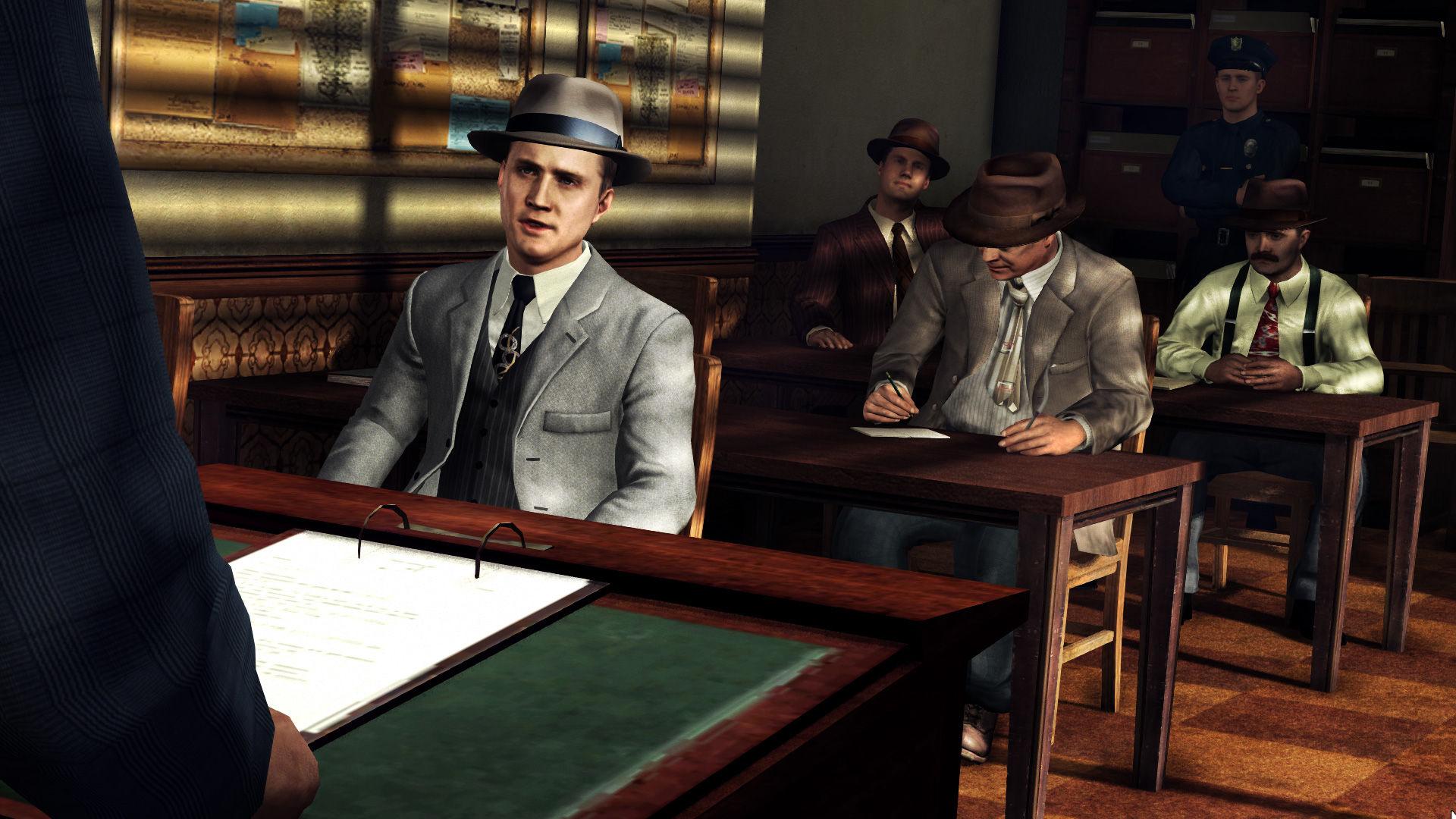
The cases themselves draw from real events covered by Los Angeles media in 1947, including crimes that echo the Black Dahlia murder and other notorious cases of the period. The fictional framing keeps the game from being exploitative, but the real-world roots give the cases weight that invented crimes rarely carry.
Impact and legacy
L.A. Noire arrived at a point when open-world games were largely defined by action and chaos. Rockstar publishing a game built around observation, patience, and reading people rather than firefights was a genuine departure. The game's Metacritic scores landed in the high 80s across platforms, and its interrogation design has been referenced as an influence on subsequent detective games.
The Windows version, released November 8, 2011, brought the full experience to PC with the complete case content. For players drawn to detective games with strong narrative and character-driven mechanics, L.A. Noire remains one of the few games that actually makes you feel like you're doing detective work rather than just completing objectives.