

LEGO Batman: Legacy of the Dark Knight gives you three difficulty settings right at the start: Classic, Caped Crusader, and Dark Knight. The choice matters more than most LEGO games have made it in the past, especially on Dark Knight where limited lives turn familiar LEGO chaos into something with actual stakes. Here's exactly what each mode changes, which one fits your playstyle, and how to swap between them mid-game.
What are the three difficulty levels in LEGO Batman Legacy?
The game ships with three distinct settings that affect enemy count, enemy variety, and whether you have unlimited lives. The difference between the easiest and hardest modes is more than just a number on a slider.
Difficulty selection at game start
Classic
Classic is the traditional LEGO game experience, built around exploration and fun with the pressure dialed down. You get unlimited lives throughout the campaign, face fewer enemies per encounter, and advanced enemy types show up far less often. This is the right pick if you're playing with younger family members, want to focus on collectibles and puzzle-solving without combat interruptions, or just want to experience the story without friction.
It's worth being direct: Classic is not a lesser experience. LEGO games have always been built around discovery and humor, and playing on Classic lets that breathe.
Caped Crusader
Caped Crusader sits in the middle and is described by the developers as a "balanced experience." You still keep unlimited lives, so there's no hard punishment for failure, but enemy counts go up and advanced enemy types appear more frequently. Combat requires more attention and you'll need a working knowledge of counters and gadgets to stay efficient.
This is the setting most players will want for a first playthrough. It adds enough resistance to make combat feel meaningful without turning the game into a slog.
Dark Knight
Dark Knight is the hardest setting and the one that genuinely changes the rules. Most missions switch to limited lives, which means running out has real consequences. Enemy counts are high, advanced enemy types appear regularly, and the combination of all three factors means mistakes compound quickly.
After testing combat across all three settings, the limited lives mechanic on Dark Knight is the most significant change. In a genre where death has traditionally meant nothing beyond a small stud penalty, having a finite number of attempts reframes how you approach every encounter.

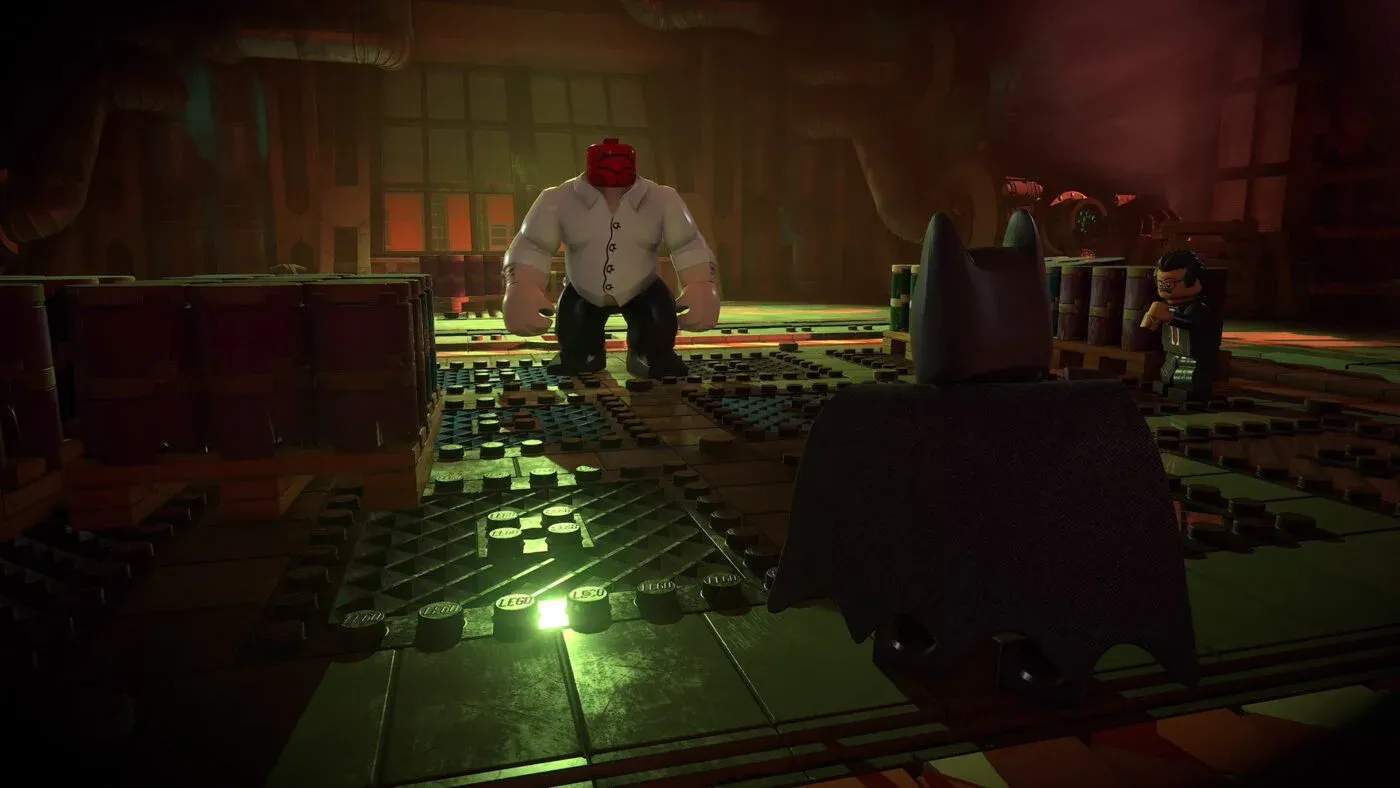
Dark Knight raises enemy pressure
How do you change the difficulty after starting?
You're asked to pick a difficulty at the very beginning of the game, but the choice is not permanent. You can change it at any point by opening Options and navigating to the Gameplay Menu. The setting updates immediately, so you can drop down to Classic for a tricky mission and switch back up afterward without any penalty.
There's no shame in adjusting mid-game. The option exists for a reason, and using it doesn't lock you out of anything.
Is there a trophy for completing the game on a specific difficulty?
No. There is no special trophy or achievement tied to finishing the game on any particular difficulty. Completing the campaign on Classic earns you the same trophy access as completing it on Dark Knight. If you're going for 100% completion, you can play on whichever setting you prefer without missing out on any rewards.
For the full list of what you can earn, the LEGO Batman: The Dark Knight trophy and achievement guide covers every bronze, silver, gold, and platinum with tips on the trickier ones.
Which difficulty should you pick?
The honest answer depends on what you want from the game. Classic is genuinely good for co-op sessions with kids or anyone who wants a relaxed playthrough. Caped Crusader is the default recommendation for solo players on a first run. Dark Knight is for people who want the combat system tested and don't mind restarting missions.
If you're new to the game entirely, the LEGO Batman Legacy beginner tips and strategies guide covers the fundamentals of combat, exploration, and collectibles that will help you get the most out of any difficulty setting.
What else affects how hard the game feels?
Difficulty setting is one variable, but your upgrade choices matter too. Investing in the right gadgets and weapons early makes a noticeable difference in how manageable enemy encounters feel on Caped Crusader and Dark Knight. The best weapon upgrades guide for LEGO Batman Legacy breaks down WayneTech Chip costs and which upgrades to prioritize first.
Studs also feed directly into your upgrade options, so farming them efficiently early gives you more tools before the game ramps up. For that, the stud farming guide covers multiplier tricks, the Stud Cache, and Jim Gordon's Rebound Launcher.
For everything else the game has to offer, the full LEGO Batman Legacy of the Dark Knight guide collection has walkthroughs, puzzle solutions, and collectible locations across all areas of Gotham.