Overview
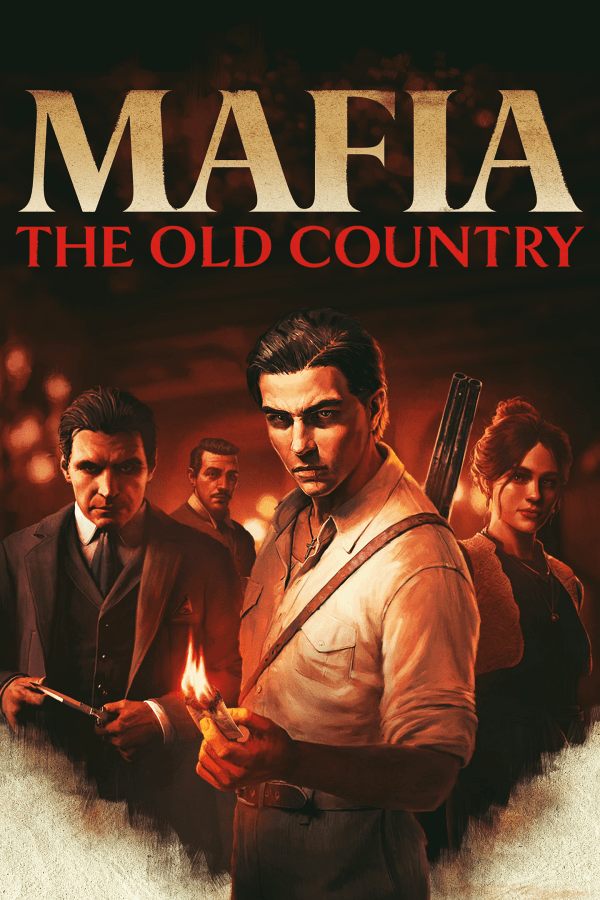
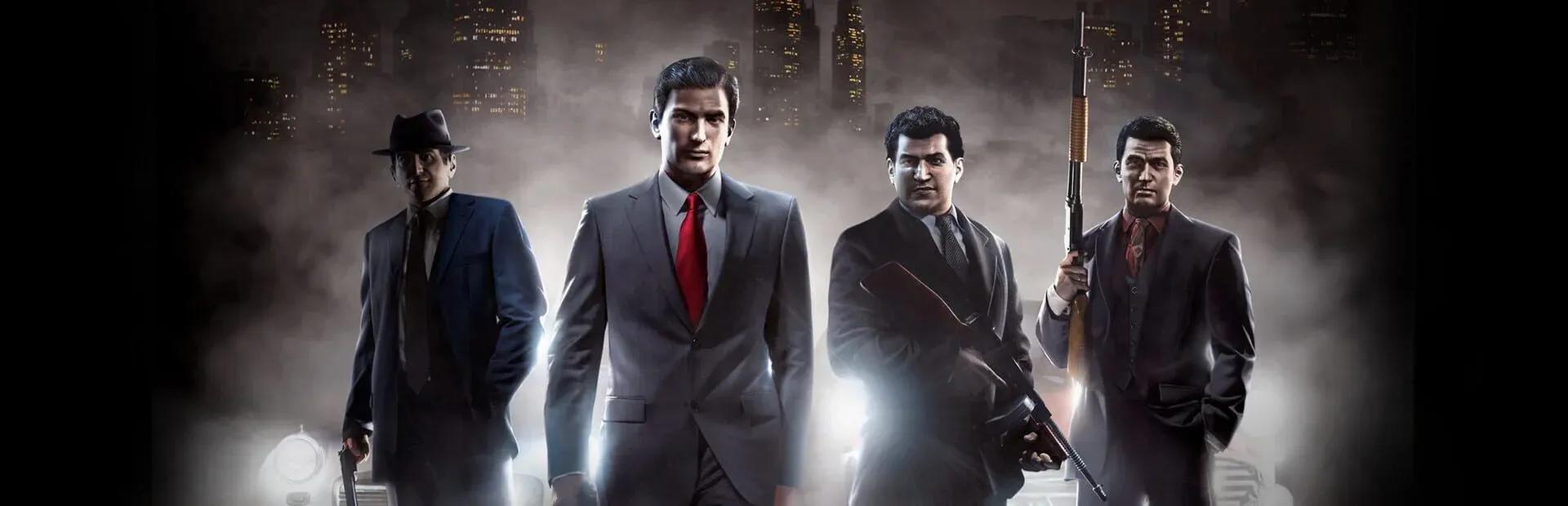
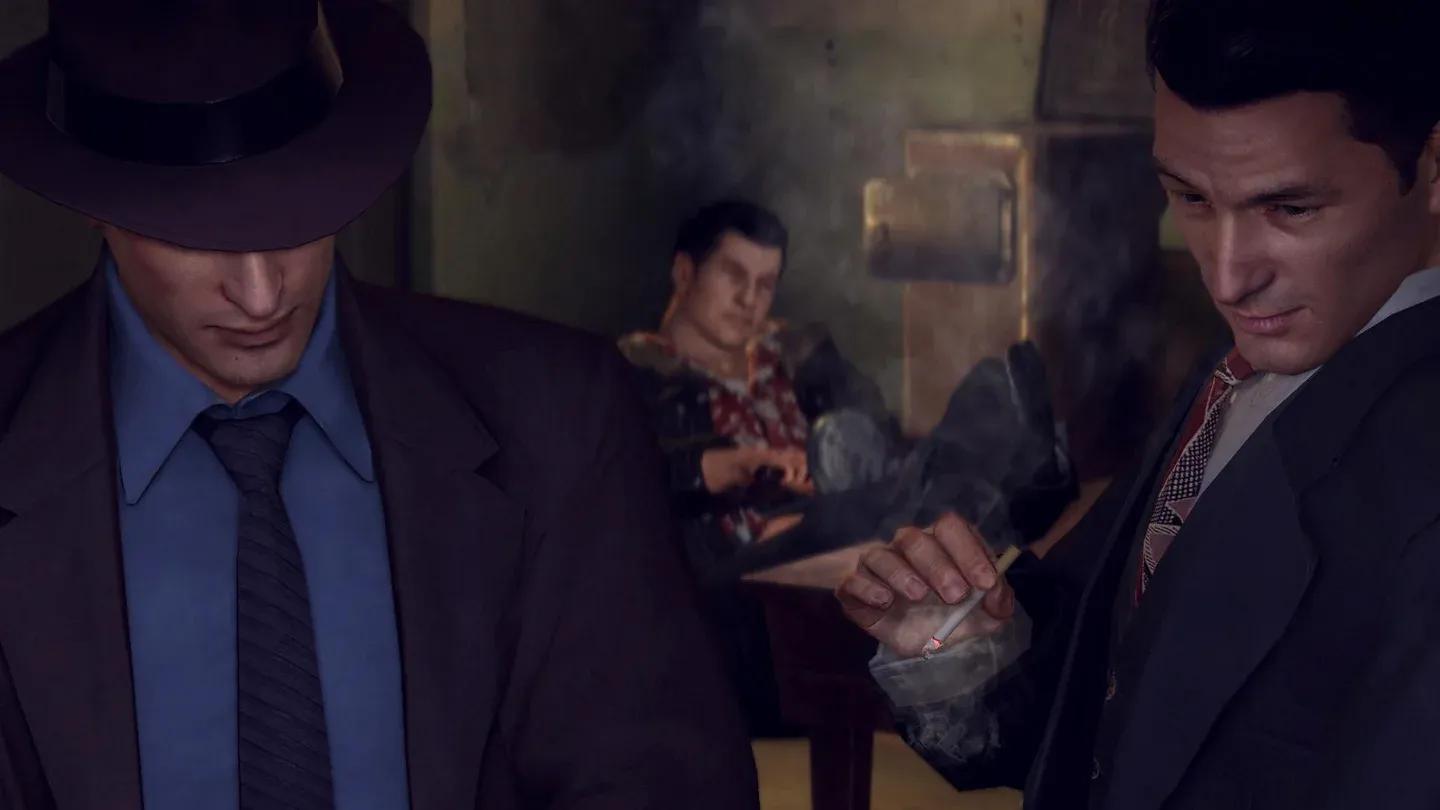
Mafia II is a third-person action-adventure game developed by 2K Czech, set in the fictional American city of Empire Bay across two distinct time periods: 1945 and 1951. Players follow Vito Scaletta, a Sicilian-American veteran who trades a prison sentence for military service, returns home to find his family buried in debt, and gradually climbs the ranks of the city's organized crime families. The story moves at a cinematic pace, drawing heavily from classic mob drama, and keeps the focus tightly on character relationships rather than open-world busywork.
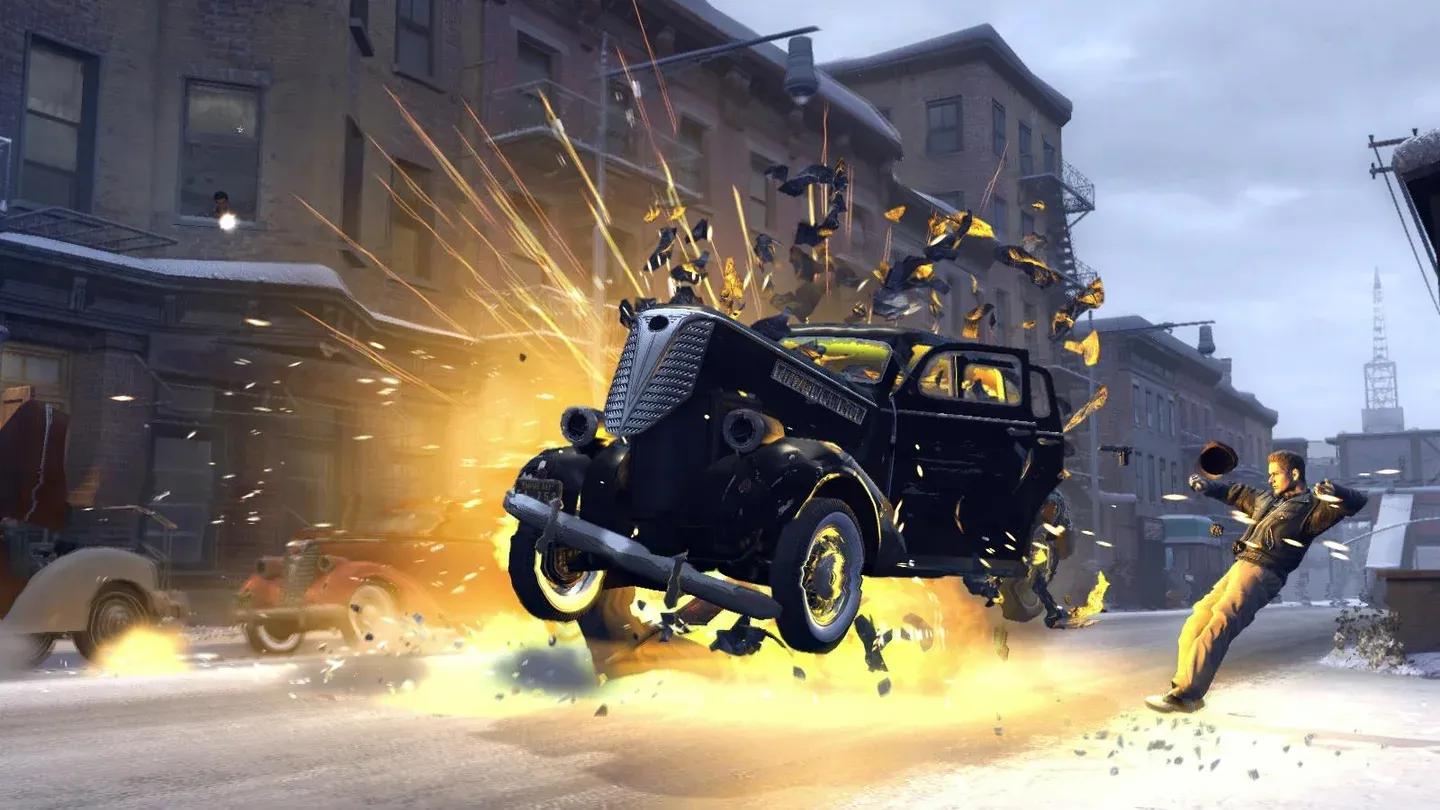
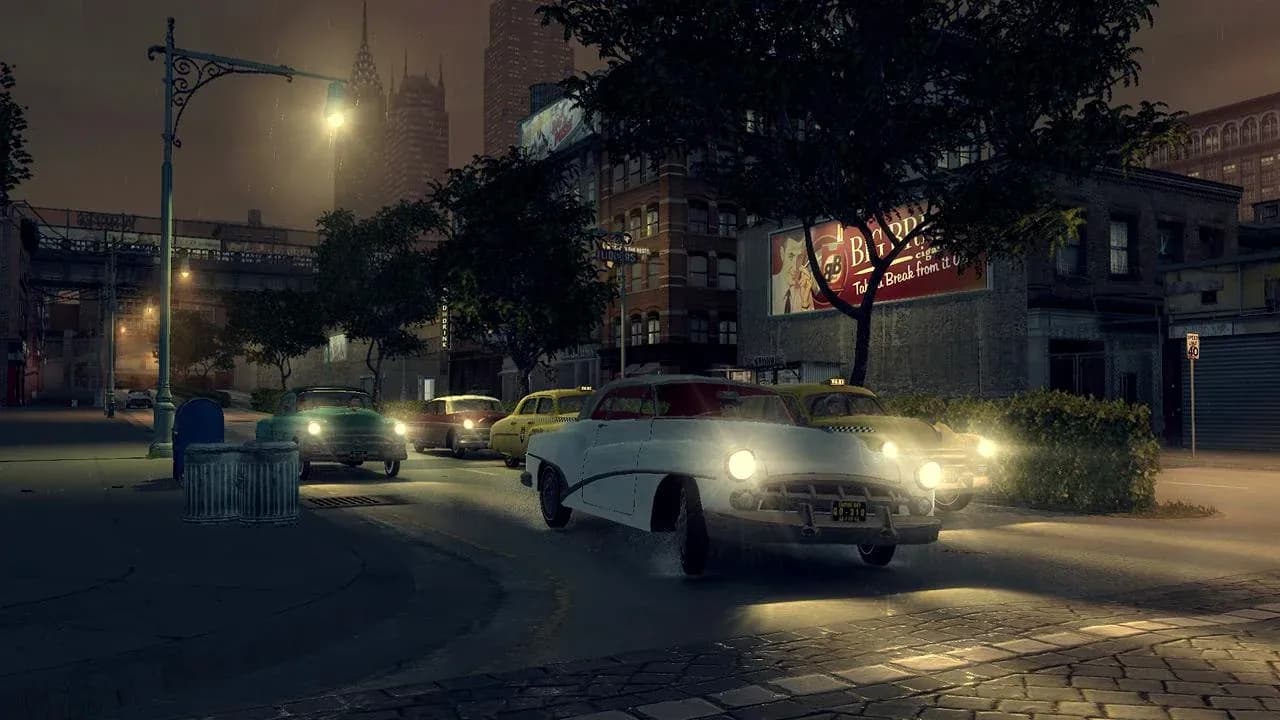
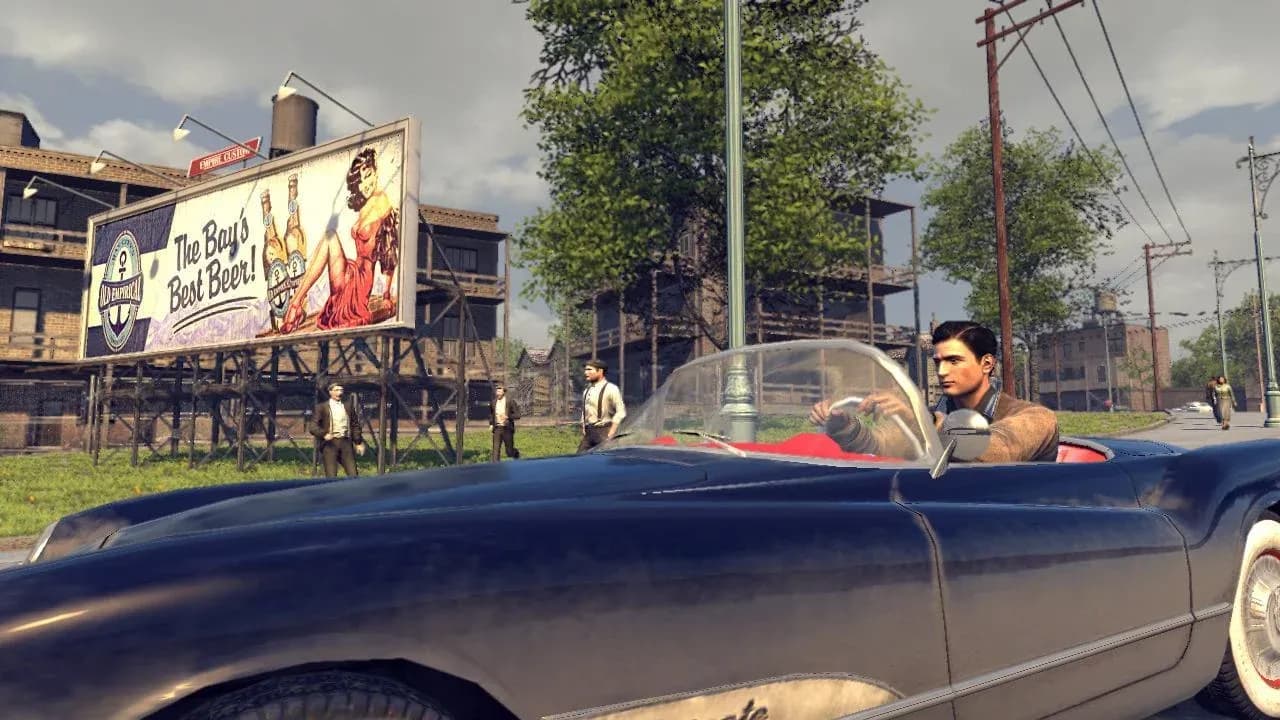
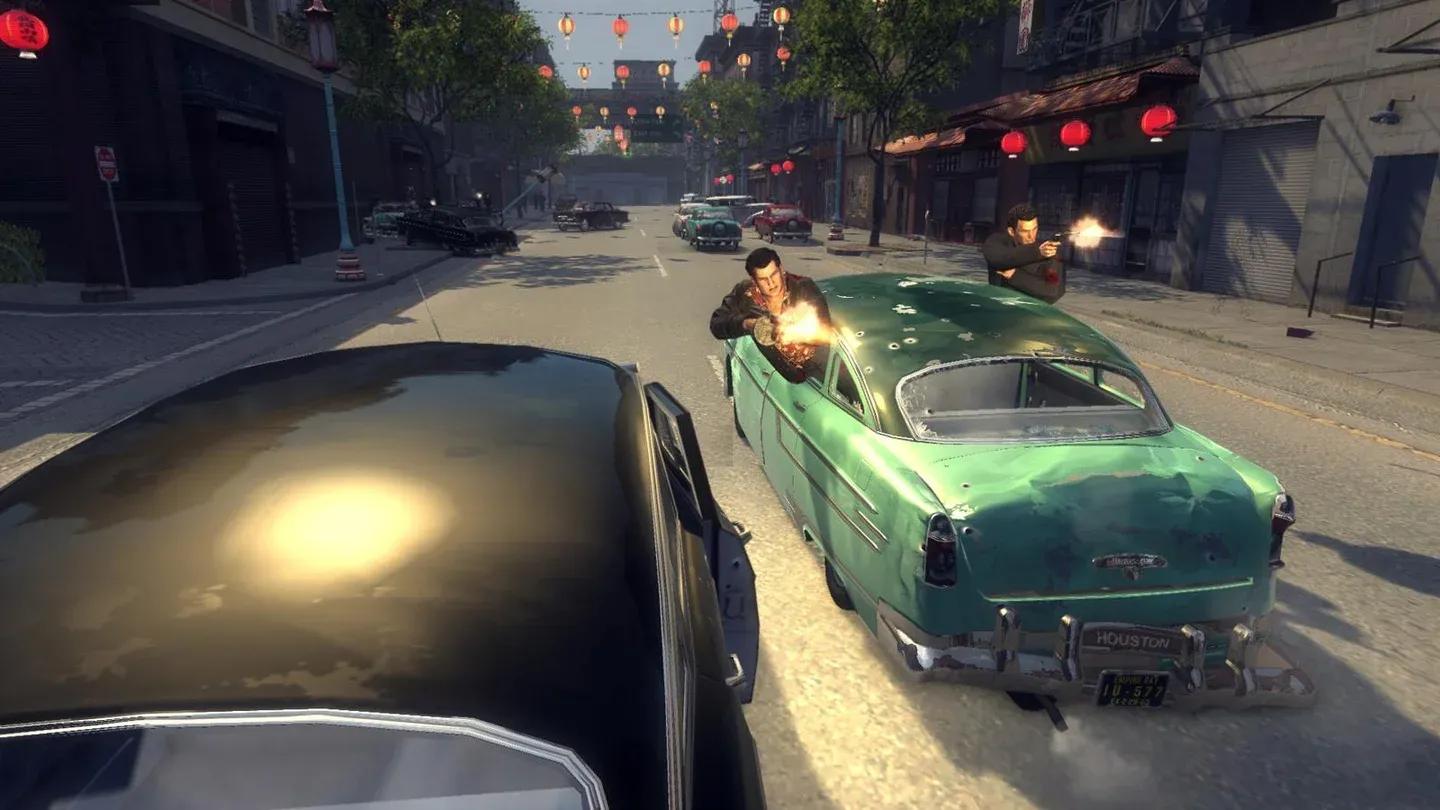
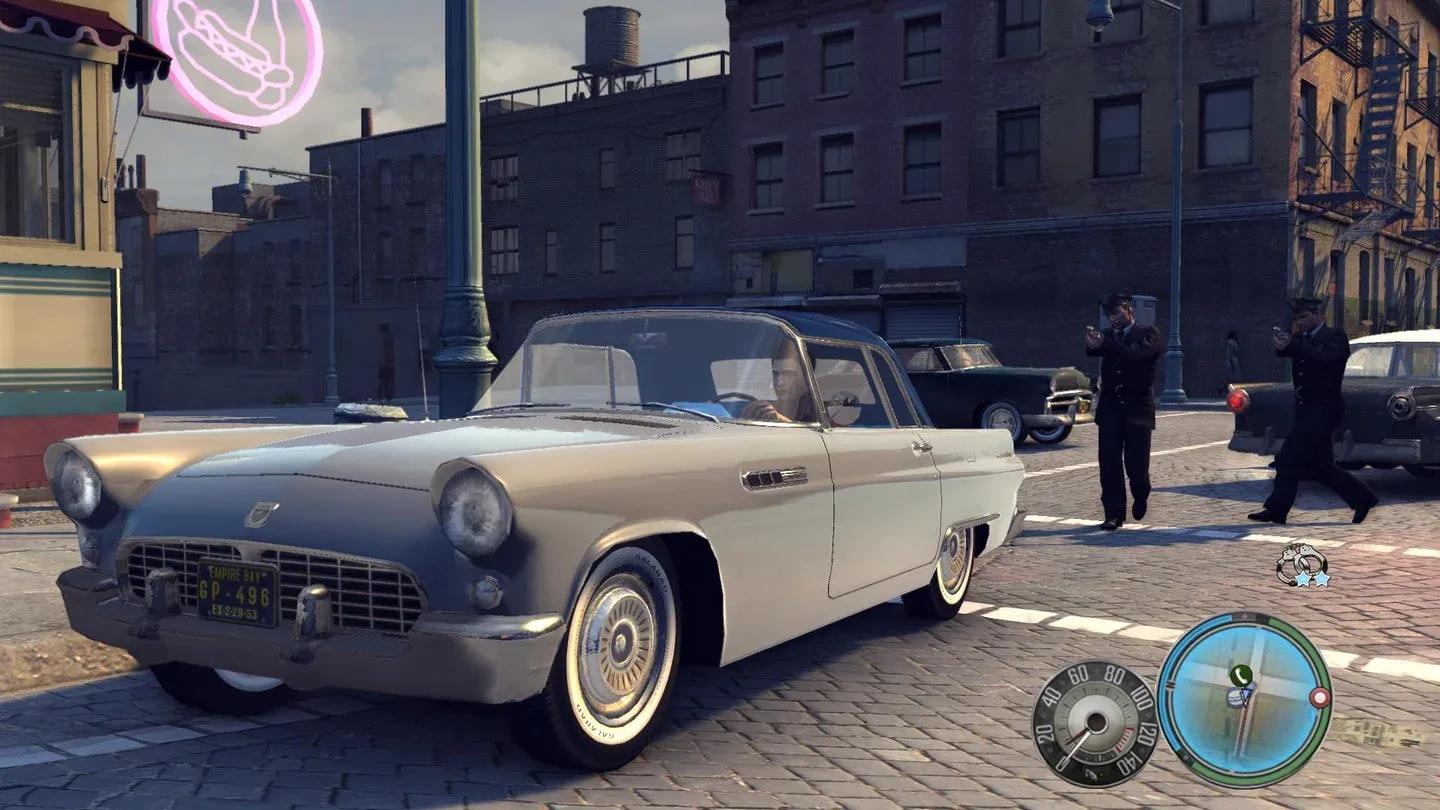
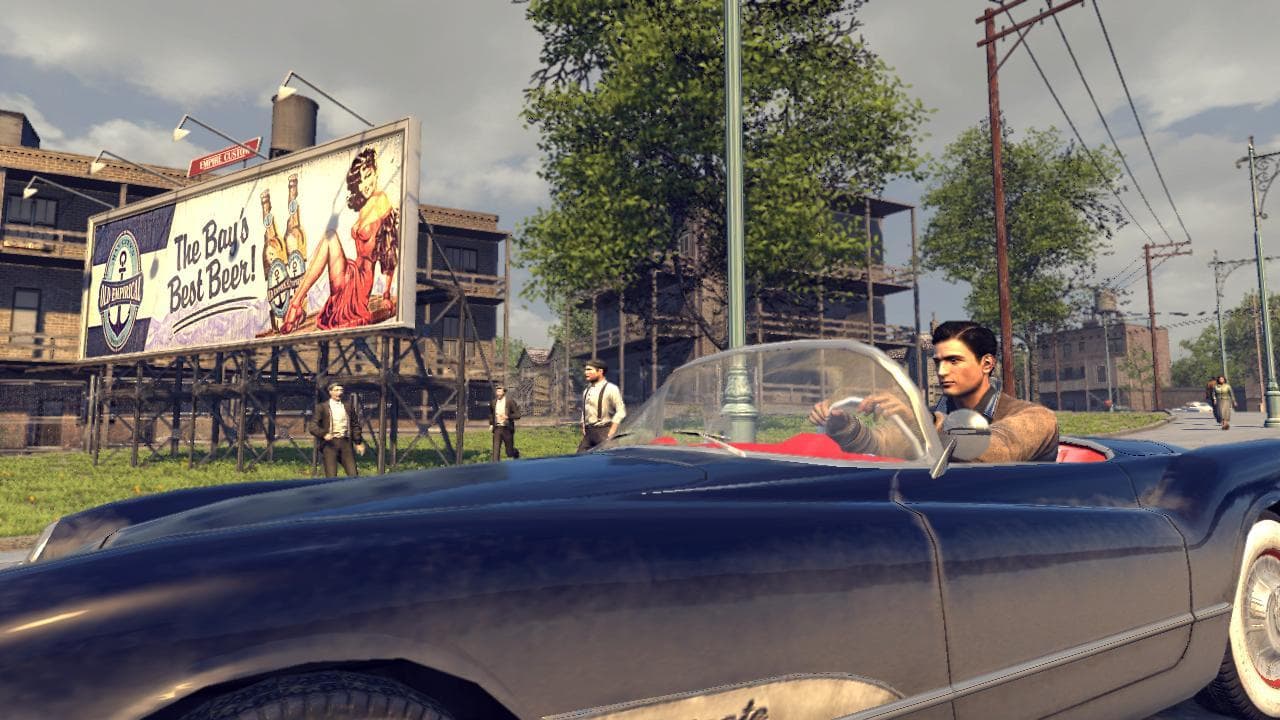
Empire Bay spans 10 square miles, rendered through 2K Czech's proprietary Illusion Engine. The city shifts visually as the story progresses, moving from post-war austerity into the optimistic chrome-and-neon aesthetic of the early 1950s. Architecture, clothing, and vehicles all reflect the era with real attention to detail. The open world serves primarily as atmosphere rather than a content sandbox, which is a deliberate design choice that keeps the narrative momentum intact.
Gameplay and mechanics
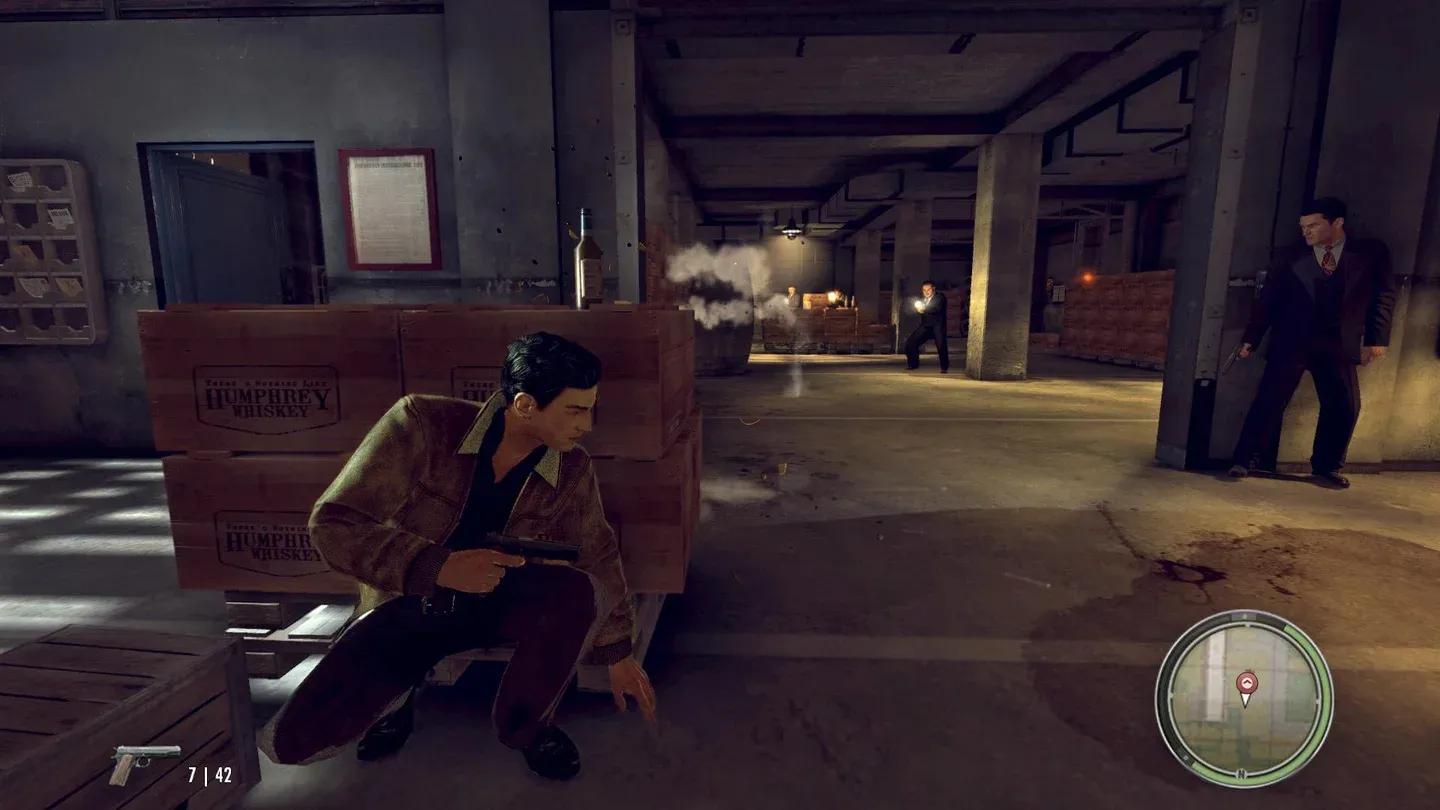
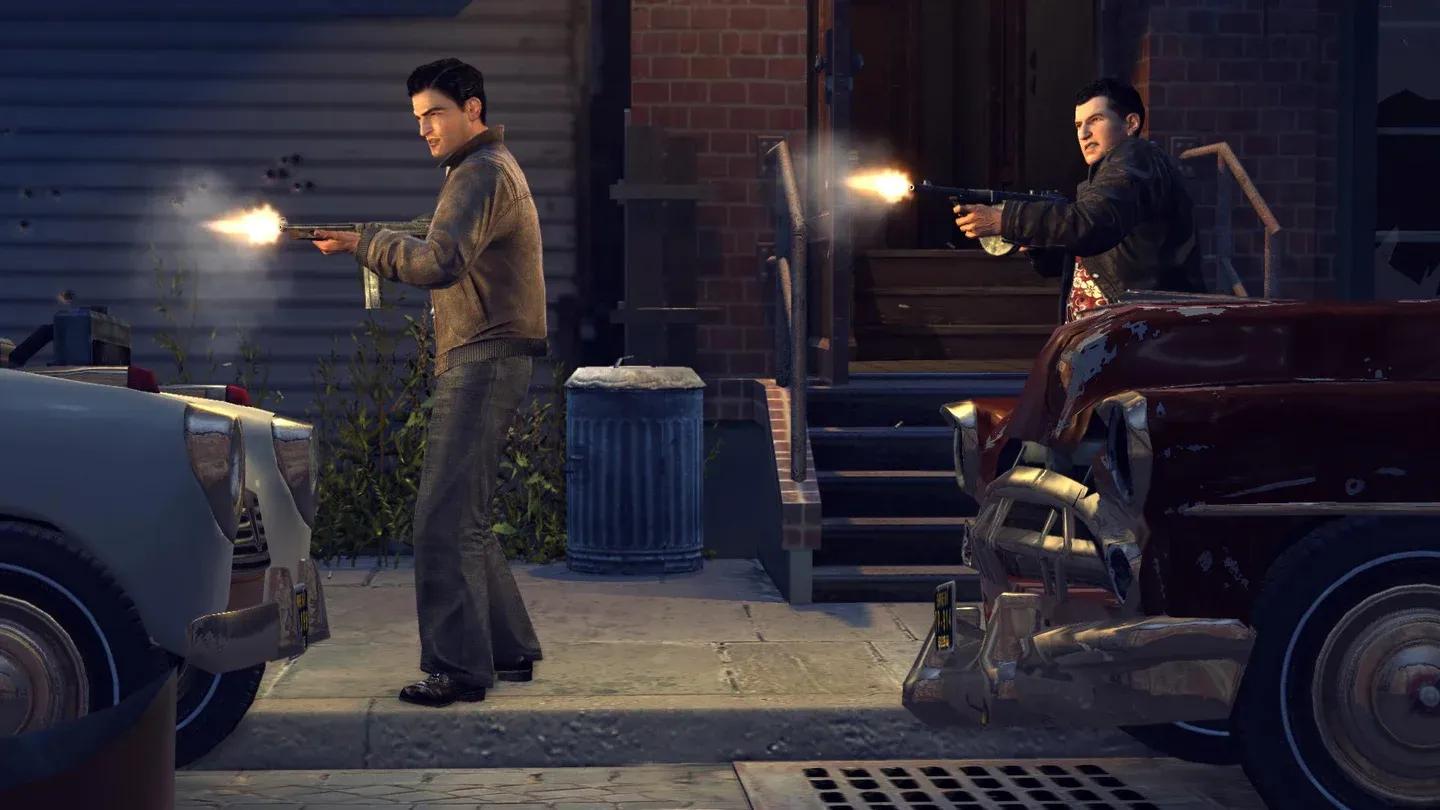
The core gameplay loop in Mafia II centers on cover-based shooting, driving, and occasional hand-to-hand combat. Gunplay feels grounded and deliberate rather than arcade-like, with period-appropriate weapons including the M1911 pistol and the Thompson submachine gun. Missions vary between shootouts, vehicle chases, and stealth-adjacent infiltrations, though gunfights make up the majority of the action.
Key mechanics include:
- Cover-based third-person shooting
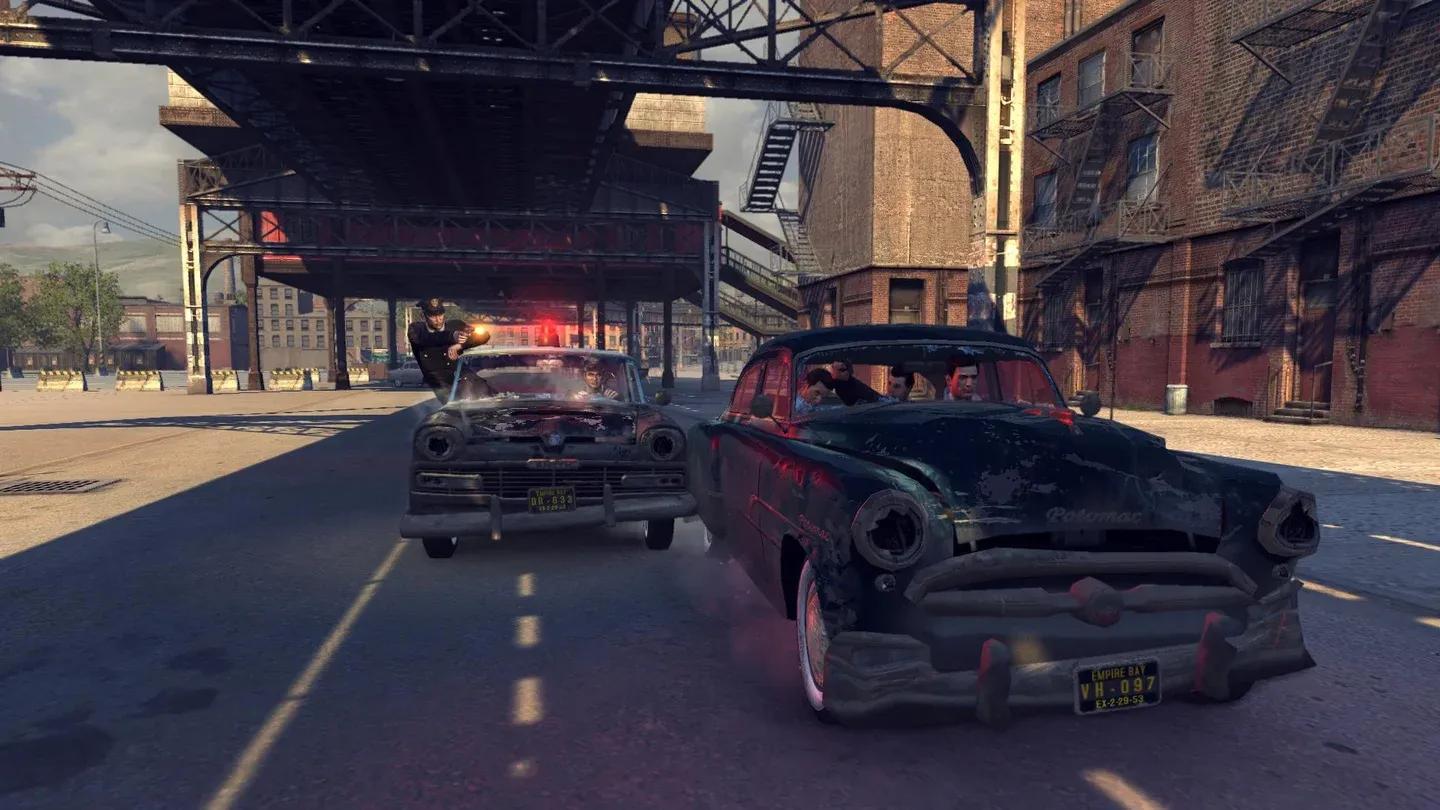
- Open-world driving with traffic laws and a wanted system
- Melee combat for close-quarters encounters
- Weapon and vehicle variety tied to the time period
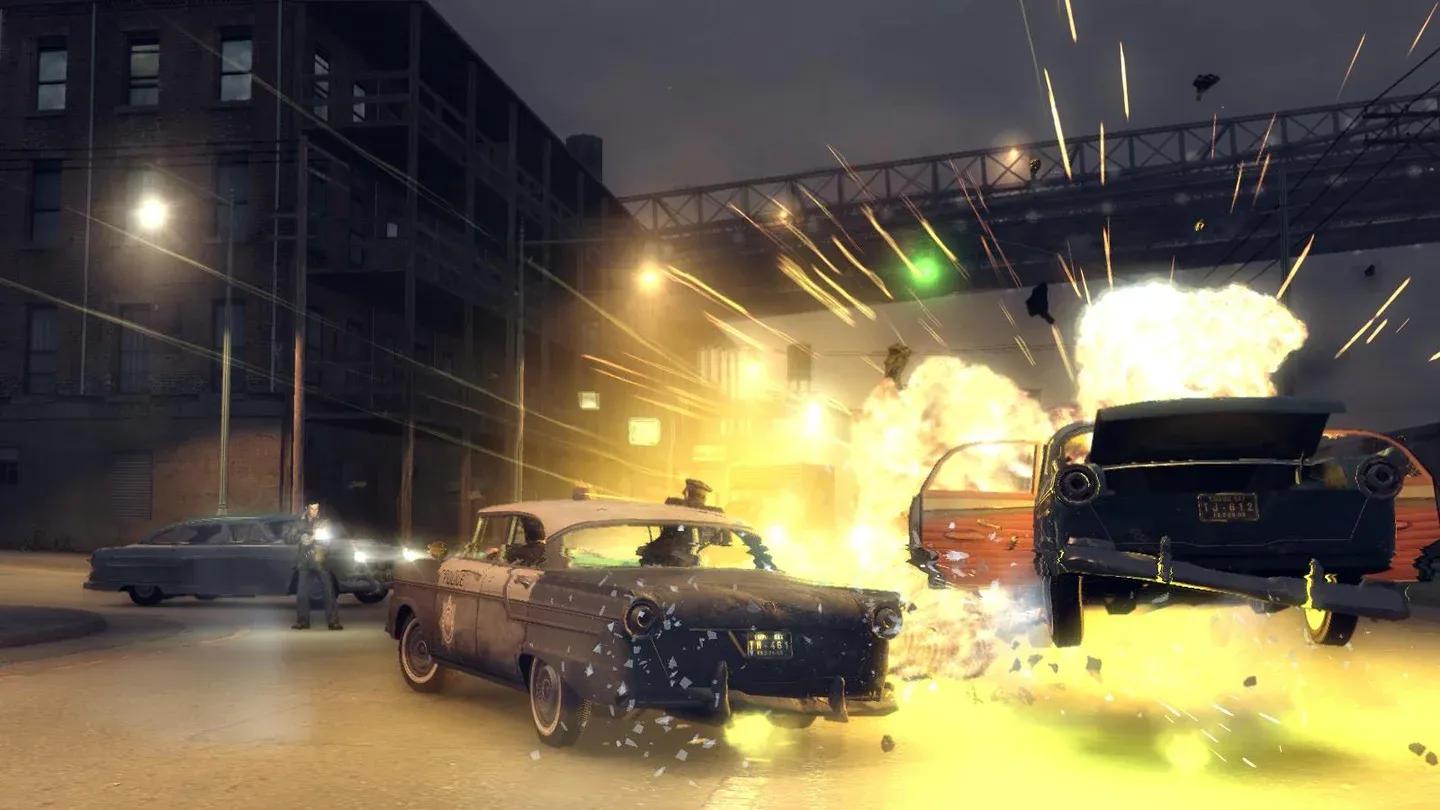
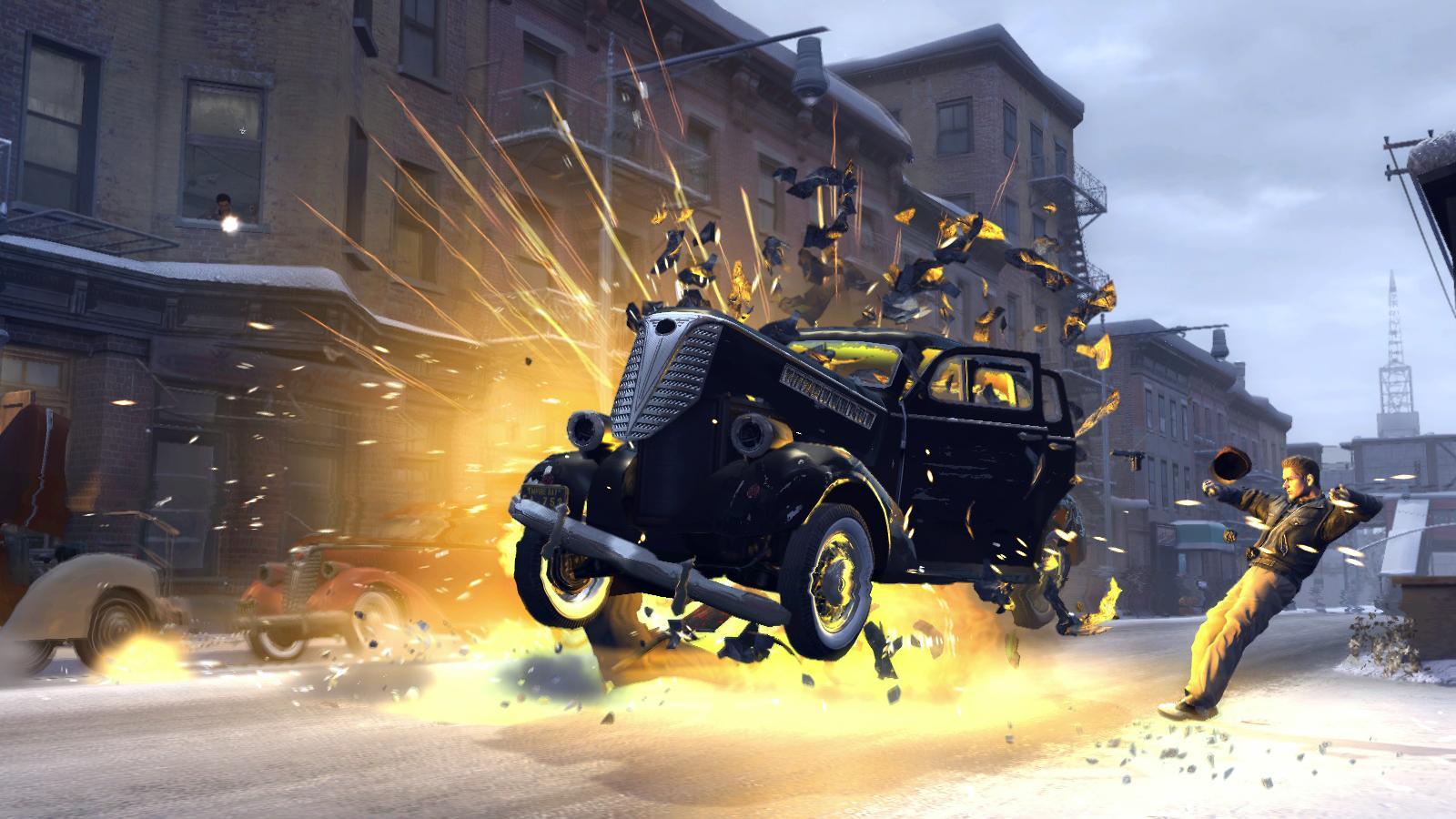
- A police response system that escalates with criminal activity
The wanted system is worth noting on its own. Law enforcement reacts dynamically to criminal behavior, and players can reduce heat by changing clothes or swapping vehicles. It adds a layer of tension to missions without becoming the main focus.
World and setting
Empire Bay in the 1940s and 1950s is one of the more convincing period recreations in open-world gaming. The city feels lived-in rather than decorative. Radio stations cycle through licensed tracks from artists like Chuck Berry, Muddy Waters, and Dean Martin, making even routine drives across the map feel purposeful. The music shifts with the era, reflecting the cultural transition from wartime America into the birth of rock and roll.
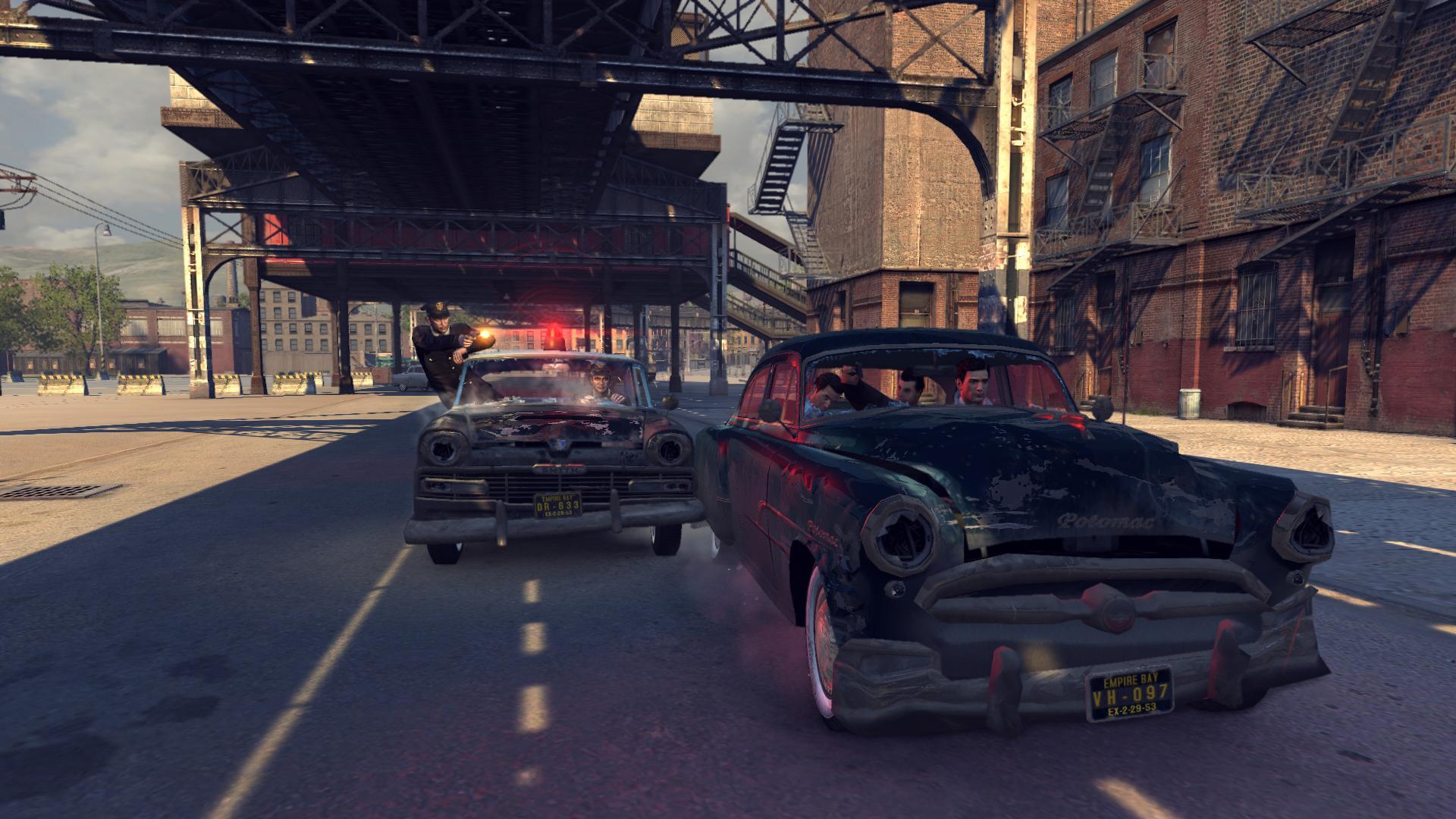
Vito's story is structured around three distinct phases of his life, and the city reflects each one. The grimy post-war streets of 1945 give way to a more prosperous, sharper-dressed Empire Bay by 1951. That visual and tonal progression reinforces the narrative without a single line of dialogue.
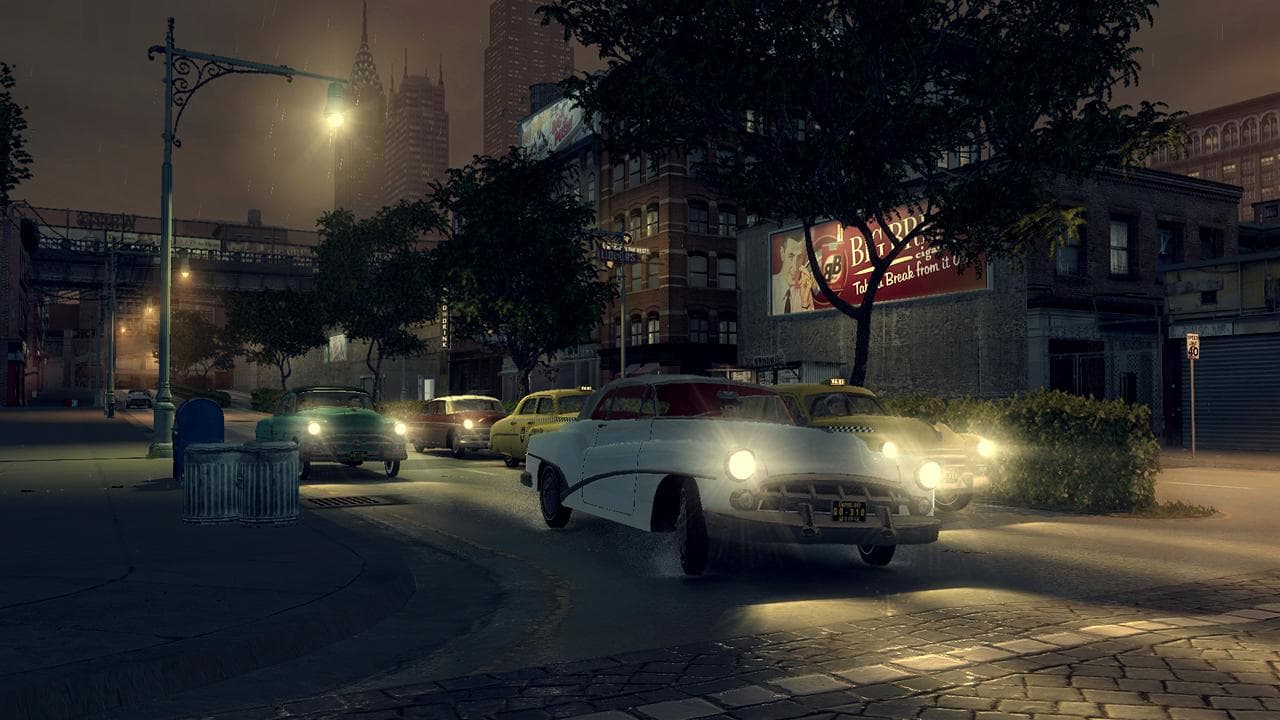
Epic gangster story: does Mafia II hold up narratively?
The short answer is yes. Mafia II commits to its story in a way that most open-world games avoid. Vito and his partner Joe Barbaro feel like fully realized characters rather than player avatars, and the supporting cast of mob bosses, fixers, and rivals adds genuine weight to the power dynamics at play. The story spans nearly a decade of Vito's life, moving through loyalty, betrayal, and consequence with a confidence that keeps the runtime tight.
The campaign does not pad itself with filler side content. Missions advance the plot directly, and the game ends when the story ends, which clocks in at roughly 10 to 12 hours depending on playstyle. That restraint is part of what makes the experience land.
System Requirements
| Requirement | Minimum | Recommended |
|---|---|---|
| Processor | Pentium D 3Ghz or AMD Athlon 64 X2 3600+ (Dual core) or higher | 2.4 GHz Quad Core processor |