Overview
Masters of Albion is a reimagining of the god game genre from 22Cans, the studio with deep roots in this style of play. Rather than guiding players down a prescribed path, the game constructs a sandbox of consequence where every decision, from urban planning to interpersonal conflict, carries weight. The world of Albion functions as a living system, one that responds dynamically to the choices its all-powerful overseer makes across every layer of civilization.
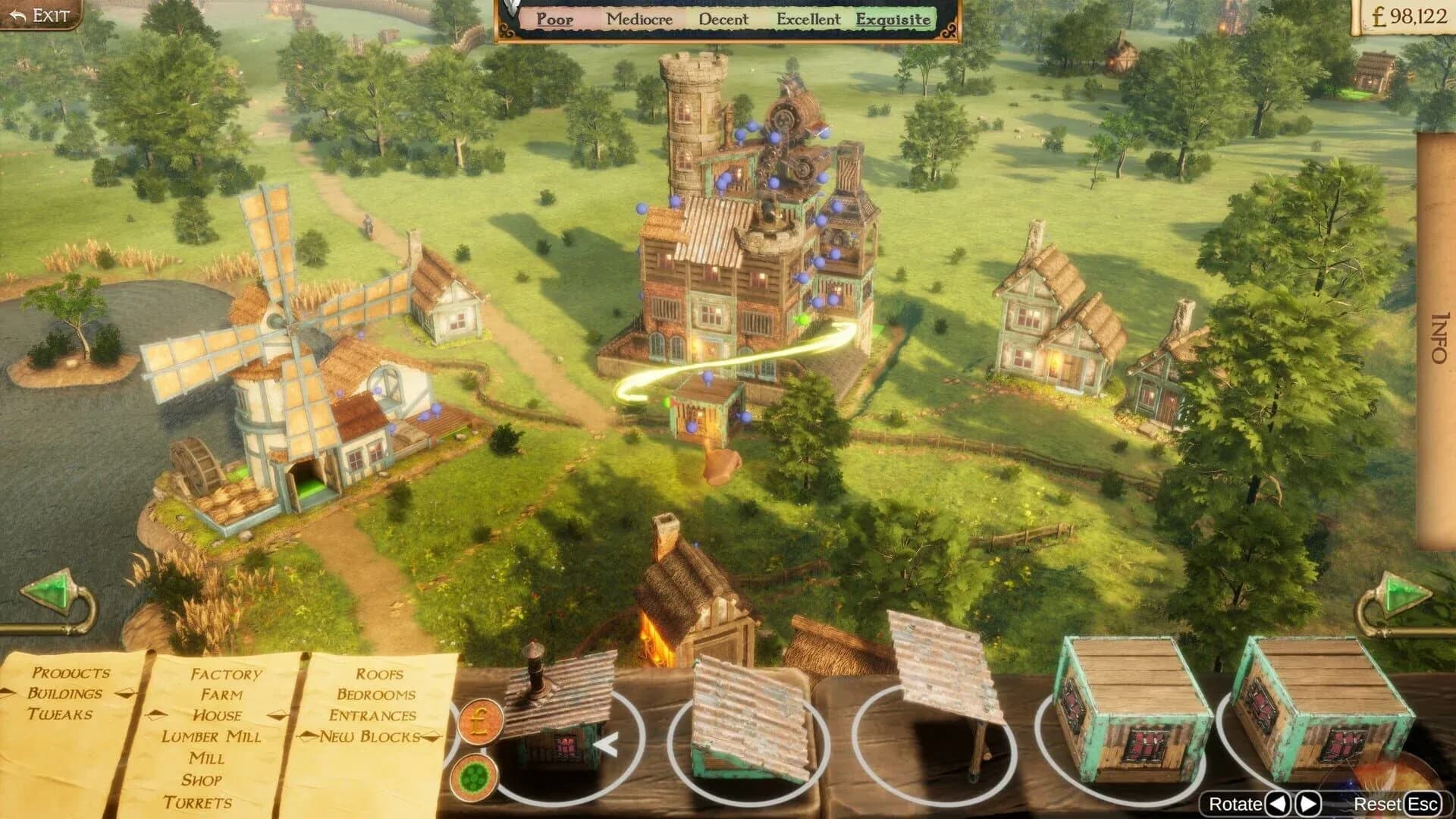
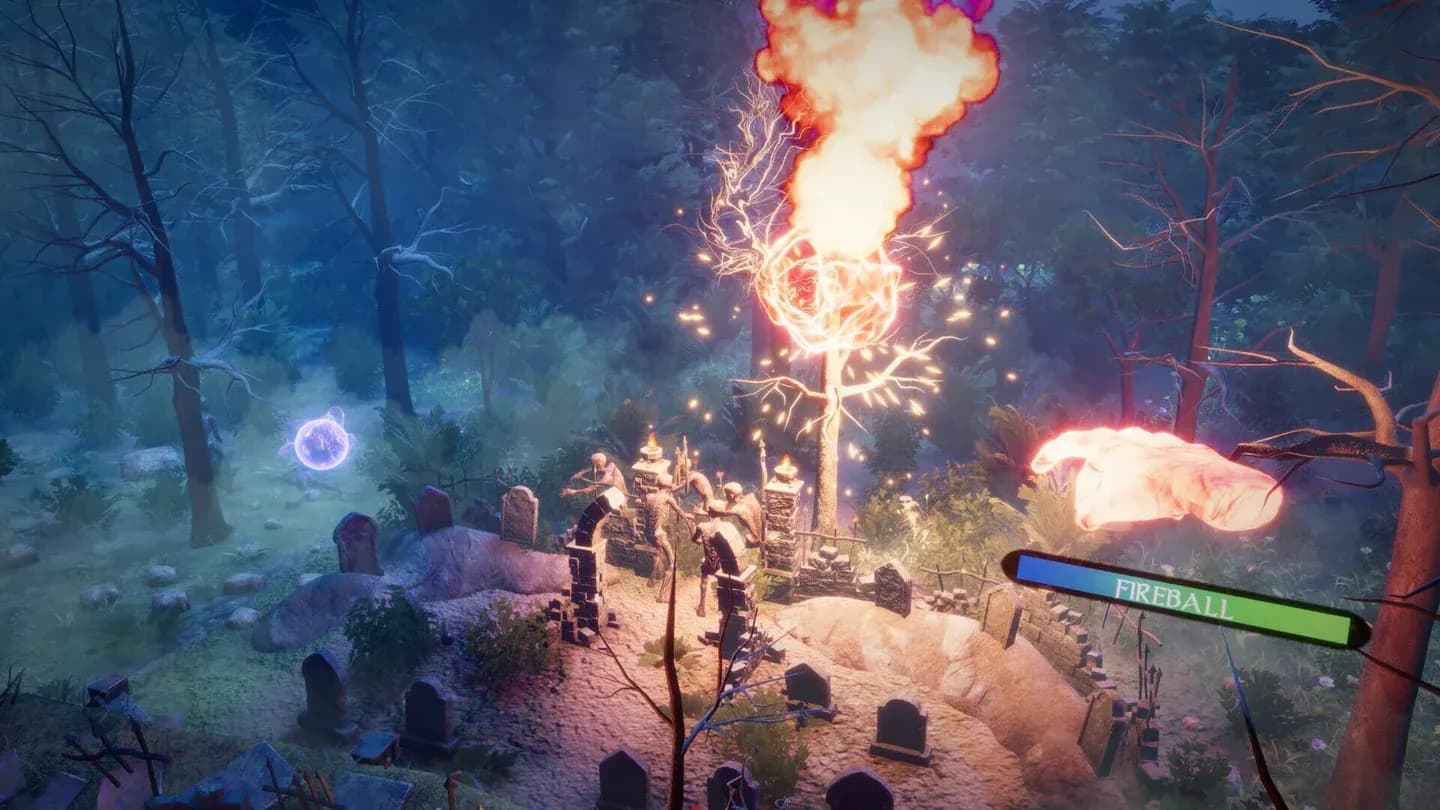
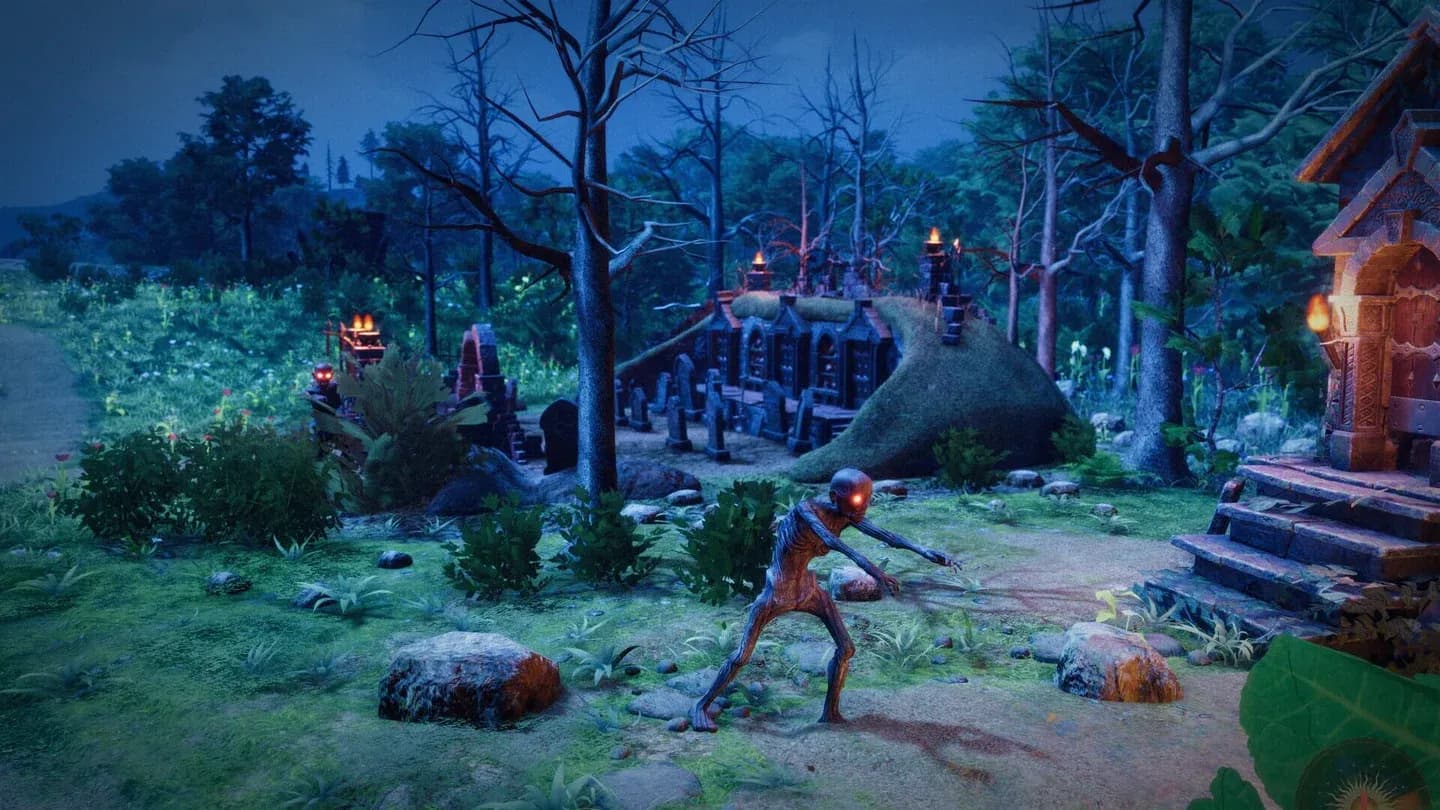
At its core, Masters of Albion operates on a day-night rhythm that fundamentally shapes how players engage with the world. Daytime invites construction, customization, and the careful management of a growing society. Night shifts the tone entirely, introducing conflict and the need to defend or dominate what has been built. This duality gives the simulation loop a natural tension that keeps the experience from settling into routine.
What makes the design philosophy particularly distinctive is the refusal to offer a singular correct approach. The game presents its systems openly and trusts players to find their own logic within them. Whether you build sprawling communities or lean into more aggressive strategies, the world accommodates the intent behind each decision.
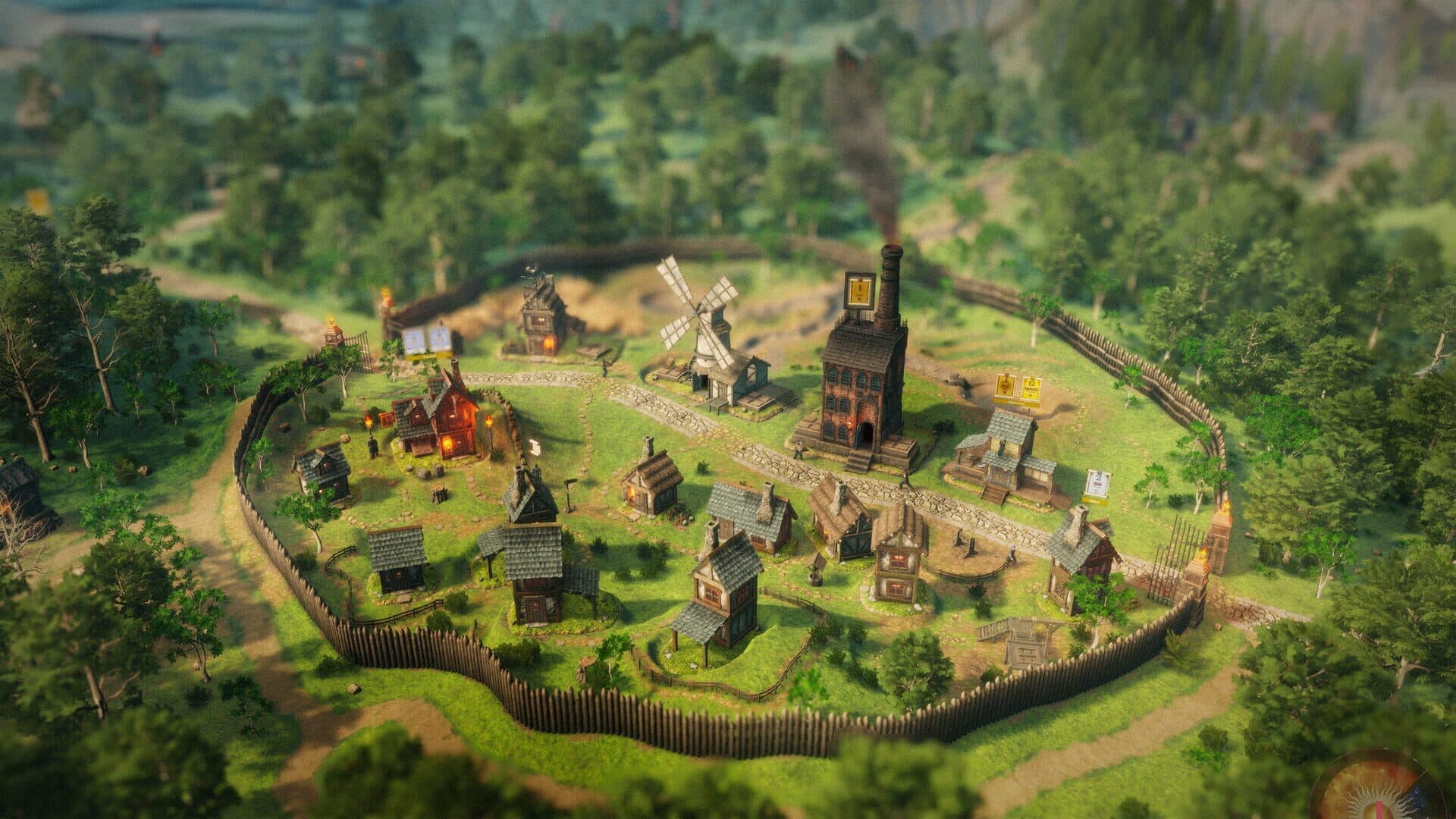
What Kind of God Will You Be?
Masters of Albion answers this question by putting an extraordinary range of tools at the player's disposal. The possession mechanic stands out as one of the most inventive features in the design: players can inhabit individual characters at will, shifting from the macro perspective of a world-builder to the ground-level view of a single villager, soldier, or craftsperson. This fluidity between scales is rare in the simulation-strategy genre and adds a layer of immediacy that top-down management games rarely achieve.
Key systems confirmed in the game include:
- Full construction and world customization
- Character possession at will
- Day-and-night gameplay loop with distinct phases
- Control over food, clothing, weapons, and housing
- Freedom to hire, command, or eliminate characters
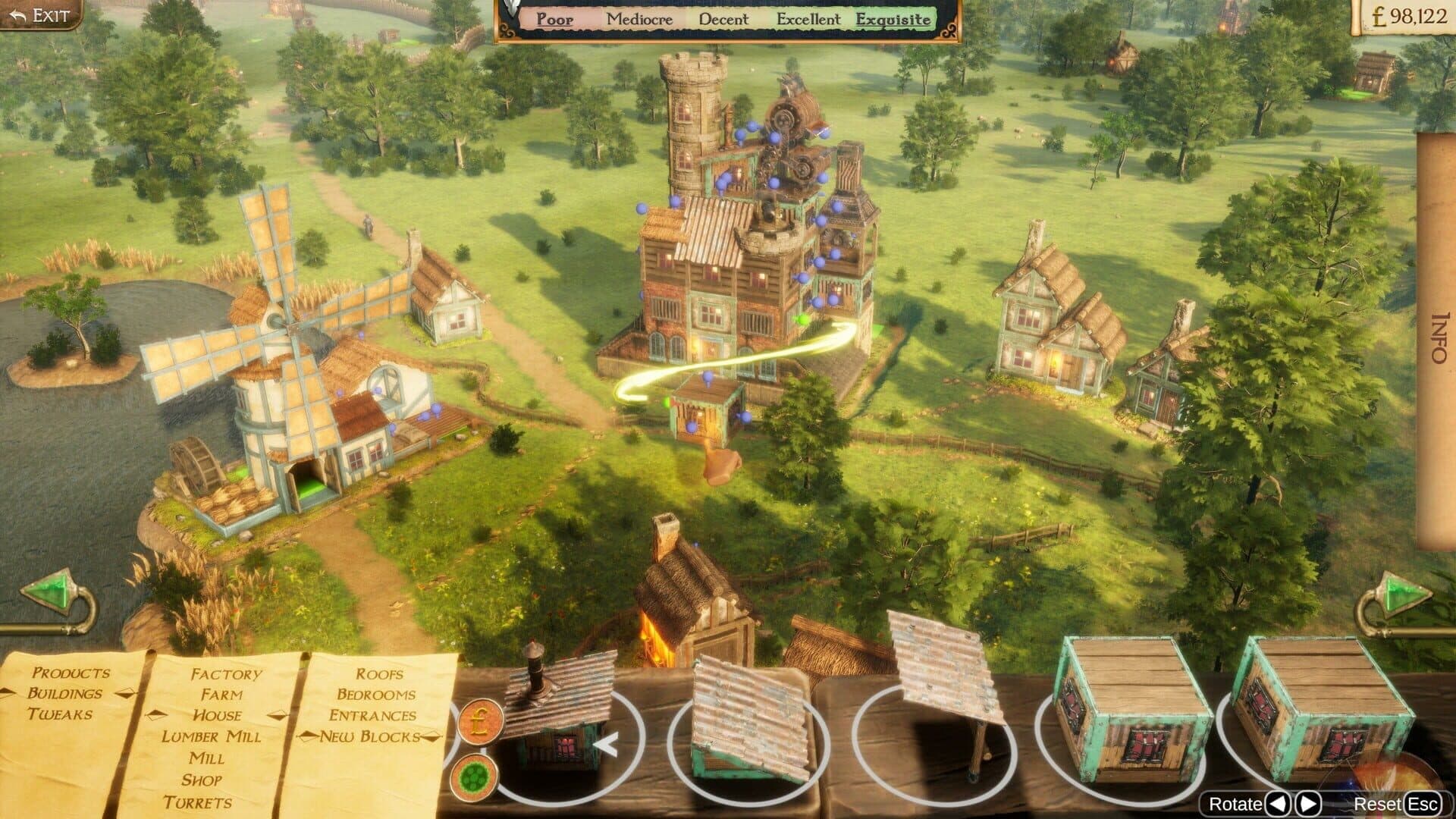
The depth of customization extends across the fabric of daily life in Albion. Players shape not just the physical landscape but the material culture of their civilization, determining what people eat, wear, and carry into battle. This granular level of control reinforces the god game fantasy in a way that feels meaningful rather than cosmetic.
Innovation and Unique Features
The possession mechanic is the clearest signal that Masters of Albion is not simply a traditional city-builder with a new coat of paint. Dropping into the perspective of a single inhabitant transforms the relationship between player and world, making the consequences of high-level decisions feel tangible and immediate.
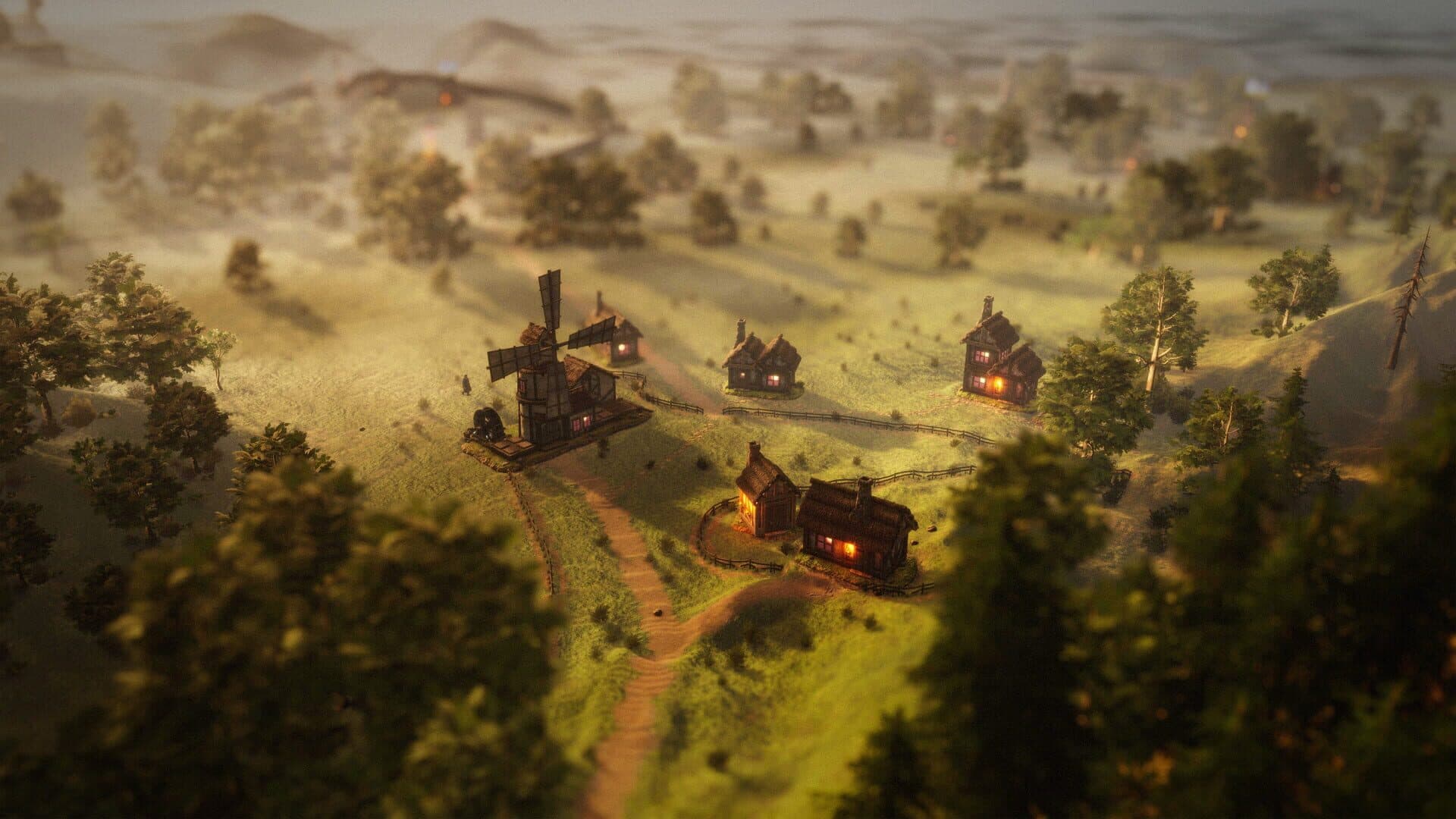
The game also commits to a philosophy of open-ended play that resists guiding players toward optimal strategies. This design choice places significant creative responsibility on the player, which is precisely the point. The absence of a prescribed solution means that two players can build radically different worlds from the same starting point, and both outcomes are equally valid within the game's systems.
World and Setting
Albion serves as more than a backdrop. It functions as a reactive environment shaped entirely by the player's decisions. The name carries weight for anyone familiar with the history of the god game genre, and 22Cans leans into that mythology without being beholden to it. The world feels grounded in a kind of mythic medieval atmosphere, one where the fantastical and the functional coexist naturally.
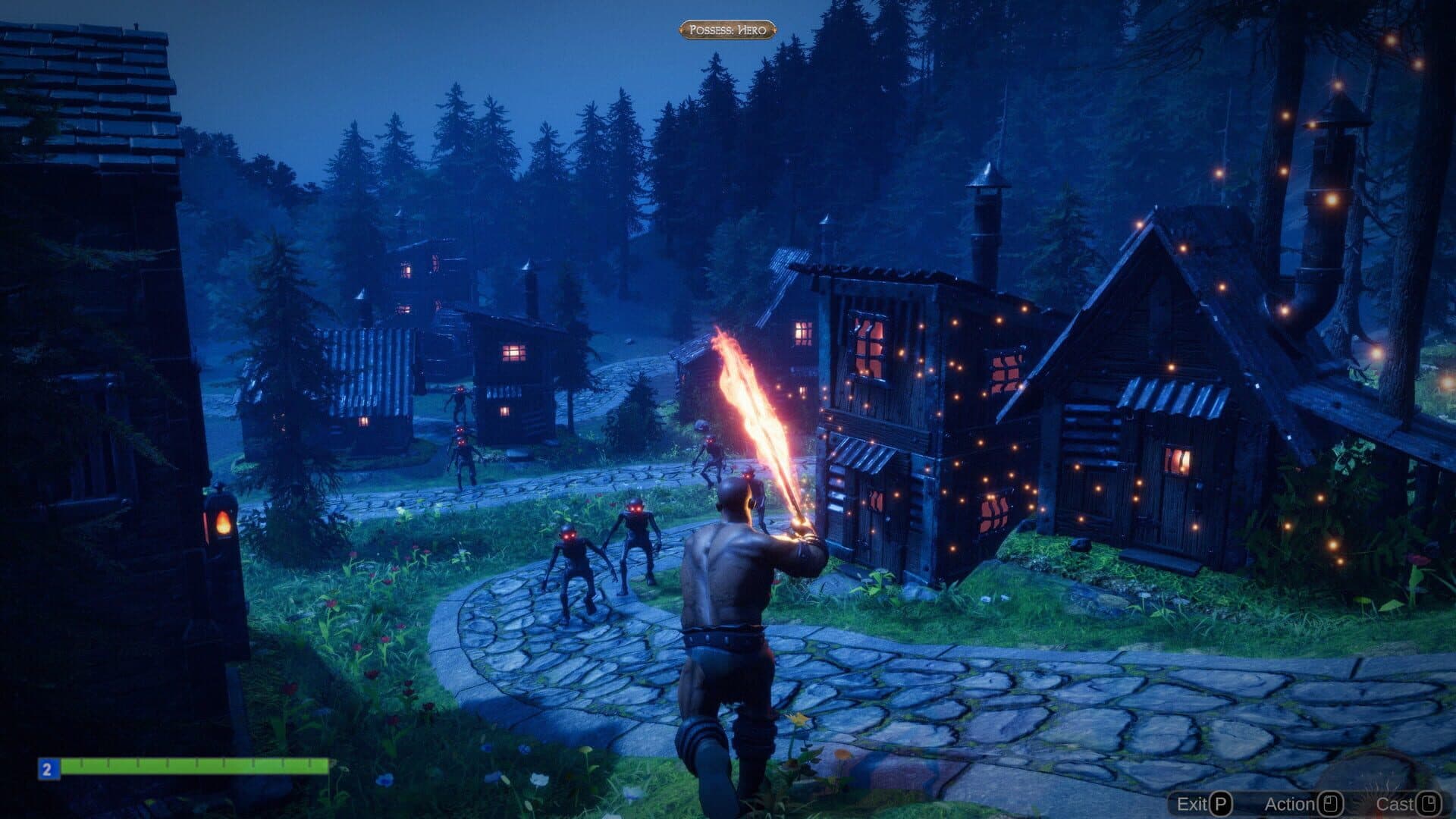
The day-and-night structure gives Albion a sense of rhythm and life that purely systemic games can sometimes lack. Watching a settlement wake up, work, and then face the dangers of darkness creates an emotional investment that pure strategy rarely generates on its own.
Conclusion
Masters of Albion presents a compelling case for the god game as a genre with genuine creative depth. By combining simulation-strategy mechanics with the intimacy of character possession and a commitment to player-driven outcomes, 22Cans has constructed an experience that resists easy categorization. The freedom to build, command, and inhabit a living world at every scale is the game's defining proposition, and it is one that should resonate strongly with players who have always wanted their simulated civilizations to feel genuinely their own.