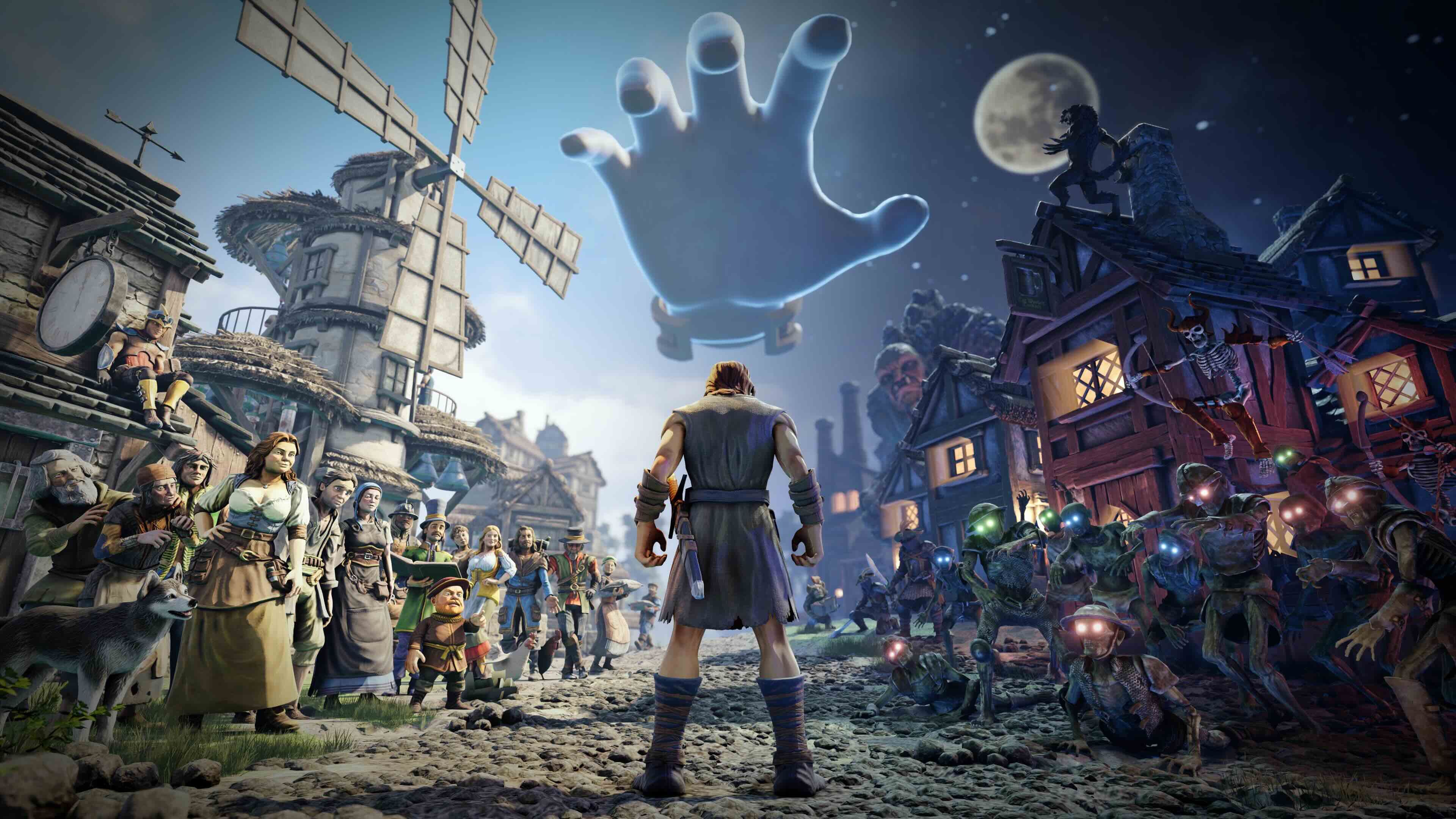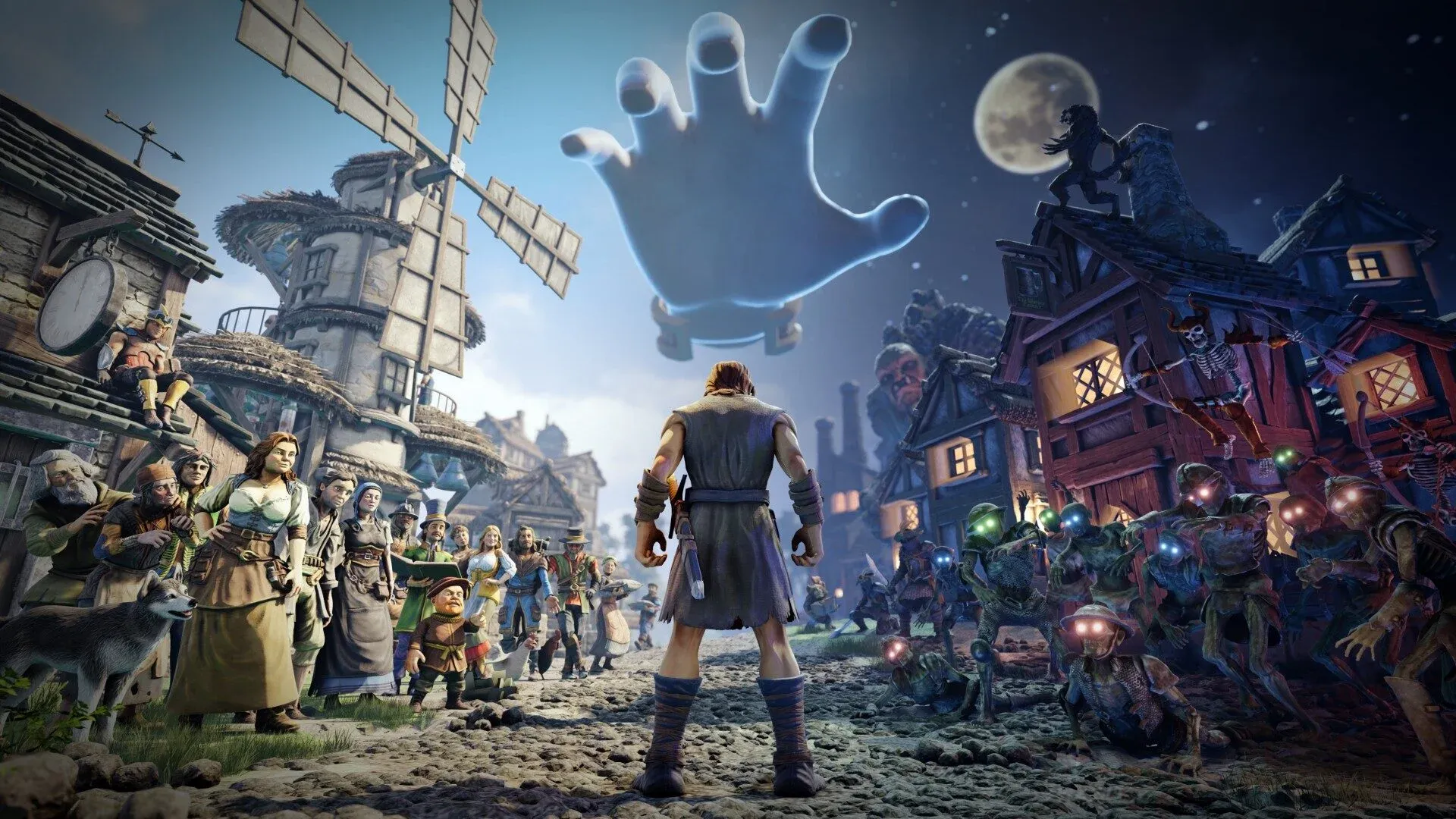

Masters of Albion is a god-style town-builder from Peter Molyneux and 22cans that splits every session into two distinct phases: a freeform day period where you shape Albion however you want, and a night phase that stress-tests every decision you just made. There are no rigid progression gates forcing you down a specific path. You build, you tinker, and then you find out exactly how wrong your assumptions were when the monsters arrive.
What actually is Masters of Albion?
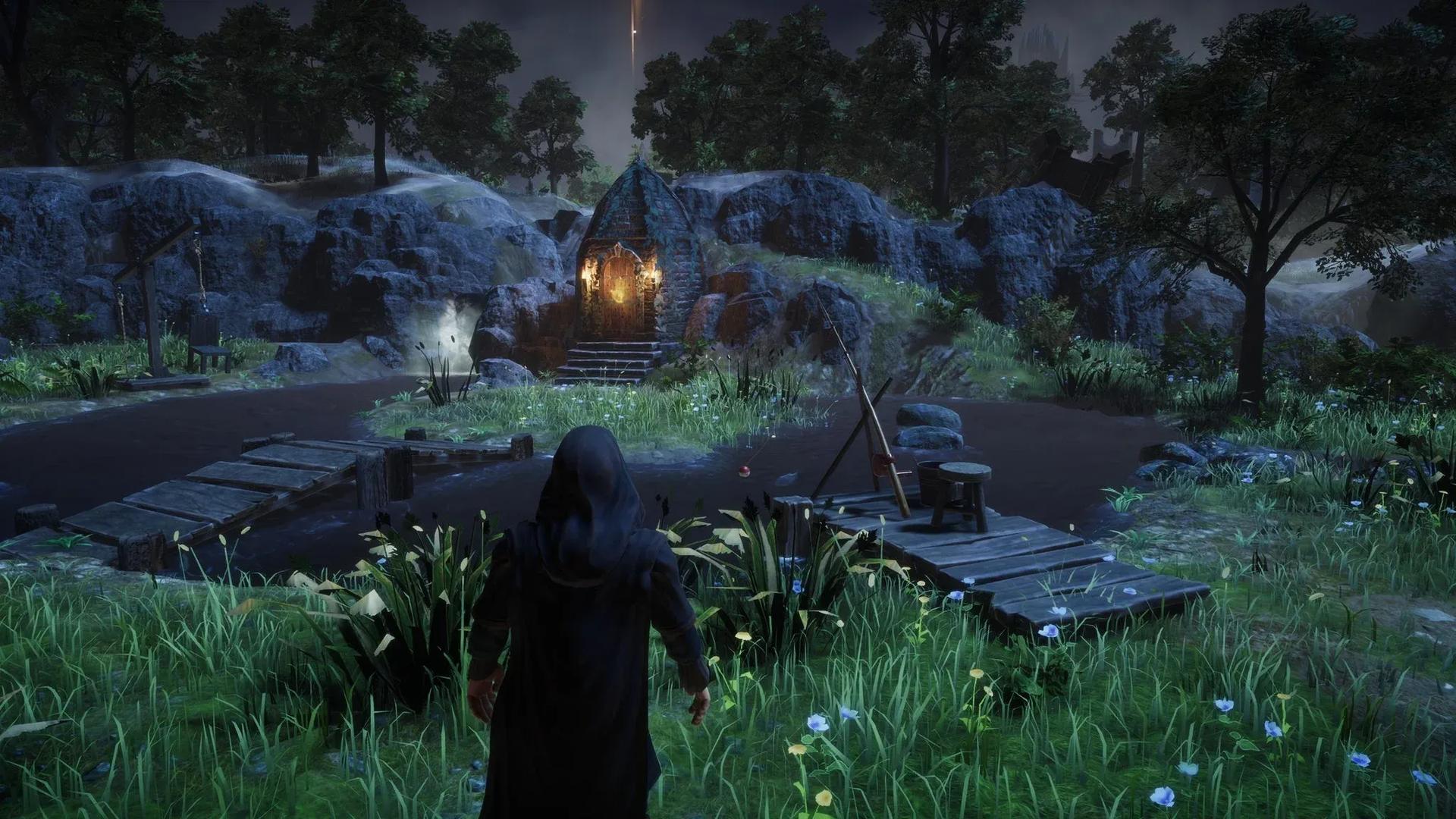
Masters of Albion sits at the intersection of god-game and survival town-builder. You receive a slice of the mythical world of Albion to shape from the ground up. The building system lets you route resources, place roads, establish trade flows, and dictate how communities function at a granular level.
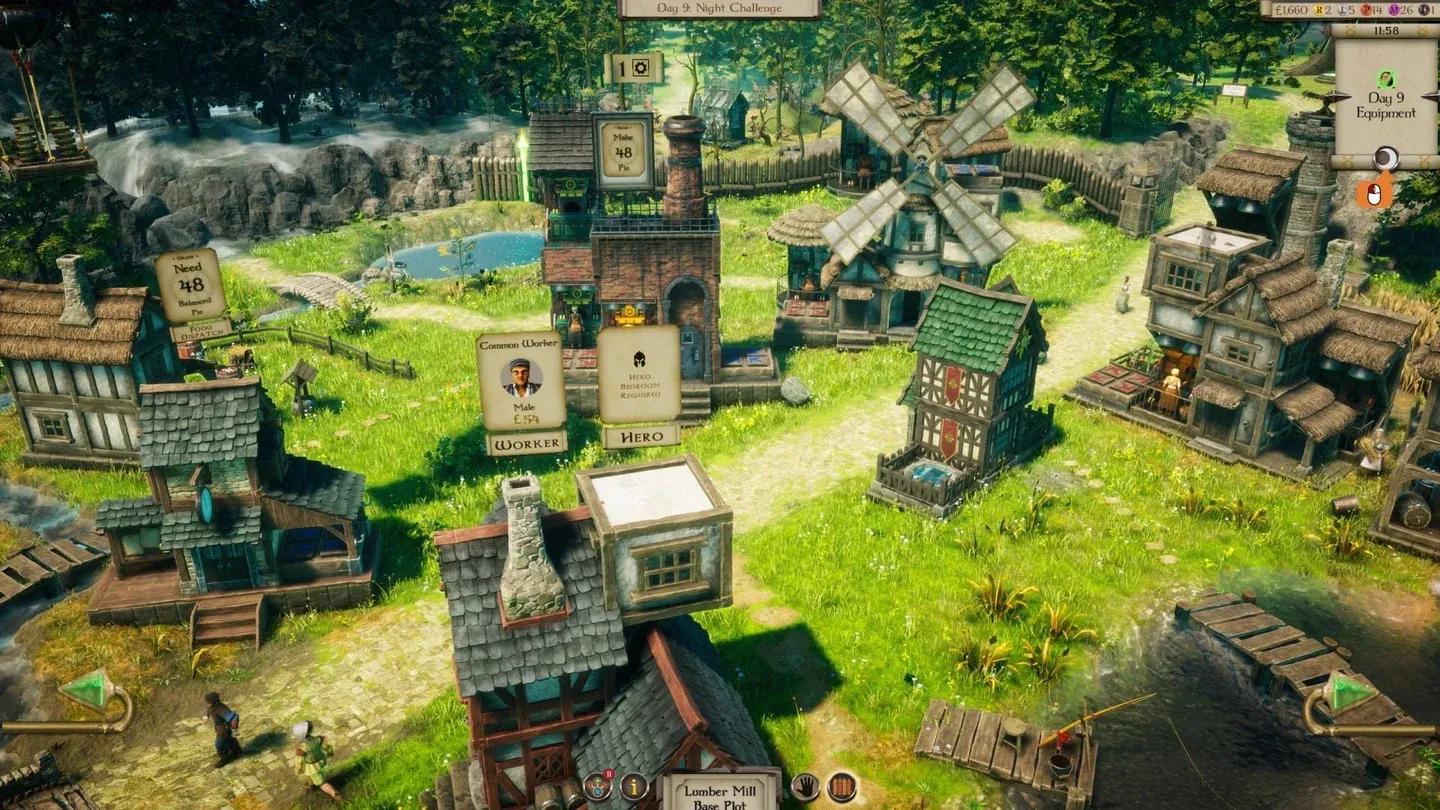
Road and resource routing view
The day phase operates as a sandbox where experimentation is the point. The night phase becomes a live consequence engine: waves of monsters push into your settlement, and how well your defenses, supply lines, and micro-economy hold up determines whether your town survives. The night phase functions as a live stress test of your town-sim design rather than a separate combat mode bolted on top.
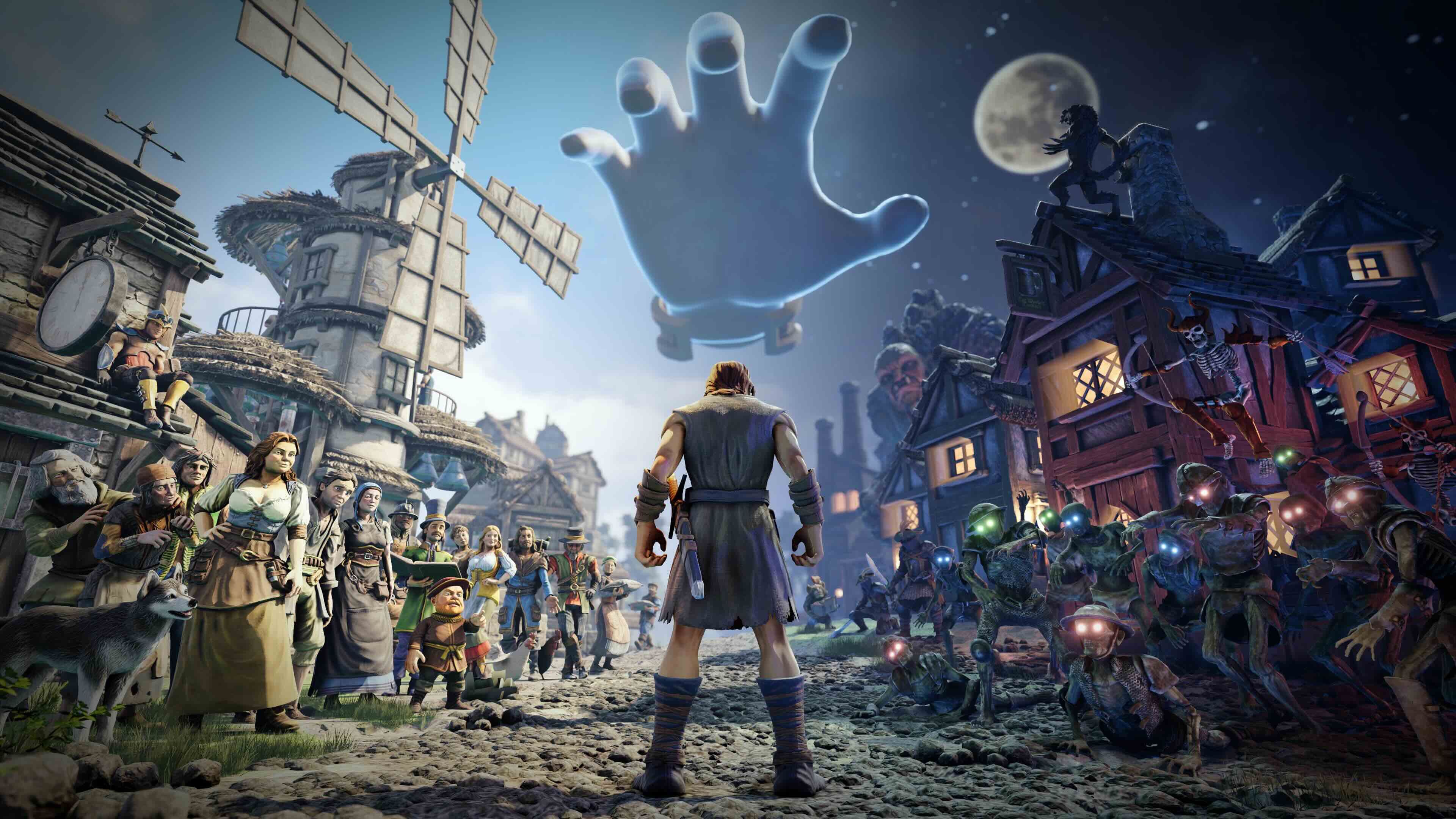
Molyneux and 22cans describe the design philosophy as a "God Hand" experience, where you act less like a strict ruler and more like a chaotic architect free to zoom, tweak, and improvise. That framing matters because it tells you exactly how to approach the game: stop trying to optimize a single correct solution and start treating the whole thing as an evolving experiment.

How does the day-phase sandbox work?
The day phase is where the majority of your active decision-making happens. The game provides a deep crafting and building system that covers resource routing, road placement, trade flow setup, and community management. There are no strict timers pushing you to rush.
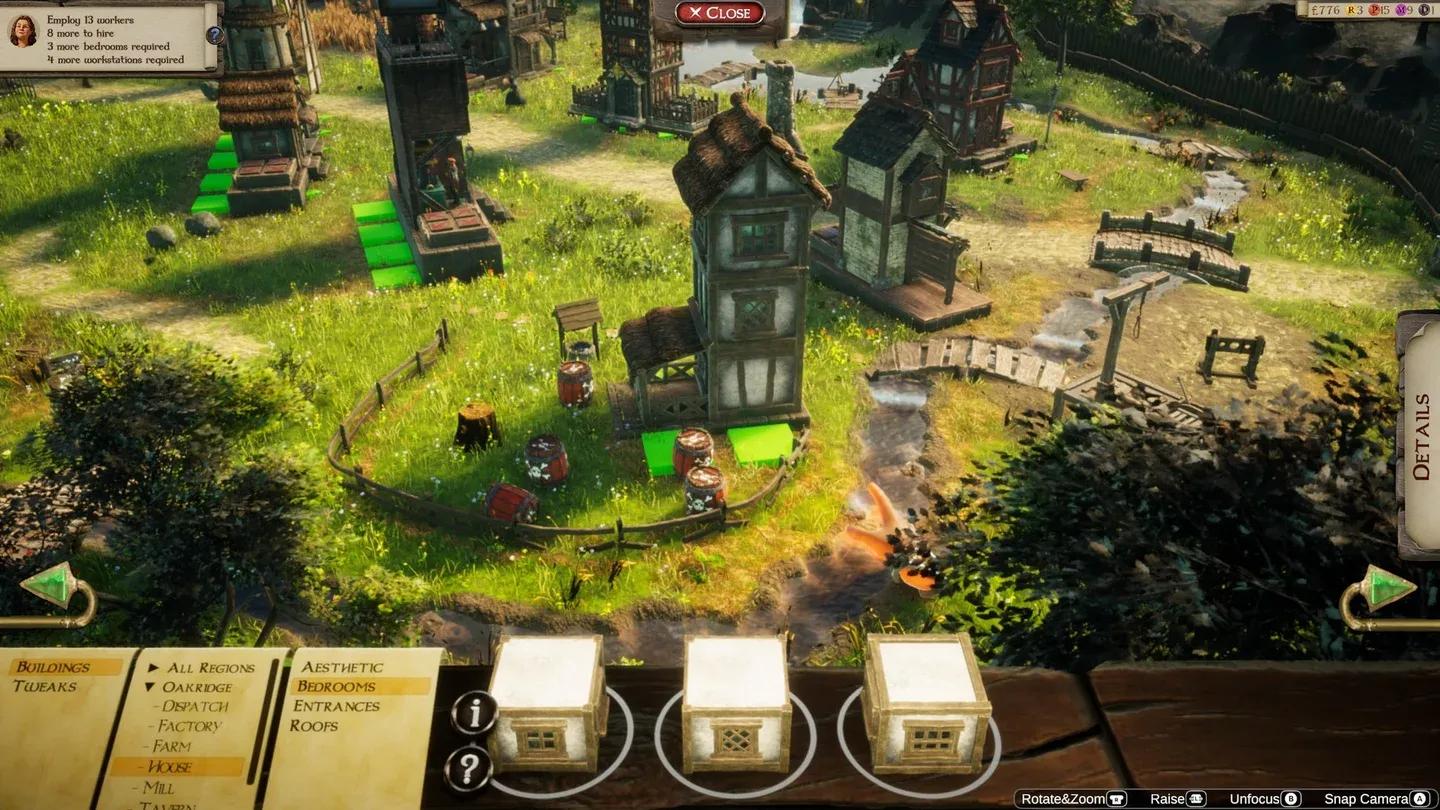
Building placement interface
The absence of rigid progression gates is deliberate. The design encourages open-ended experimentation: you can tinker with systems, alter the environment, and observe what emerges from your choices rather than following a prescribed tech tree. This makes Masters of Albion feel closer to a classic god-game sandbox than a modern city-builder with locked upgrade paths.
What most players miss early on is that the day phase is also your only window to correct structural mistakes. Once the night phase begins, you react to what you built, not redesign it. Spending extra time on supply line logic and road connectivity during the day pays off significantly when monster waves arrive.
How does the night-phase defense loop work?
The night phase transforms Masters of Albion into a survival-style defense loop. Monster waves push into your settlement, and the outcome depends directly on the quality of your daytime construction. The night phase includes emergent combat driven by possessed-object mechanics and malleable environments, meaning the same wave can play out differently depending on what you have built.
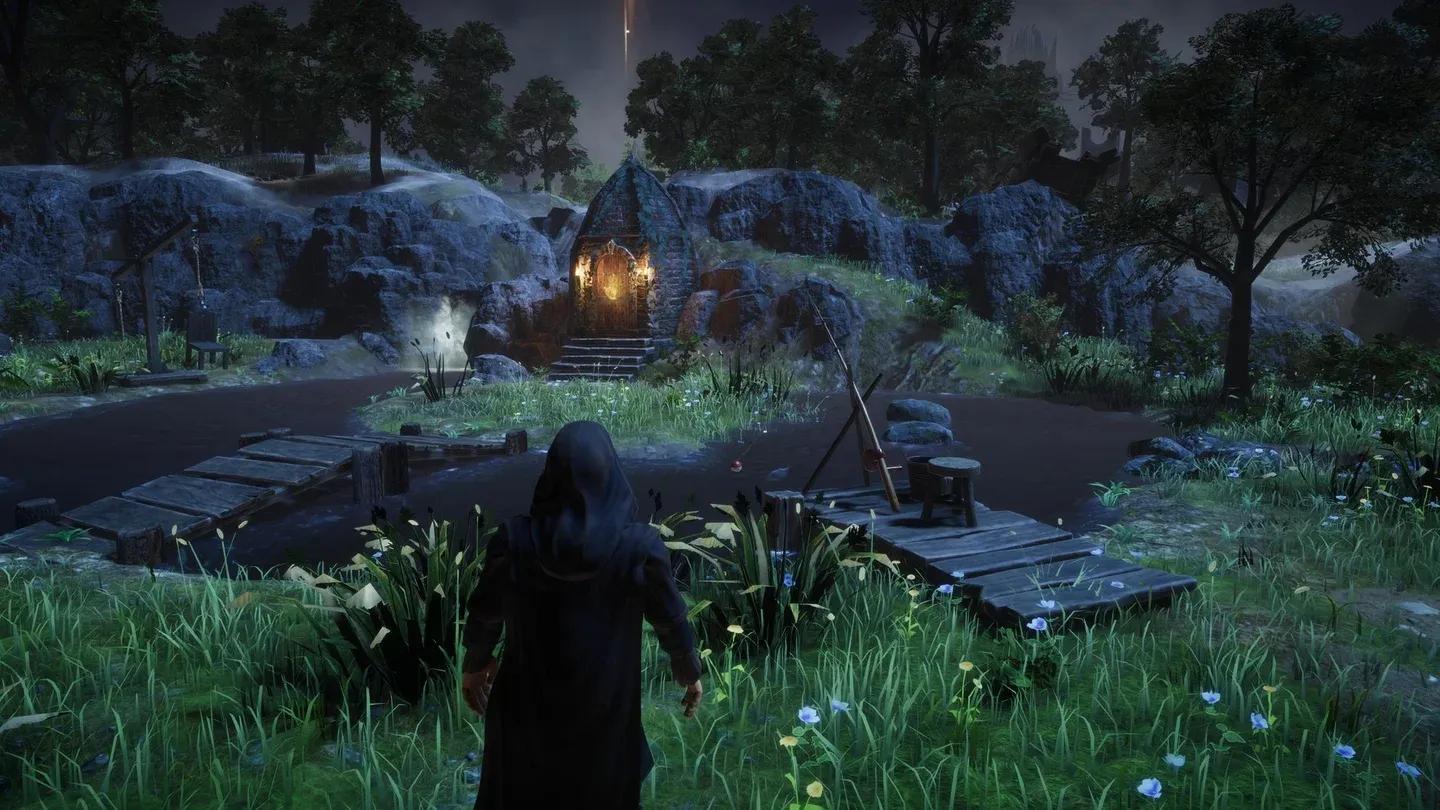
Night-phase monster wave assault
The key insight here is that the night phase is not a separate game mode. It is a readout of your town-building competence. A well-routed supply line means defenders have what they need. A poorly placed road creates a bottleneck that monsters exploit. Every structural decision from the day phase shows up as either an advantage or a vulnerability once darkness hits.
Day phase vs. night phase at a glance
| Phase | Primary Activity | Player Role | Failure Consequence |
|---|---|---|---|
| Day | Building, crafting, routing | Architect and planner | Weak defenses at night |
| Night | Survival defense loop | Reactive manager | Town damage or destruction |
What makes Masters of Albion different from other god-games?
The honest answer is the philosophy behind the design. Many recent big-budget titles trend toward tighter control, polished loops, and reduced complexity. Masters of Albion goes the other direction by embracing eccentric mechanics including possessed-object-driven action, emergent combat, and deeply malleable environments.
The result is a game that does not fit cleanly into a single genre. It borrows the top-down perspective and world-shaping tools of classic god-games, adds town-builder economy depth, and then wraps it in a survival defense structure. The Fable-adjacent aesthetic and Molyneux's involvement will attract players who remember the ambition of early 22cans projects, but the actual gameplay loop is built around systems interaction rather than narrative delivery.
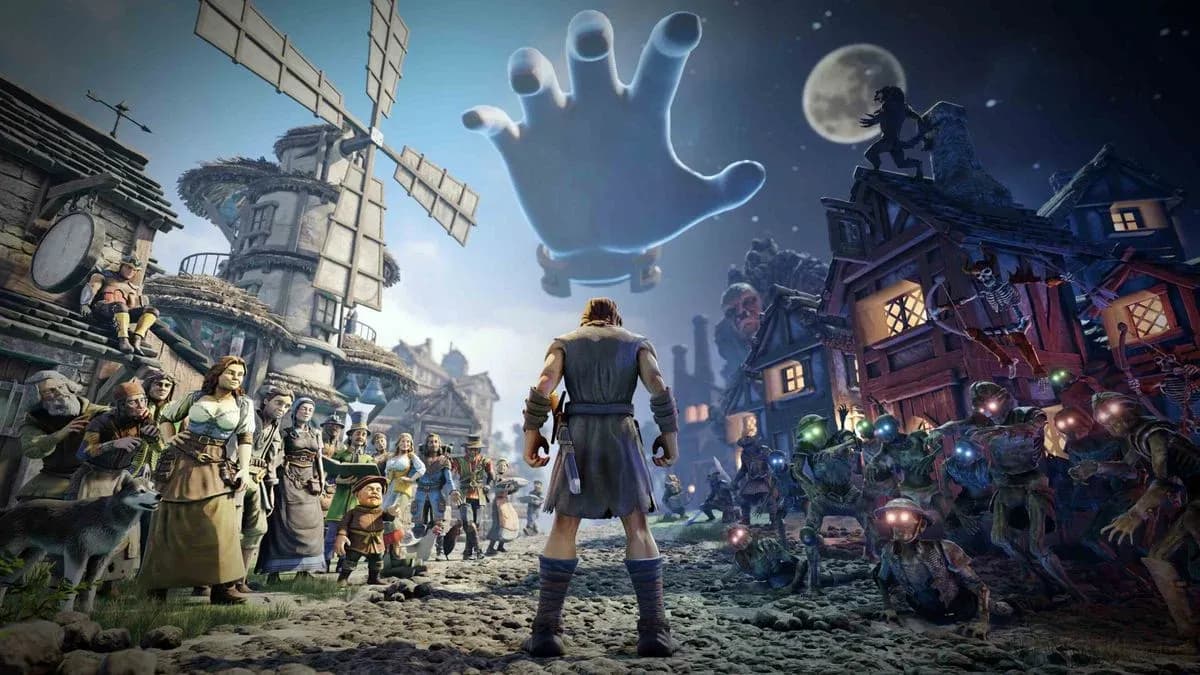
God-view environment control
The learning curve in the early game is a genuine consideration. The same open-ended freedom that makes the game compelling also means there is no hand-holding through the systems. Players who prefer guided tutorials may find the initial hours disorienting.
Tips for your first few sessions
- Prioritize road connectivity before expanding your building footprint. Disconnected structures create supply gaps that compound quickly.
- Set up trade flows early in the day phase. A functioning micro-economy before the first night wave gives you a significant buffer.
- Watch what the night phase breaks first. The first failure point in your defenses tells you exactly what to fix in the next day phase.
- Experiment without fear. The game's design philosophy explicitly rewards tinkering over optimization. A failed experiment teaches you more than a cautious safe build.
- Think about supply lines as part of your defense. Defenders need resources to function. A supply line that collapses under pressure is as dangerous as a gap in your walls.
For players looking to go deeper into strategy games and town-builders launching in 2026, browse more guides on GAMES.GG to stay current on what's worth your time.
Is Masters of Albion worth playing right now?
The answer depends on your tolerance for unguided experimentation. The day-phase sandbox is genuinely open-ended, the night-phase defense loop creates real stakes for your building decisions, and the overall design philosophy is meaningfully different from the tightly curated experiences that dominate the current market.
The risk is that the early learning curve may feel punishing without clear guidance, and the long-term staying power of the day-phase economy is still being tested by the player base. If the classic god-game formula appeals to you and you are comfortable learning by failing, Masters of Albion is exactly the kind of game that rewards patience.