Overview
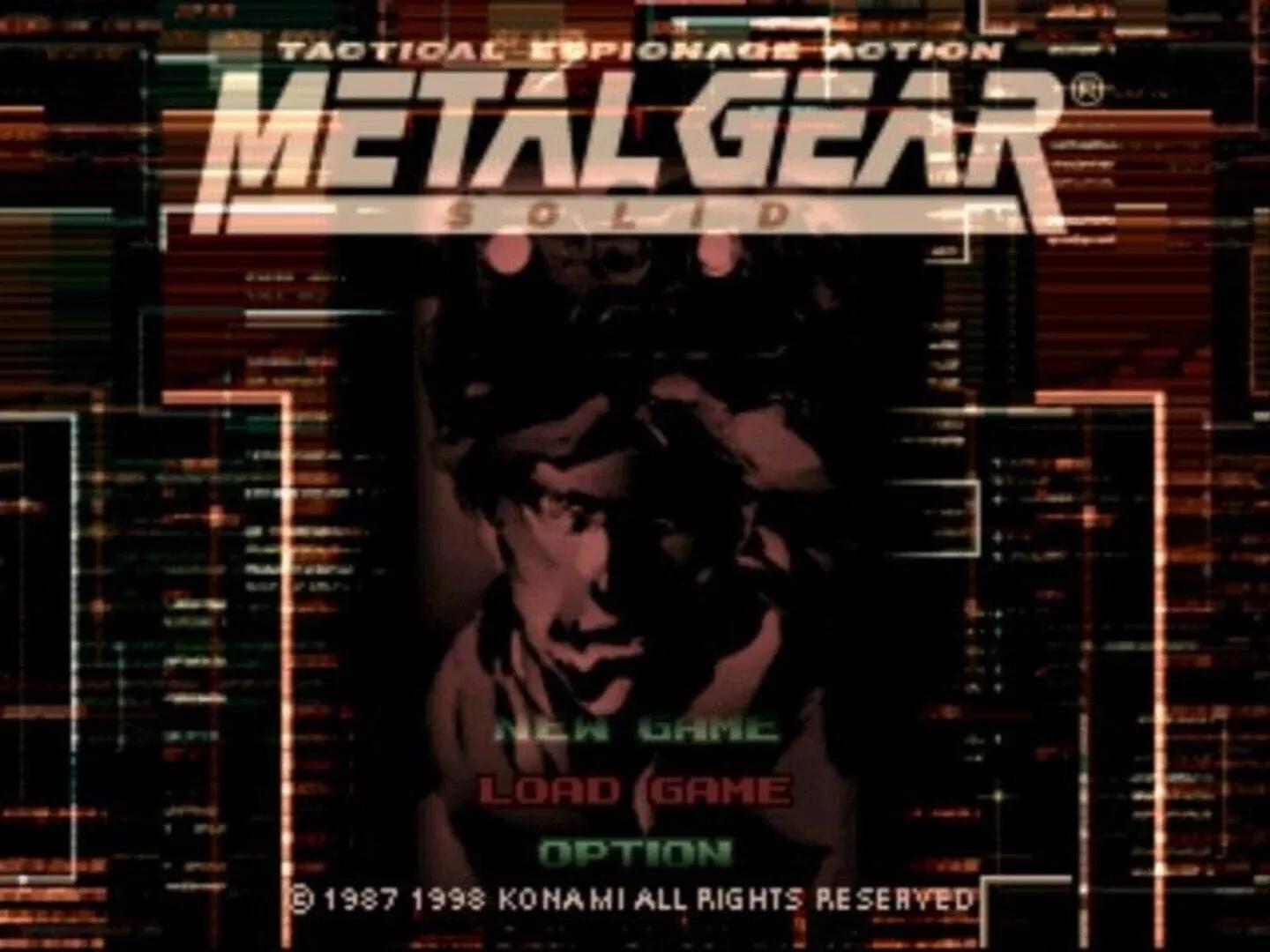
Metal Gear Solid, developed by Konami Computer Entertainment Japan and directed by Hideo Kojima, stands as one of the most consequential releases in gaming history. Released in 1998, it builds directly on the foundations of the MSX2 classics Metal Gear and Metal Gear 2: Solid Snake, translating the series' core stealth mechanics into a fully realized 3D environment while preserving the strategic tension that defined its predecessors. The result is a game that feels both intimate and operatic, grounded in moment-to-moment tension yet driven by an ambitious, layered narrative.
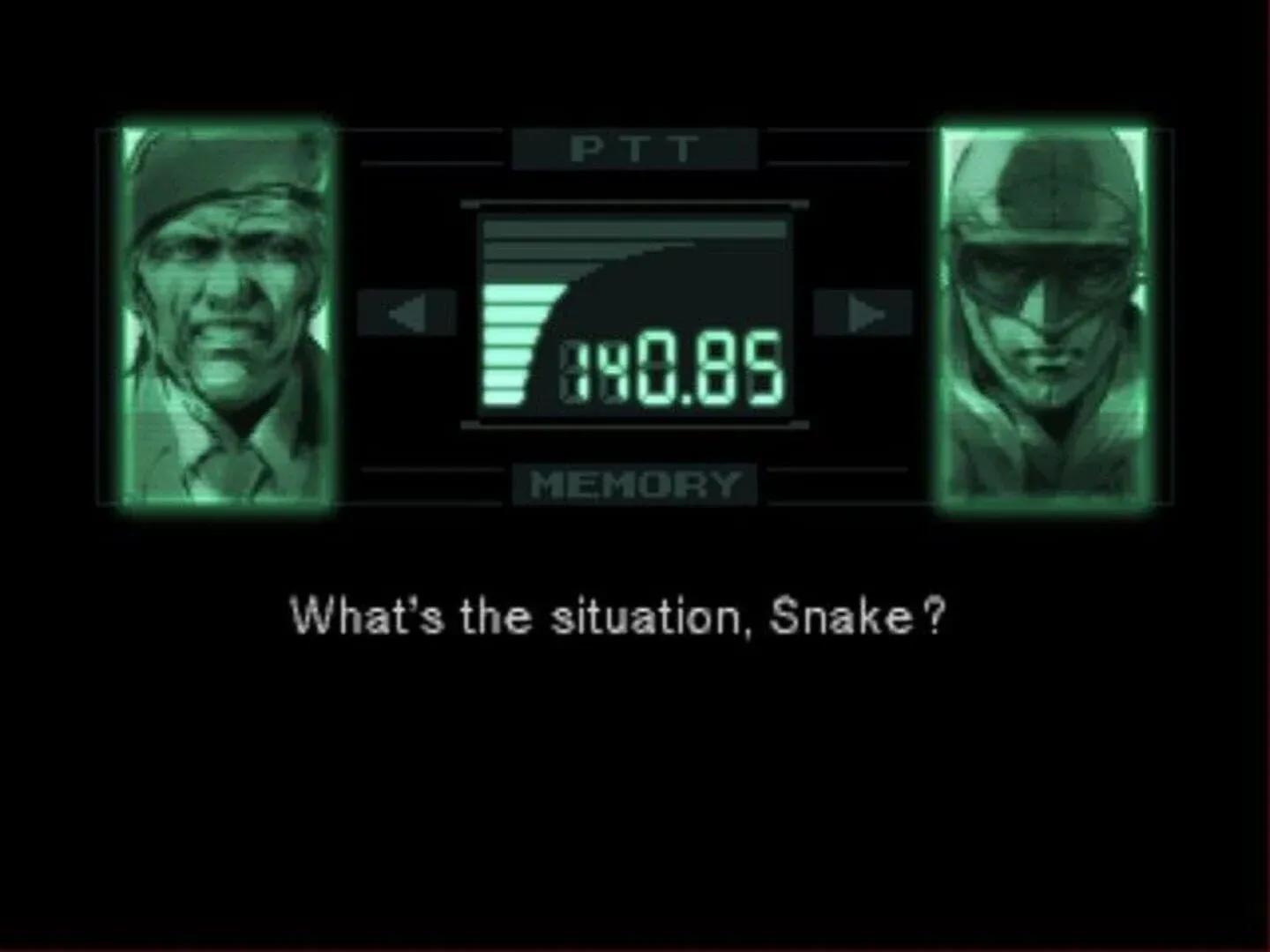
The game follows Solid Snake, a retired special operative pulled back into service for a critical mission on Shadow Moses Island, a remote nuclear weapons facility in Alaska. Rogue members of FOXHOUND, a covert government unit, have seized the base and are threatening to launch a nuclear strike unless they receive a one-billion-dollar ransom. With only 24 hours to act, Snake must infiltrate the compound, rescue two hostages, and neutralize the threat before time runs out. The story unfolds through extensive codec conversations and in-engine cutscenes that were groundbreaking at the time of release.
Gameplay and Mechanics: How Does Metal Gear Solid Play?
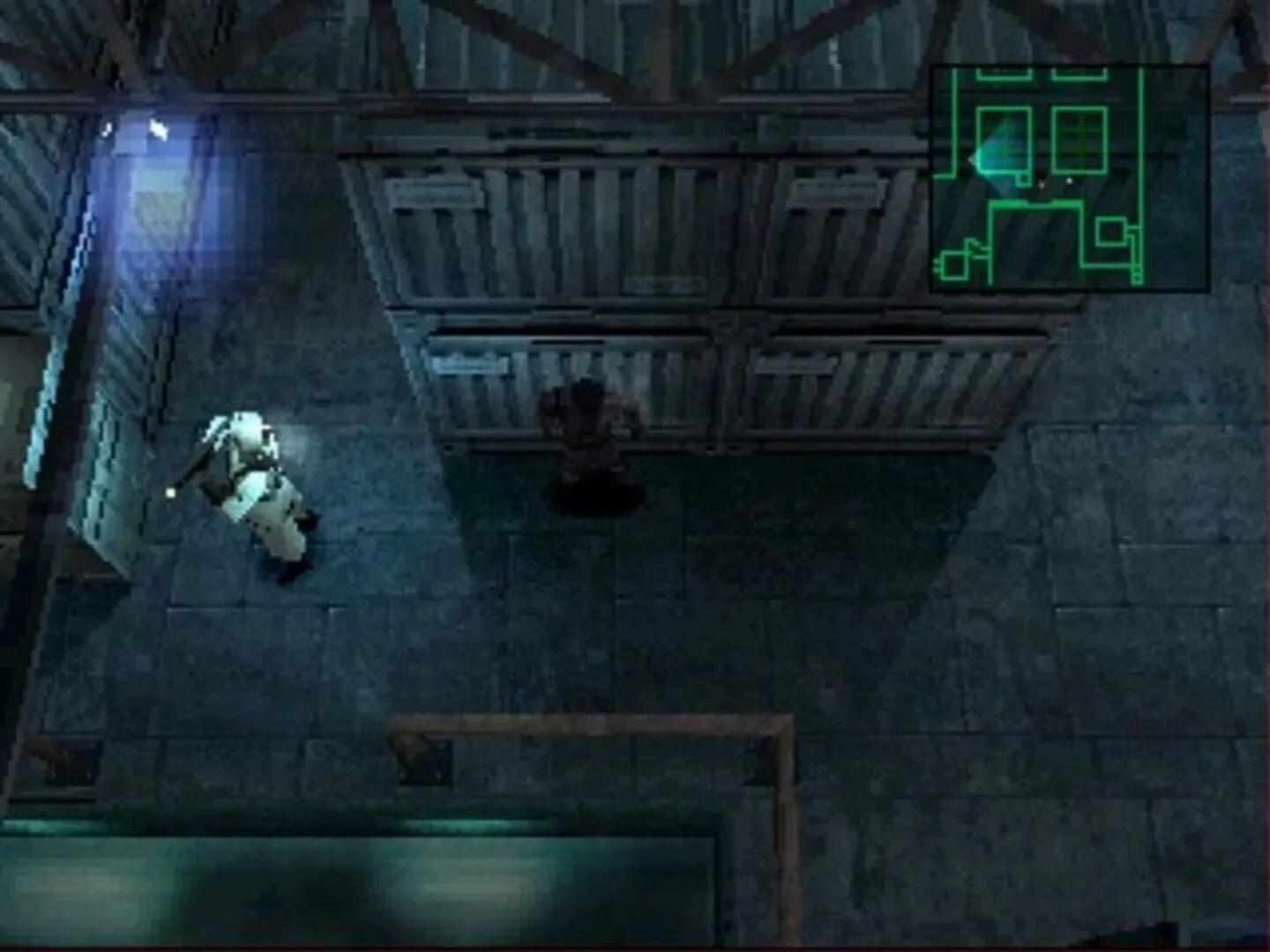
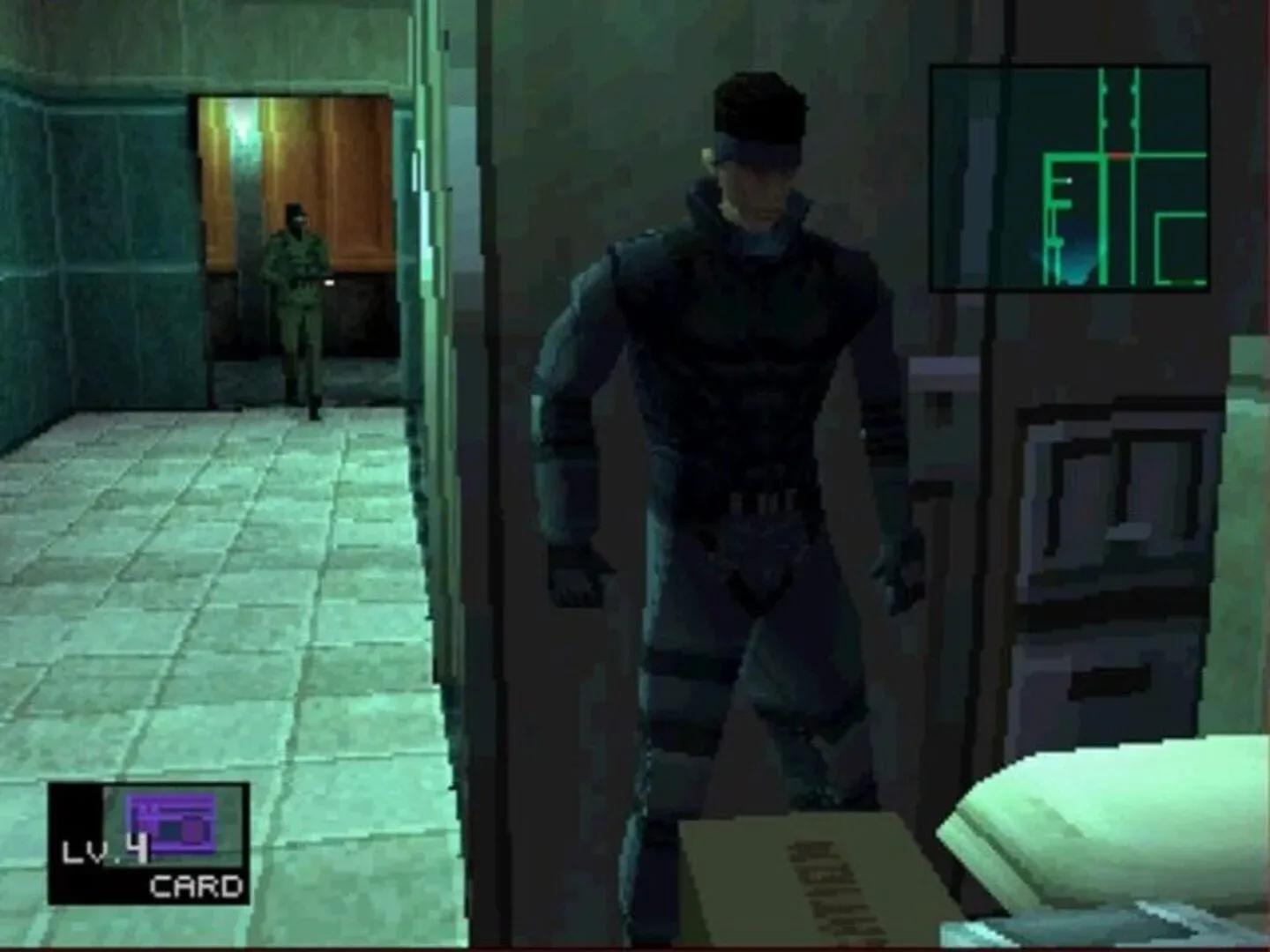
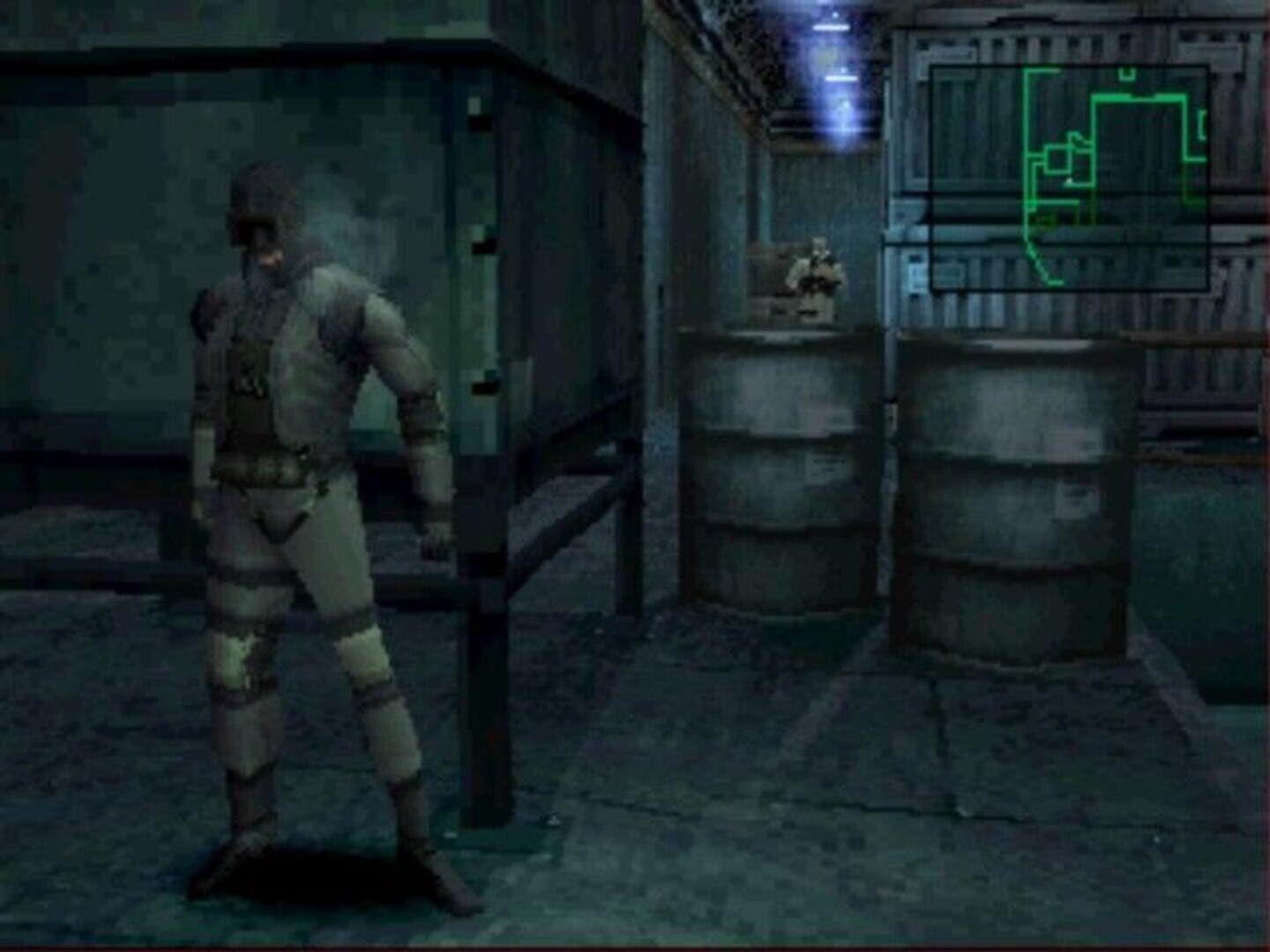
Metal Gear Solid is a stealth-action game at its core, viewed from a top-down perspective that prioritizes awareness, patience, and planning over direct confrontation. Snake enters each environment lightly armed, and survival depends on reading enemy patrol patterns, using the environment for cover, and managing noise levels carefully. Triggering an alarm shifts the game into a tense reactive state, flooding the area with armed soldiers until Snake can find a way to stand down the alert.
Key mechanics that define the experience include:
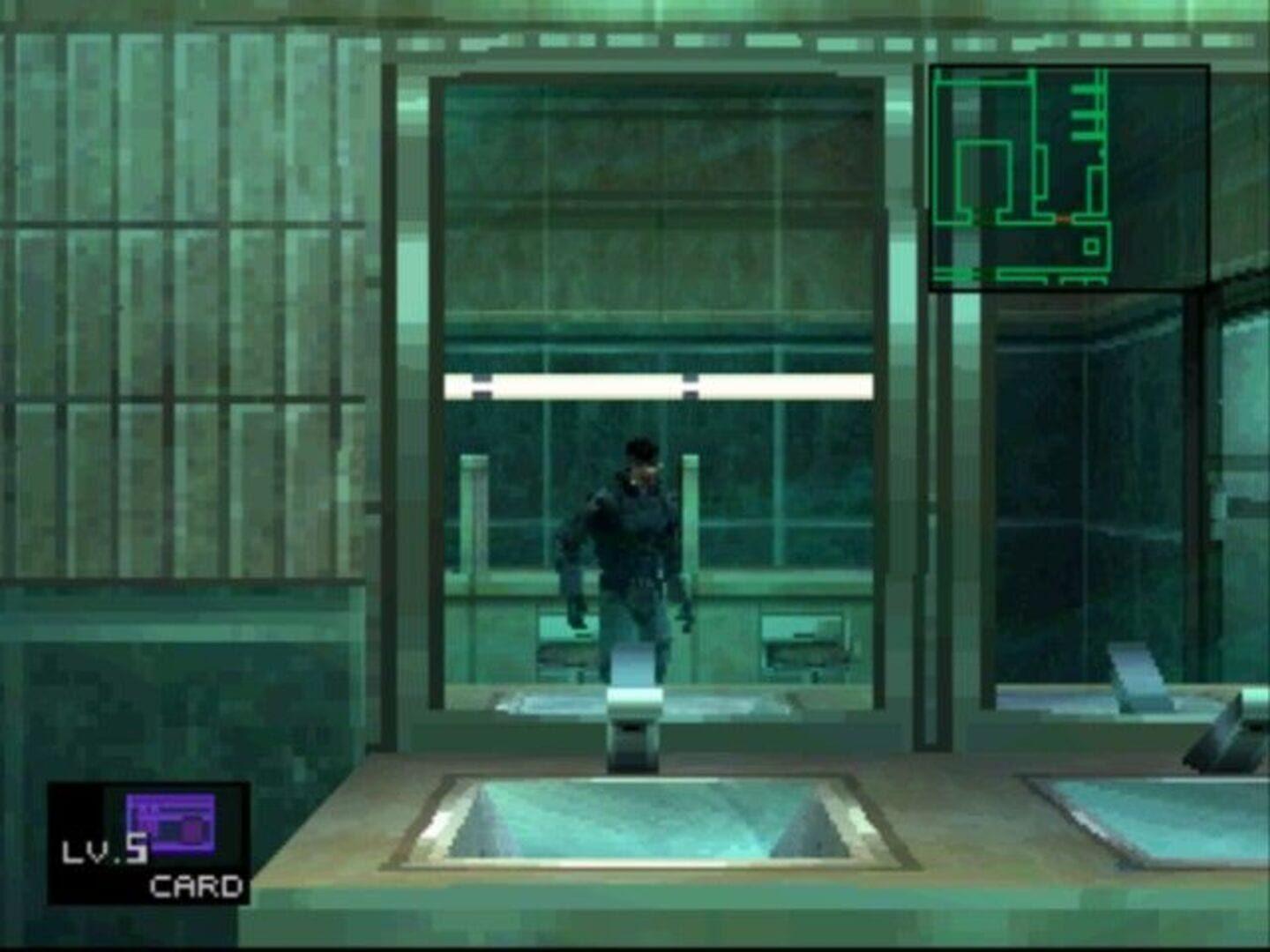
- Radar display showing enemy sight cones
- Codec communication for mission guidance
- Environmental interactions like vents and hiding spots
- Item and weapon management under pressure
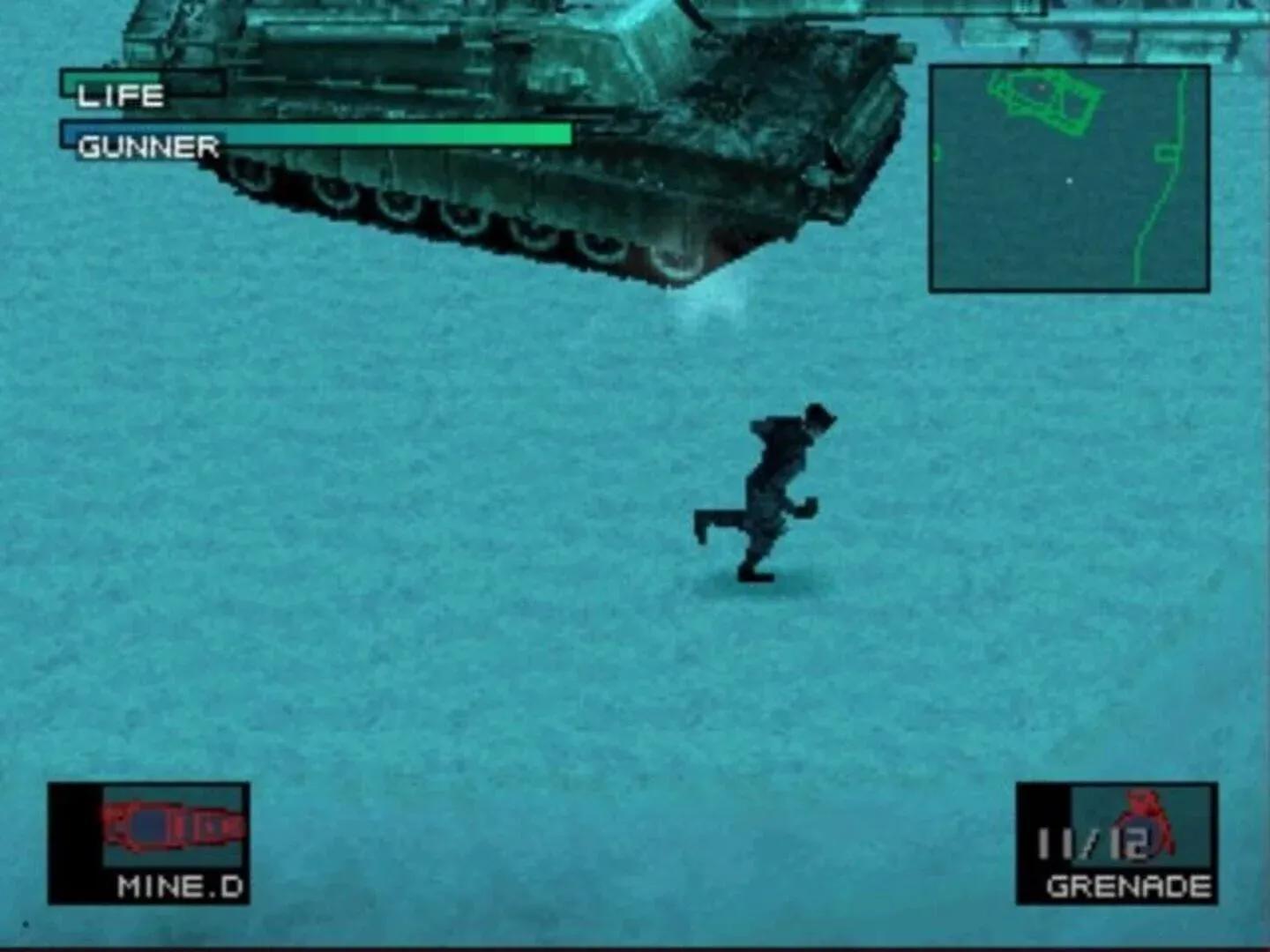
- Boss encounters requiring creative problem-solving
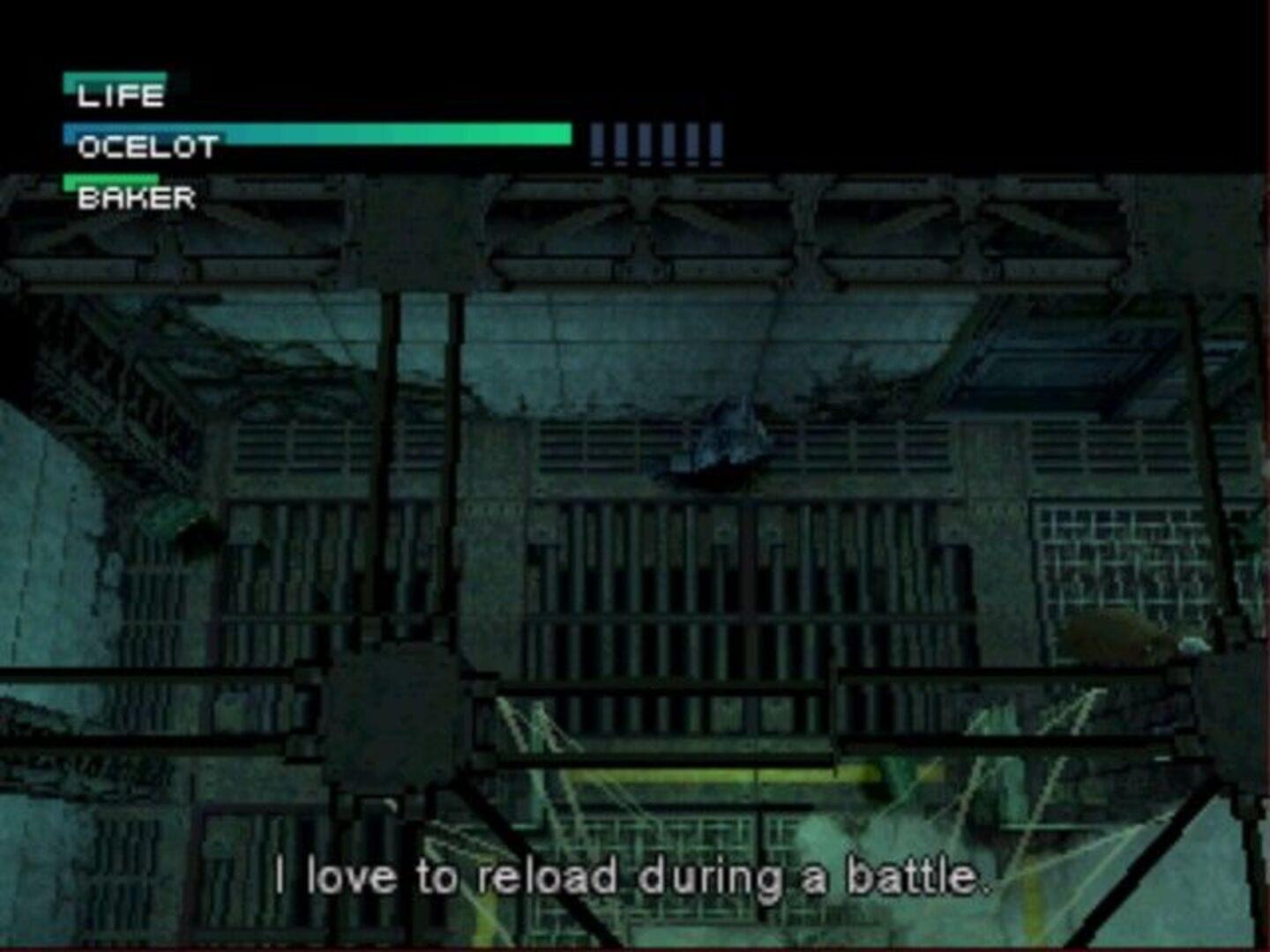
Each boss fight in Metal Gear Solid deserves particular attention. Rather than straightforward combat challenges, these encounters are theatrical, personality-driven confrontations that demand the player think laterally. Psycho Mantis famously reads the player's memory card and controller input, breaking the fourth wall in a way that remains one of gaming's most discussed moments.
World and Setting: An Alternate Cold War Thriller
The game takes place in an alternate history where the Cold War extended into the 1990s, lending its political intrigue a weight that feels grounded despite its fictional framework. Shadow Moses Island is a claustrophobic, industrial setting: a network of corridors, snowfields, and underground facilities that constantly communicates danger and isolation. The atmosphere is tightly controlled, oscillating between silence and sudden, heart-pounding tension.
Kojima constructs the narrative with a film director's sensibility. The story explores themes of nuclear deterrence, genetic determinism, and the psychological cost of warfare, delivered through a cast of memorable, deeply written characters. Codec conversations alone contain hours of dialogue that range from tactical briefings to philosophical debate, rewarding players who engage fully with the world.
Impact and Legacy: Why Does Metal Gear Solid Still Matter?
Metal Gear Solid is widely recognized as one of the greatest video games ever made, and its influence on the medium is difficult to overstate. It helped establish the stealth genre as a commercially and critically viable space, directly inspiring franchises like Splinter Cell and countless others. Its use of in-engine cinematic cutscenes set a template that the industry would follow for decades.
The game is currently available across PlayStation, Windows via Steam, Nintendo Switch, Xbox, and iOS, most accessibly through the Metal Gear Solid: Master Collection Vol.1. This broad availability ensures that both longtime fans and new players can experience the title on modern hardware without compromise.
Conclusion
Metal Gear Solid remains a landmark tactical stealth experience that rewards patience, curiosity, and genuine engagement with its world. Its combination of inventive gameplay mechanics, a richly written narrative, and iconic set pieces makes it essential not just as a historical artifact but as a game that continues to hold up on its own terms. For anyone interested in the stealth genre or the craft of game design, Snake's mission on Shadow Moses Island is as compelling today as it was at launch.