Overview
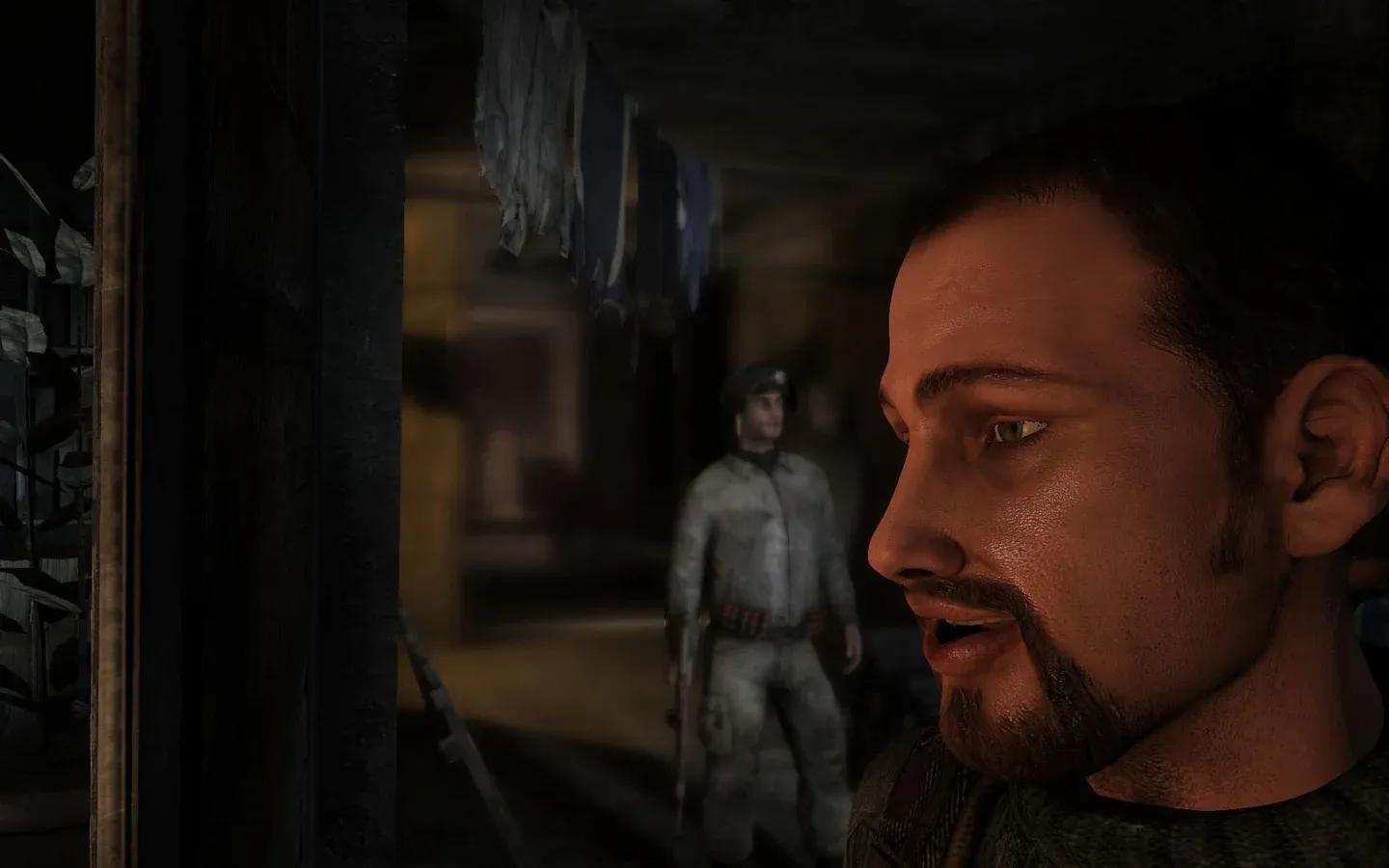
Metro 2033 is a first-person shooter with deep survival horror roots, developed by 4A Games and released in March 2010. The game adapts Dmitry Glukhovsky's acclaimed Russian novel into an interactive experience set in the Moscow Metro system, twenty years after a nuclear catastrophe has rendered the surface uninhabitable. Players take control of Artyom, a young man raised entirely underground, who gets thrust into a desperate cross-Metro mission after his home station faces an existential threat.
The game's structure is largely linear, but the pacing within each section rewards exploration. Spare ammunition, filters for your gas mask, and functional weapons are never guaranteed, which keeps tension high throughout. A few stages allow for stealth approaches, and some sequences shift to on-rails action or defensive holdouts against waves of mutants, giving the campaign genuine variety without losing its oppressive tone.
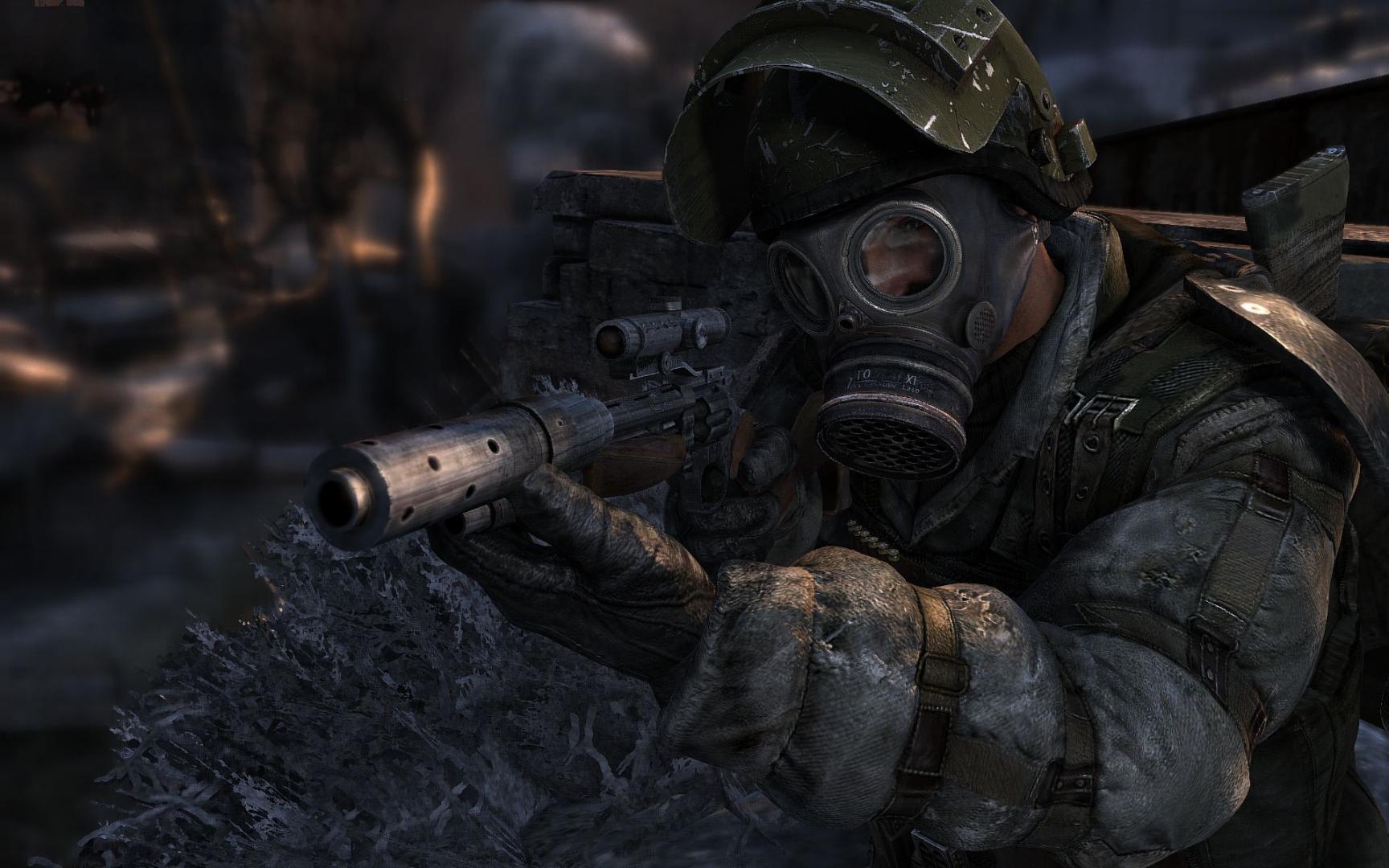
World and setting: what makes the Metro feel alive?
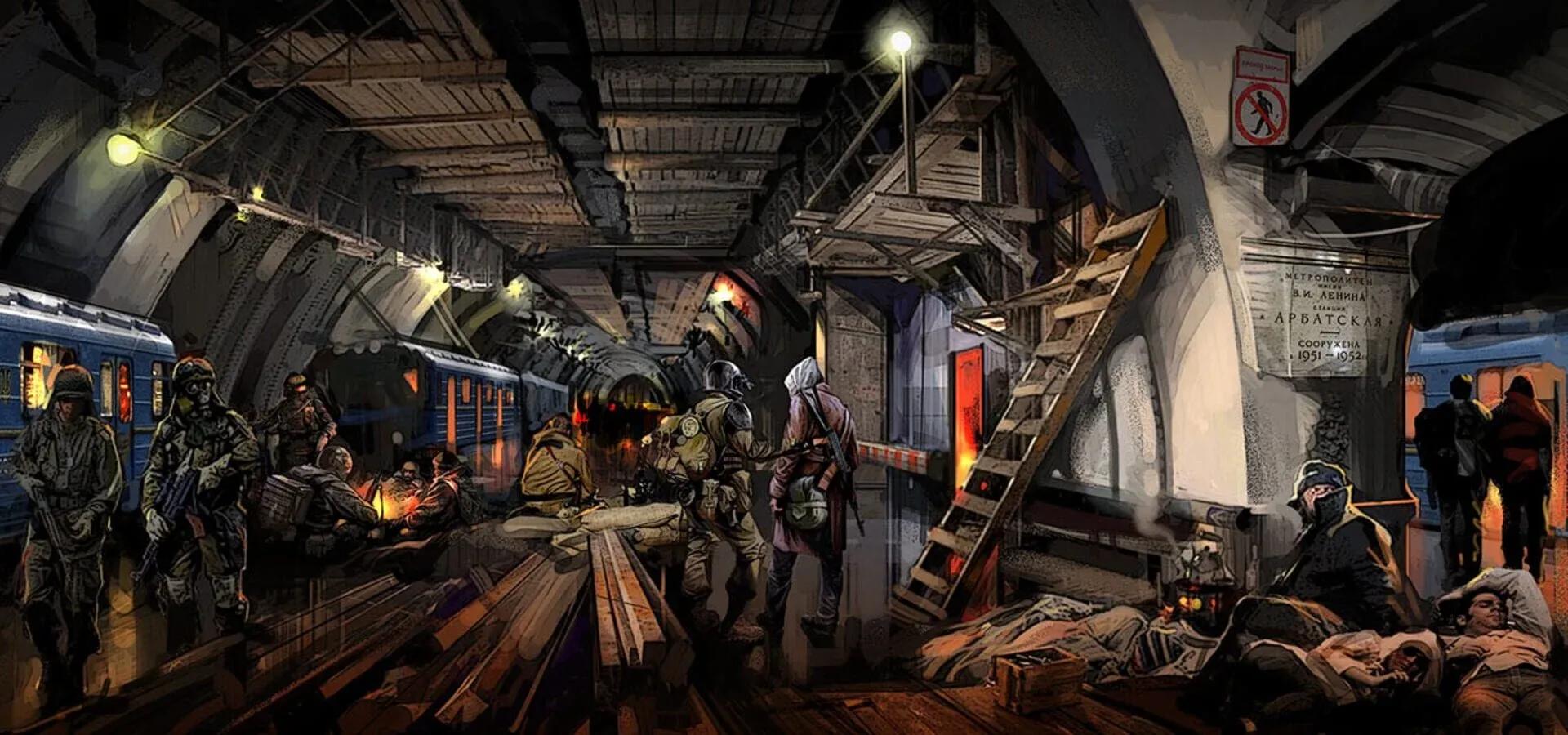
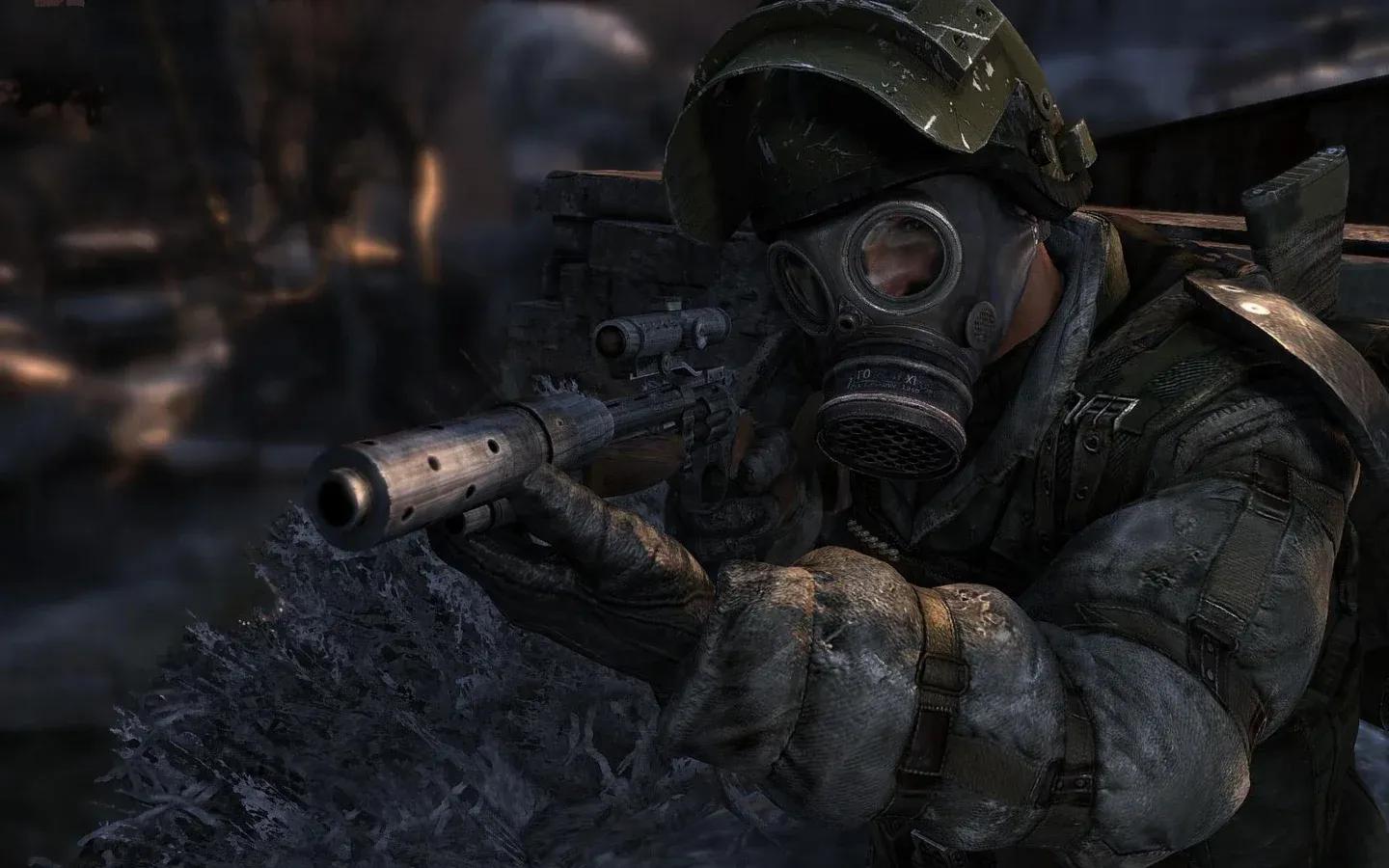
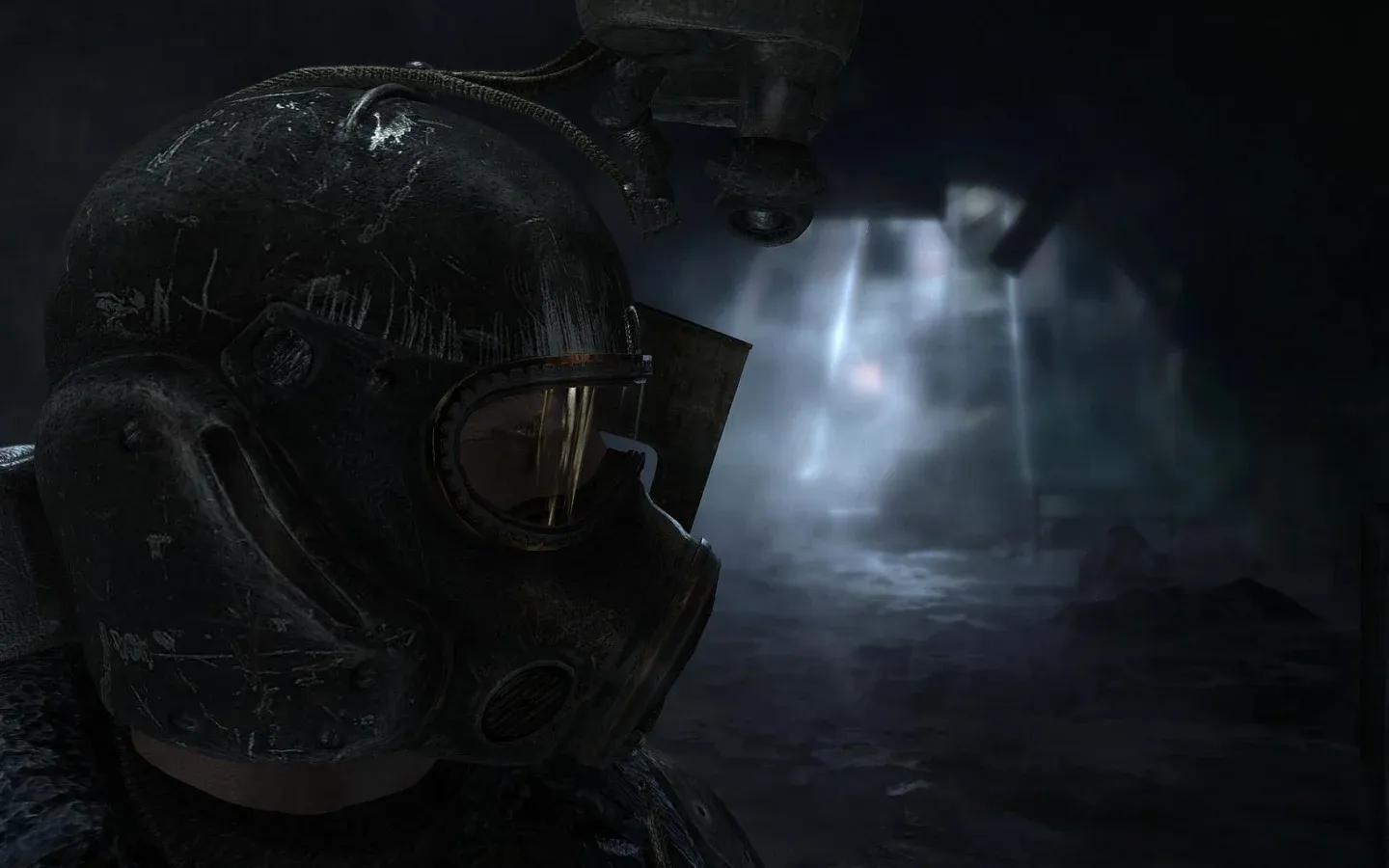
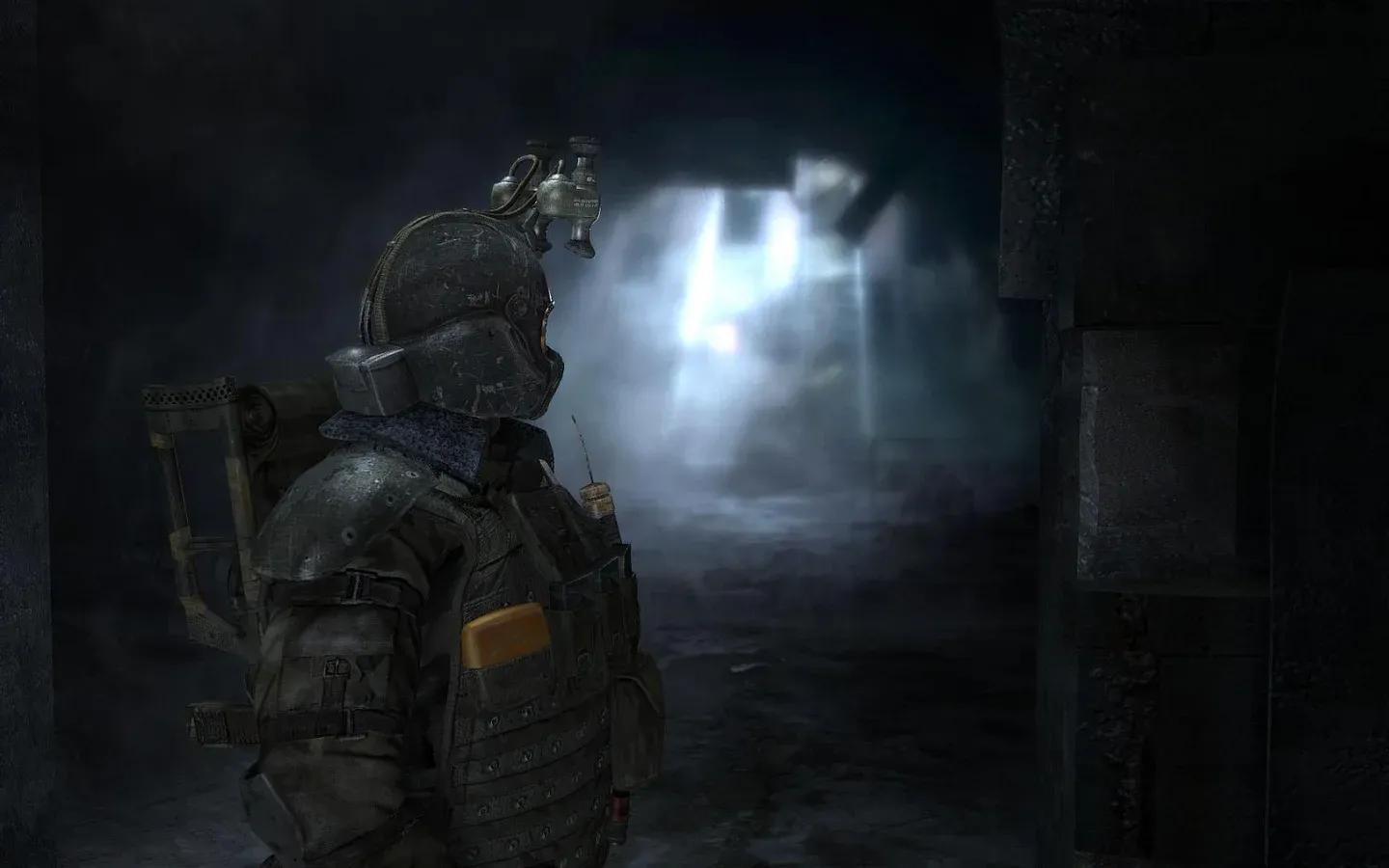
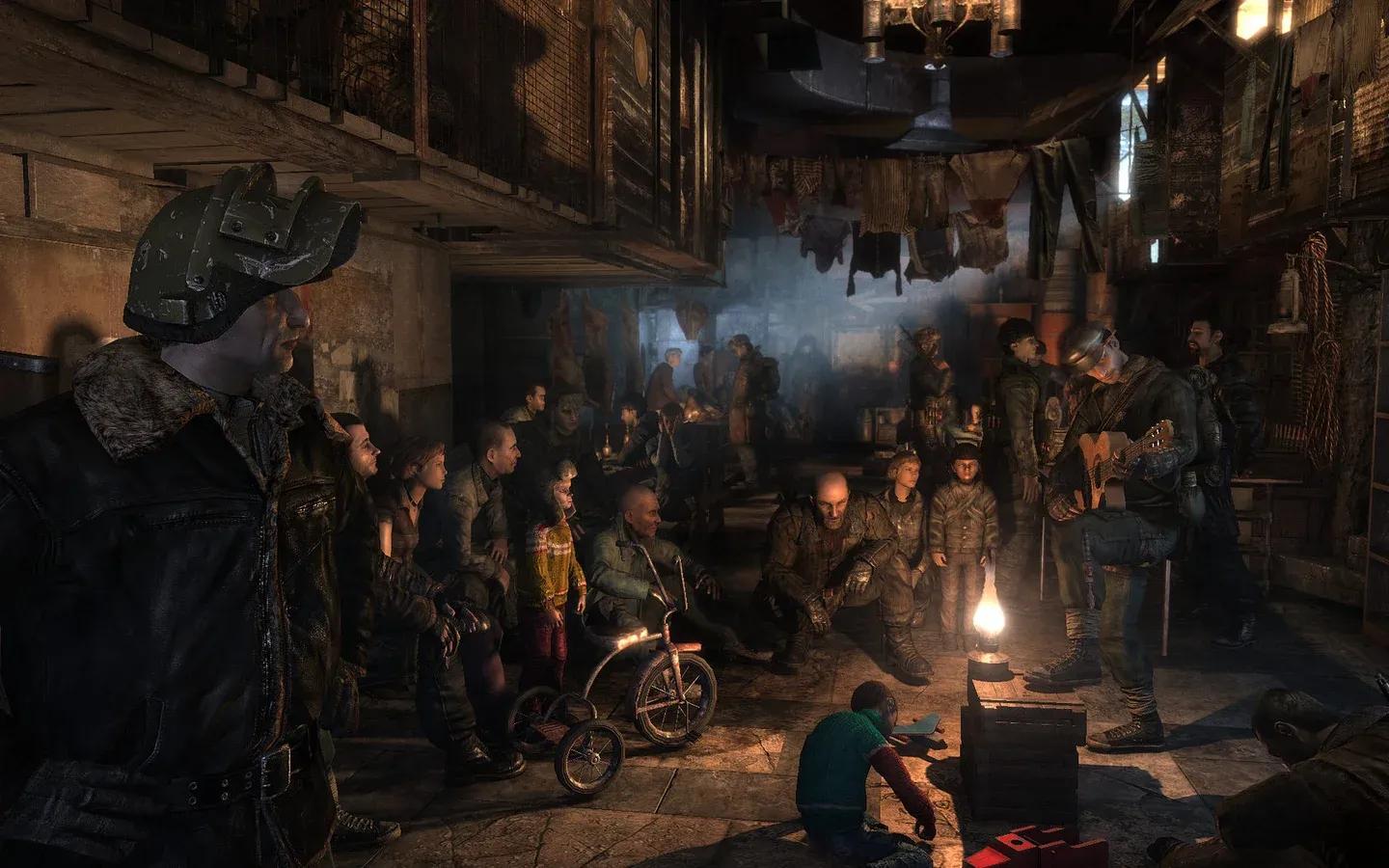
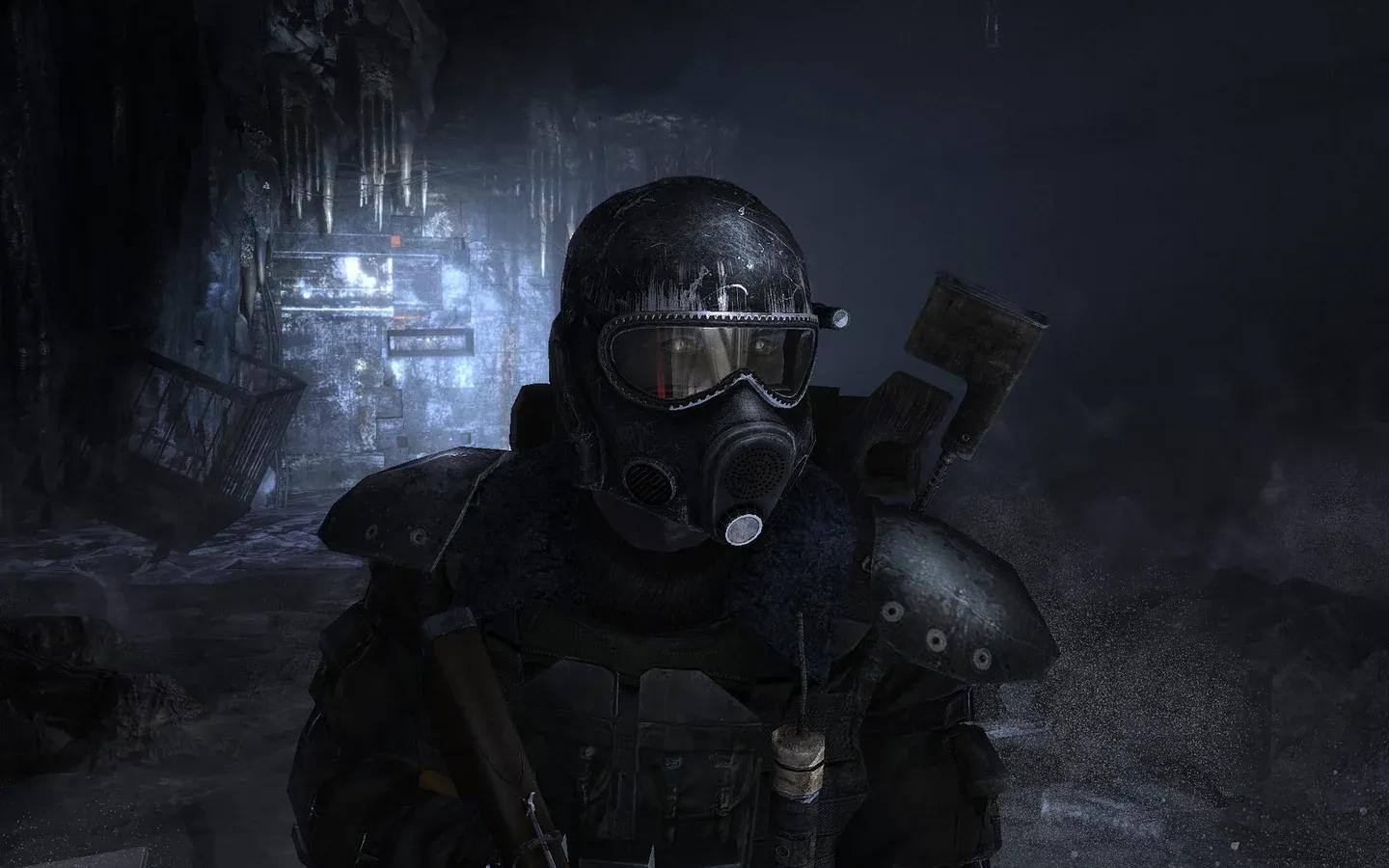
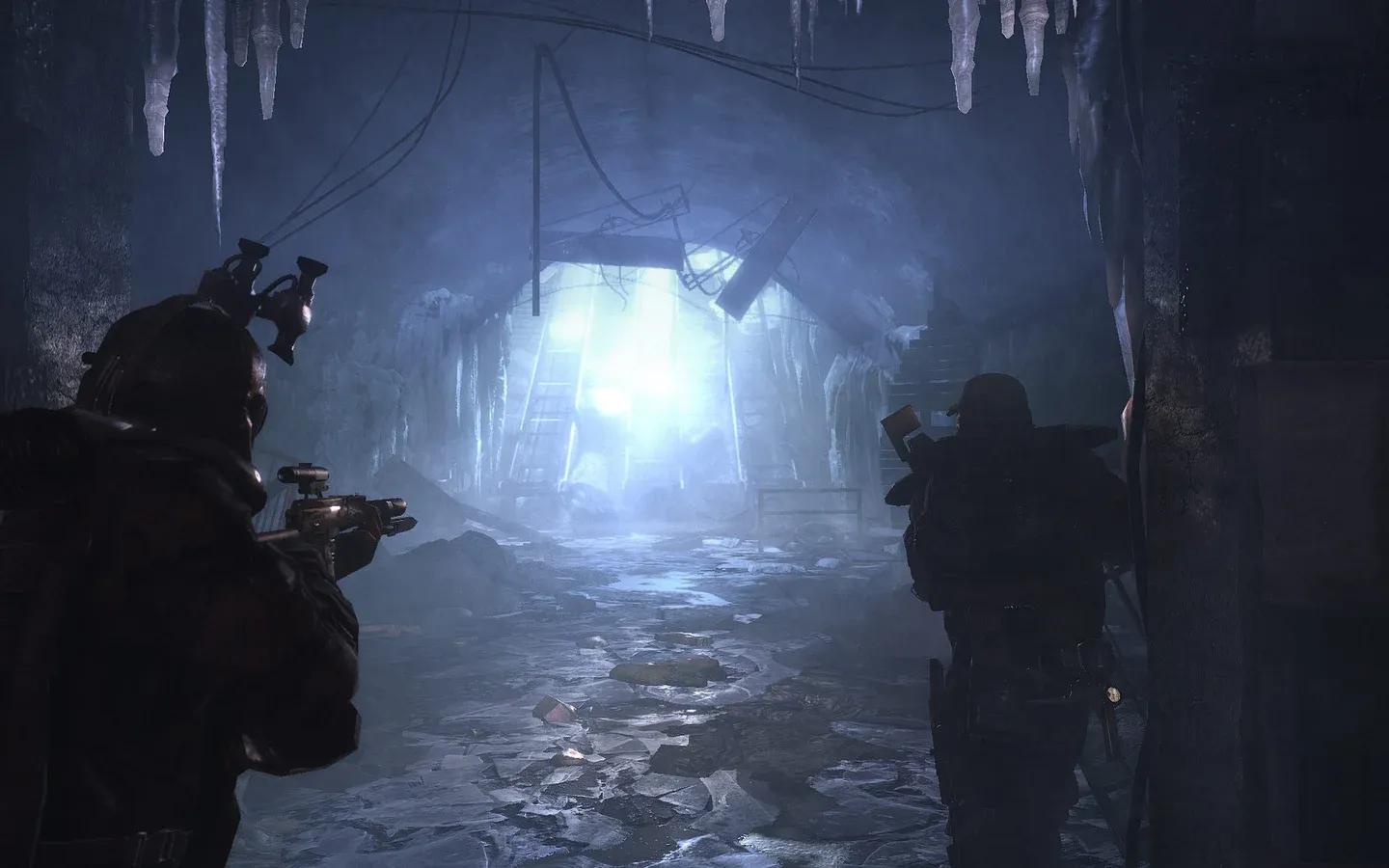
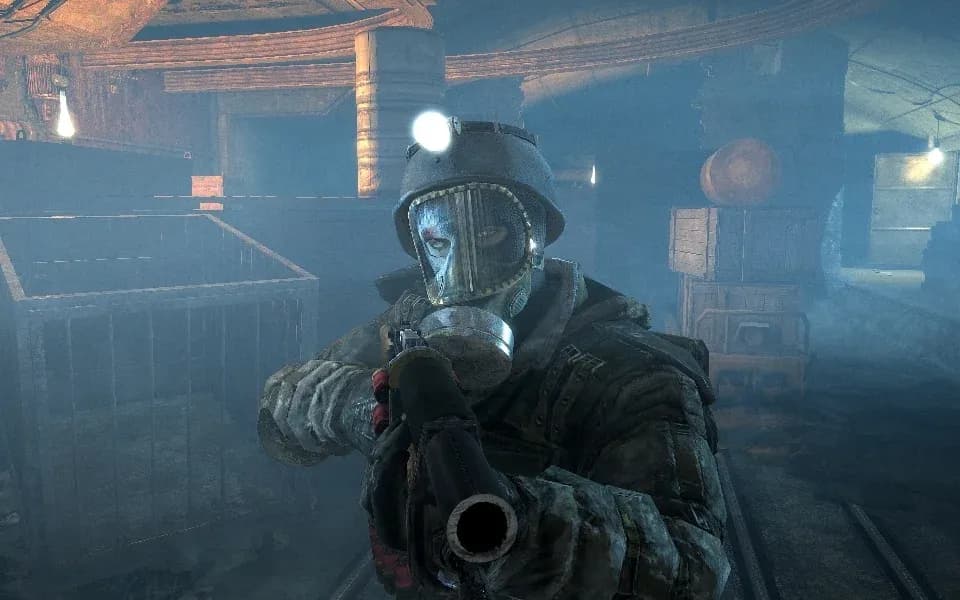
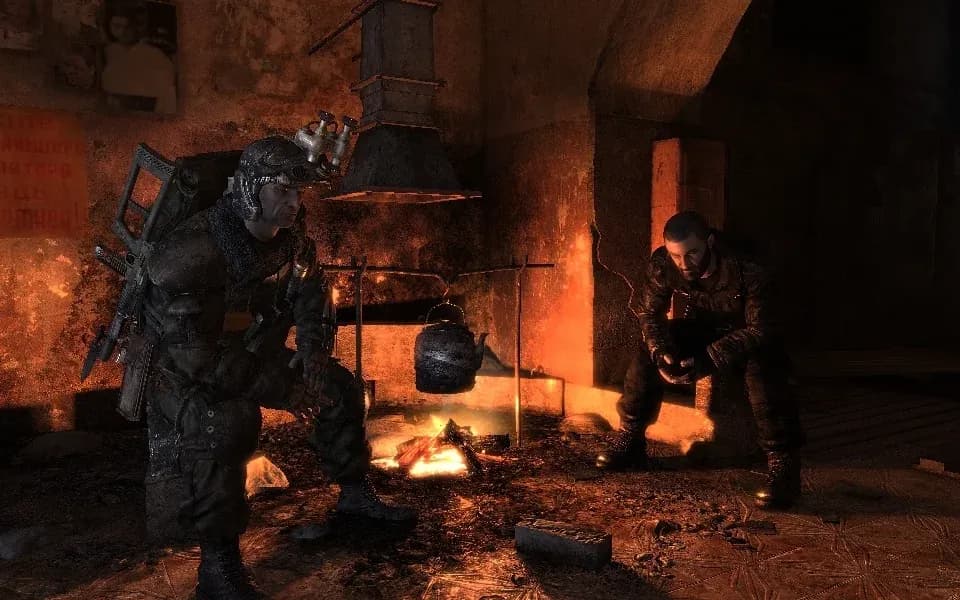
The Moscow Metro serves as one of gaming's most convincing post-apocalyptic environments. Station-cities each carry their own political character, from fascist factions to communist holdouts, and the tunnels between them feel genuinely hostile rather than decorative. Surface sections force Artyom into a nuclear winter where visibility drops, mutant creatures roam openly, and the gas mask filter timer runs constantly in the background.
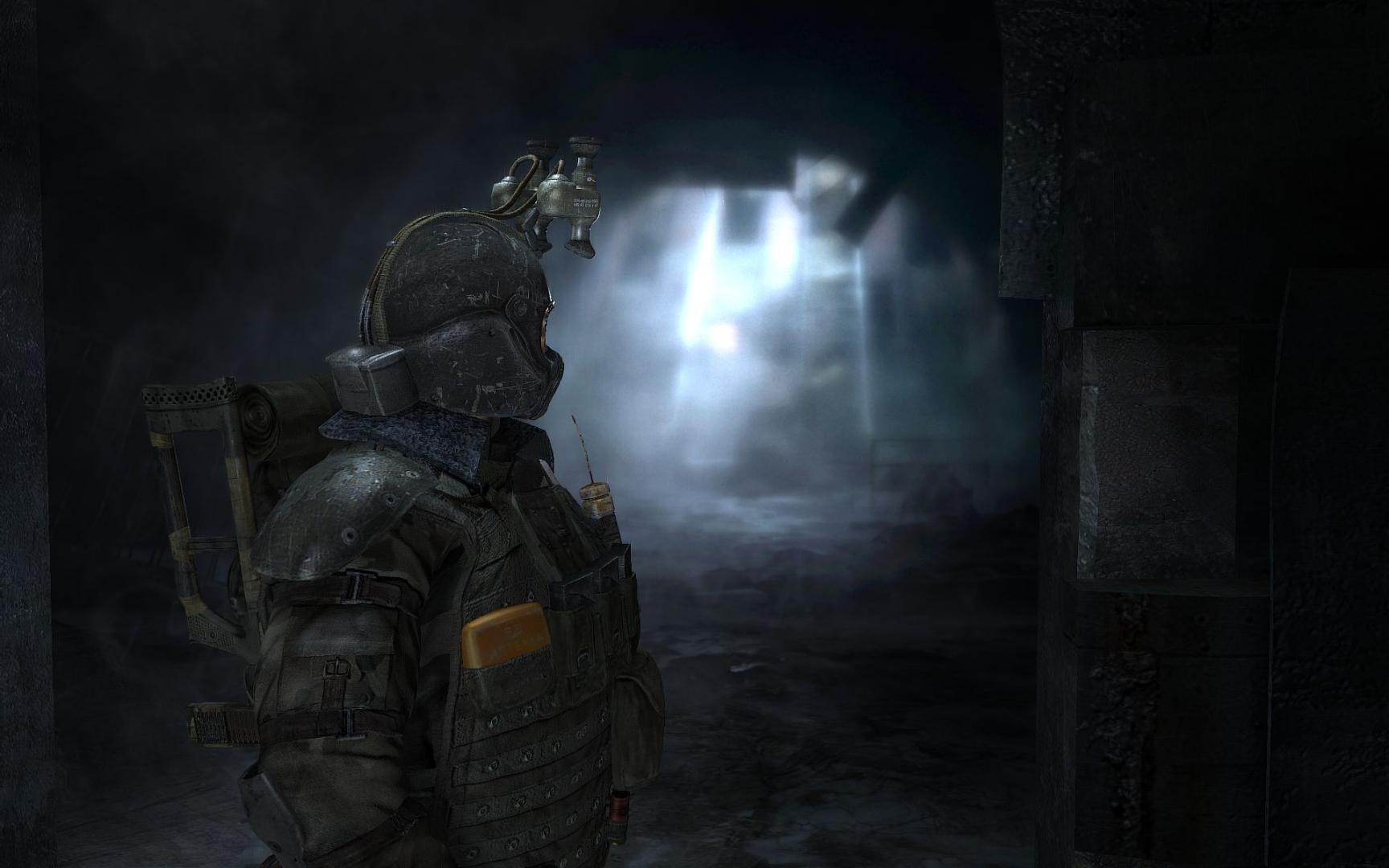
Key survival mechanics that define the experience:
- Gas mask filter management on the surface
- Military-grade bullets used as currency underground
- Weapon degradation and improvised maintenance
- Moral choices that affect the ending
- Ghostly supernatural encounters in the deep tunnels
The supernatural layer adds something most shooters skip entirely. Strange visions and psychic phenomena are woven into the narrative without explanation, and the game trusts players to sit with that unease rather than resolving it tidily.
Gameplay and mechanics
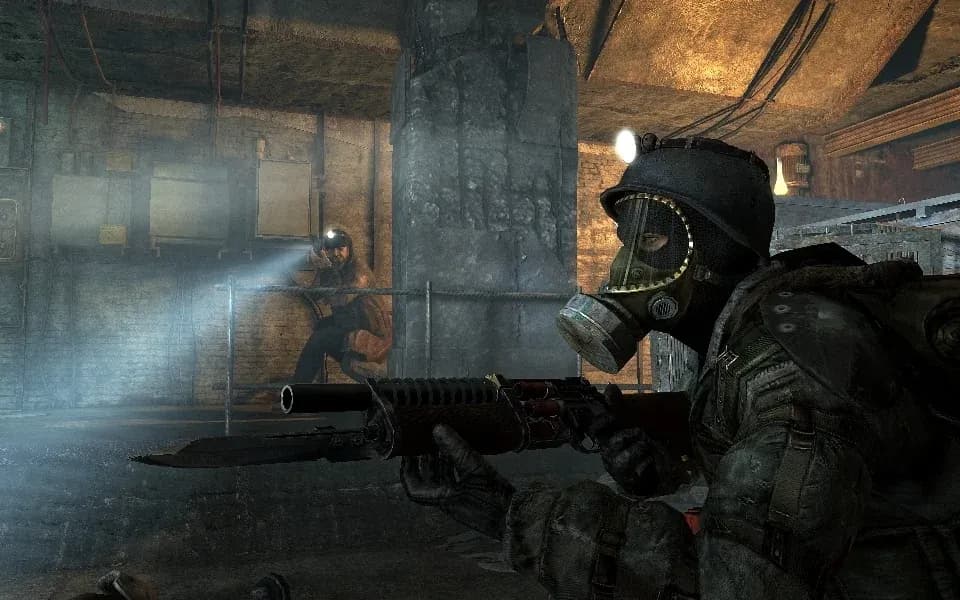
Combat in Metro 2033 is deliberately imprecise and resource-scarce. Weapons jam, ammunition runs low at the worst moments, and the HUD is minimal by design. Artyom carries a watch that tracks the gas mask filter timer and a lighter to check his compass, keeping players grounded in the physical world rather than a floating interface.
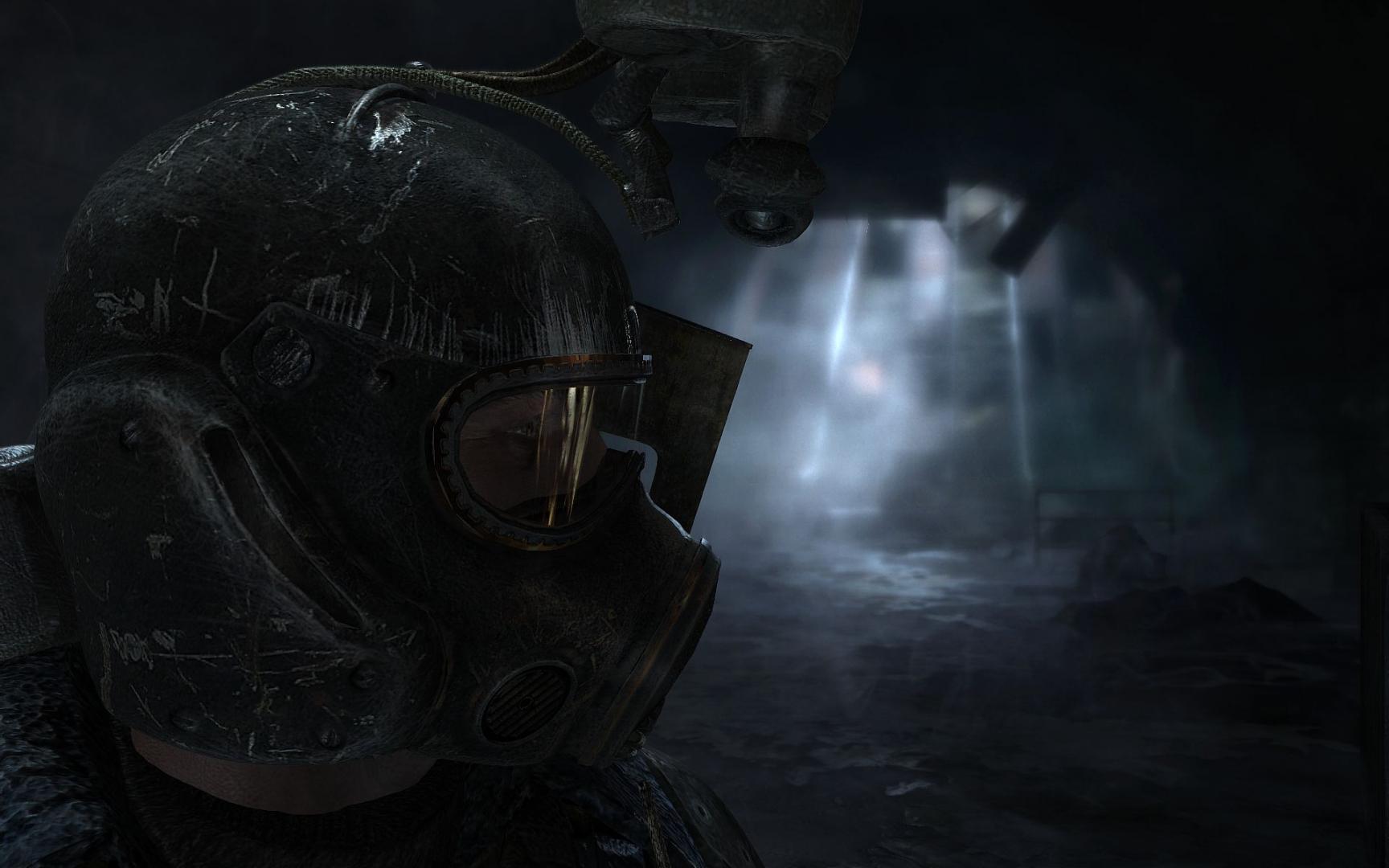
The moral system runs silently in the background. There are no visible points or meters. Instead, player behavior across dozens of small moments, listening to conversations, sparing enemies, helping survivors, shifts the ending outcome. Players who miss this entirely on a first run often discover it only afterward, which has made the game a talking point for years.
Impact and legacy
Metro 2033 established 4A Games as a studio capable of translating literary source material into a genuinely affecting game. The Redux remaster, released in 2014, updated the visuals and controls significantly, and remains the version most players encounter today. The game's influence on the atmospheric shooter genre is visible in how it handles resource scarcity, environmental storytelling, and moral ambiguity without leaning on explicit player feedback systems.
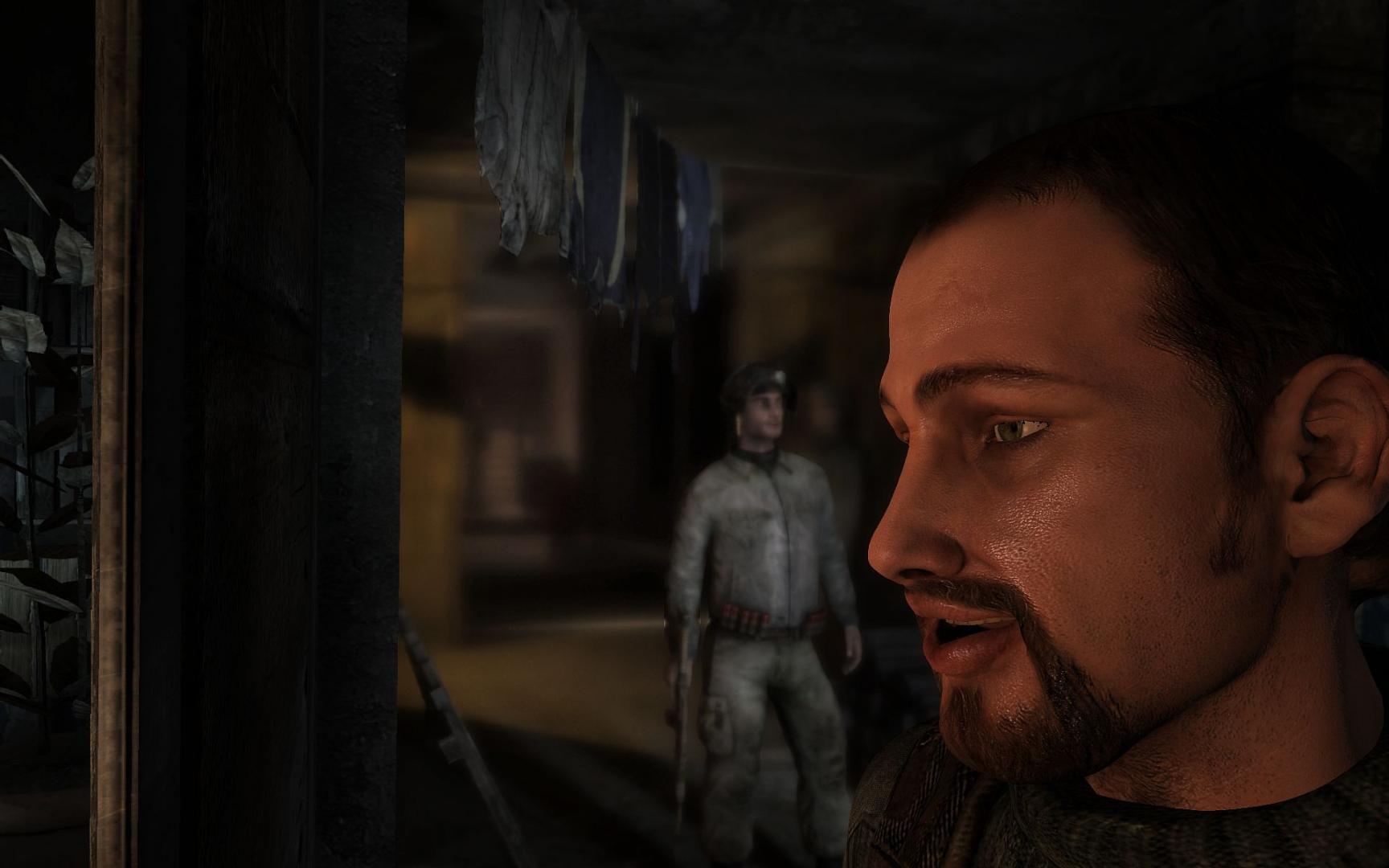
For fans of survival horror and post-apocalyptic fiction, Metro 2033 holds up as one of the more disciplined examples of the genre. Its refusal to over-explain its world, combined with the constant material pressure of managing filters and bullets, produces a specific kind of dread that few games in the space have matched since.