Overview
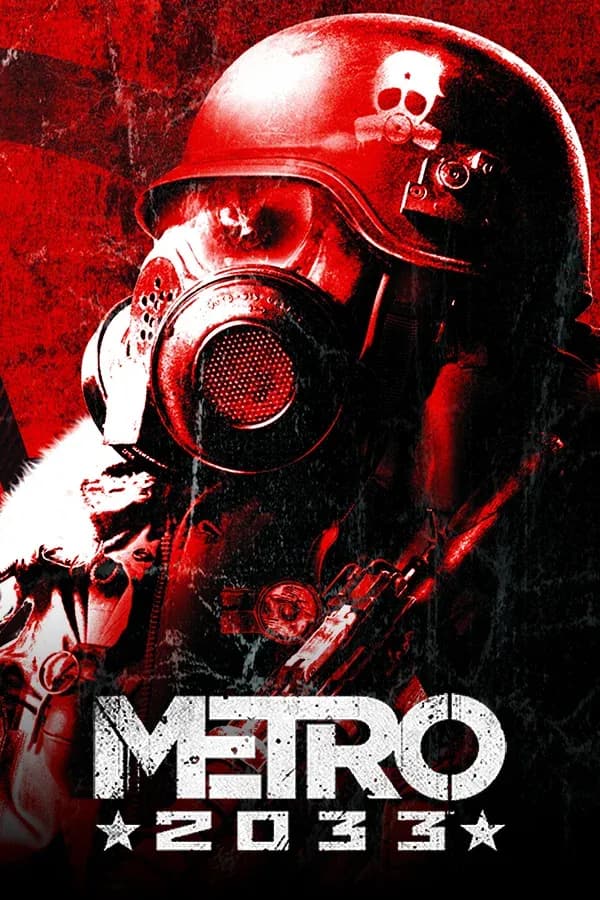
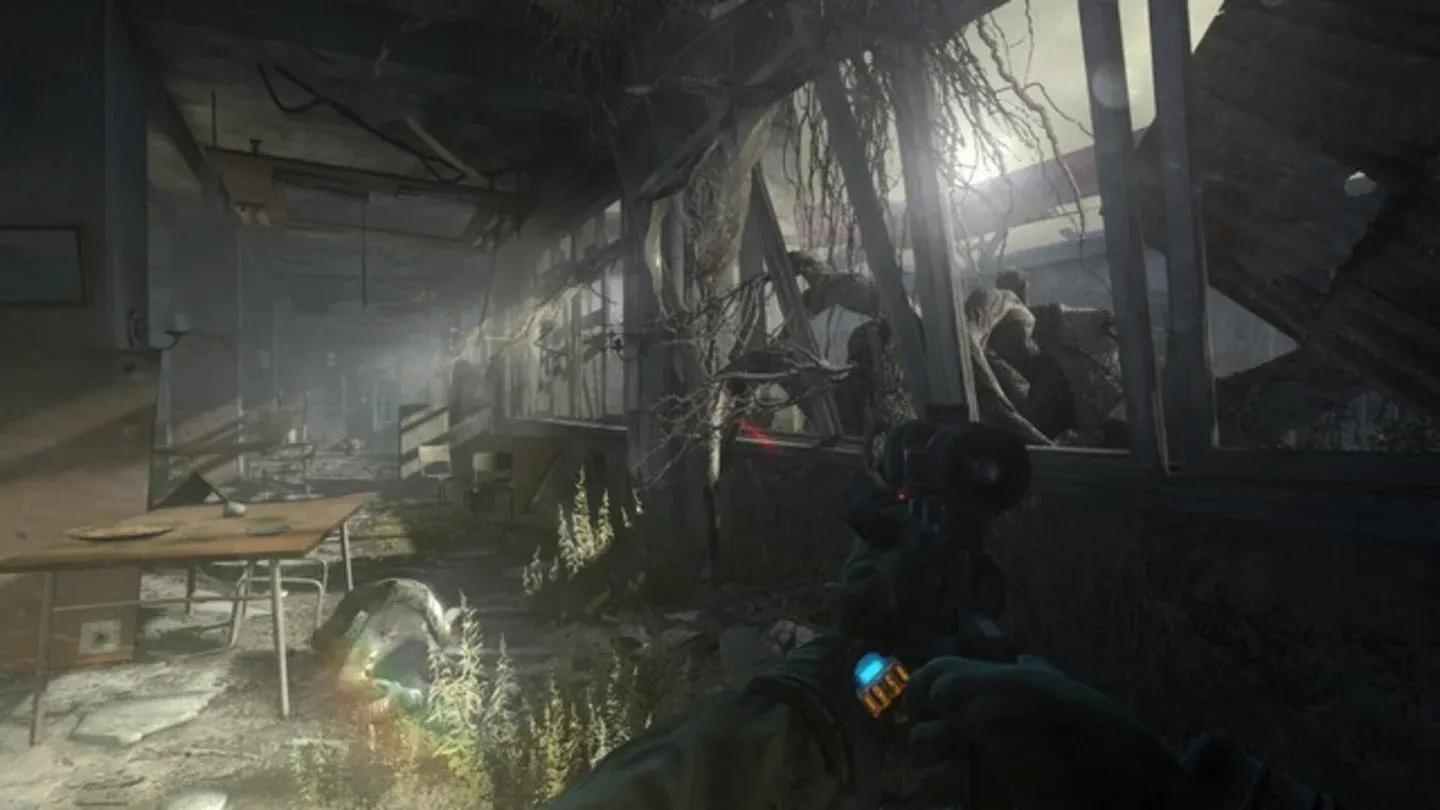
Metro: Last Light is a first-person shooter developed by 4A Games and published by Deep Silver, released on May 14, 2013. Set one year after the events of Metro 2033, it follows Artyom through the tunnels beneath a ruined Moscow as warring factions tear apart what little civilization remains underground. The game picks up after the bad ending of its predecessor, with Artyom haunted by his role in the destruction of the Dark Ones and searching for a mysterious survivor called the Prisoner.
The narrative structure is tight and intentional. Artyom is not a blank-slate protagonist; he carries weight from the start, and the world around him reflects that. Station-cities are locked in conflict over D6, a military vault containing weapons capable of ending what remains of humanity. The story moves through these factions without painting any of them as straightforwardly heroic, which gives the writing more texture than most shooters in the genre.
Gameplay and mechanics
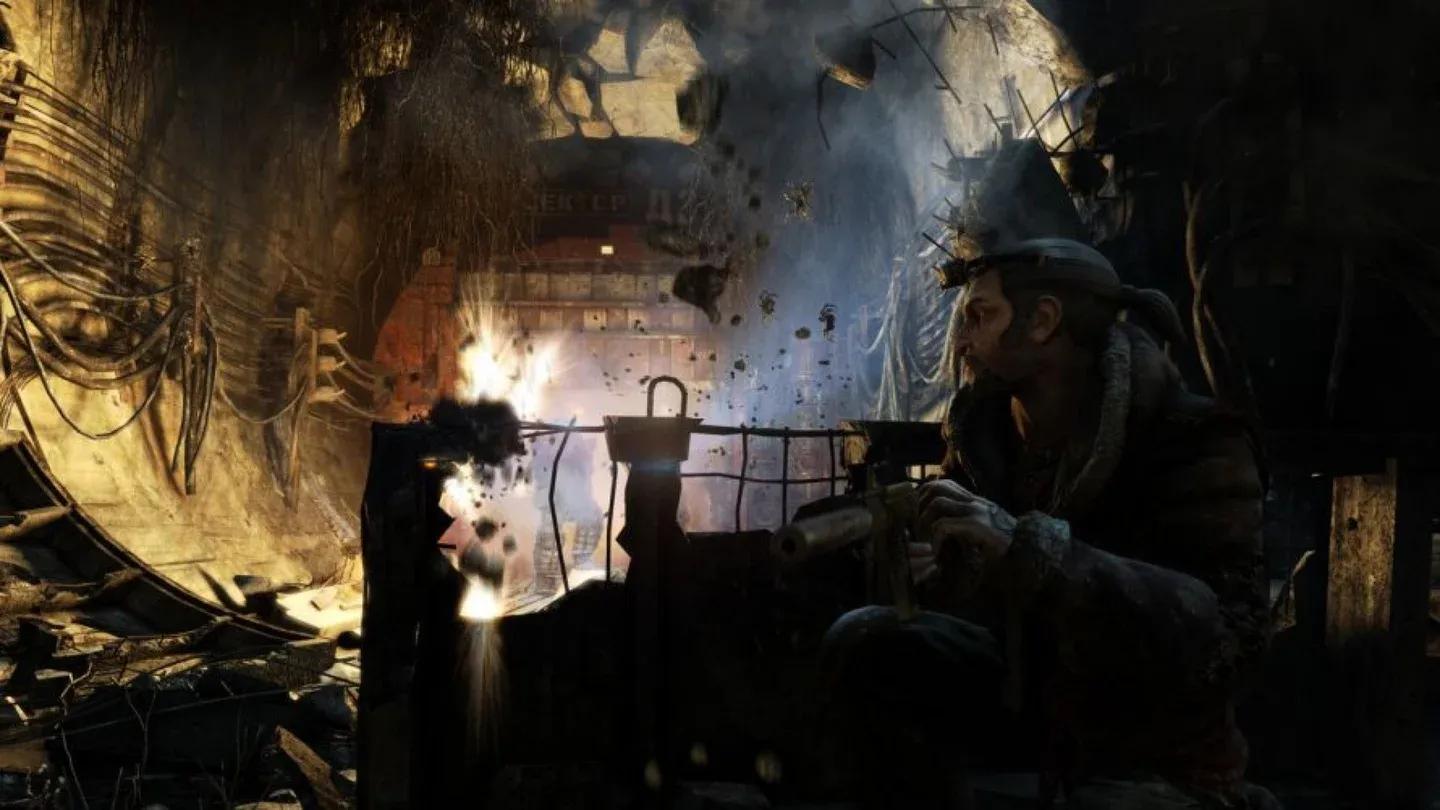
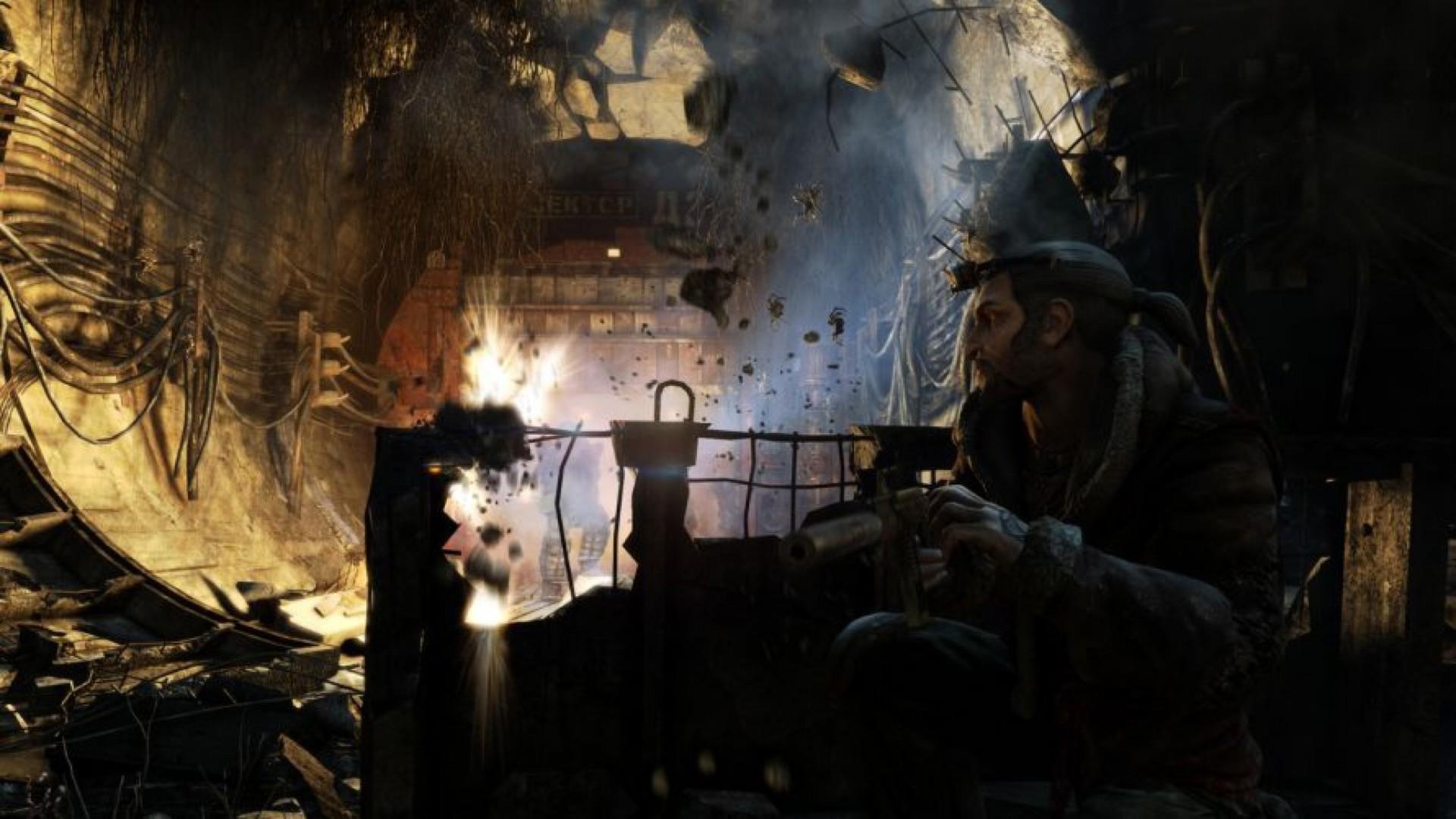
The core loop of Metro: Last Light rewards patience over aggression. Artyom can carry up to 3 weapons, and ammunition is genuinely scarce. Military-grade bullets function as currency in the Metro economy, which creates a constant tension between spending rounds on combat and saving them to trade for supplies. That mechanic alone sets the game apart from shooters where ammo is wallpaper.
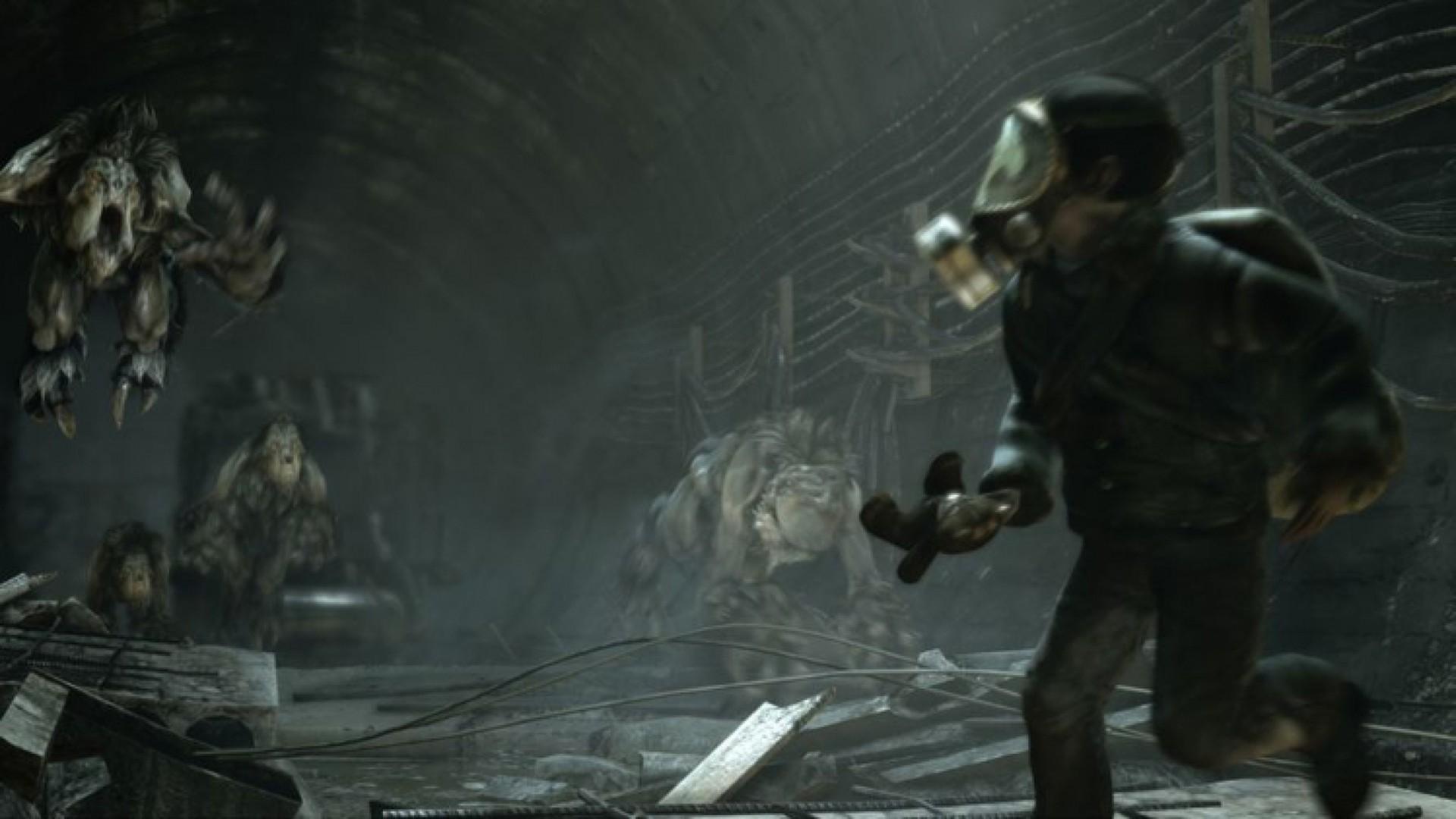
Key mechanics that define the experience:
- Stealth takedowns (lethal and non-lethal options)
- Gas mask maintenance and filter management
- Bullet-economy resource management
- Light-based stealth system
- Moral choice tracking through hidden actions
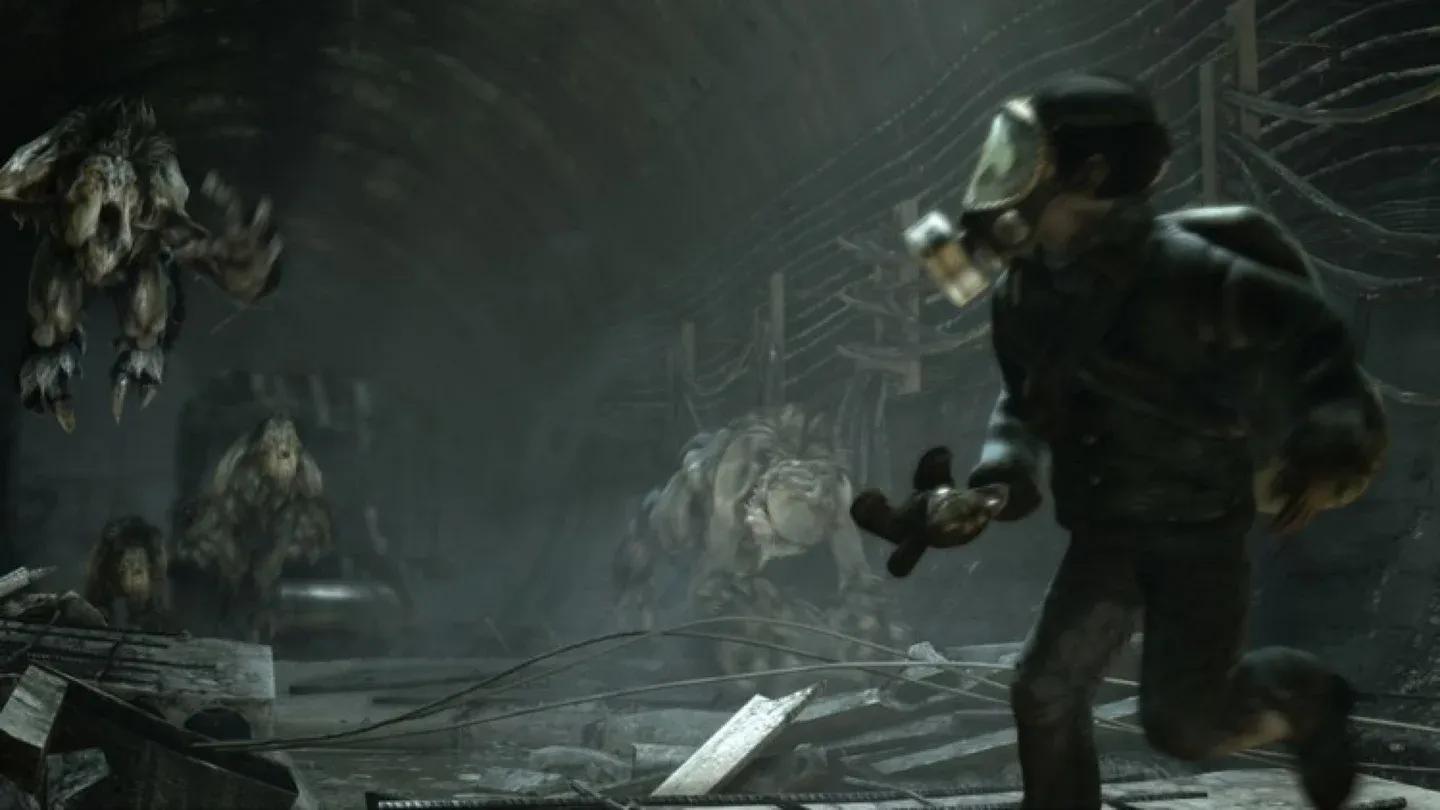
Stealth is encouraged but never mandatory. Players can engage enemies directly, but burning through ammunition against human opponents leaves very little for the mutant-heavy sections that follow. The game tracks moral choices quietly in the background, and those choices influence which ending Artyom reaches.
World and setting
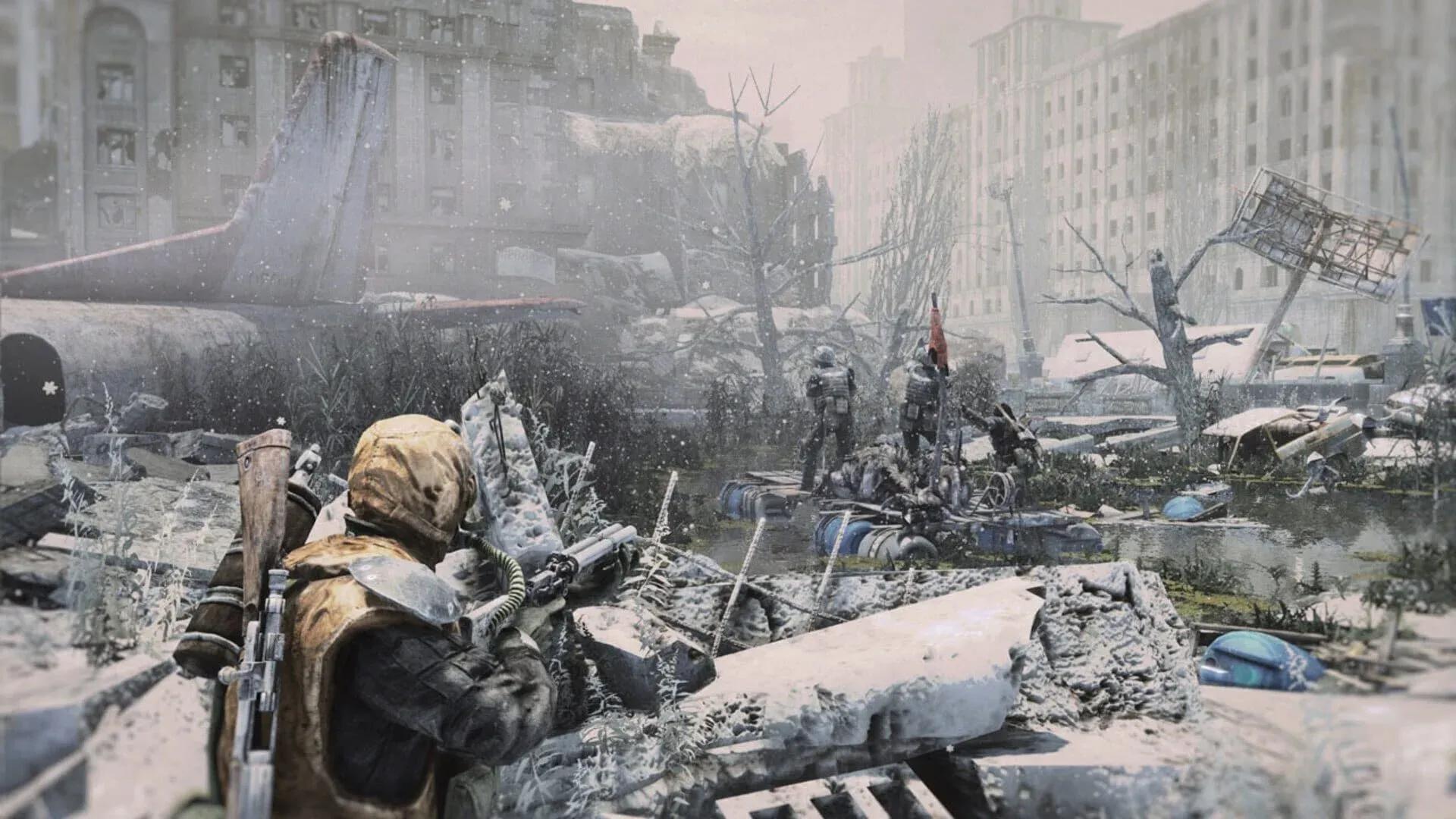
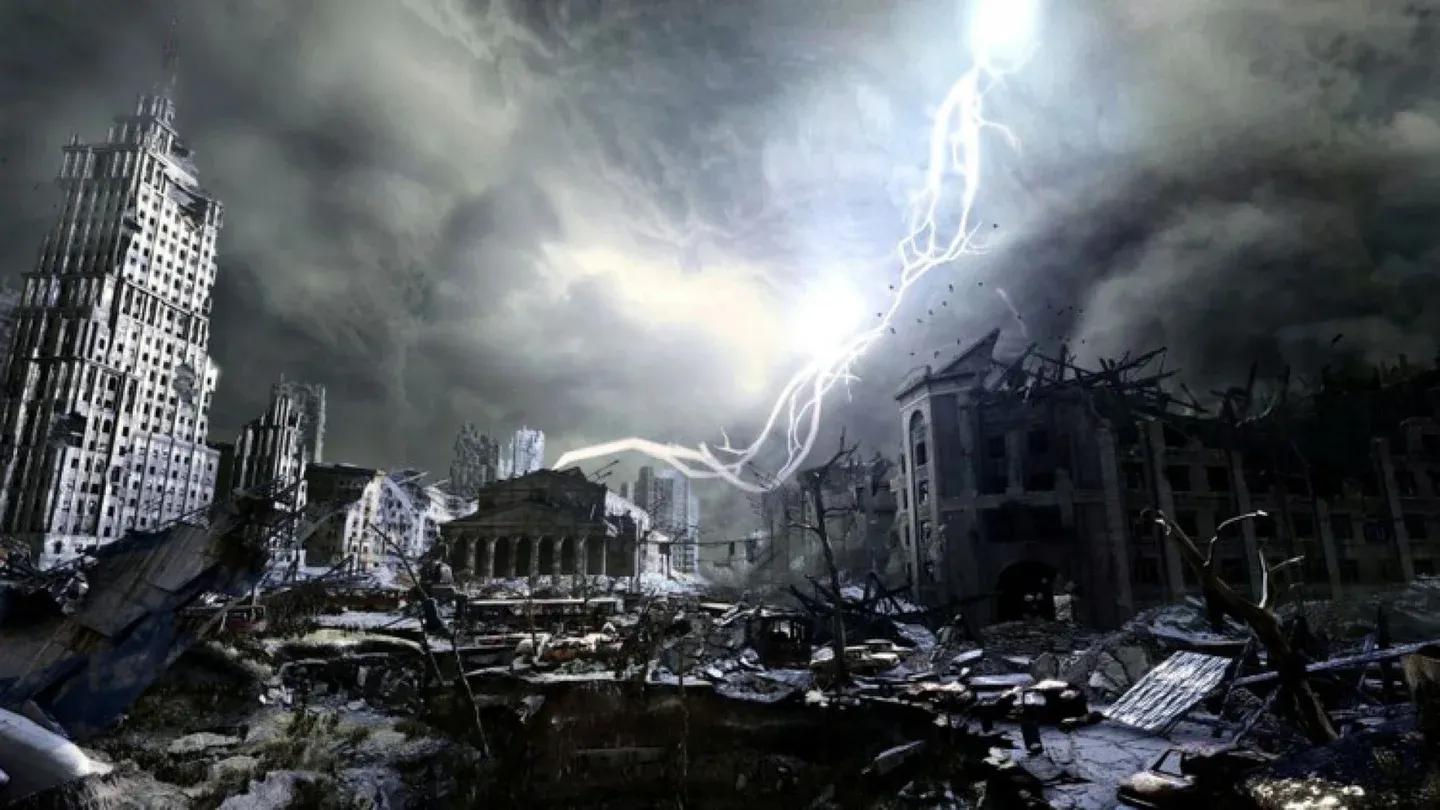
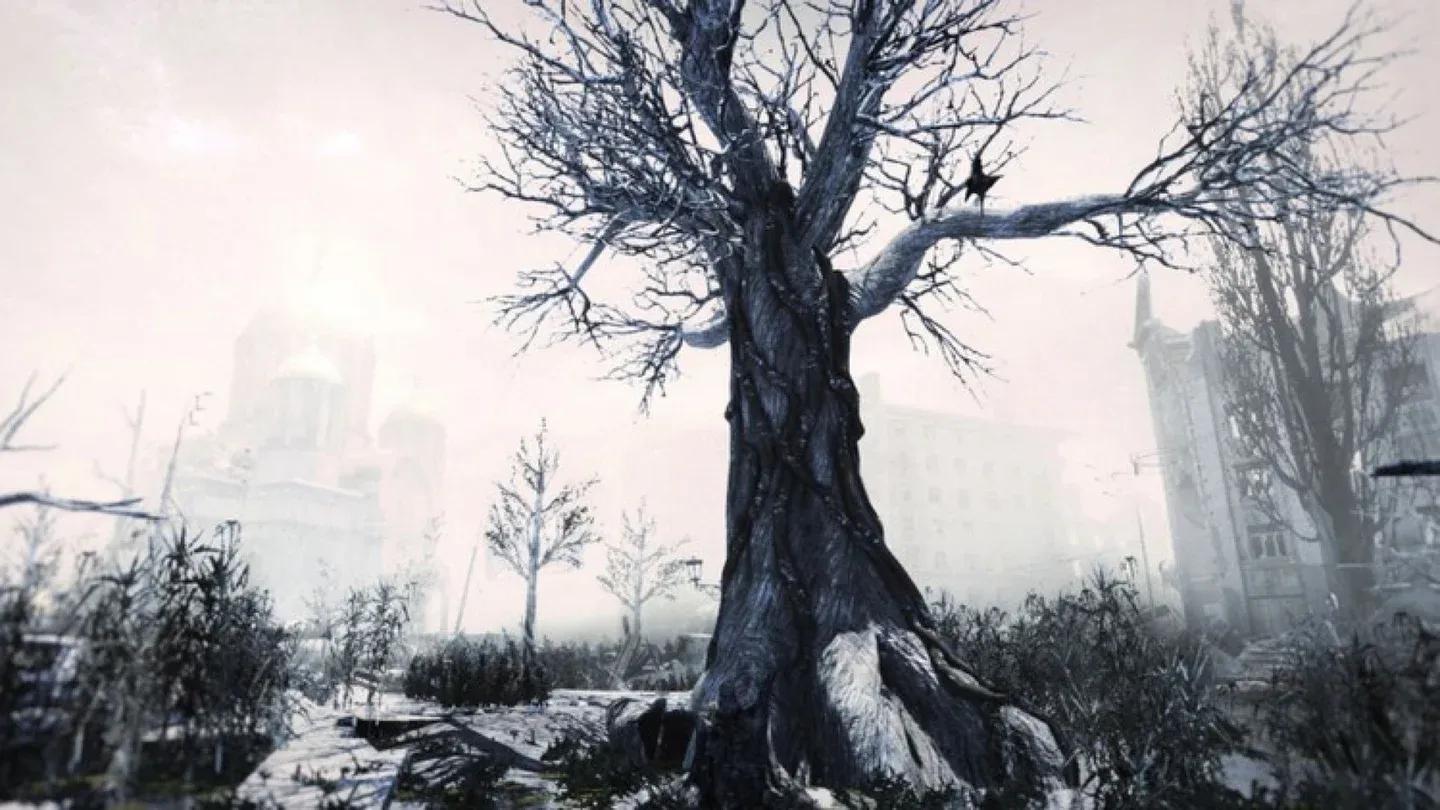
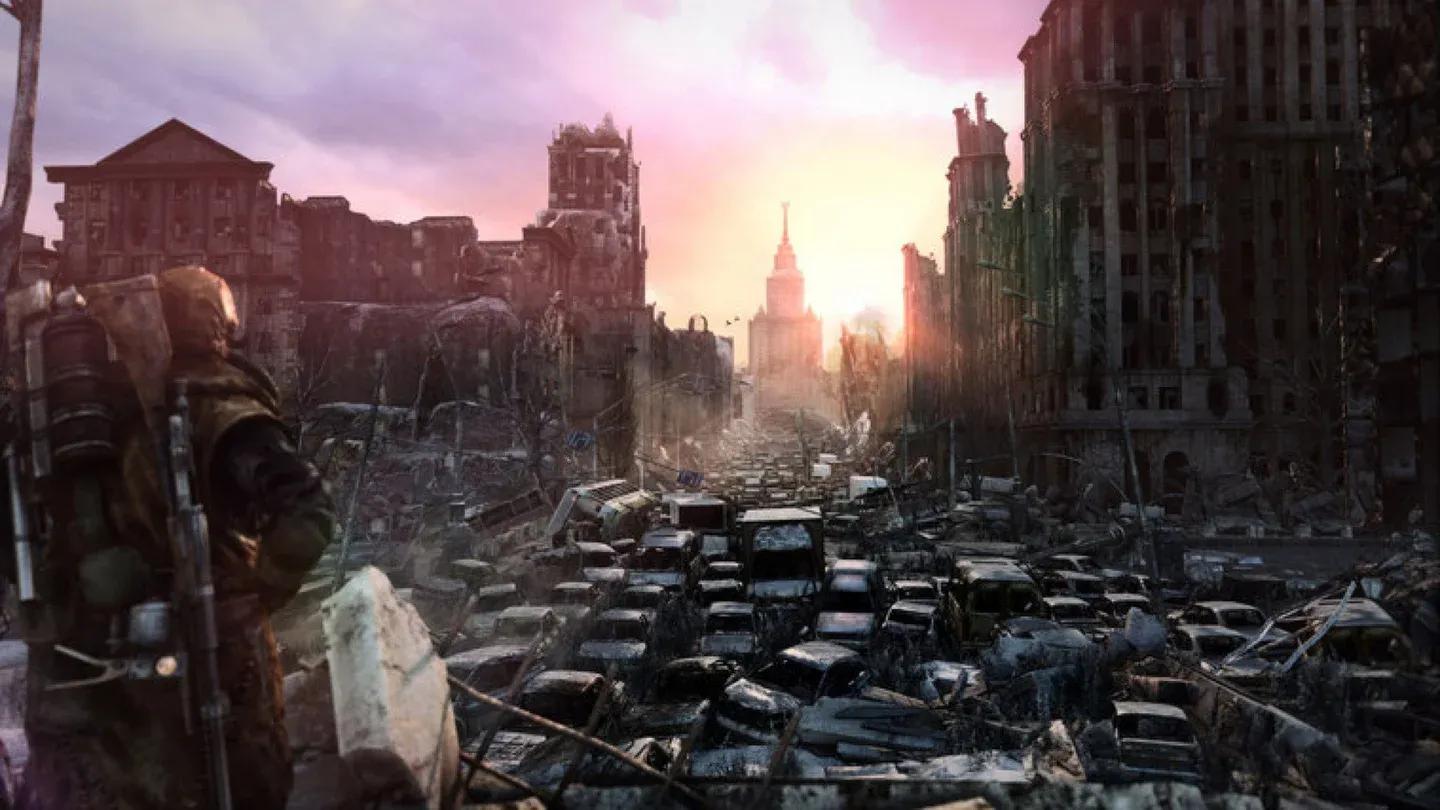
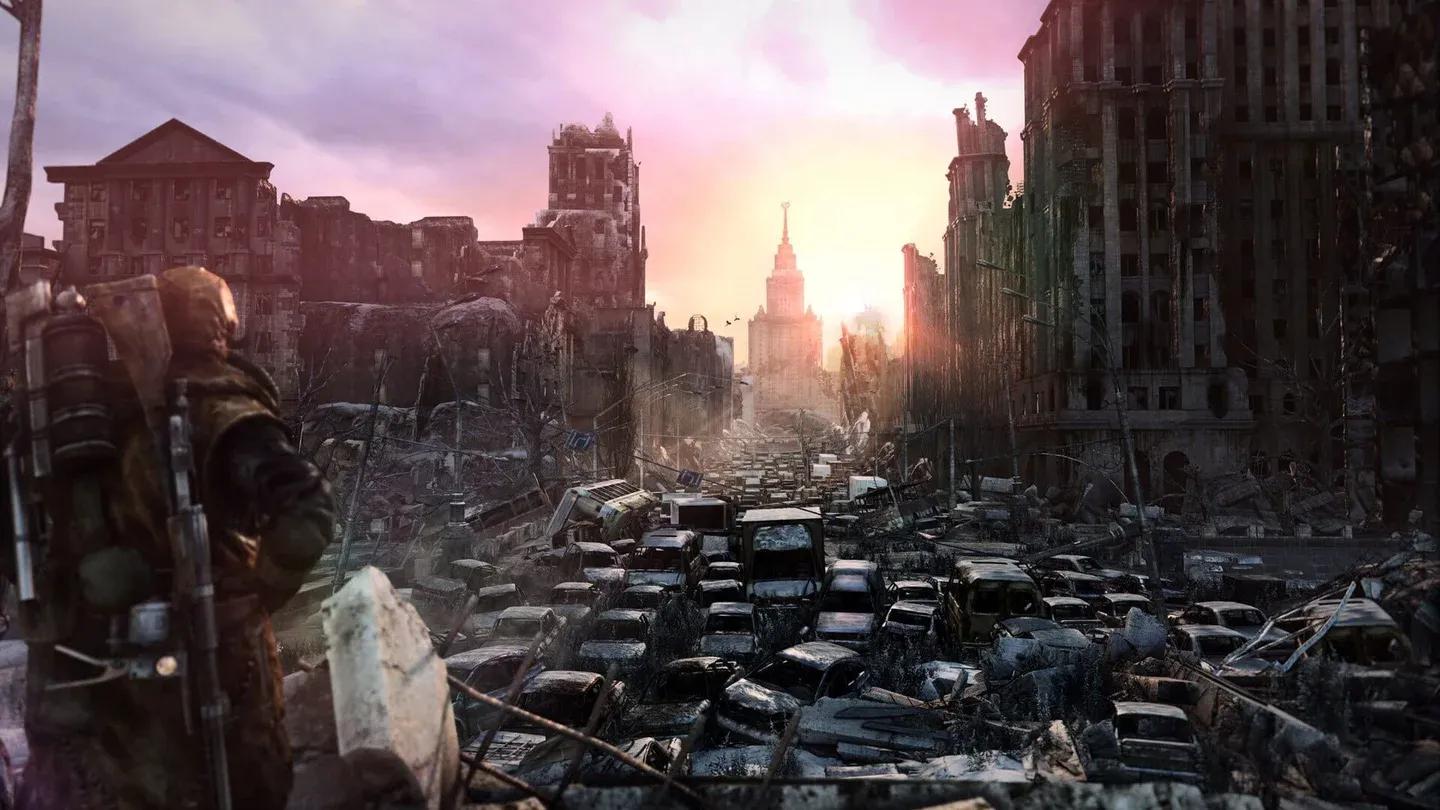
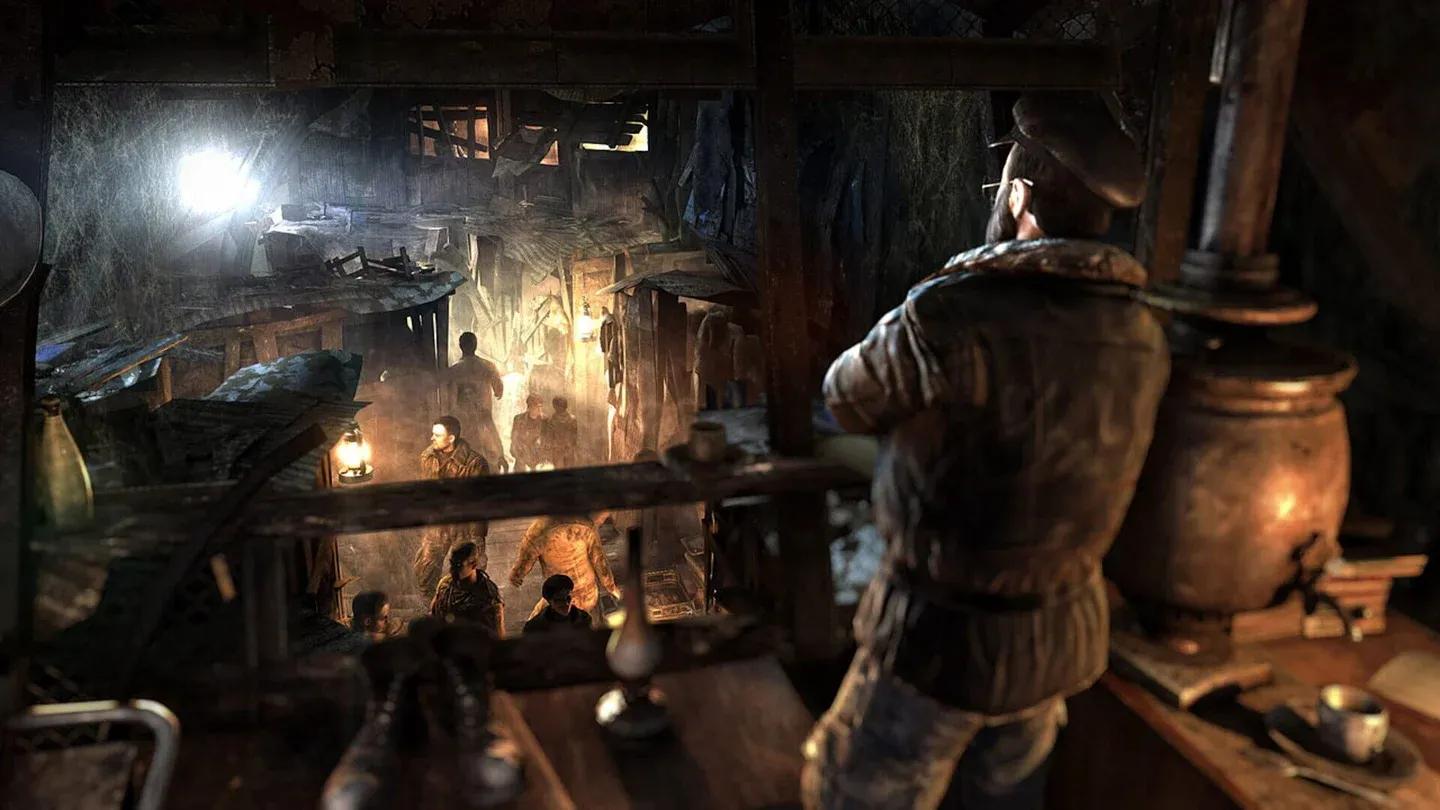
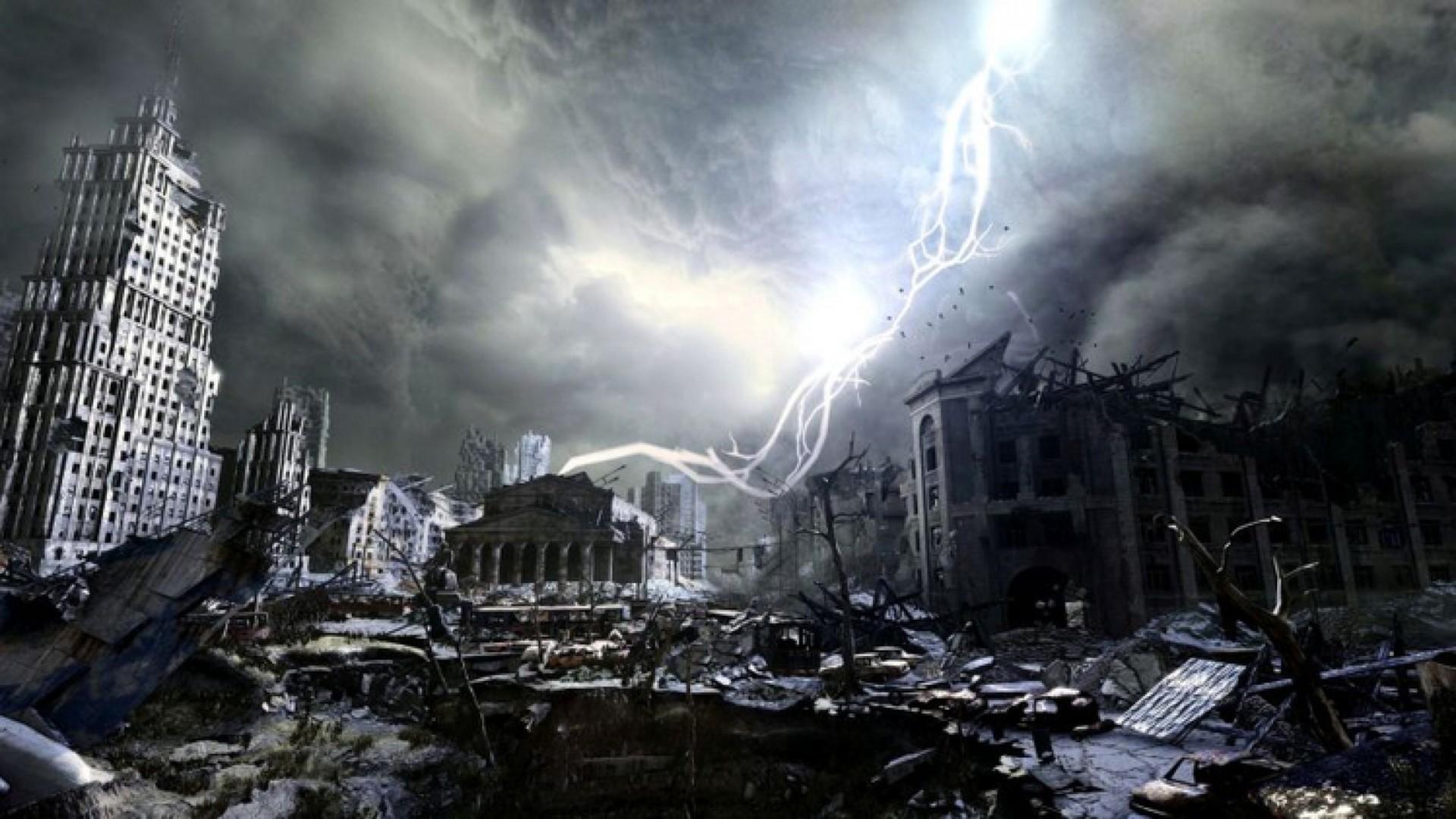
The Metro itself is the strongest character in Last Light. 4A Games built an underground world that feels genuinely lived-in, with cramped station-cities full of vendors, soldiers, refugees, and children who have never seen the surface. Above ground, the poisoned Moscow skyline is rendered in enough detail to feel oppressive rather than decorative.
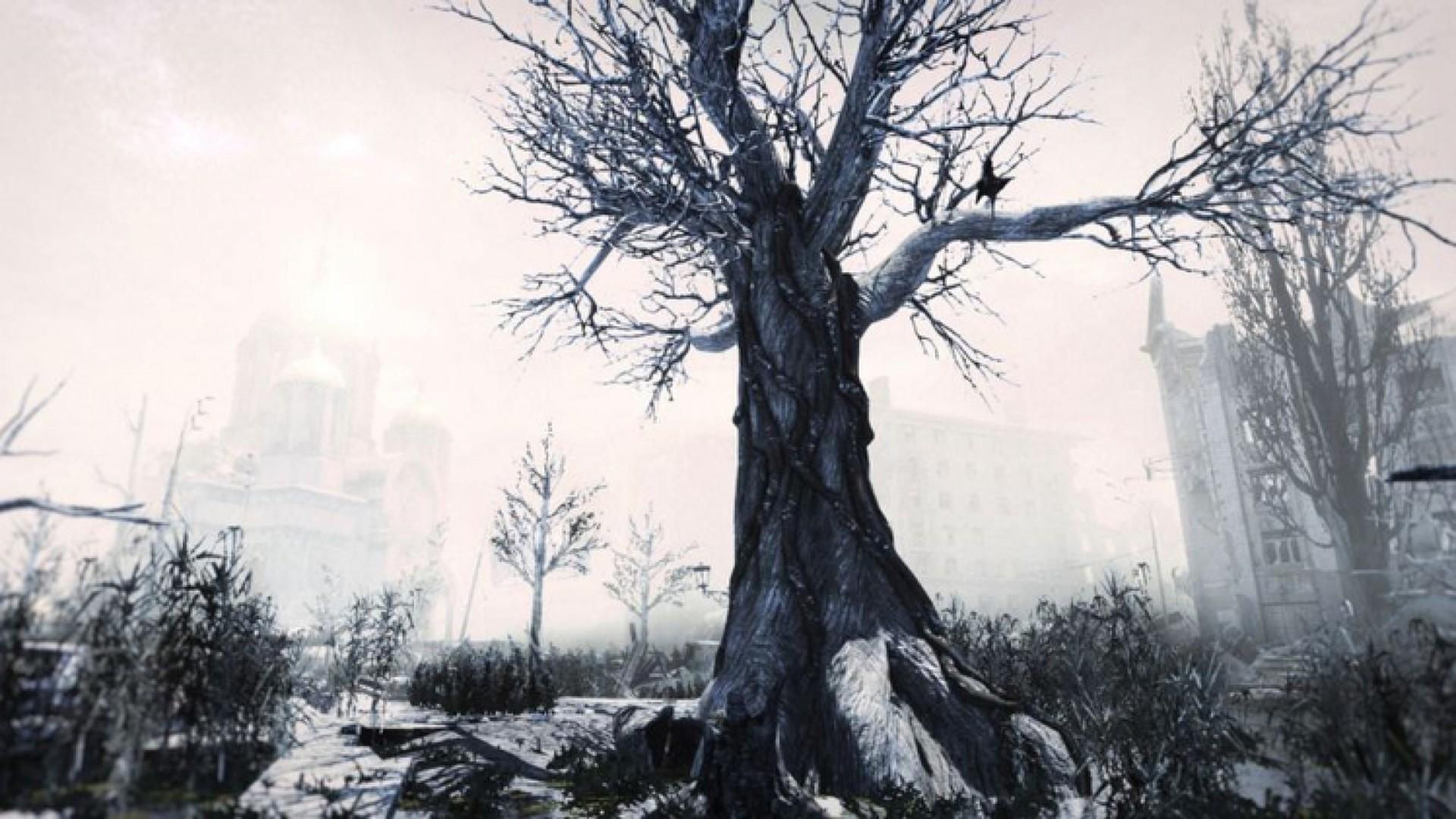
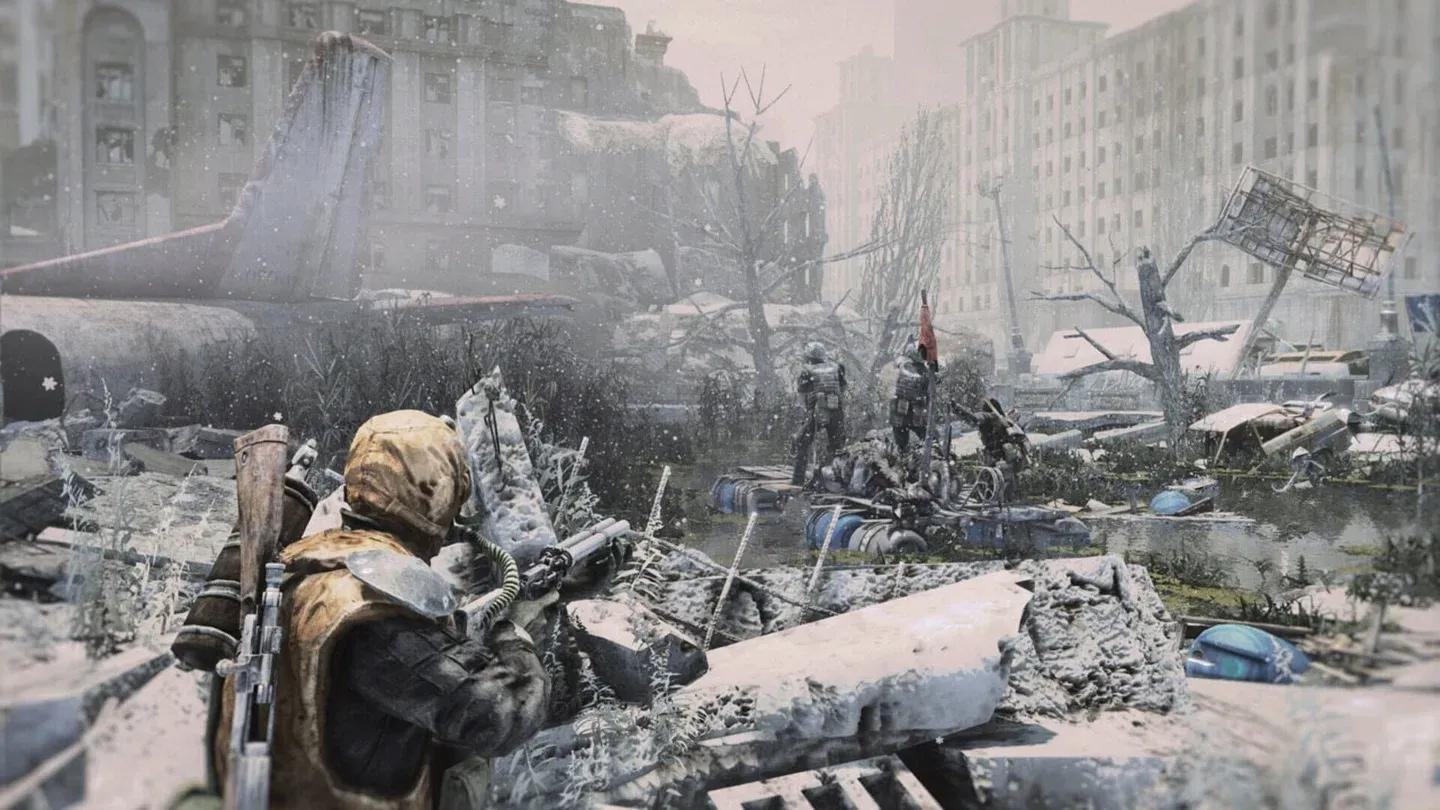
The surface sections are brief but memorable. Filter canisters tick down in real time, forcing players to move efficiently while still taking in the desolation around them. The contrast between the claustrophobic tunnels and the open, irradiated city above gives the pacing genuine variety.
Visual and audio design
For a 2013 release, Metro: Last Light pushed hardware hard. The Redux version, which is the edition currently available across PC, PlayStation, Xbox, macOS, and iOS, includes upgraded visuals and both Ranger Mode difficulty options. Ranger Mode strips the HUD entirely and reduces ammo drops further, turning the game into something closer to a survival horror experience than a conventional shooter.
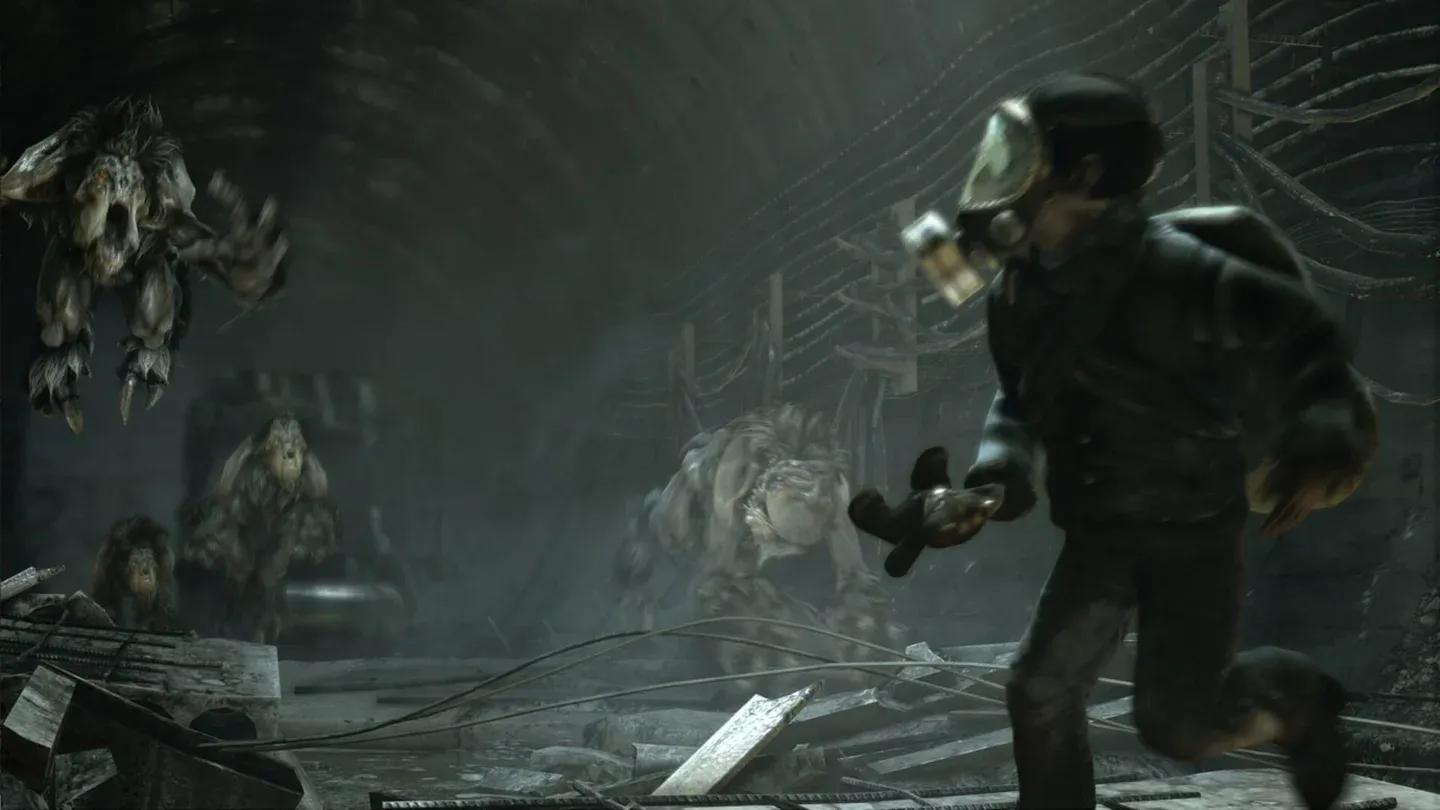
The audio design holds up across any version. Artyom's breathing through a damaged gas mask, the distant howl of mutants in flooded tunnels, the muffled gunfire of a faction skirmish in the next chamber: the sound work is specific enough to function as environmental storytelling on its own.
Is Metro: Last Light worth playing in Ranger Mode?
Ranger Mode is the definitive way to experience the game for players who want maximum tension. Removing the HUD forces full reliance on in-world visual cues, reduced ammo scarcity pushes the bullet-economy system to its limit, and combat becomes genuinely dangerous rather than a bump in the road. It is a harder, leaner version of an already demanding post-apocalyptic shooter, and it rewards the kind of attention the game's atmosphere is designed to hold.