Overview
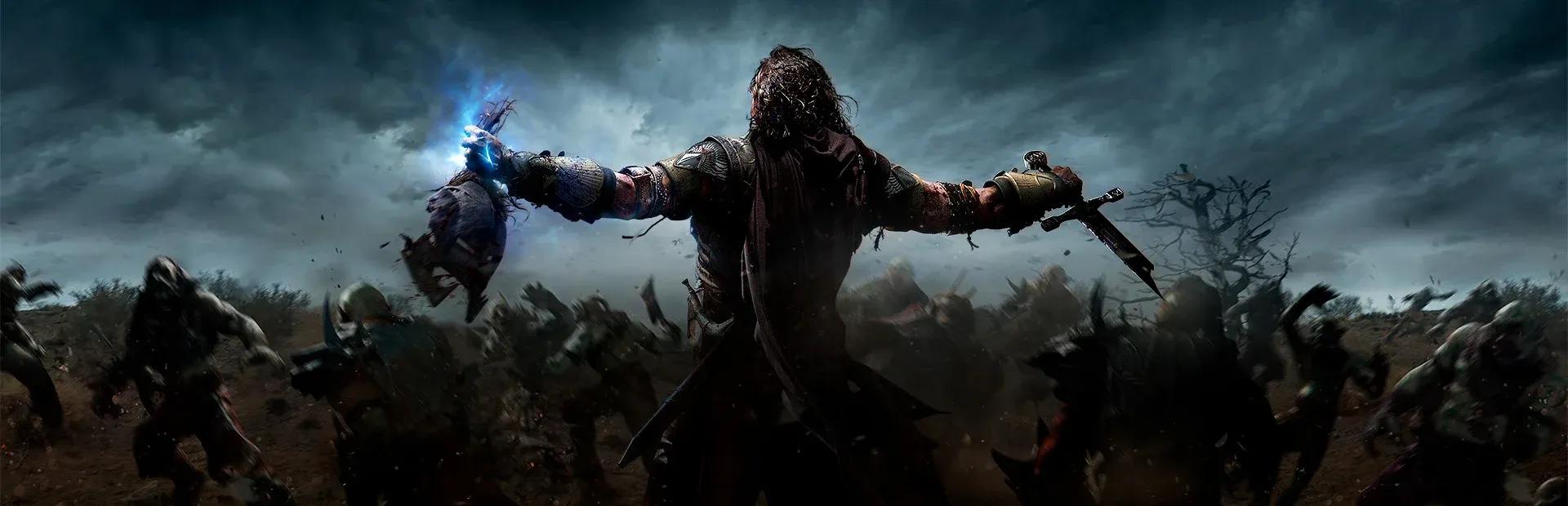
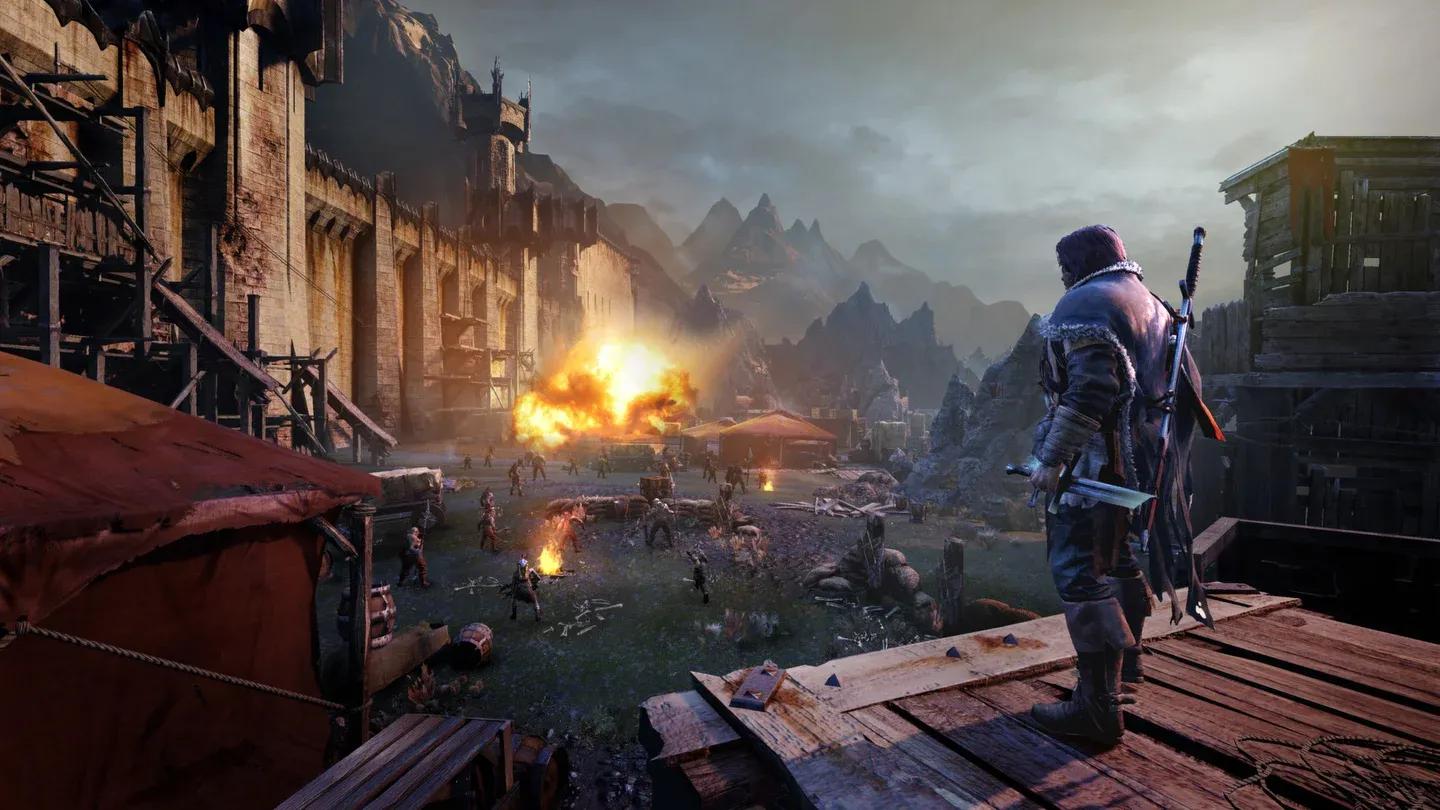
Middle-earth: Shadow of Mordor is an open-world action RPG developed by Monolith Productions and published by Warner Bros. Interactive Entertainment. Released in September 2014, it drops players into Mordor as Talion, a Ranger of the Black Gate who is killed alongside his family and resurrected by a mysterious wraith spirit. What follows is a revenge-driven journey through a fully explorable Mordor, bridging the gap between the events of The Hobbit and The Lord of the Rings in Tolkien's own lore.
The game sits comfortably in the action RPG genre but earns its own identity through a mechanic no other game had attempted at the time. The Nemesis system turns Sauron's orc army into a living, breathing hierarchy where every captain has a name, a personality, and a memory. Kill one and another rises to fill the gap. Fail to kill one and he remembers you, showing up later with new tactics and a taunt built around your last encounter.
Gameplay and mechanics
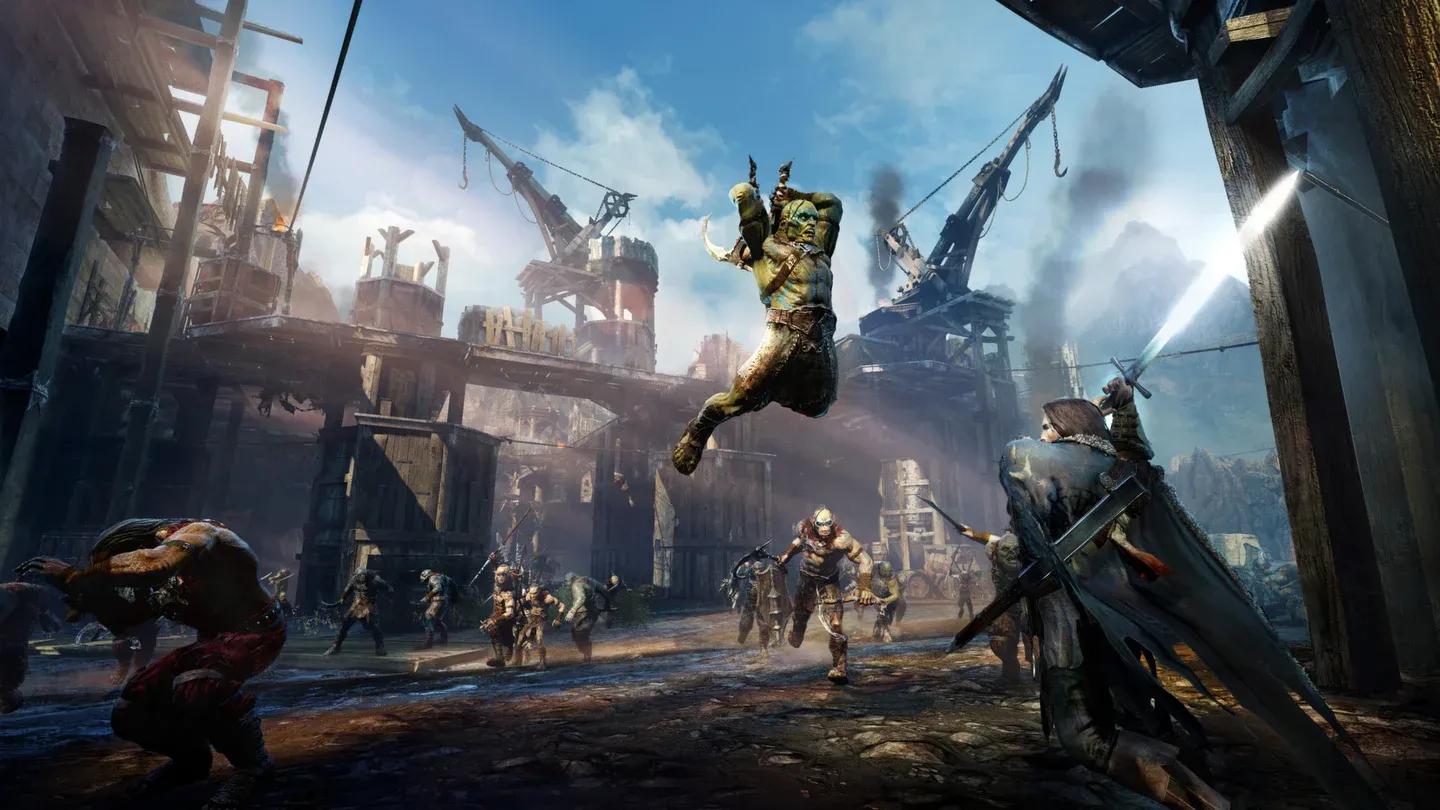
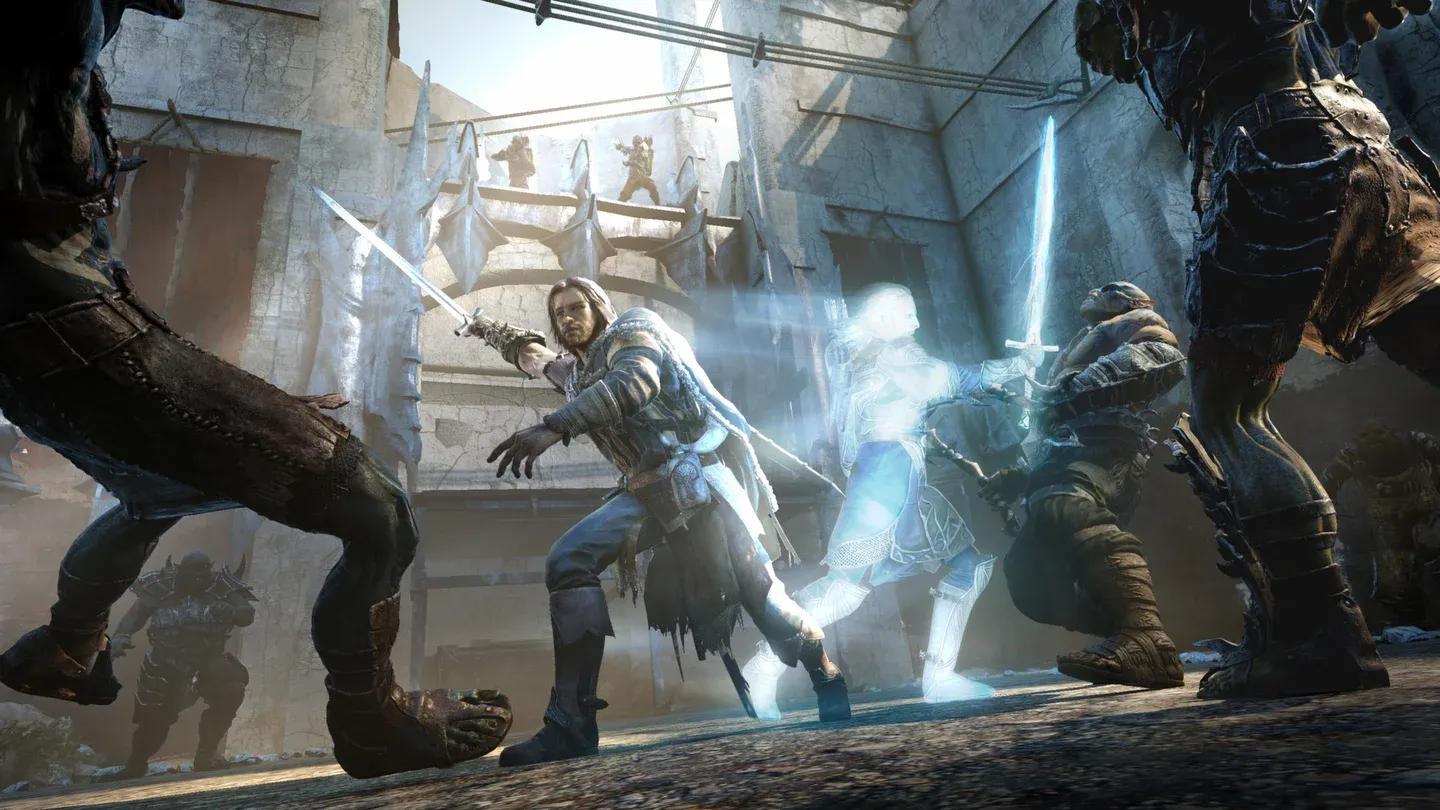
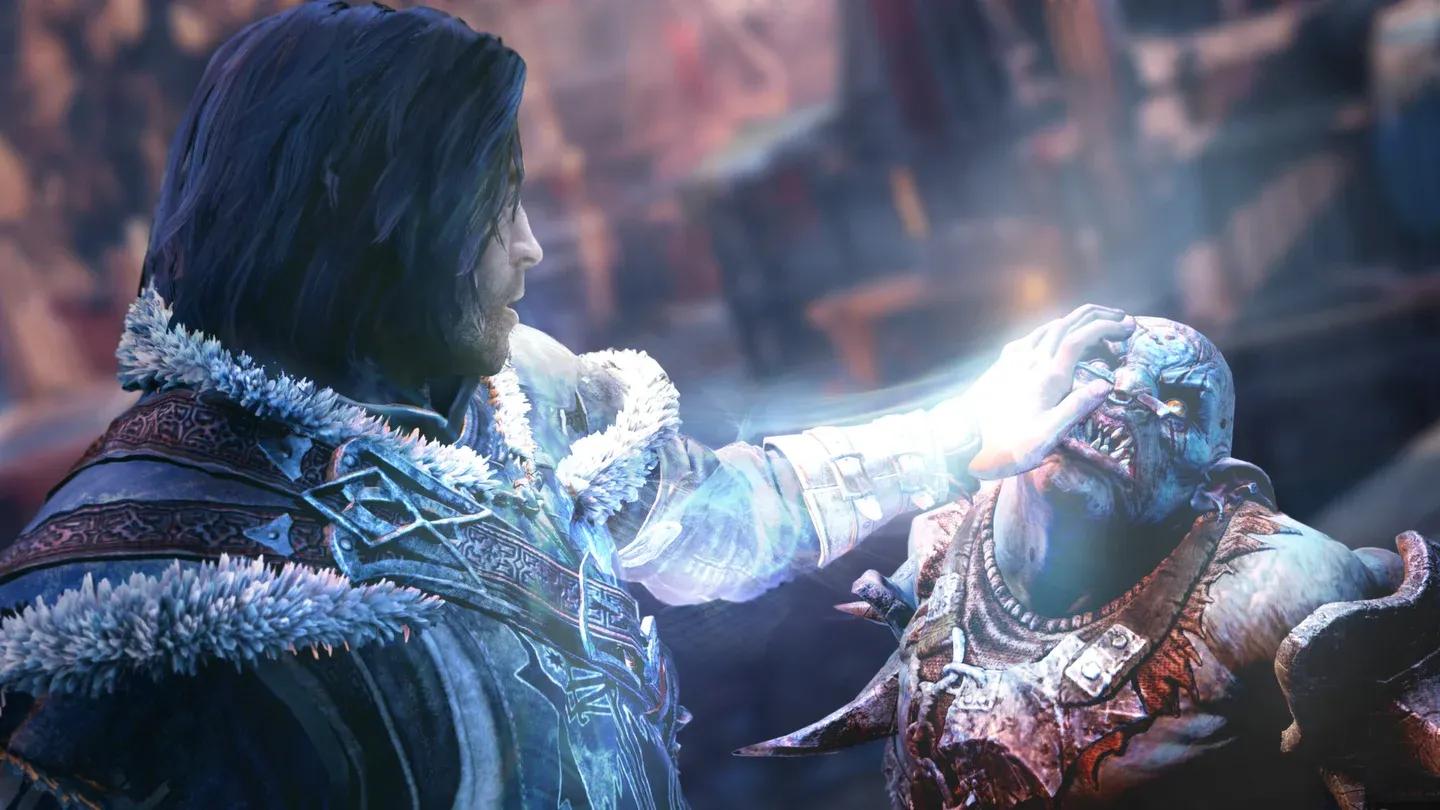
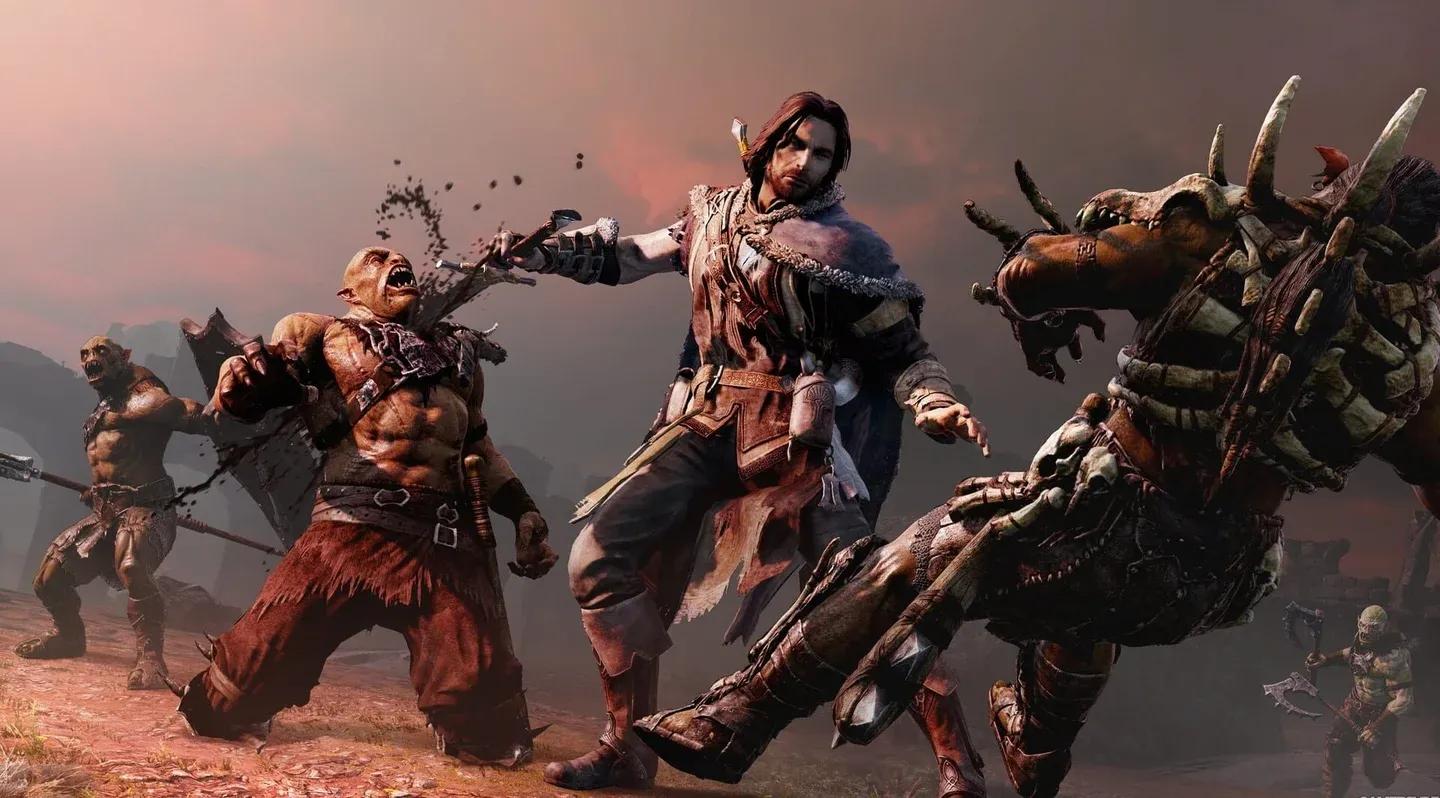
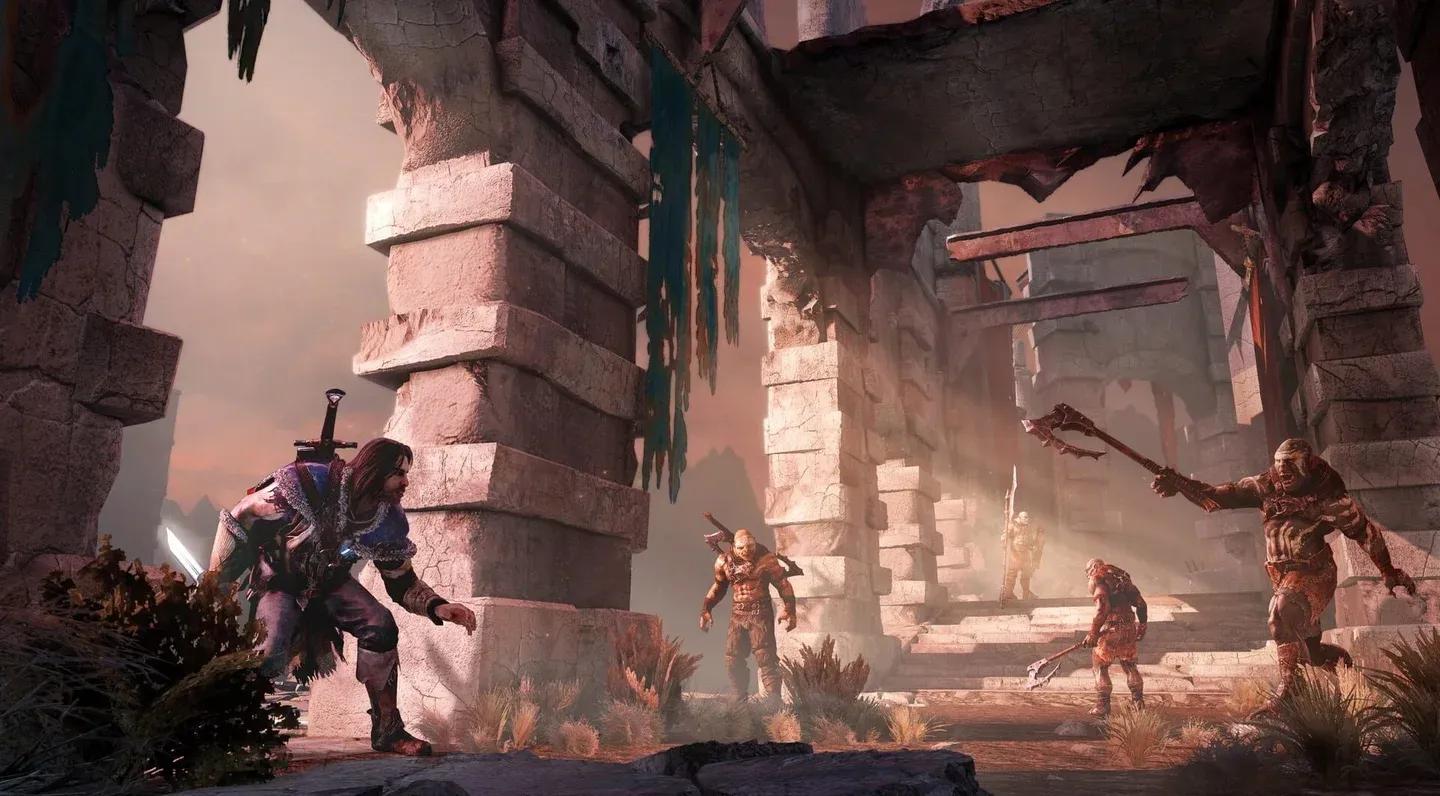
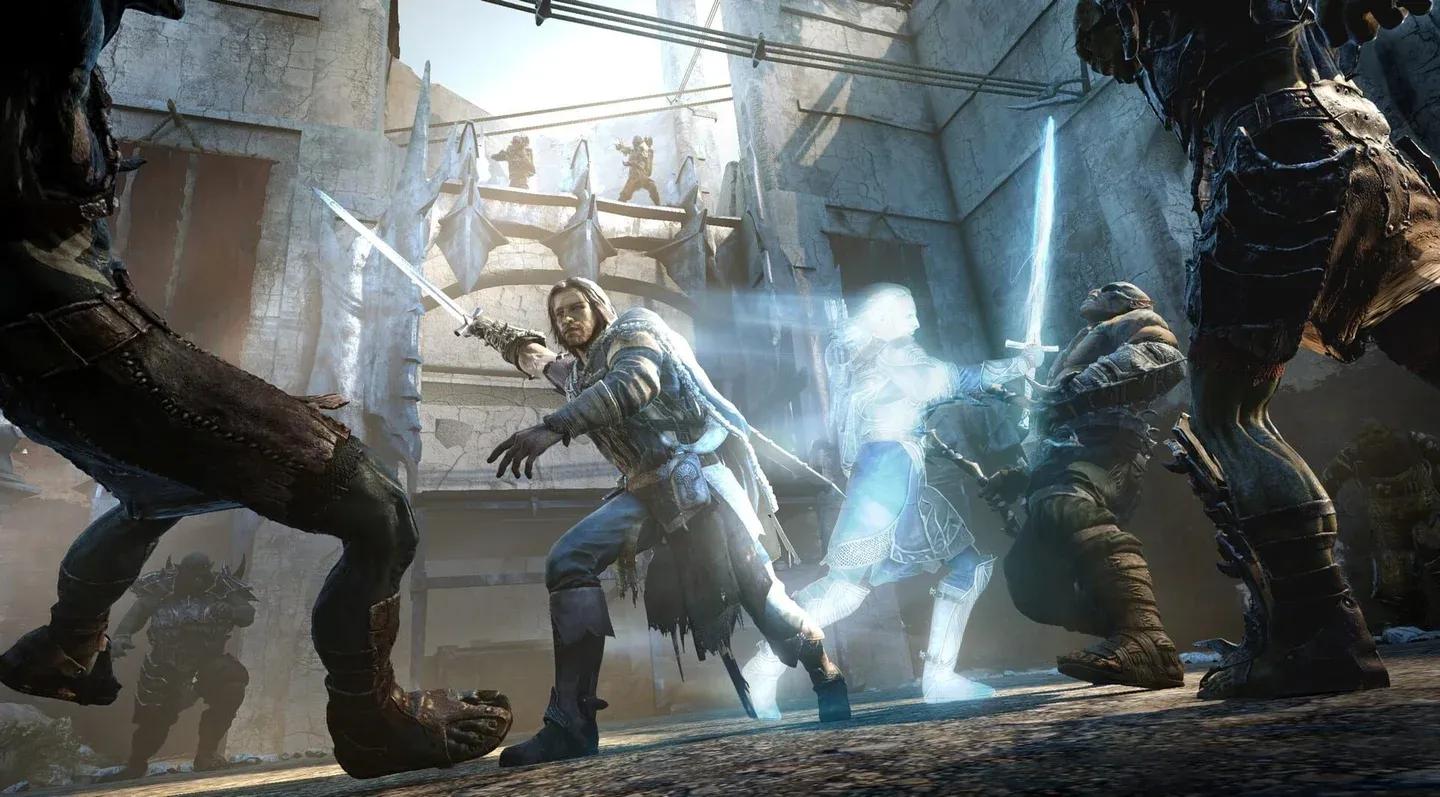
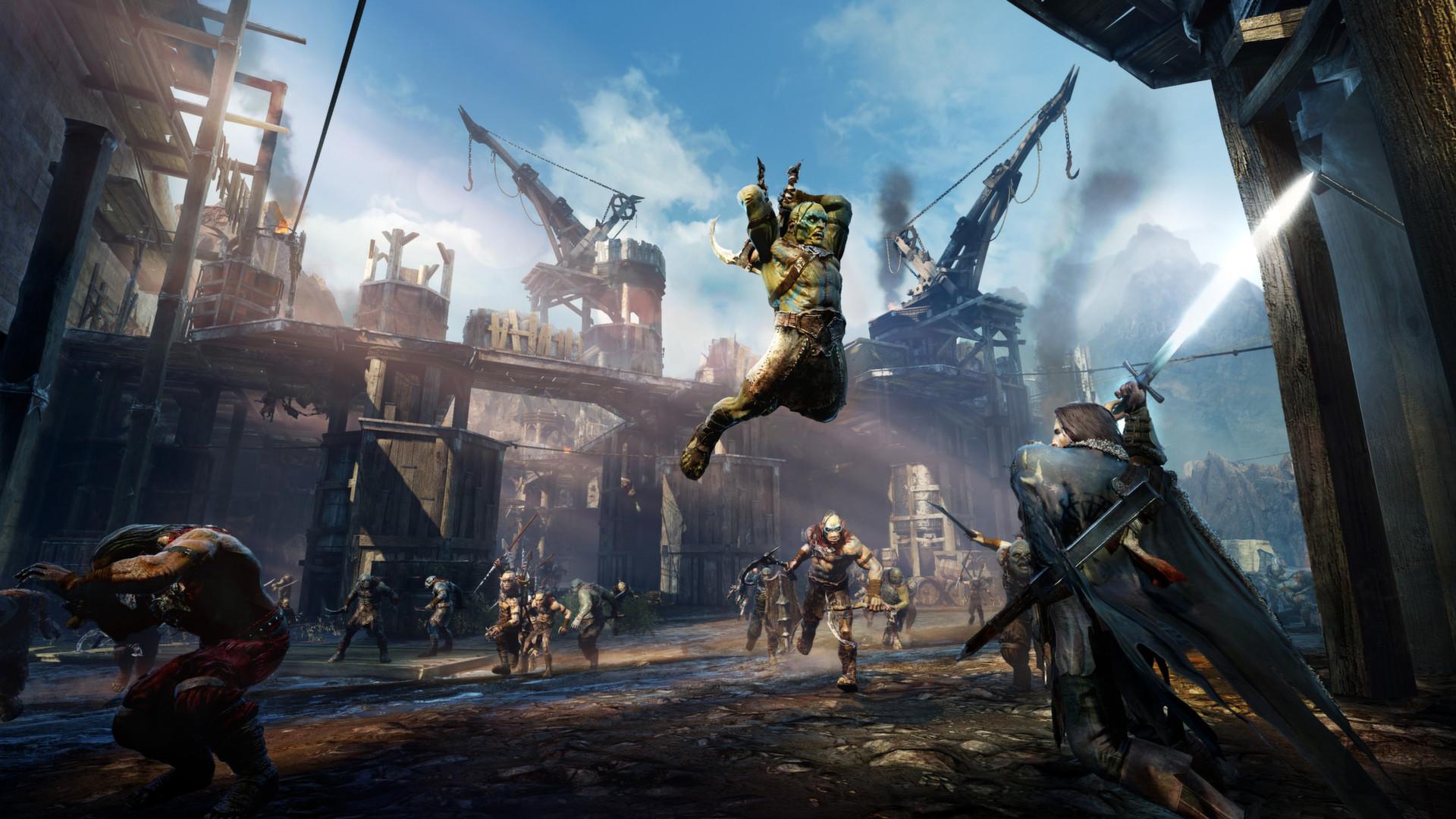
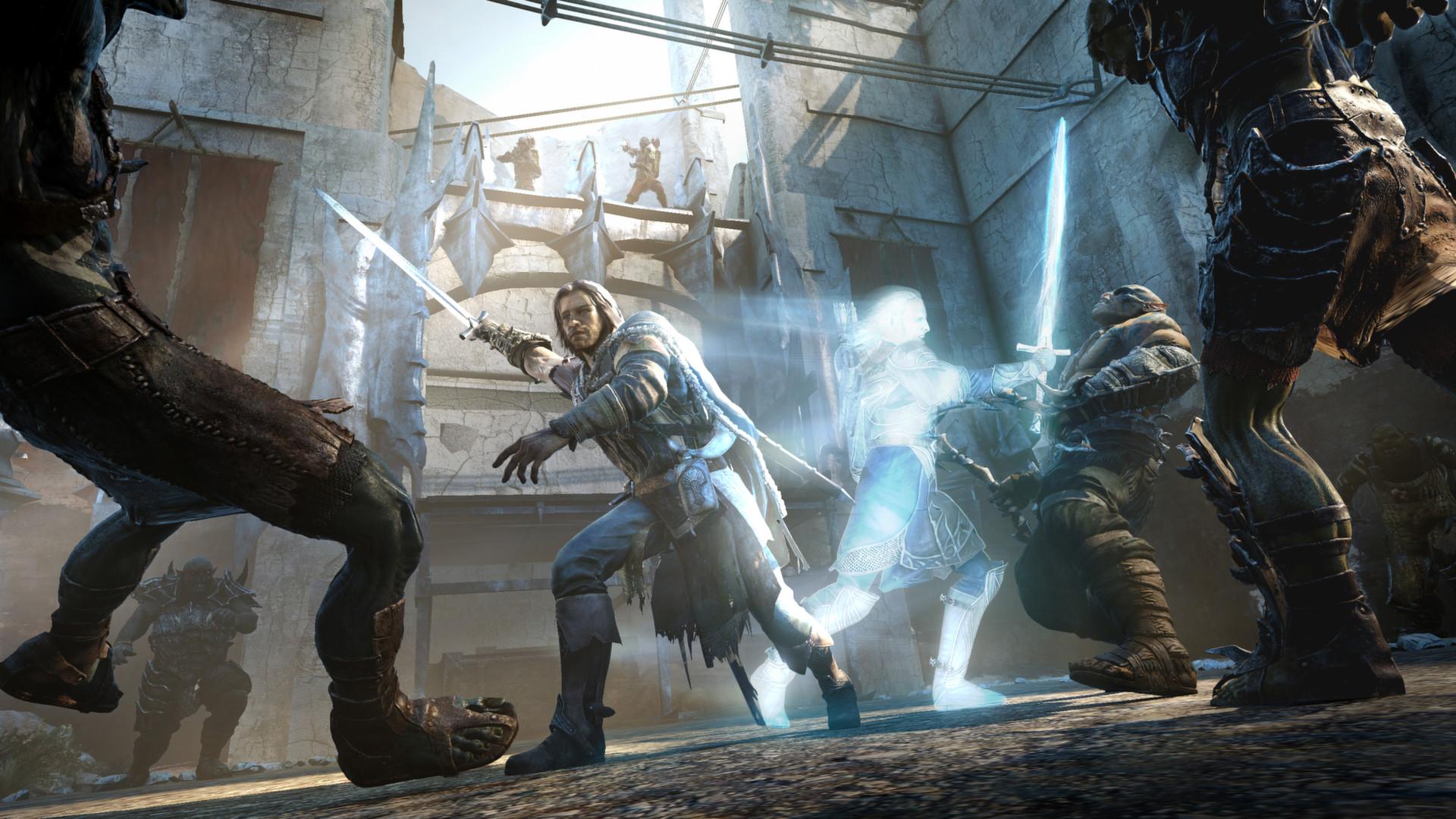
Combat in Shadow of Mordor takes clear inspiration from the Batman: Arkham series, built around rhythm-based melee where chaining regular attacks with well-timed counters builds a combo multiplier. Talion can also channel his wraith abilities for ranged attacks and supernatural stealth kills, giving players real flexibility in how they approach a fight.
Key mechanics at a glance:
- Nemesis system with persistent enemy memory
- Combo-based melee with counter-attack rhythm
- Wraith powers for stealth and ranged combat
- Experience-based skill progression
- Side quests and random open-world events
The skill progression is straightforward but satisfying. Experience earned through combat and quests unlocks new abilities across both Talion's ranger skills and his wraith powers, letting players gradually build a fighting style that suits them.
What makes the Nemesis system different?
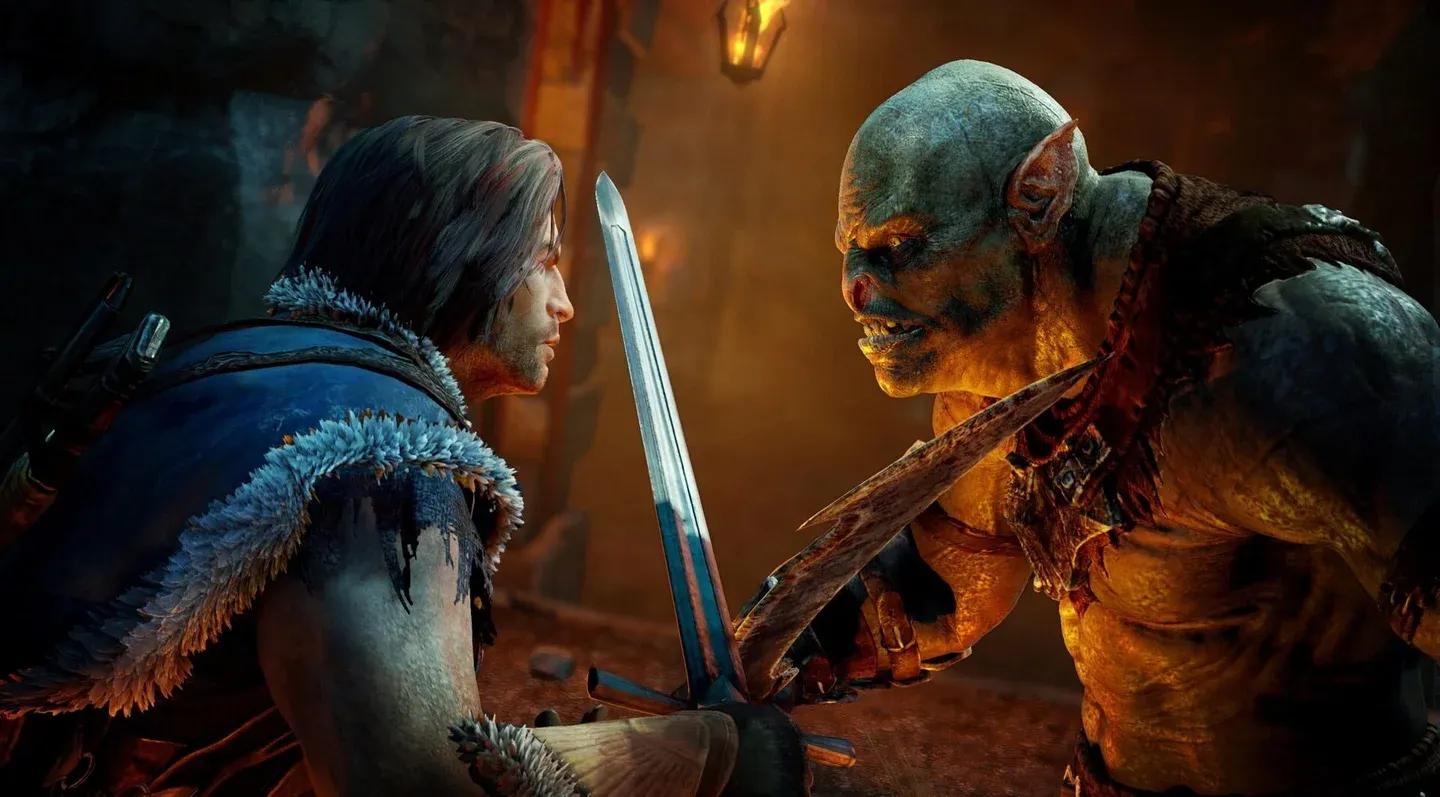
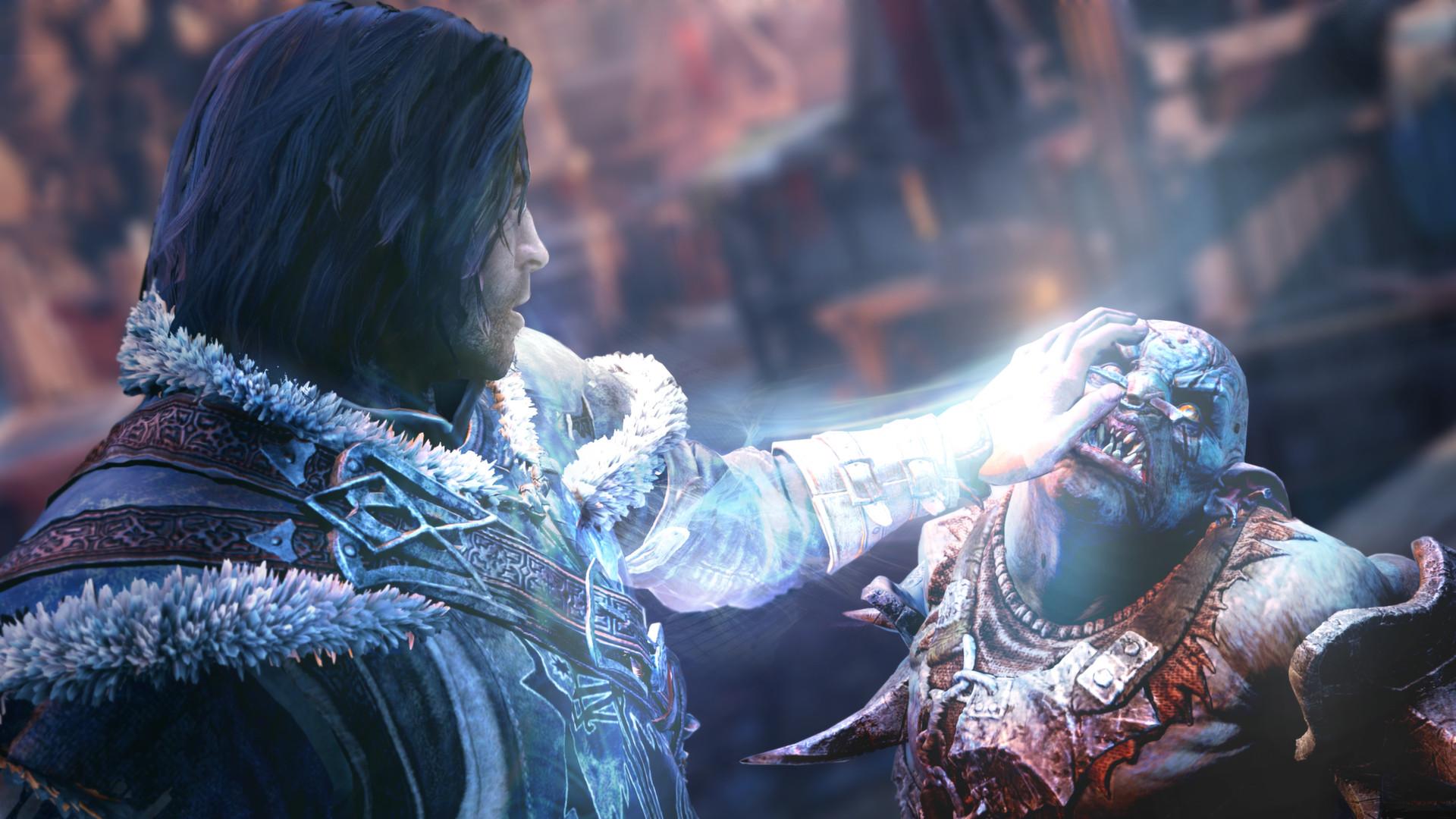
The Nemesis system is the single most talked-about feature in Shadow of Mordor, and for good reason. Every orc captain in Mordor exists as an individual unit with a rank, specific strengths, specific weaknesses, and a history with the player. If a captain kills Talion, that captain gets promoted and references the kill the next time the two meet. If Talion wounds a captain but escapes, that captain may track him down later seeking revenge.
This creates emergent storytelling that no two players experience the same way. A captain who starts as a mid-tier grunt can, through a series of encounters, become a genuine personal nemesis with a detailed shared history. The system won the Game of the Year award at multiple outlets in 2014, with Shadow of Mordor taking home over 50 "Best of 2014" honors including Most Innovative Game.
World and setting
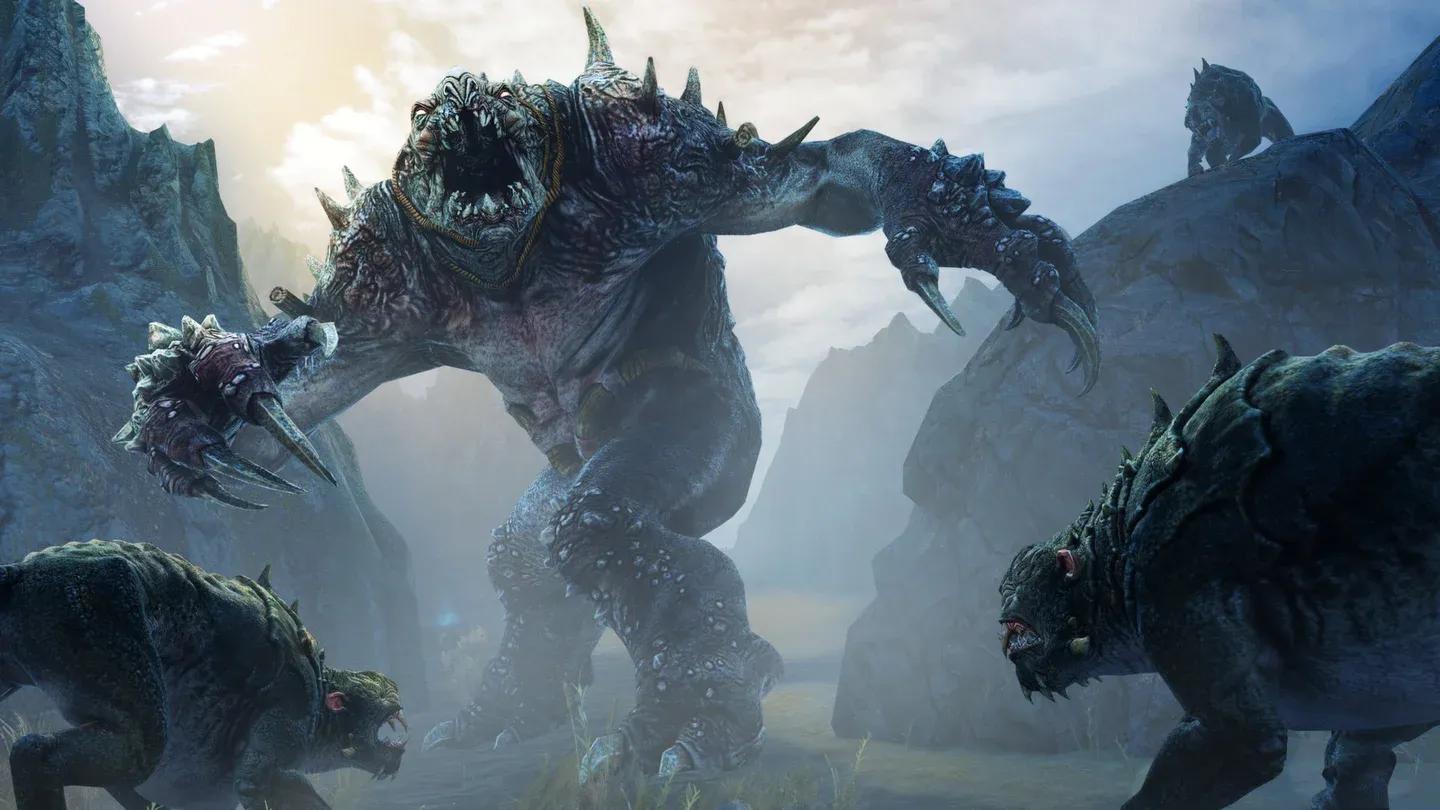
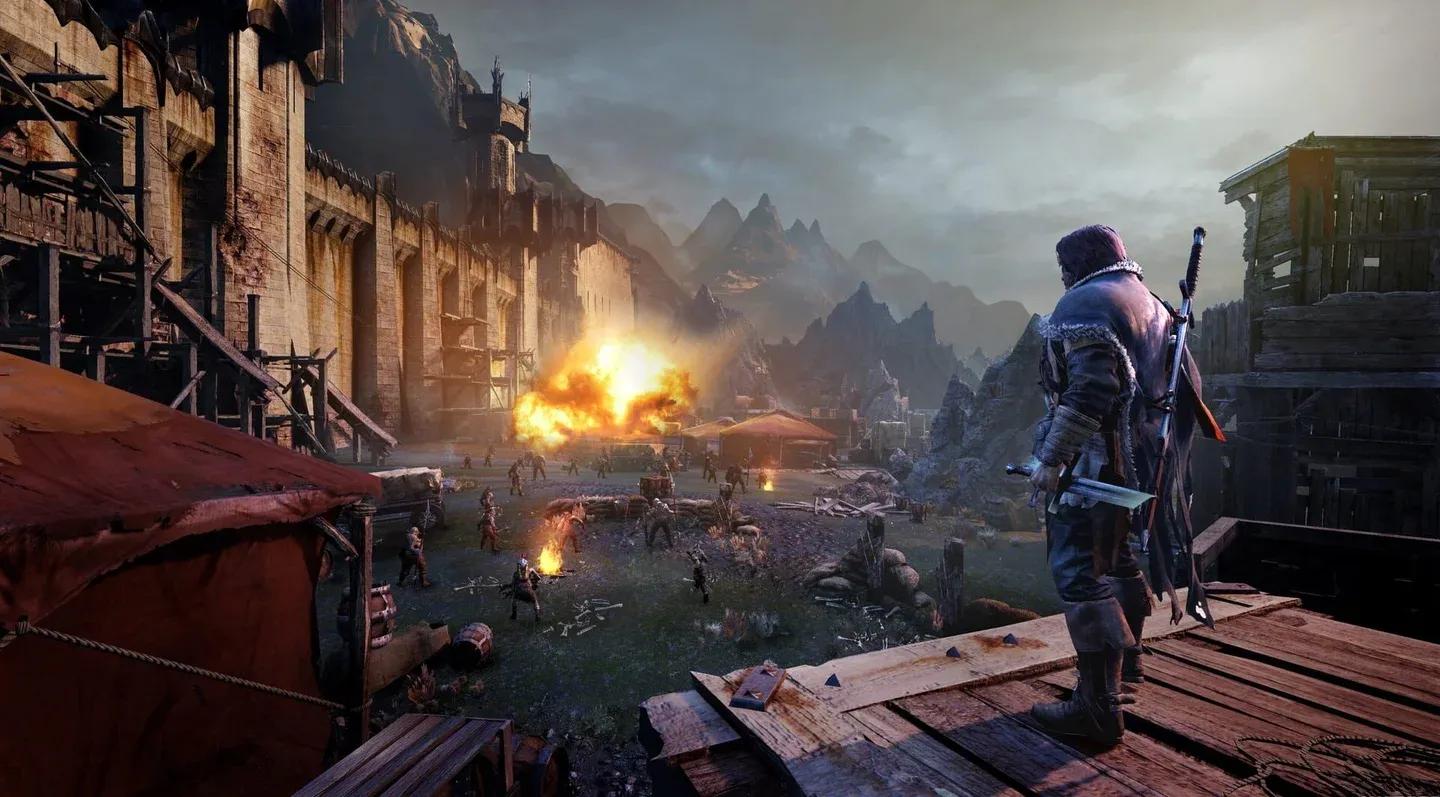
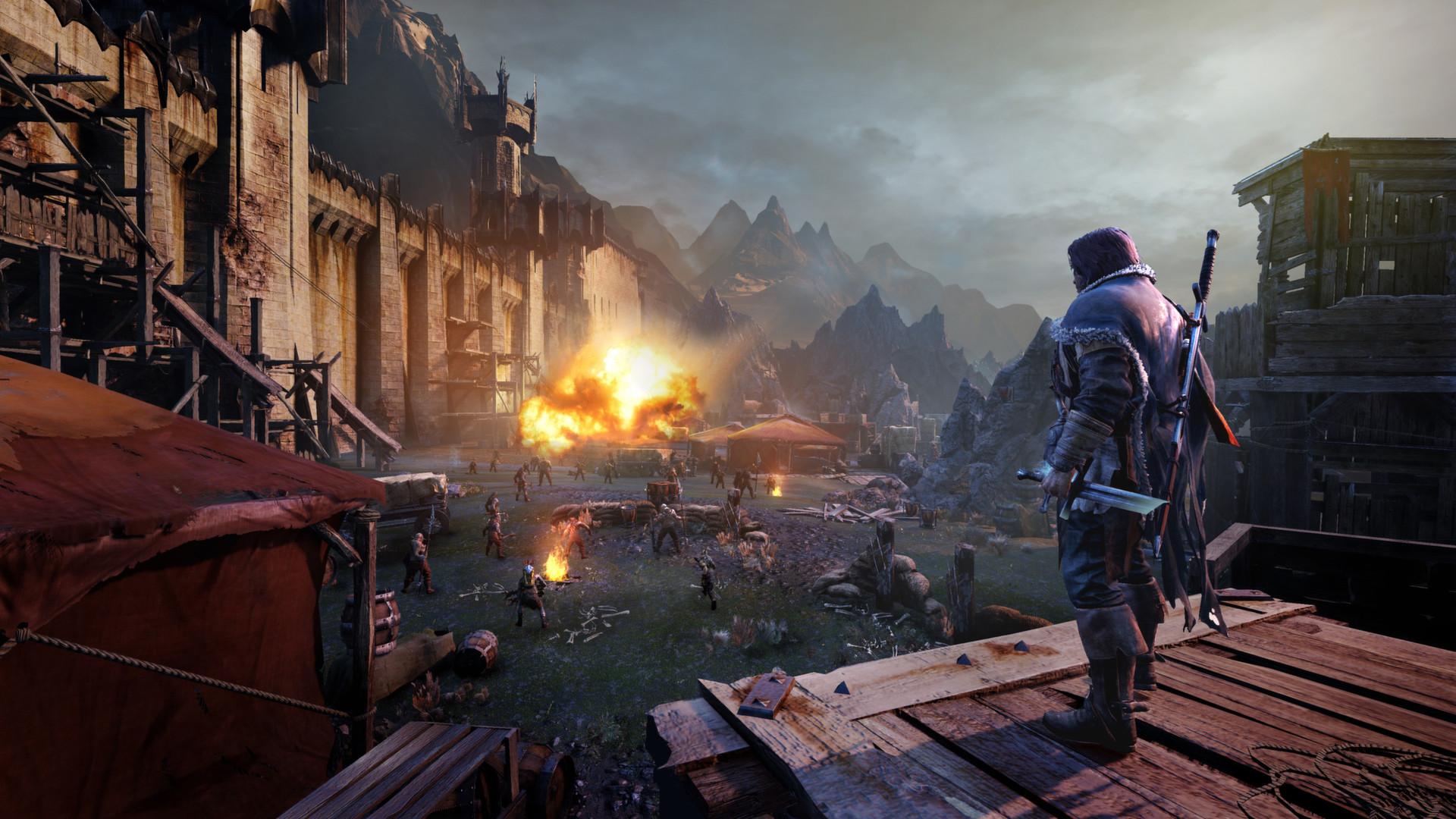
Mordor in Shadow of Mordor is not the volcanic wasteland of the films alone. The game presents two distinct open-world regions, each with their own visual identity and population of enemies. The setting draws directly from Tolkien's Legendarium, placing familiar lore beats into a timeline that fills in gaps the books and films never explored.
The story centers on Talion's bond with the wraith, who gradually reveals his own identity across the campaign. That mystery gives the narrative a forward pull beyond the revenge plot, and the game's writing handles the Tolkien material with enough care to satisfy fans without requiring encyclopedic knowledge of the source material.
Impact and legacy
Shadow of Mordor's influence on the action RPG genre is still visible years after its release. The Nemesis system directly shaped its own sequel, Middle-earth: Shadow of War, and prompted conversation across the industry about procedurally generated enemy relationships. The Game of the Year Edition bundles the base game with all released DLC content and remains available on PC via Steam, PlayStation 4, Xbox, and macOS at $19.99. For players who missed it at launch, it holds up as one of the more mechanically distinctive open-world games of its generation.
System Requirements
| Requirement | Minimum | Recommended |
|---|---|---|
| Processor | Intel Core i5-750, 2.67 GHz | AMD Phenom II X4 965, 3.4 GHz | Intel Core i7-3770, 3.4 GHz | AMD FX-8350, 4.0 GHz |
| Memory | 3 GB RAM | 8 GB RAM |
| Graphics | NVIDIA GeForce GTX 460 | AMD Radeon HD 5850 | NVIDIA GeForce GTX 660 | AMD Radeon HD 7950 |
| DirectX | Version 11 | Version 11 |
| Network | Broadband Internet connection | Broadband Internet connection |