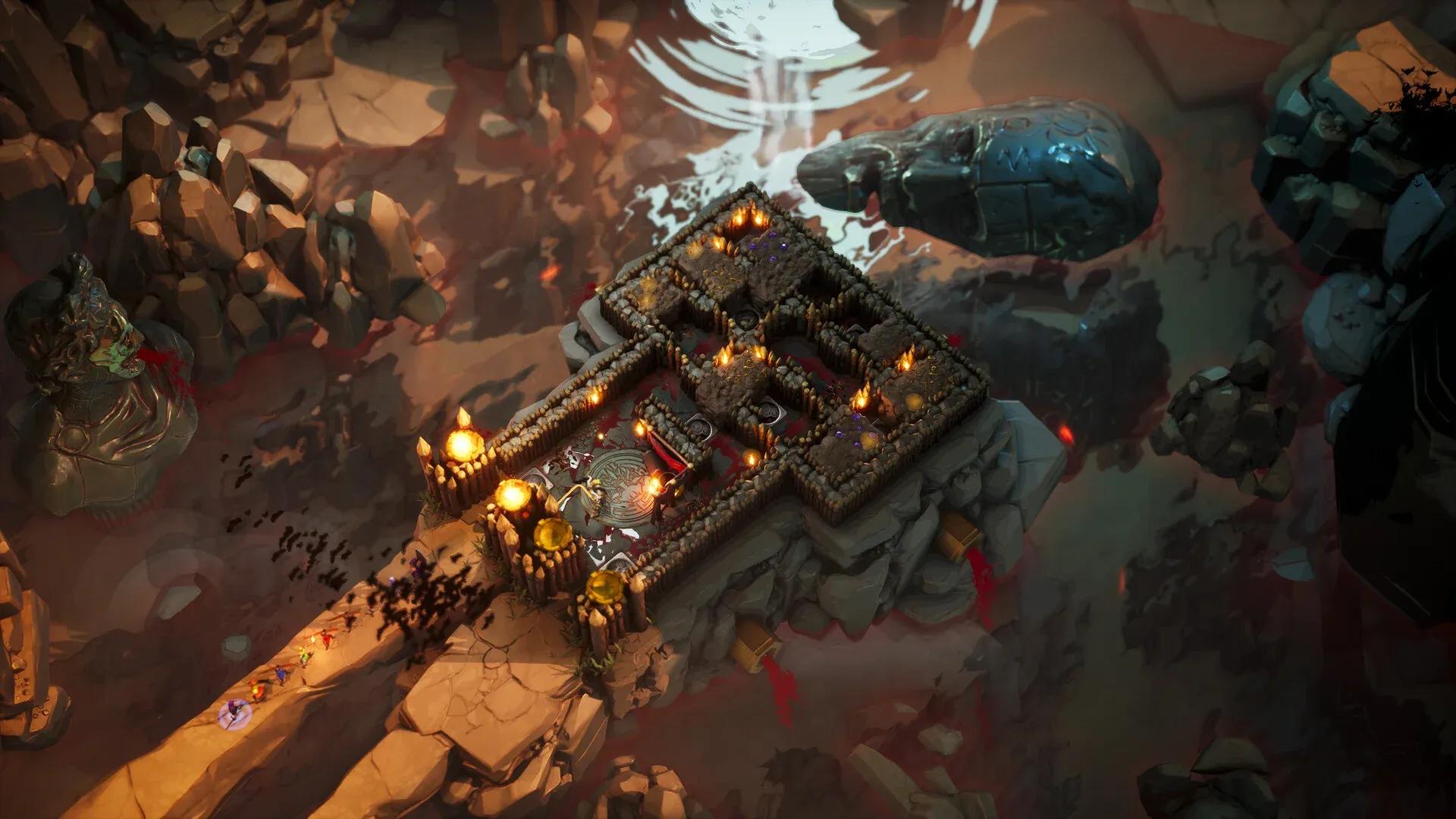
Overview
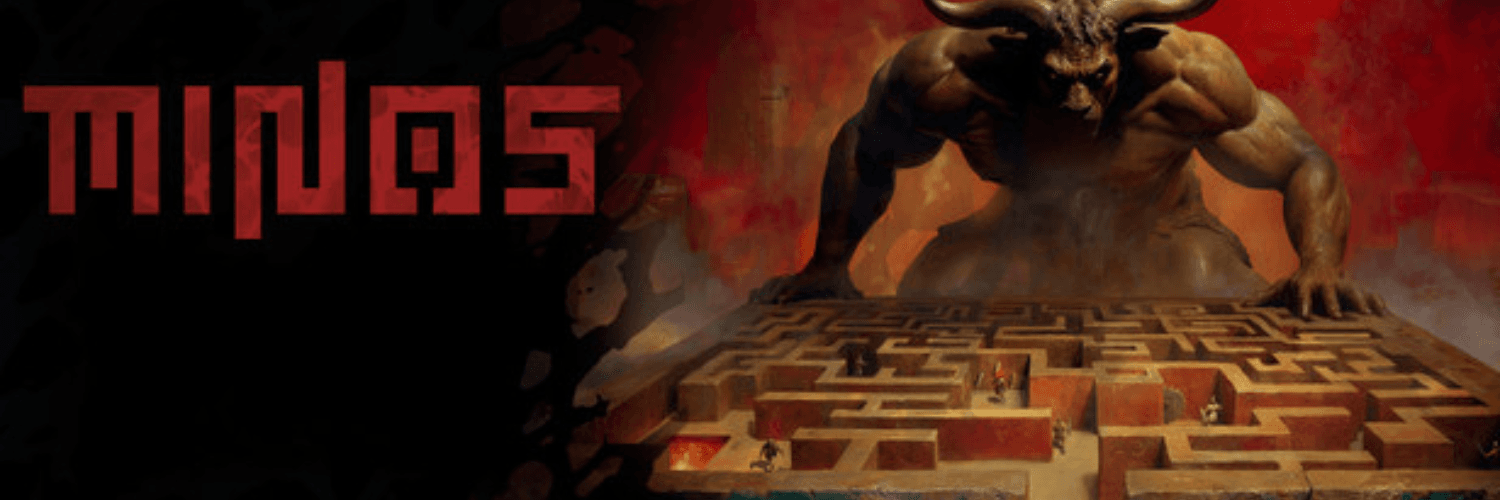
MINOS is a grid-based puzzle game that centers on a deceptively simple premise: fill a defined pattern using a set of available pieces. Developed by Artificer and published under the respected Devolver Digital label, the game distills spatial reasoning into its purest form. There are no distractions, no extraneous systems, just the grid, the pieces, and the mental effort required to make them fit together perfectly.
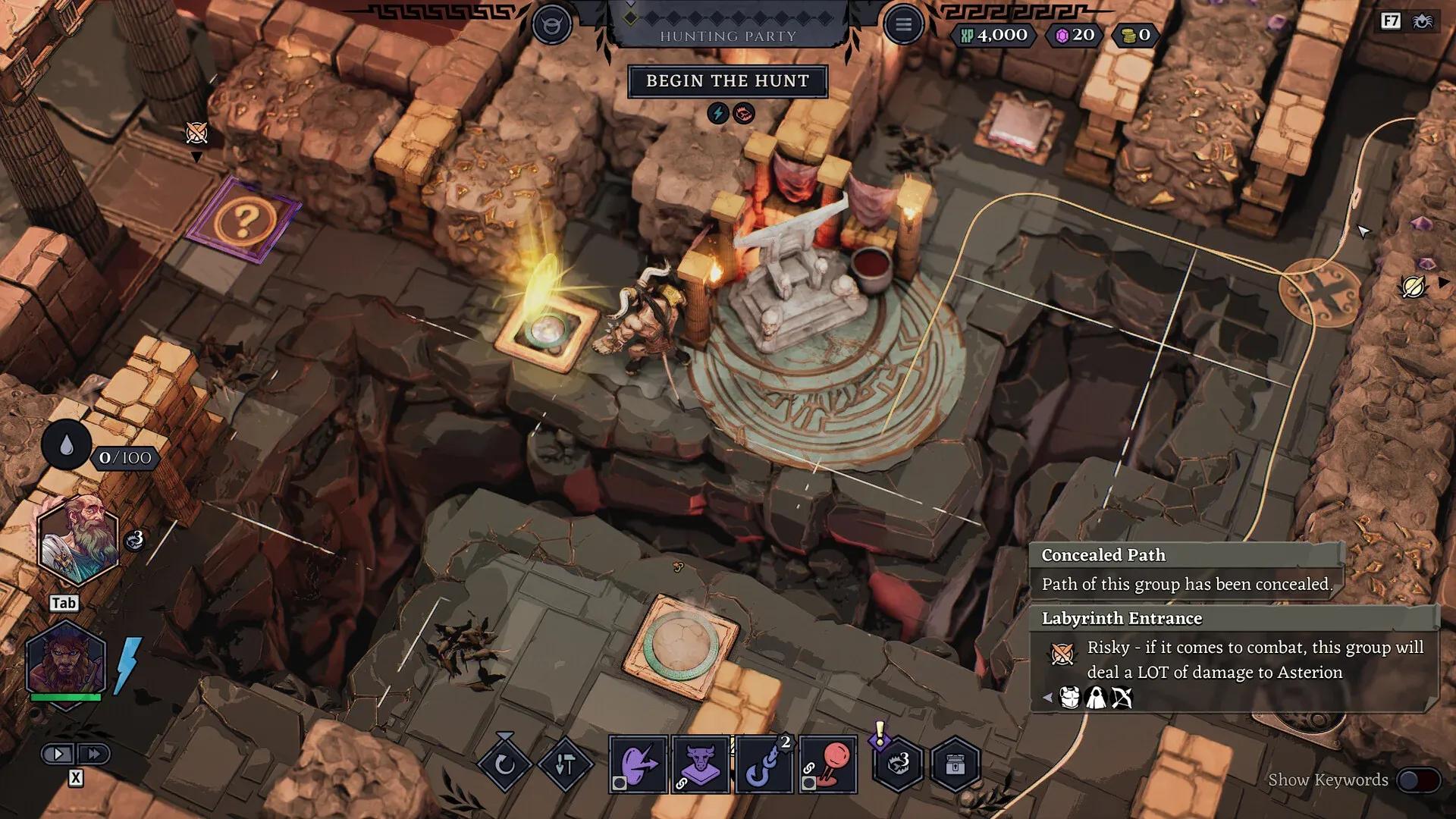
MINOS
What makes MINOS compelling is how this simplicity becomes genuinely demanding as complexity scales across its level design. Each puzzle asks players to visualize solutions before committing, rewarding patience and methodical thinking over trial and error. The satisfaction of locking the final piece into place is tangible and immediate, a small but deeply gratifying payoff that keeps the experience moving forward.
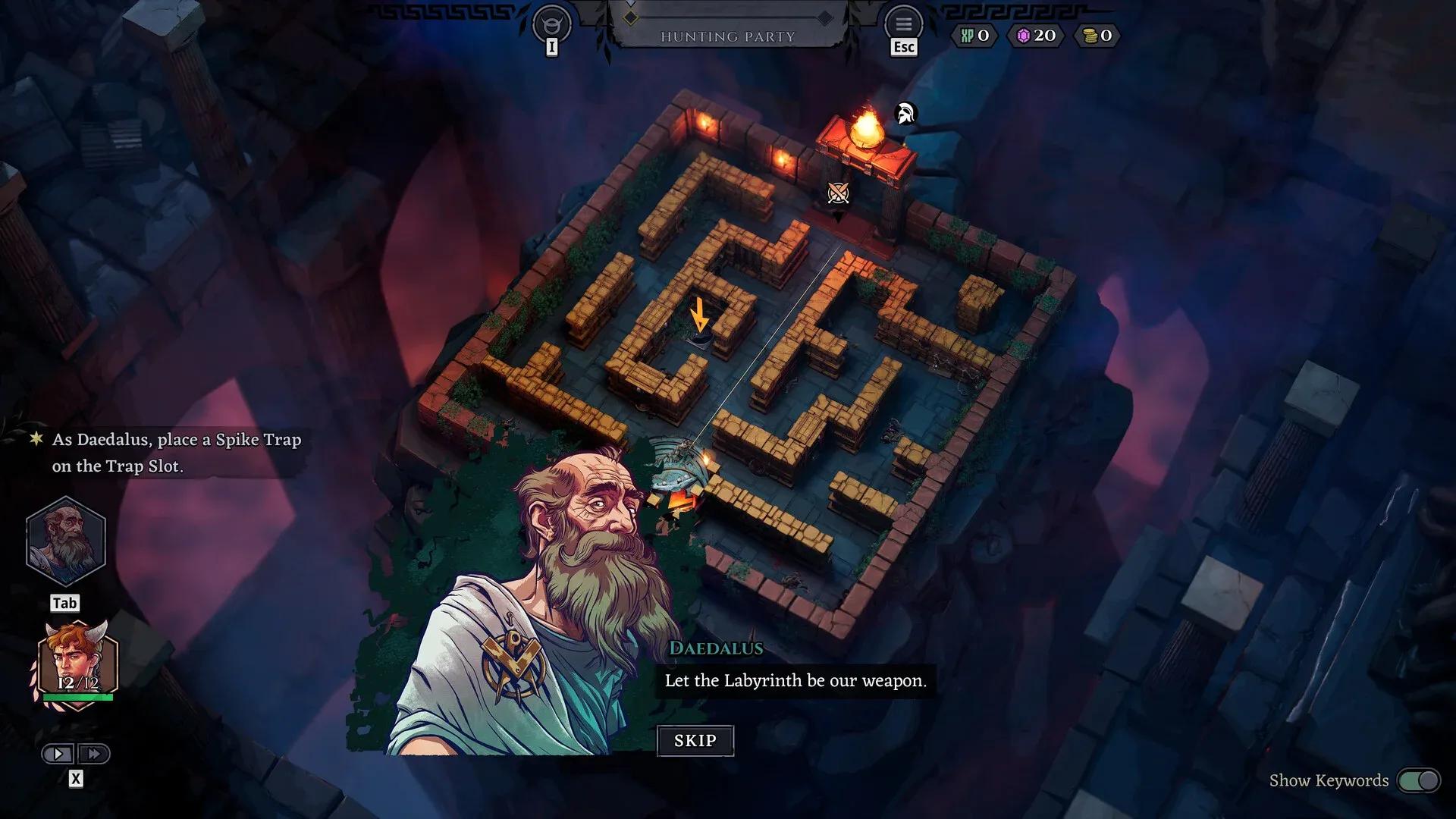
MINOS
What Kind of Puzzle Experience Does MINOS Offer?
MINOS offers a dual-structured puzzle experience built around two distinct content pillars. The first is a curated campaign of 60 uniquely designed levels, each crafted to introduce new spatial challenges and gradually escalate in difficulty. The second is a procedural generation system that produces endless additional levels, ensuring the puzzle content never runs dry.
Key features of the MINOS puzzle experience include:
- 60 hand-designed levels with escalating difficulty
- Endless procedurally generated puzzles
- Grid-filling mechanics focused on spatial visualization
- Clean, focused gameplay loop
- Available on Windows via Steam
This structure gives the game both a defined arc for players who prefer a curated journey and an open-ended mode for those who want to keep testing their pattern recognition skills indefinitely.
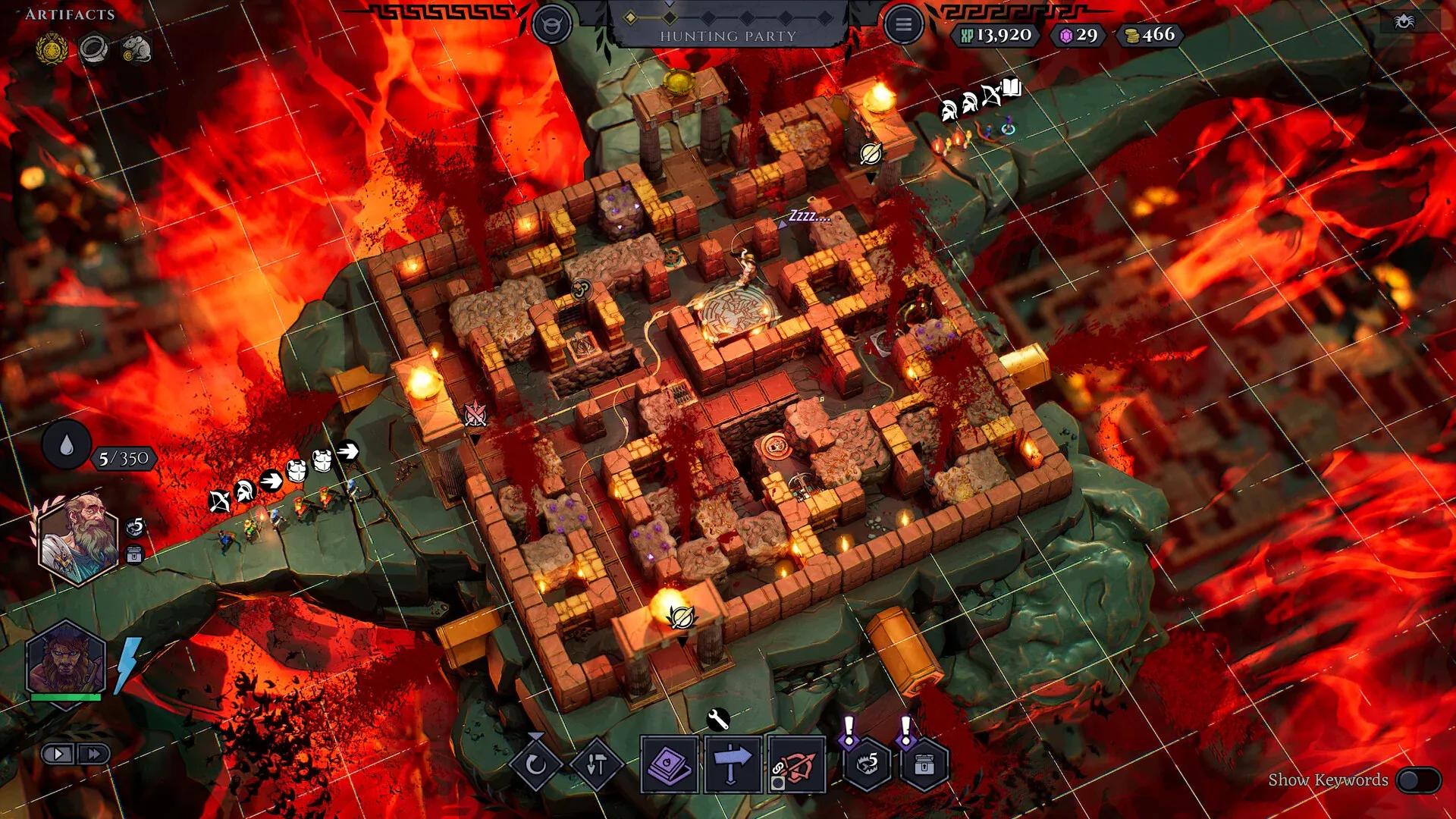
MINOS
Gameplay & Mechanics: The Art of Fitting Pieces
The core loop of MINOS revolves around analyzing a target grid pattern and determining how the available pieces can be arranged to fill it completely. This sounds straightforward, but the challenge lies in spatial visualization, the mental rotation and placement of shapes before any physical action is taken. Strong puzzle design means that each level feels like a distinct problem rather than a variation on a theme.
The procedurally generated levels extend this core mechanic well beyond the handcrafted campaign. Rather than simply randomizing piece placement, the generation system produces coherent puzzles that maintain the same standards of solvability and spatial challenge found in the curated content. This is a meaningful distinction, endless content is only valuable if it retains the quality that makes the base game worth playing.
MINOS
Content & Replayability: Does MINOS Have Staying Power?
For a puzzle game, longevity depends heavily on whether the content remains engaging after the initial campaign ends. MINOS addresses this directly through its procedural generation system, which functions as a genuine extension of the core experience rather than a tacked-on bonus mode. The 60 designed levels serve as a strong foundation, but the endless mode is where long-term engagement lives.
Players who enjoy grid puzzle games, tiling challenges, or spatial reasoning exercises will find MINOS particularly well-suited to repeat sessions. The nature of procedural generation means no two runs produce identical configurations, keeping the mental exercise fresh across extended play.
System Requirements
| Requirement | Minimum | Recommended |
|---|---|---|
| OS | Windows 10 x64 Bit | Windows 11 x64 Bit |
| Processor | Intel Core i5-6600K / AMD Ryzen 5 2500U | Intel Core i7-6700K / AMD AMD Ryzen 5 1500X |
| Memory | 8 GB RAM | 16 GB RAM |
| Graphics | GeForce GTX 960 / Radeon RX 570 / Arc A380 | GeForce RTX 2070 / Radeon RX 5700 XT / Arc A580 |
| DirectX | Version 11 | Version 12 |
| Storage | 5 GB available space | 5 GB available space |
Conclusion
MINOS earns its place as a focused, well-crafted entry in the grid puzzle genre. Artificer's design philosophy prioritizes clarity and challenge over complexity for its own sake, delivering 60 purposefully built levels alongside an endless generated puzzle mode that extends the game's value considerably. For players drawn to spatial reasoning games and tiling puzzles that demand genuine mental engagement, MINOS presents a clean, satisfying experience available now on Windows via Steam.