Overview
Mirror's Edge, developed by EA Digital Illusions CE and published by Electronic Arts, drops players into a near-future city that looks clean and ordered on the surface but runs on fear underneath. Faith Connors is a Runner, part of an underground network of couriers who carry physical messages through the city's rooftops to avoid the government's surveillance grid. When her sister Kate is framed for murder, a personal delivery job becomes a city-spanning chase through conspiracy.
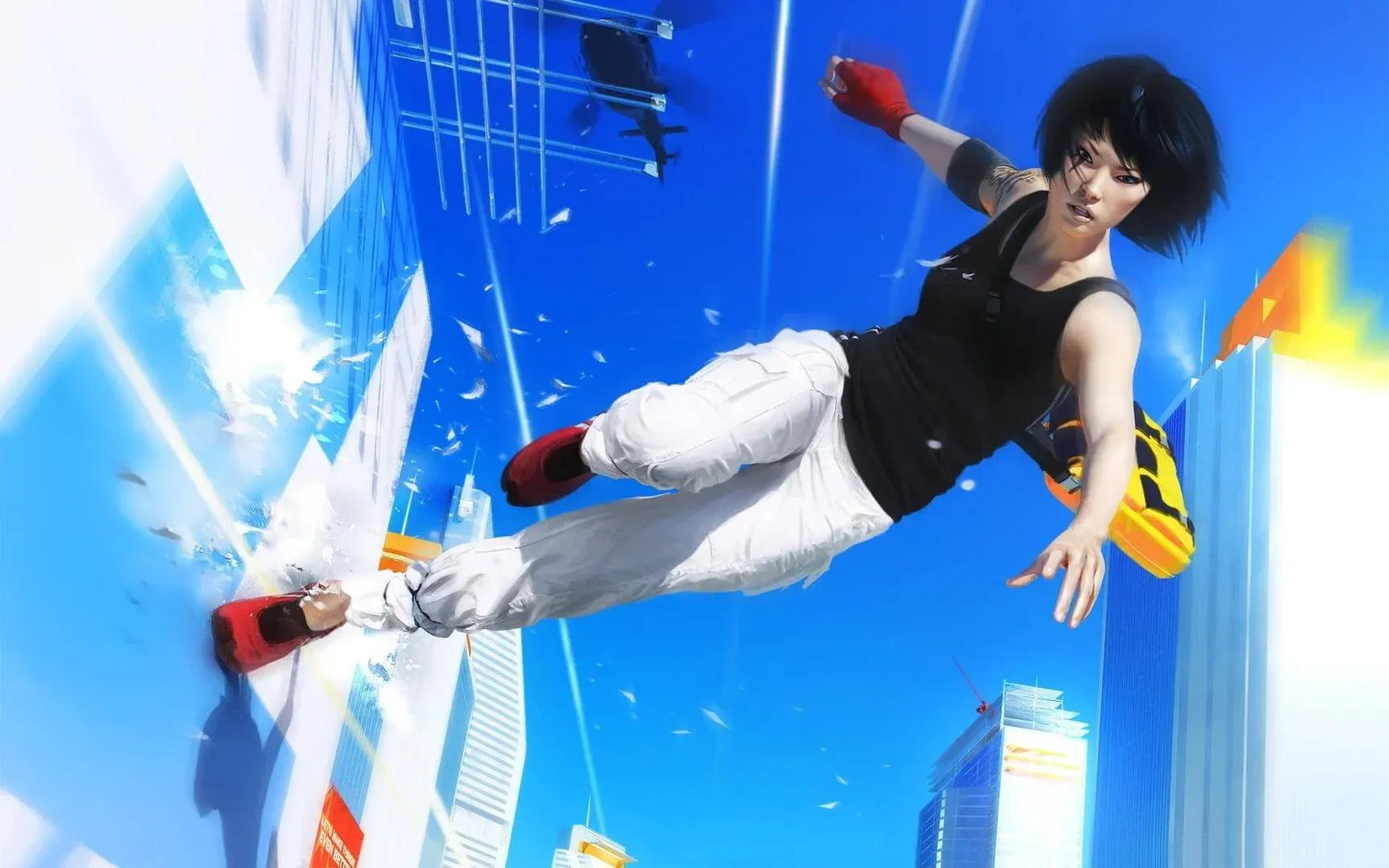
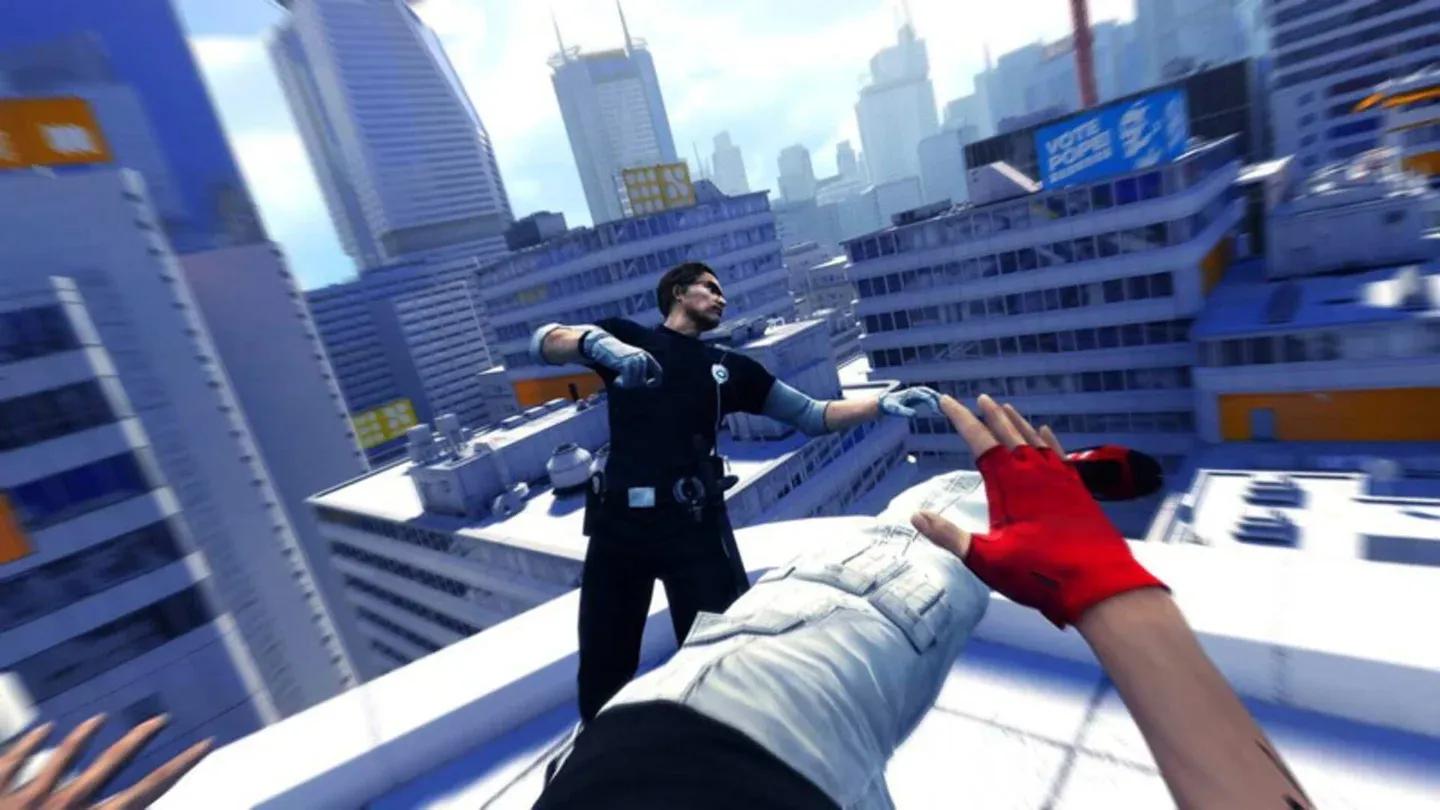
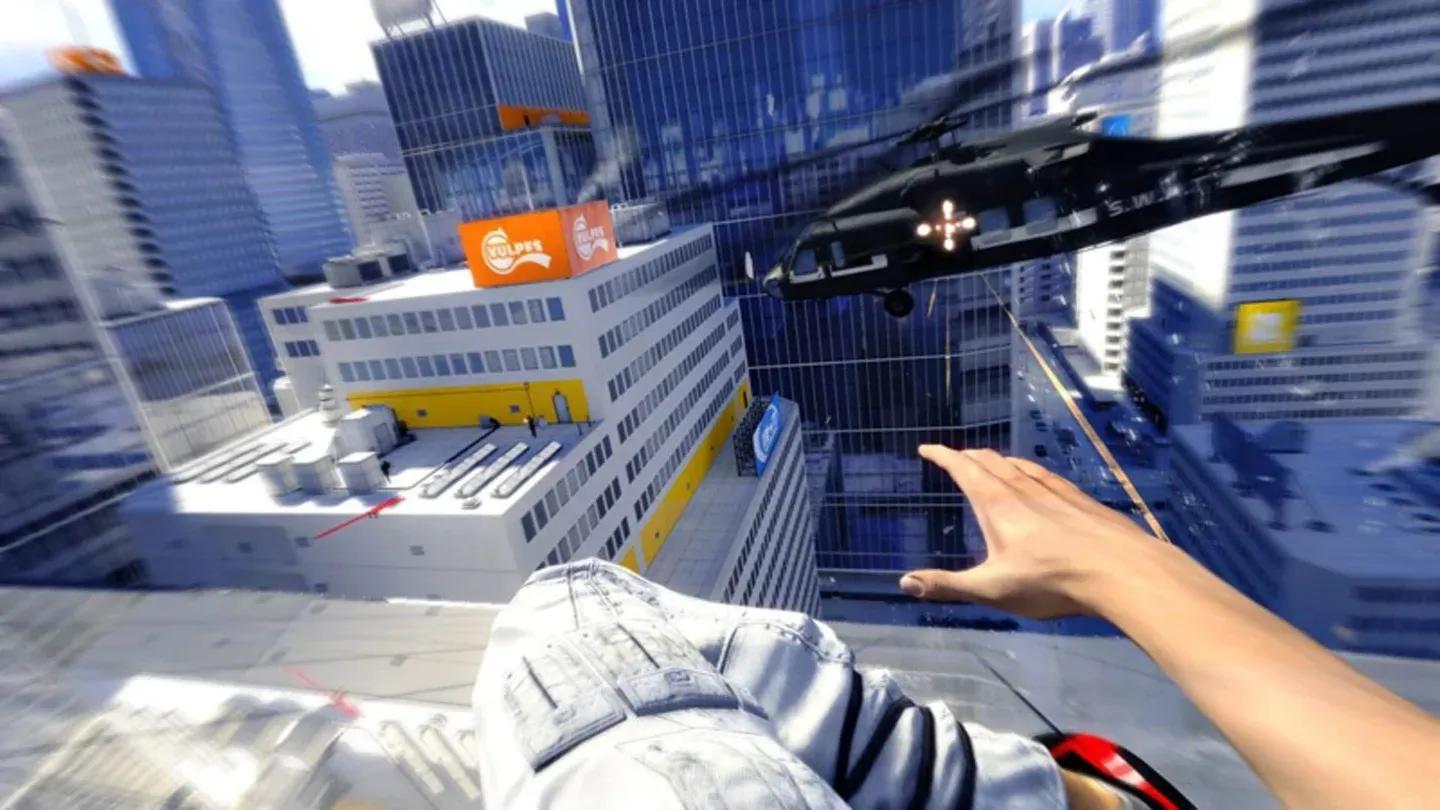
The game launched in November 2008 and immediately stood apart from everything else on shelves that year. Most first-person games were shooters. Mirror's Edge made the body itself the weapon and the vehicle, with arms pumping, feet hitting ledges, and the camera tilting with every vault and roll. It was a deliberate, specific vision of what first-person movement could feel like.
Gameplay and mechanics
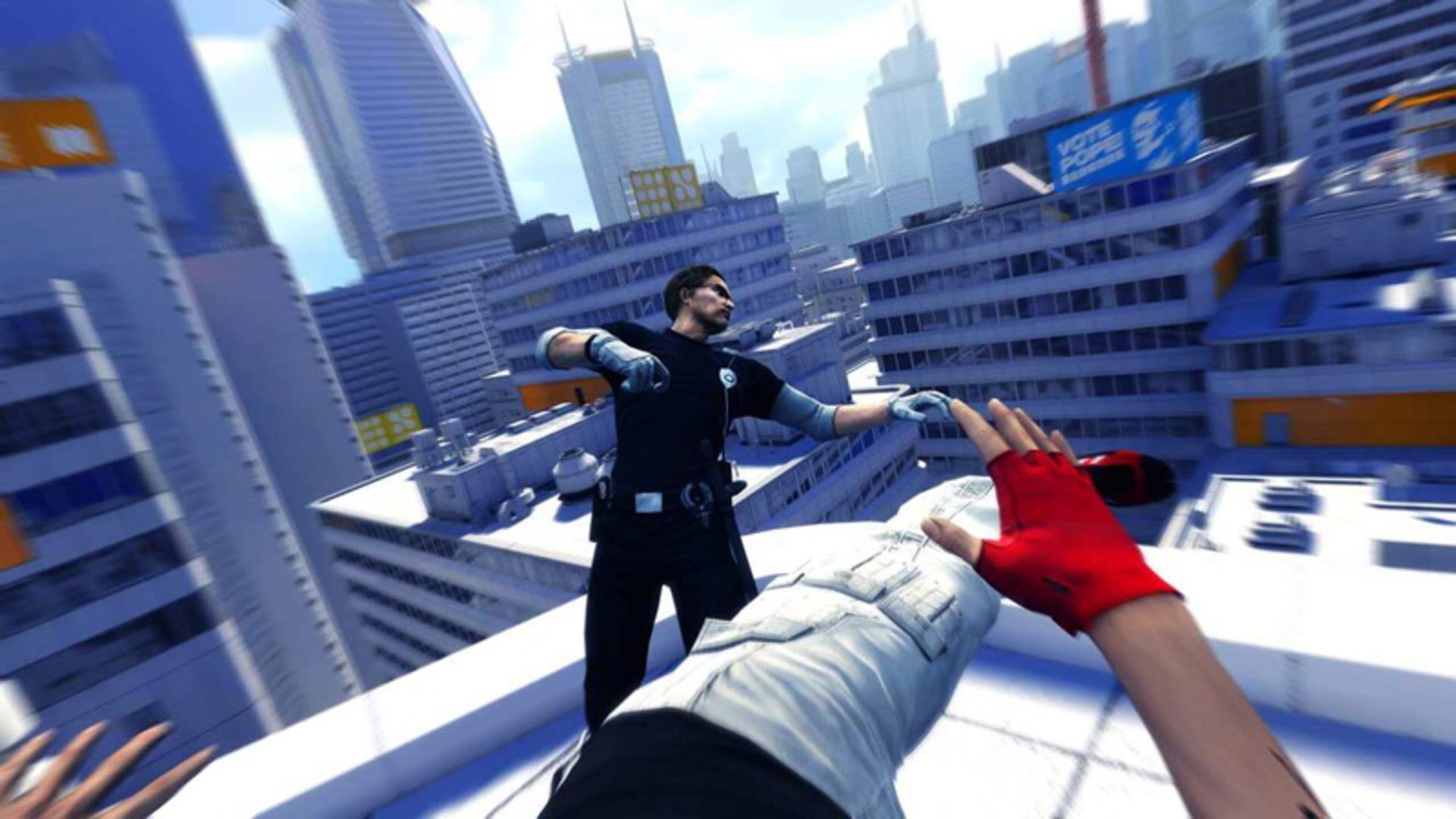
The core of Mirror's Edge is momentum management. Faith's movement toolkit includes:
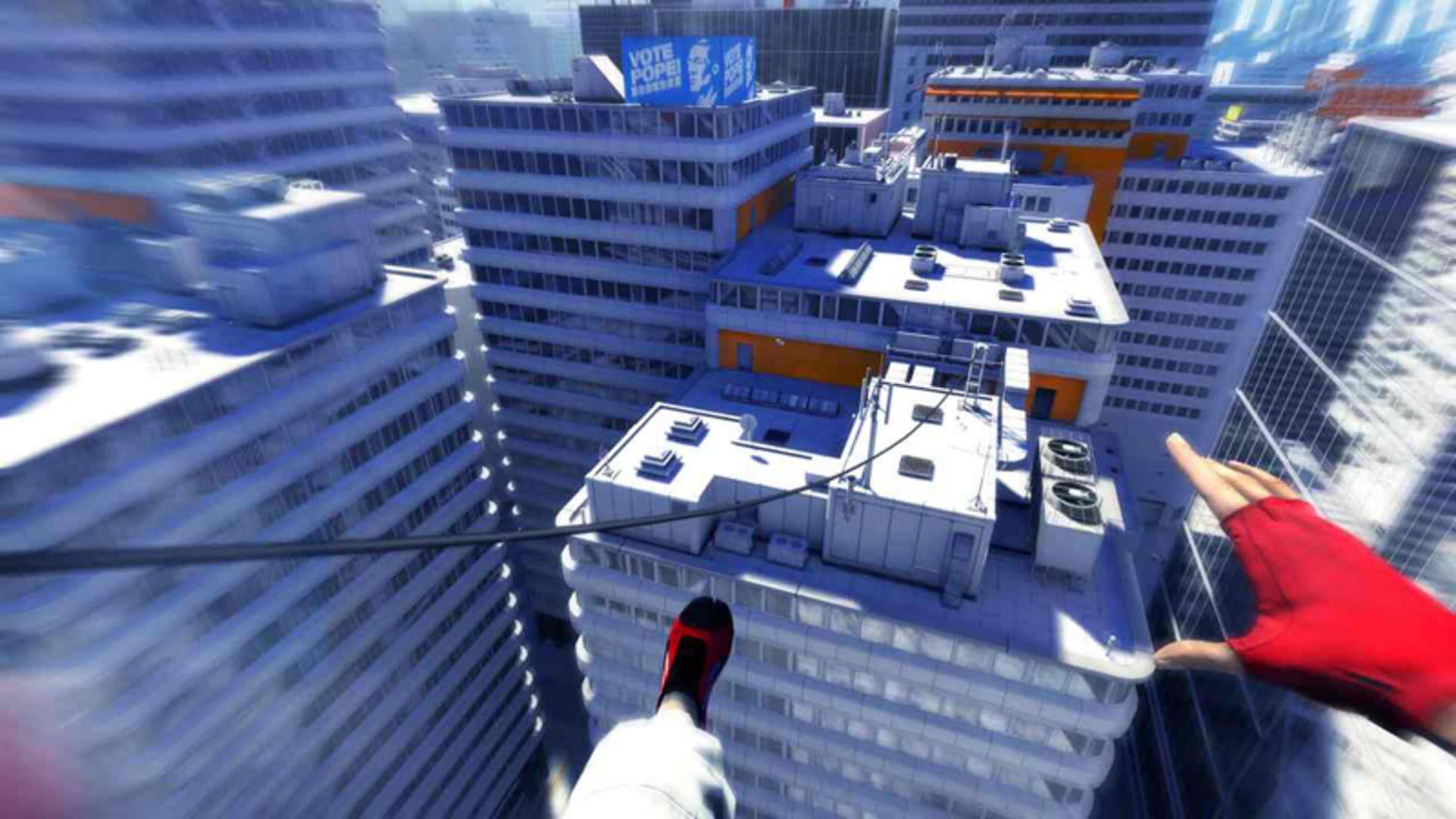
- Wall-runs across vertical surfaces
- Vaults and slides under obstacles
- Coil jumps off walls to reach higher ledges
- Disarm takedowns when enemies block the path
- Quick-turn pivots to change direction mid-run
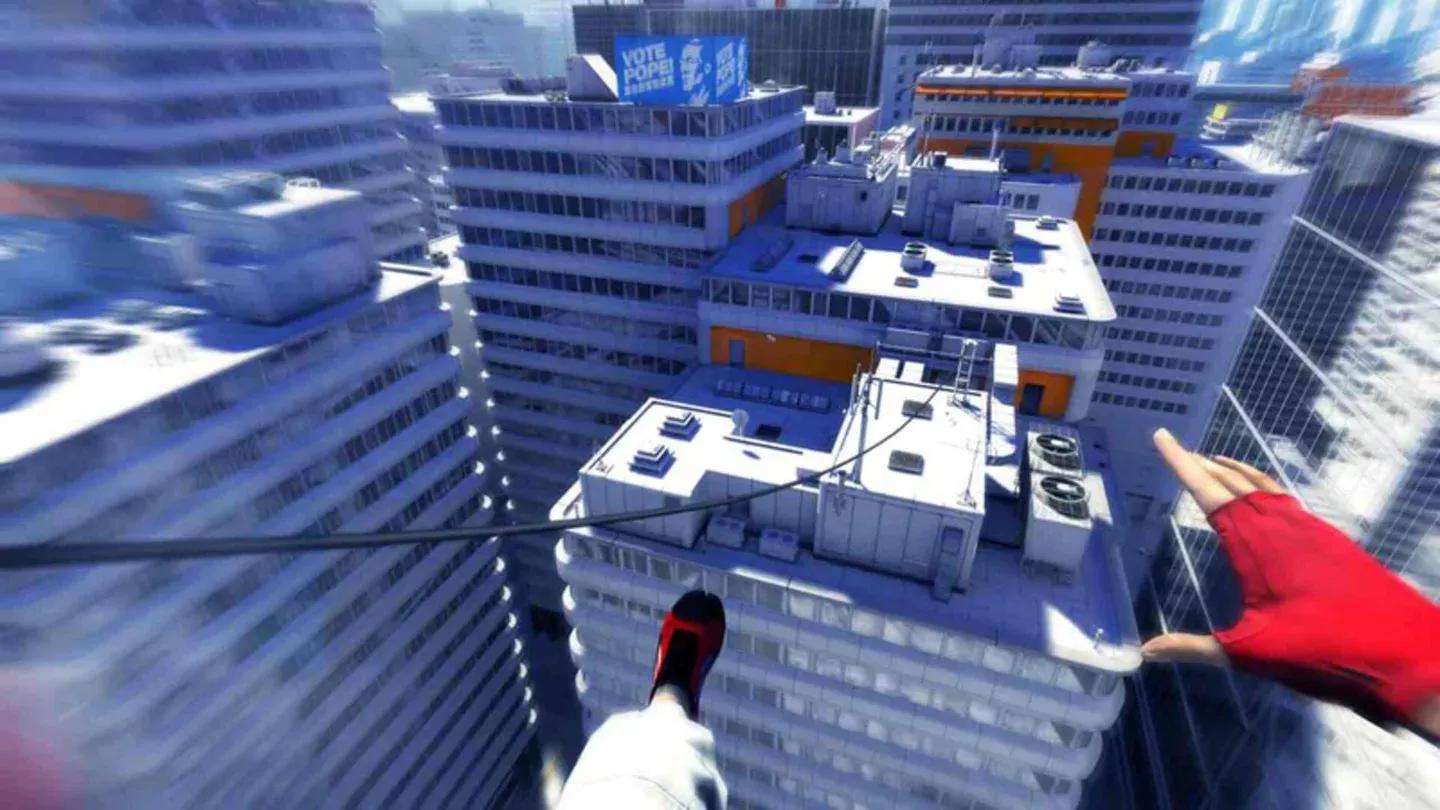
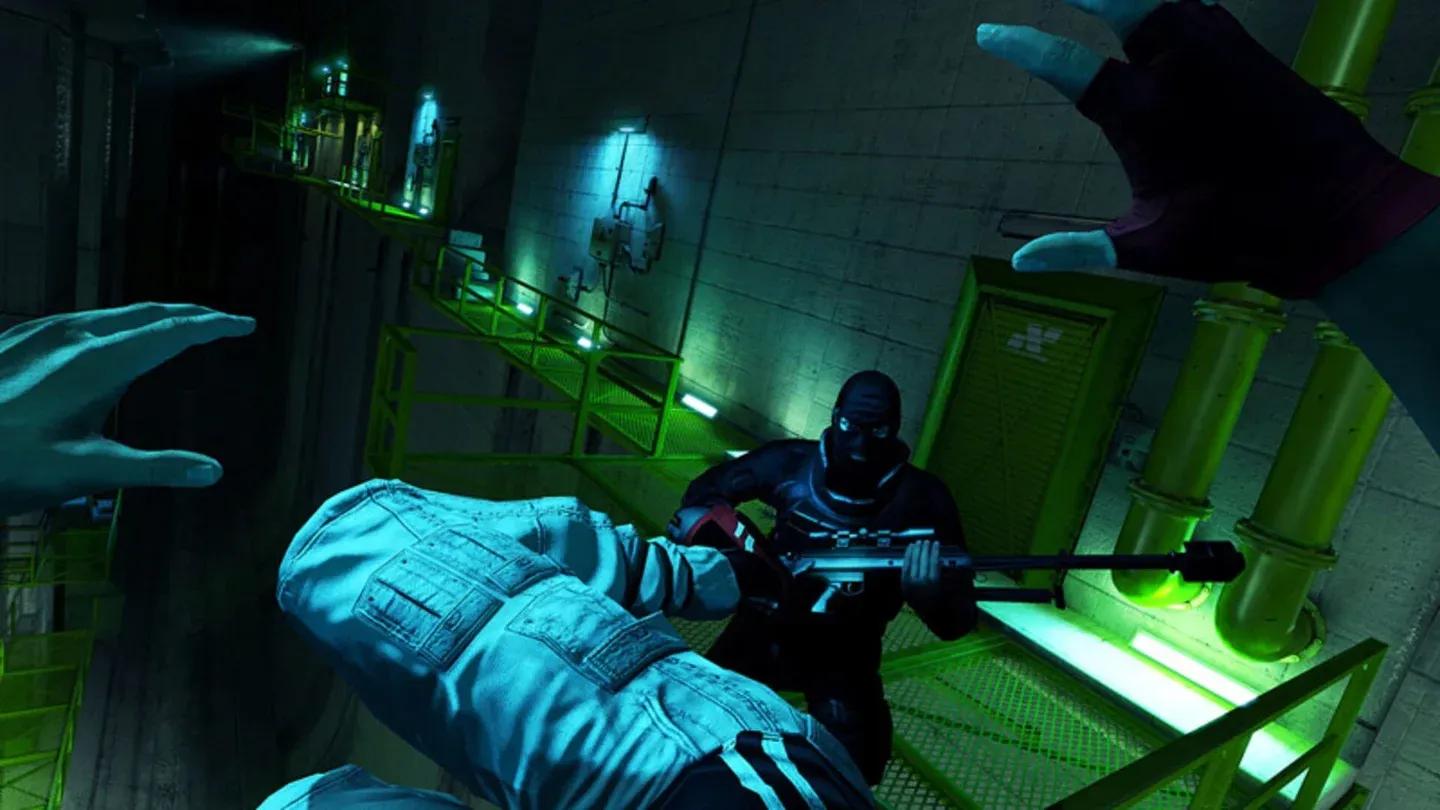
The game uses a color-coding system called Runner Vision, where red objects and surfaces mark the intended path through each environment. Players can follow these markers or ignore them entirely to find faster routes. Combat exists but the game actively discourages lingering in it. Stopping to fight costs speed and momentum, and the design consistently rewards finding a way around enemies rather than through them.
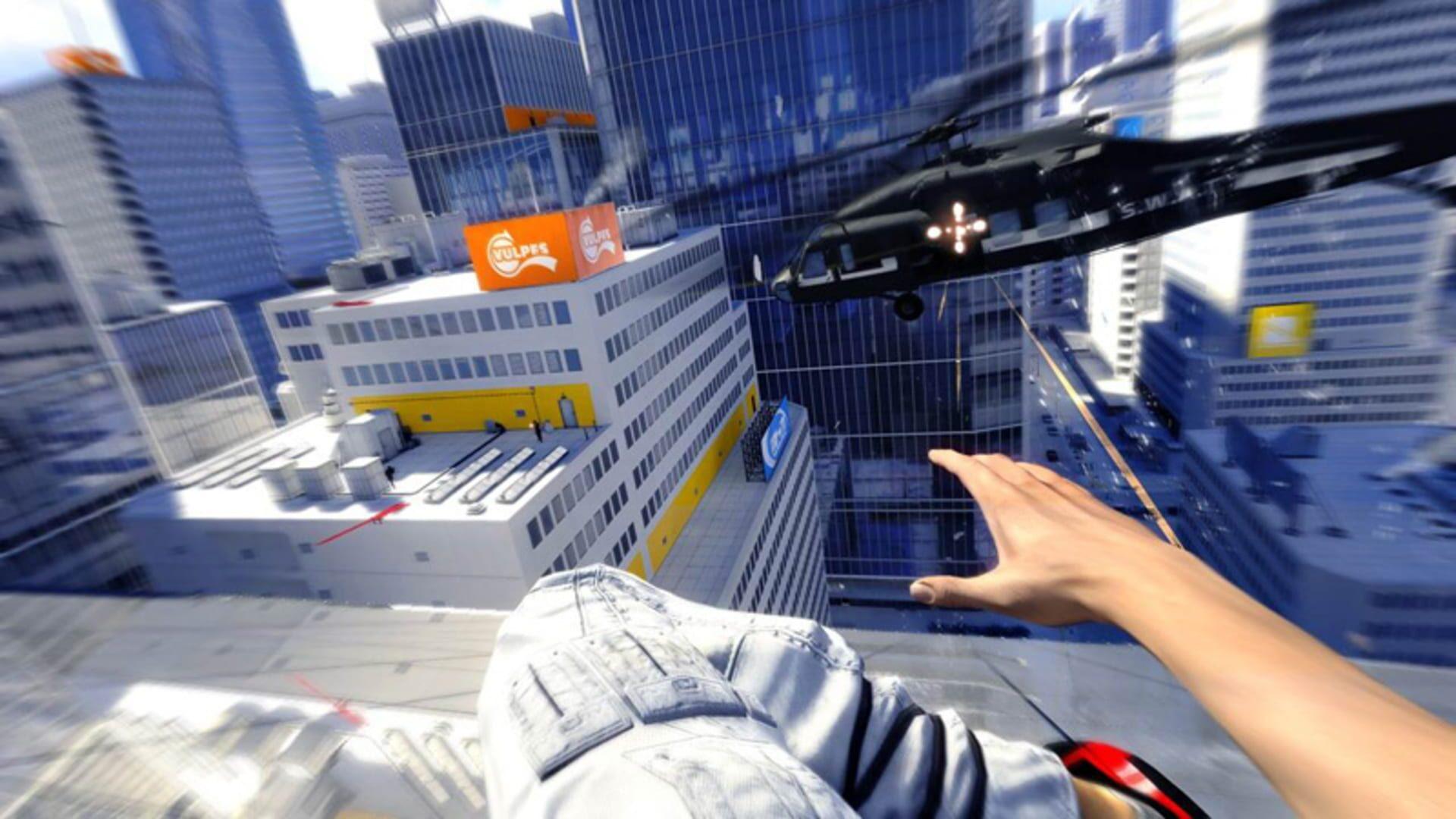
The camera bobs and sways with Faith's movement rather than sitting on a fixed point. It sounds like a small detail but it changes everything. Running feels like running. A hard landing reads as a hard landing. The physicality of the movement system is what makes Mirror's Edge memorable even nearly two decades after release.
World and setting
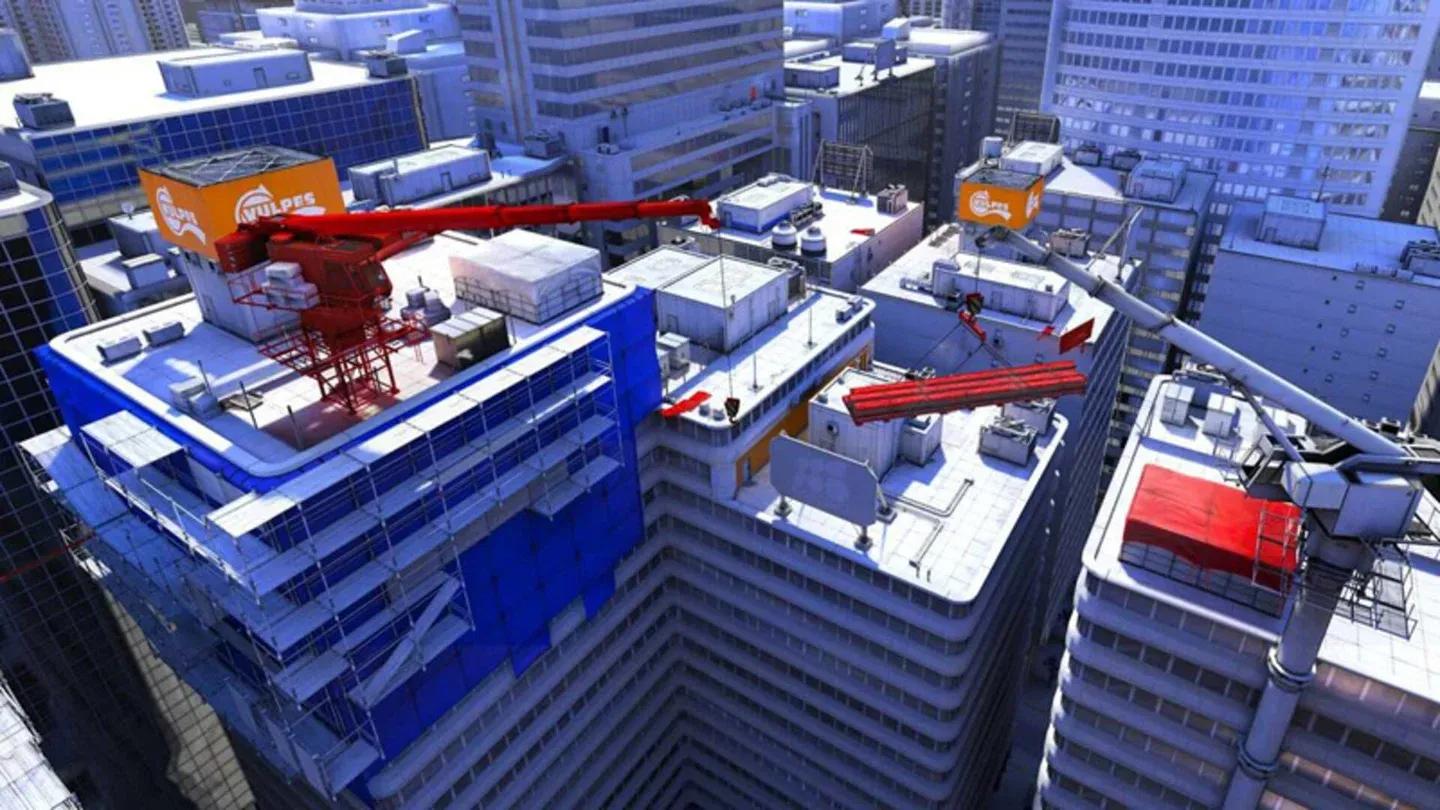
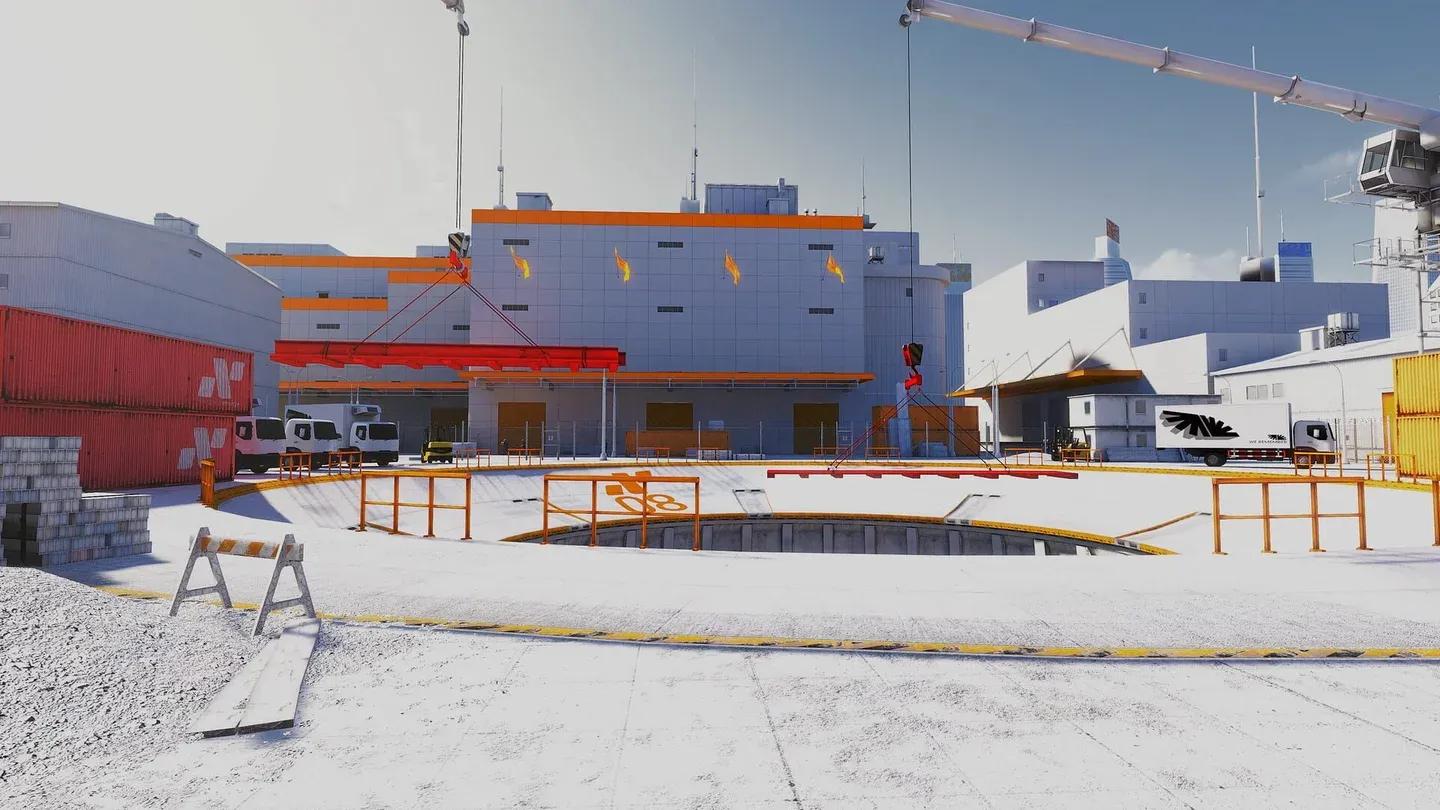
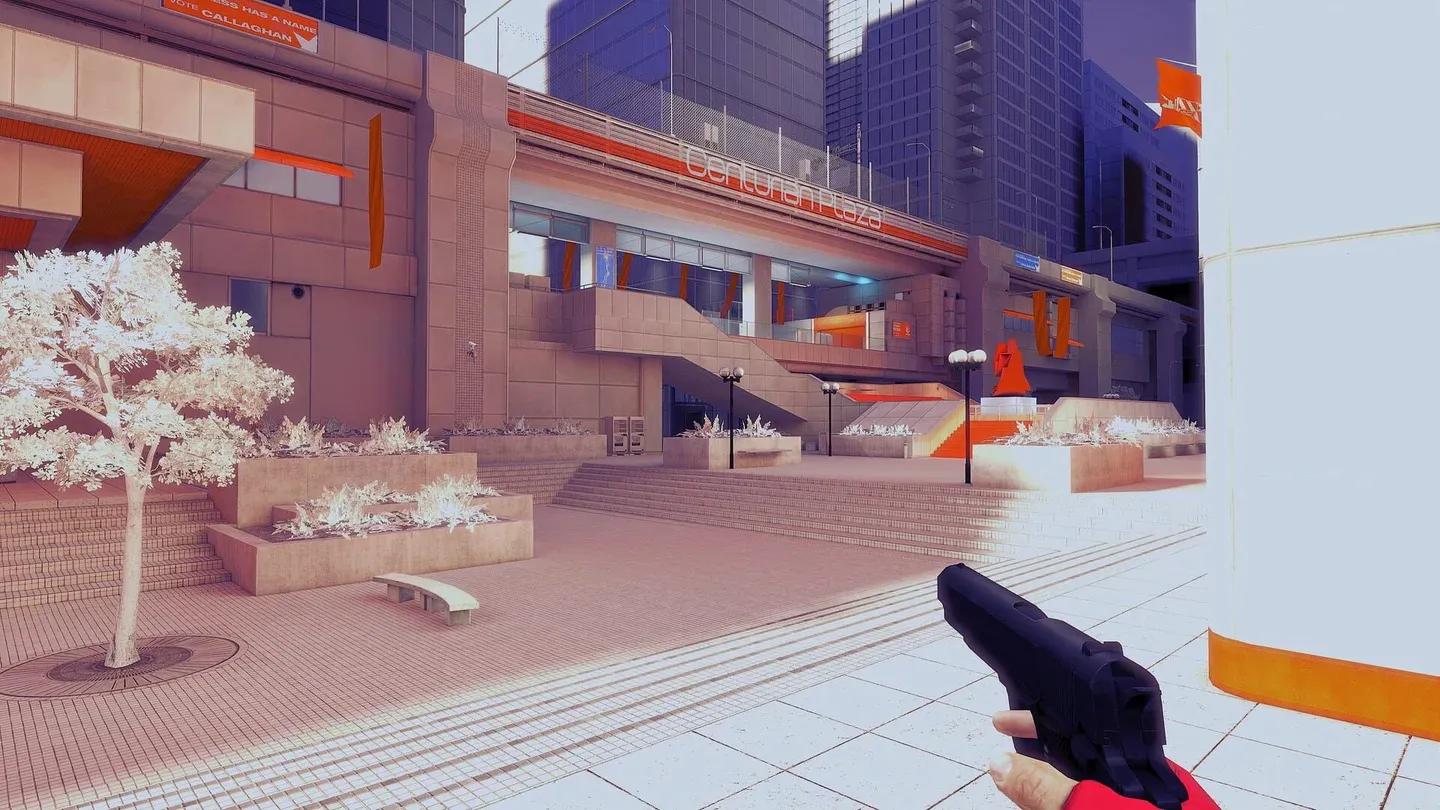
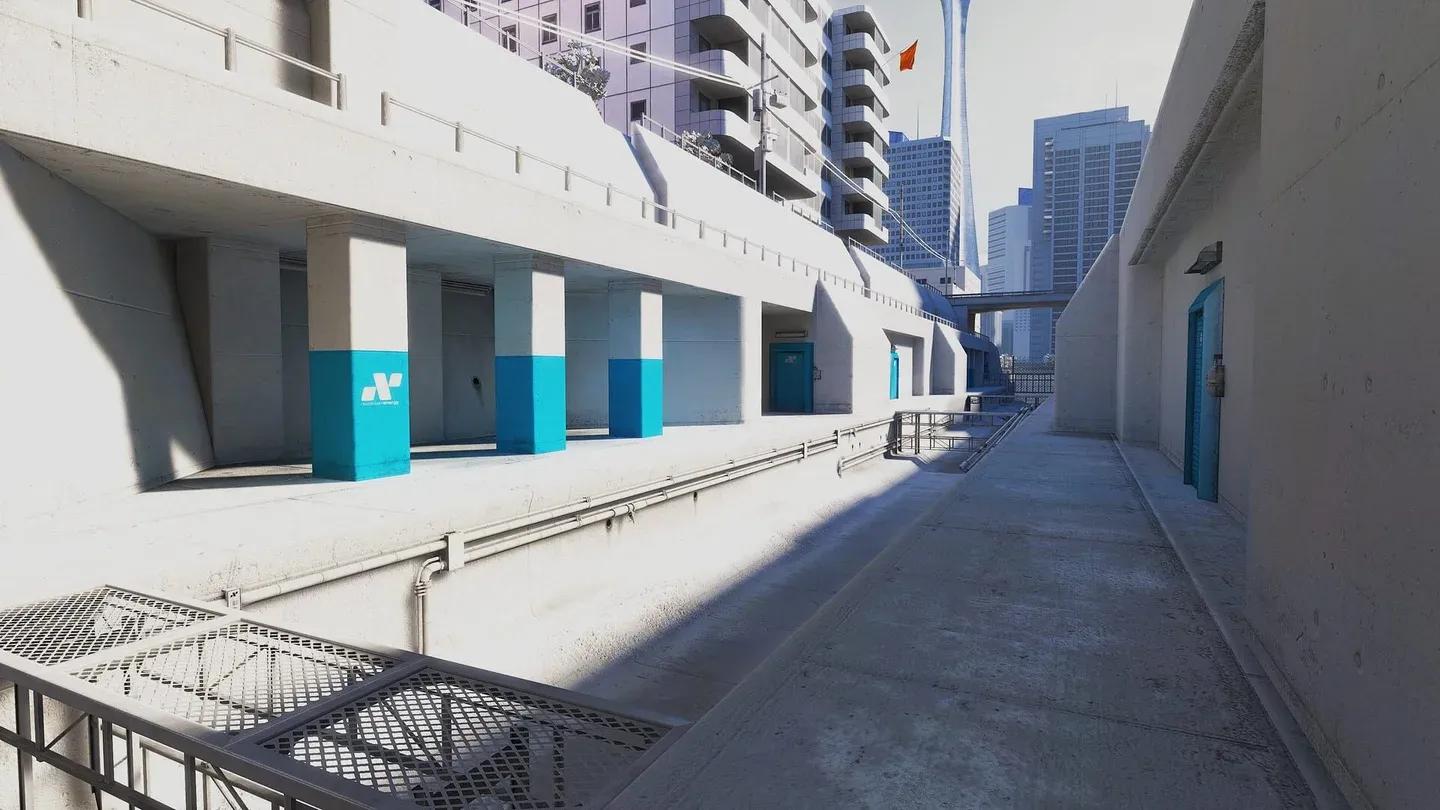
The city in Mirror's Edge has no official name in the original game, but its visual identity is unmistakable. Stark white architecture, clean geometric surfaces, and bursts of primary color from pipes, vents, and signage. The aesthetic choice was intentional: the brightness of the city communicates its authoritarian control. Everything visible, everything monitored, everything sanitized.
Faith's story runs through 9 chapters, each set in a different part of the city, from corporate towers to construction sites to underground facilities. The narrative involves a reformist politician's assassination, a private security firm running a covert anti-Runner program called Project Icarus, and a cast of allies whose loyalties shift as the conspiracy unravels. The story is delivered through animated cutscenes rather than in-engine sequences, a stylistic choice that gives the narrative a distinct graphic-novel quality.
Impact and legacy
Mirror's Edge arrived before the market knew what to do with it. Reviews at the time were split, with critics praising the movement system and visual design while questioning the combat and story pacing. Players who connected with the parkour mechanics kept coming back, and the game built a dedicated community around speedrunning its levels down to the frame.

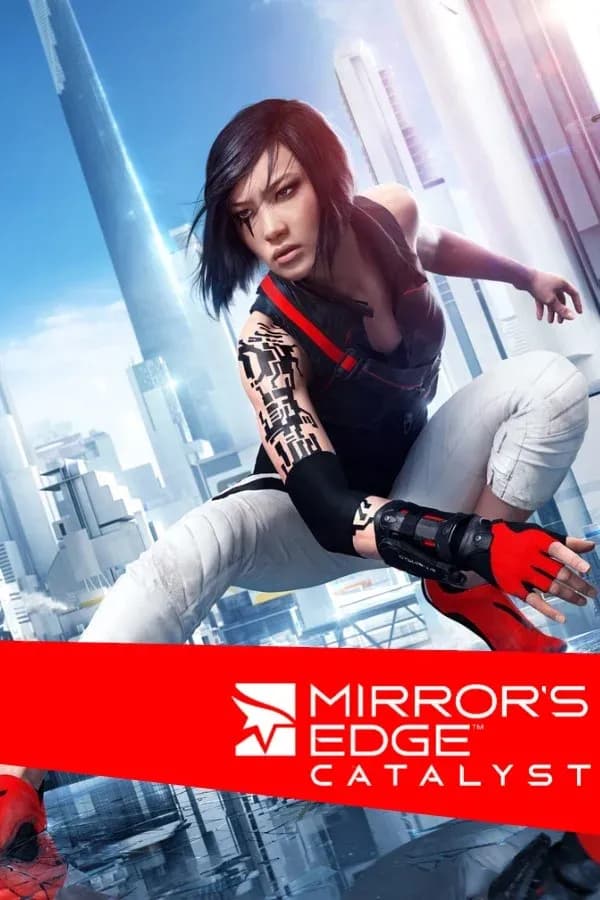
The original game's influence shows up across a decade of first-person movement games that followed. Its ideas about physicality, momentum, and environmental navigation pushed the genre in directions that are still visible today. A sequel, Mirror's Edge Catalyst, arrived in 2016 as an open-world reimagining of Faith's story. The original remains the purer, more focused version of the concept, a 6-to-8 hour first-person platformer that still holds up as one of the most distinctive action-adventure games EA has ever published.