


Omar Ghanem
Final Boss
Mixtape is the second game from Beethoven & Dinosaur, the small Australian studio behind 2021's The Artful Escape, and it arrives with the kind of critical reception that makes you wonder who to trust.
I personally finished it in about 3 hours and platinumed it in 6 on the PS5. But the launch has been the subject of controversy, with gamers online calling it an “industry plant” given the music licensing situation and supposed “overly positive” reviews, while media outlets are calling it a perfect 10/10. Here's my unbiased review, ignoring any and all external factors.
What kind of game is this, actually?
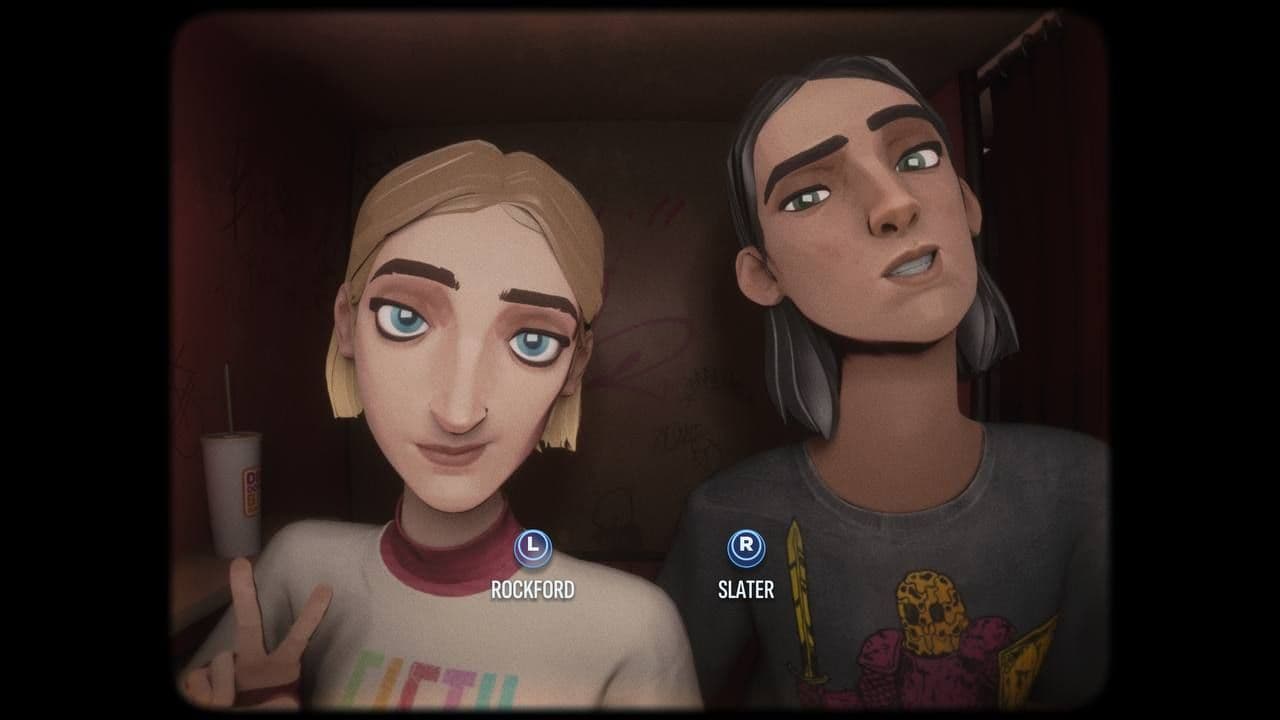
Mixtape is closer to an interactive animated film, one where you occasionally skateboard, race a shopping cart downhill, play a bit of softball, and wander through spaces that trigger memories. The moment-to-moment input is light. You are not solving puzzles or making meaningful choices. You are living inside an animated world, but not in a way that's too different from games like Dispatch or other visual novels.
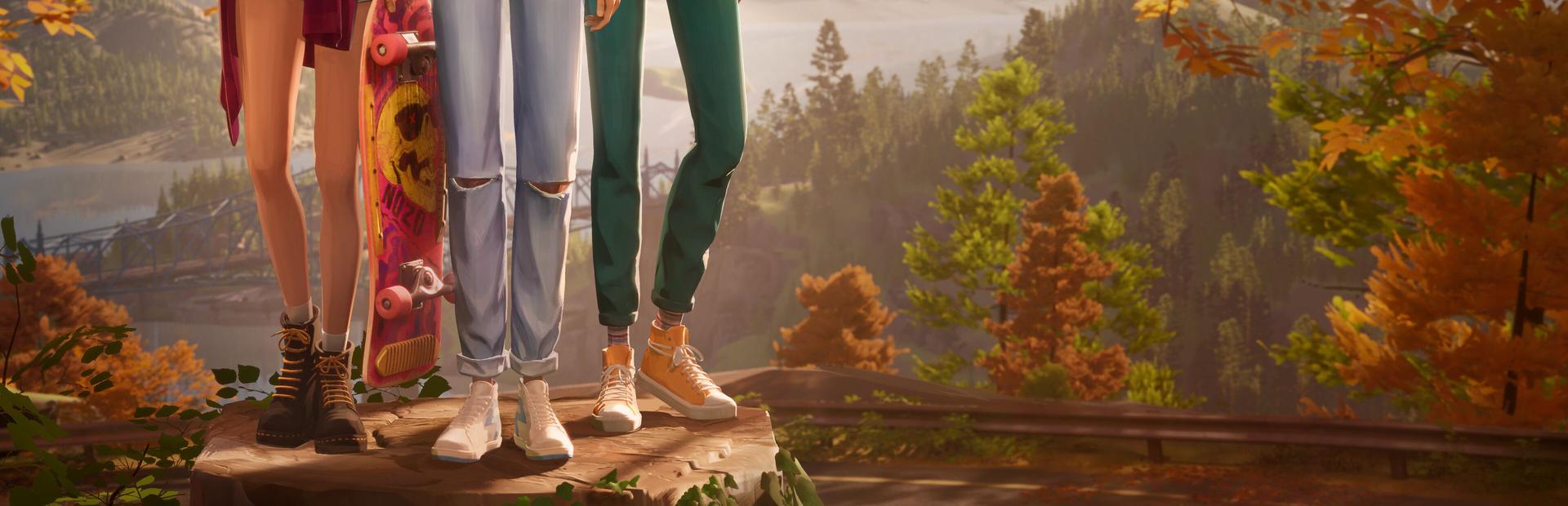
The story follows Stacey, Slater, and Cassandra, three best friends spending their last day together before Stacey plans to fly to New York to pursue her music dream, leaving behind her old life and high school best friends. The whole game takes place in a single day, but everything is structured around music tracks on Stacey's mix CD, with each song tied to a specific memory or moment in their friendship. That fourth-wall-breaking concept felt unique, as Stacey pauses to tell you which song makes each scenario perfect.
Gameplay: intentionally light
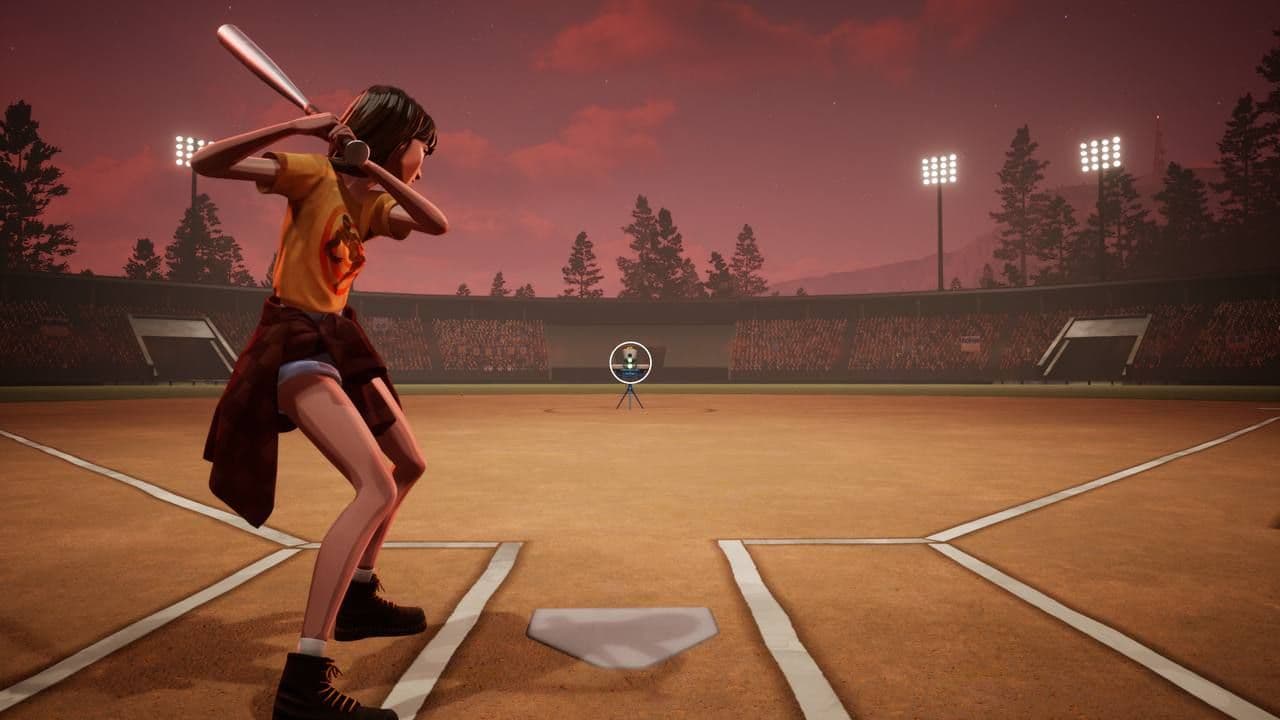
The gameplay loop in Mixtape is deliberately minimal, as a visual novel. Each chapter introduces a new interactive format tied to its setting, with minigames along the way: a skateboarding run down the main road, a shopping cart chase, a softball game, and a party sequence where you navigate awkward social situations. None of these are mechanically deep, but they do not need to be. The variety keeps things moving and prevents the experience from feeling like a pure walking simulator. You can leave the controller and watch things unfold like a cutscene, or you can spam R2 and L2 to make sure you don't miss a single firework for that annoying trophy, but the choice is yours either way.
For trophy hunters, this is probably one of the friendliest platinums available in 2026. The game lets you replay individual chapters and specific minigames, so nothing is missable in a punishing way. I knocked out all 27 trophies in about six hours total, and the process of going back through chapters actually gave me a second look at details I missed the first time. If you want a full breakdown, our Mixtape trophy and achievement guide covers everything you need.
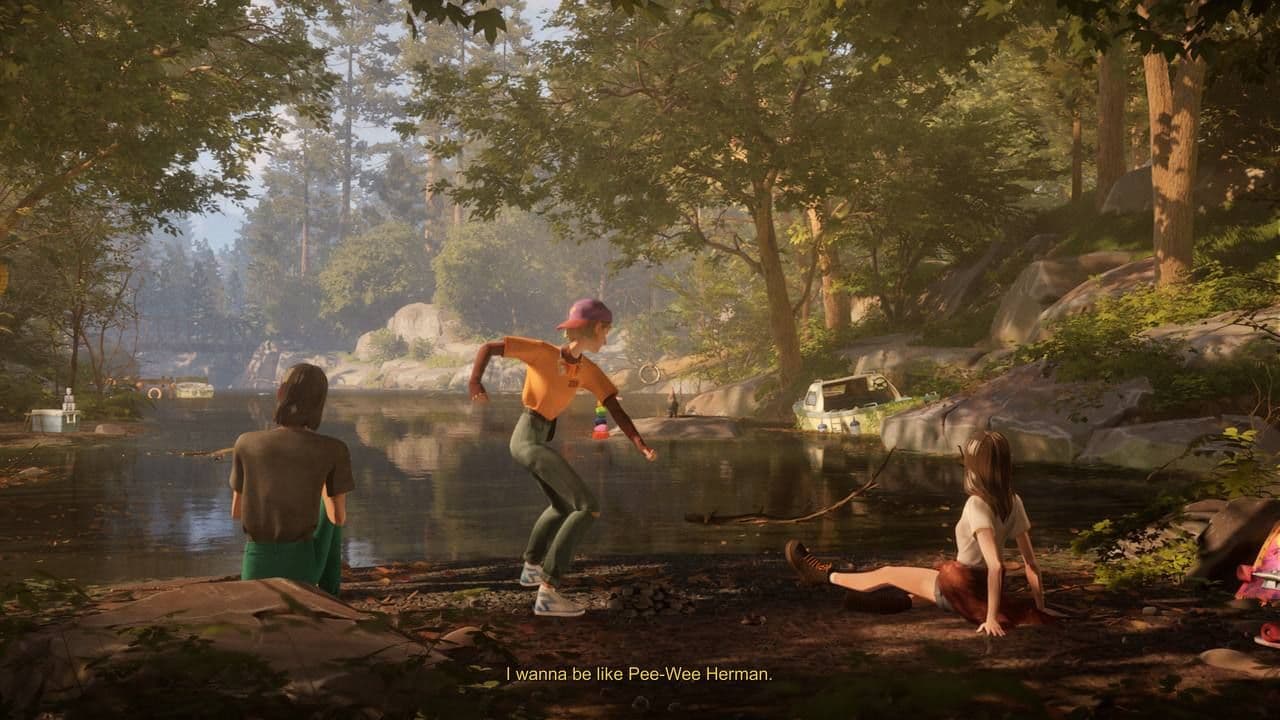
That said, if you come in expecting the mechanical depth of a traditional adventure game, you will leave disappointed. The most common complaint from Steam reviewers, which I understand, even if I disagree with, is that there is barely a game here.
One of the most-upvoted negative reviews on Steam calls it "more of a movie than a game", and that is a fair description, but the game, like many others in the genre, was intentionally designed that way. Whether that is a dealbreaker depends entirely on what you want from the experience. If you're into games like Dispatch, you will probably enjoy Mixtape. If you're not into that genre, then yes, you'll find the gameplay here is quite minimal. But the experience is still fun, and both things can be true.
Graphics and audio: what really stands out
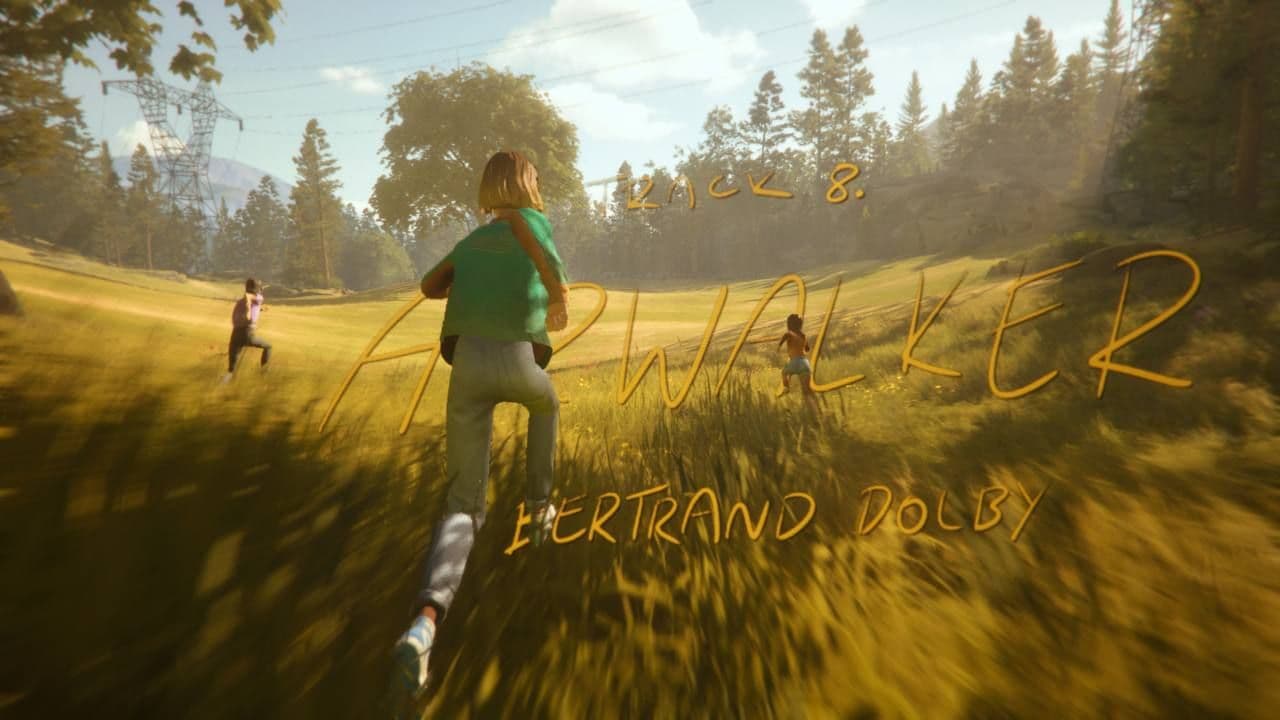
This is where Mixtape genuinely stands out. The art style is unlike anything else out right now: hand-drawn characters with expressive, slightly exaggerated animation that feels both nostalgic and completely fresh. The fourth-wall breaks, where Stacey turns to address the player directly, land because the animation and music flow sell them.
Each memory and moment feels completely unique and has its own soundtrack - be it the fireworks sequence on the beach drive or the wind carrying you through the grass field - every moment in Mixtape feels intentional and designed with love for music and art at heart.
The soundtrack is the centerpiece. Tracks from Devo, Iggy Pop, The Cure, Lush, and many others are woven into the story with real intention, not just dropped in as background texture. Each song is matched to a specific emotional beat, and the game earns those moments. Players who grew up with these songs or had similar high school experiences will definitely feel the nostalgia or at least relate to the idea of having a running soundtrack for your life - especially in your rebellious teenage years.
Story: where I wish it did better
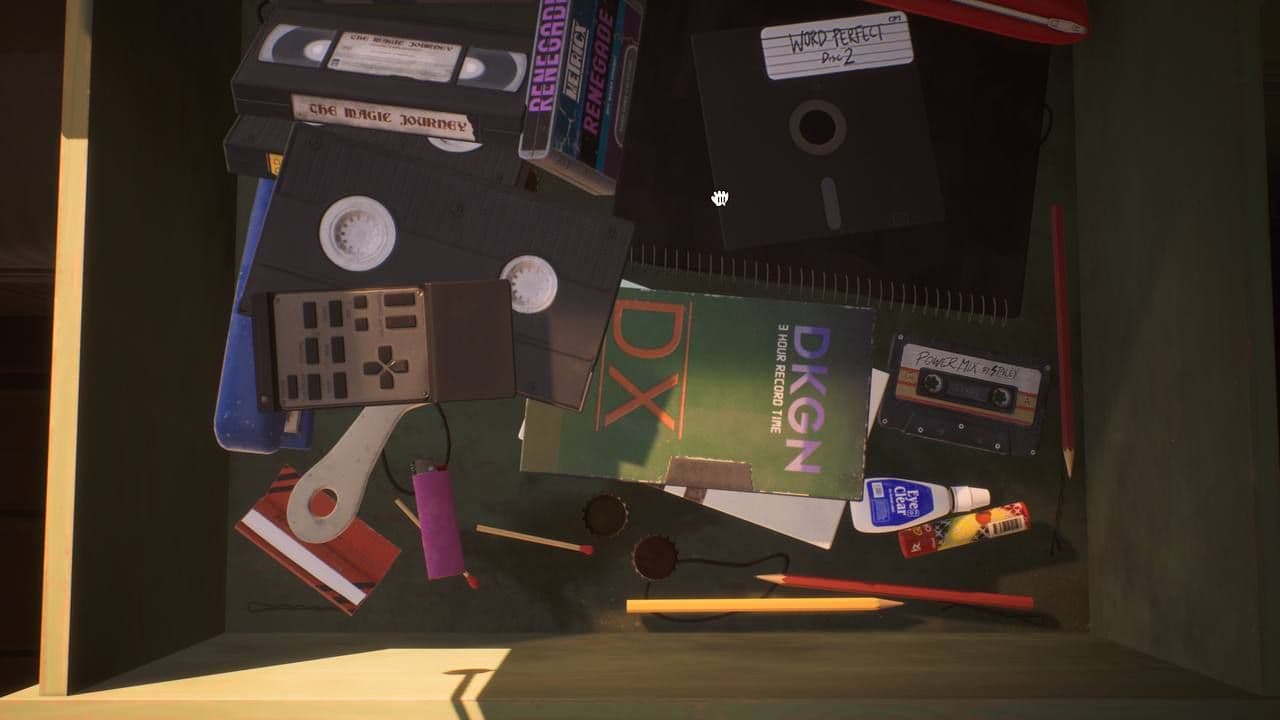
The structure of Mixtape is its smartest creative decision. Rather than telling the story chronologically, the game moves between the present-day final night and a series of flashbacks triggered by locations and objects. You see how the trio formed, where the cracks are, and what each of them is quietly afraid of. The emotional beats are earned, not manufactured.
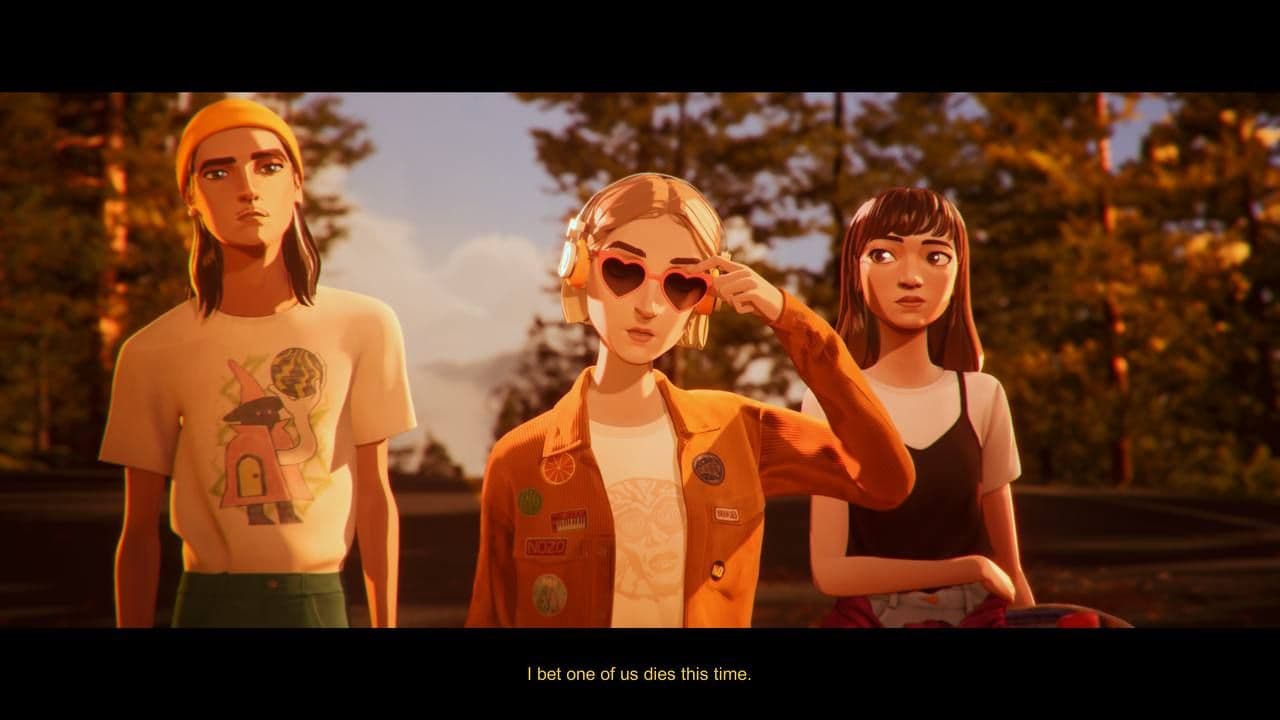
Stacy is the main character, and she is genuinely funny. Her commentary has a dry, self-aware, and sarcastic quality that gives the game something dynamic. Cassandra gets a standout sequence during the softball chapter where she lays out exactly how lost she feels, and it hits harder than most games manage with hours more screen time. Slater is the loveable anchor of the group, and his relationship with Stacy before Cass joined them adds a bittersweet layer to the whole thing.
There are a few loose ends by the time the credits roll. Some of these feel intentional, the kind of unresolved threads that mirror how real friendships actually end. Others feel more like the story ran out of space. At three to four hours, Mixtape does not have room to close every loop, and your tolerance for that will vary. I was personally surprised once the credits rolled, but I grabbed the platinum an hour later with chapter select so I can't complain.
Verdict: ignore the noise
The real question with Mixtape is whether it is a game or a cinematic interactive experience, and whether that distinction matters to you.
I finished it in one sitting, which is exactly how it should be played. And I genuinely found the minigames and the overall soundtrack focus pretty fun. The game could've definitely used an extra 1-2 hours of memories, perhaps to dive deeper into Stacey's origin story and why she fell in love with music in the first place. But if you look at games as hours played vs money spent, you'd probably have a better time playing something else.
Overall, I'd recommend ignoring the noise on both sides. It's a fun game, but it's not a “perfect” 10/10 game by any means (in my opinion). But on the flip side, it's not claiming to be an RPG either - it's an interactive story game (visual novel, or whatever you wanna call the genre) that is still sitting at a “very positive” review score on Steam at the time of writing this. So ignore the noise and if there's anything you're going to take away from this review, let it be this:
If you are a story-focused player, a fan of games like Dispatch, or someone who has ever made a playlist to match a specific feeling, this game is for you. If game mechanics, grinding, or player agency are what keeps you coming back to games, look elsewhere.
Mixtape Review
8/10
Mixtape is the kind of game that reminds you why this medium exists. It does not pretend to be something it is not. There are no deep systems, no skill trees, no replayability beyond hunting down all 27 trophies. What it offers instead is a tightly crafted, emotionally honest slice of life that lands harder than many 20-hour games ever manage. If you can accept that going in, you will not regret a single minute. If you need a game to feel like a game, this will frustrate you. The bottom line: Beethoven and Dinosaur made something genuinely special here. If you're a fan of this genre of games, get ready to play it in one sitting, headphones on, and ignore the noise.
8
Pros
Great music soundtrack compliments each level
Unique art and animation style
Great storytelling pacing themed in memories across one day
Varied chapter structure keeps the experience fresh
Trophy-hunter friendly with chapter replay
Cons
Extremely short at 3-4 hours in total
Minimal gameplay depth, closer to an interactive movie
A few narrative loose ends that may frustrate some players
$20 price tag may feel steep relative to the runtime