Overview
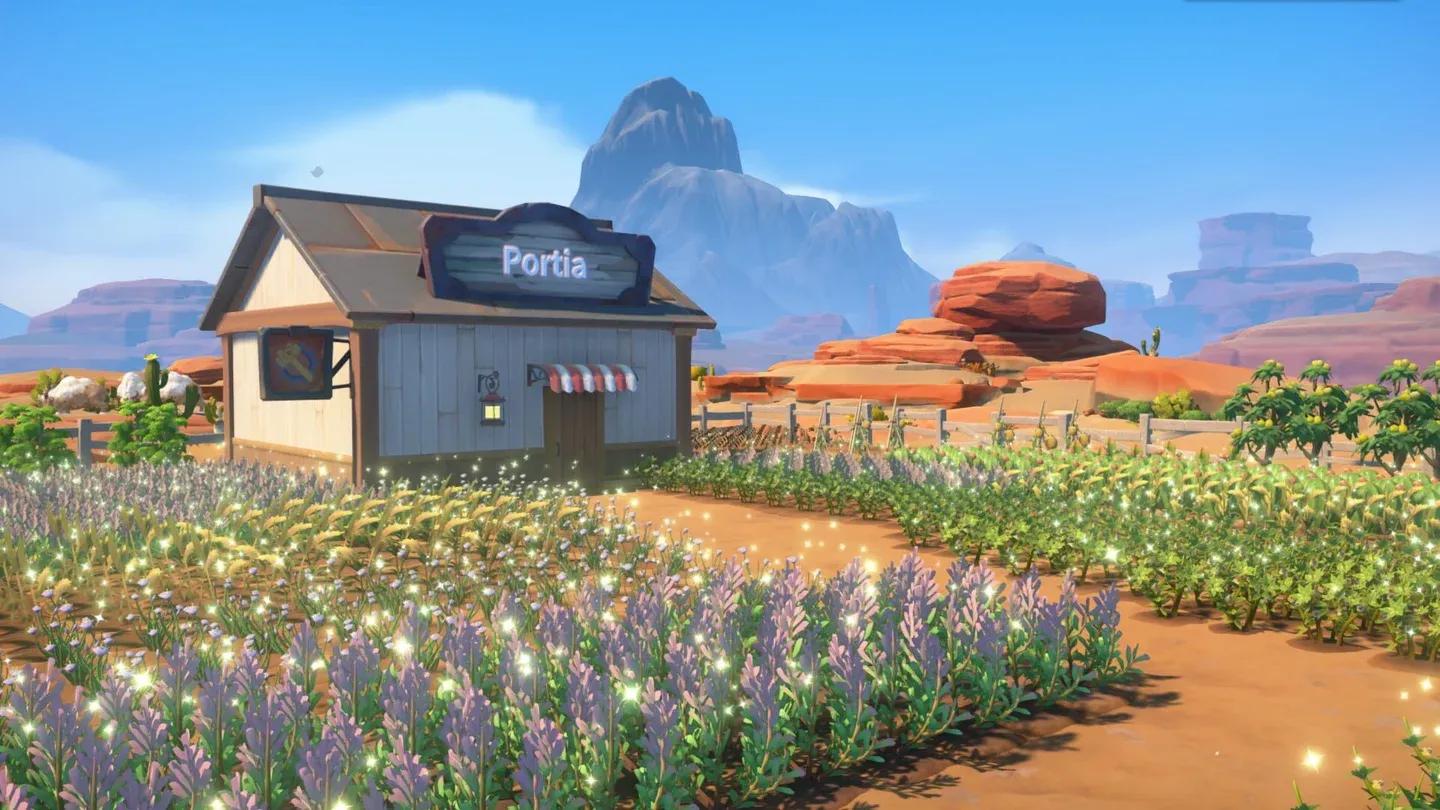
My Time at Sandrock arrived in full release on November 2, 2023, developed by Pathea Games and published by PM Studios. The game is set in the same post-apocalyptic universe as My Time at Portia, but Sandrock stands apart as its own fully realized location. The world sits 300 years after the Day of Calamity, an event that wiped out most modern technology and sent civilization scrambling to rebuild from scratch. Sandrock is a desert city-state clinging to survival, and you arrive as its newest Builder, a tradesperson tasked with reversing its economic decline through sheer effort and ingenuity.
The setup sounds simple, but the game layers on complexity quickly. Gathering raw materials, crafting components, constructing machines, and fulfilling commissions form the backbone of daily play. Sandrock is not a passive experience where you tend crops and wait for time to pass. The town has real problems, rival factions have competing interests, and the wilderness outside the city walls is full of things that want to eat you. The Builder's workshop is the hub around which everything rotates, and upgrading it from a dusty shed into a functioning production facility is one of the game's most satisfying long-term arcs.
Gameplay and mechanics: what does a Builder actually do?
The core gameplay loop in My Time at Sandrock revolves around the commission board, your workshop, and the surrounding environment. Each day you balance resource gathering, crafting, relationship-building, and combat, all while managing your stamina meter. The loop is tighter than it sounds.
Key activities include:
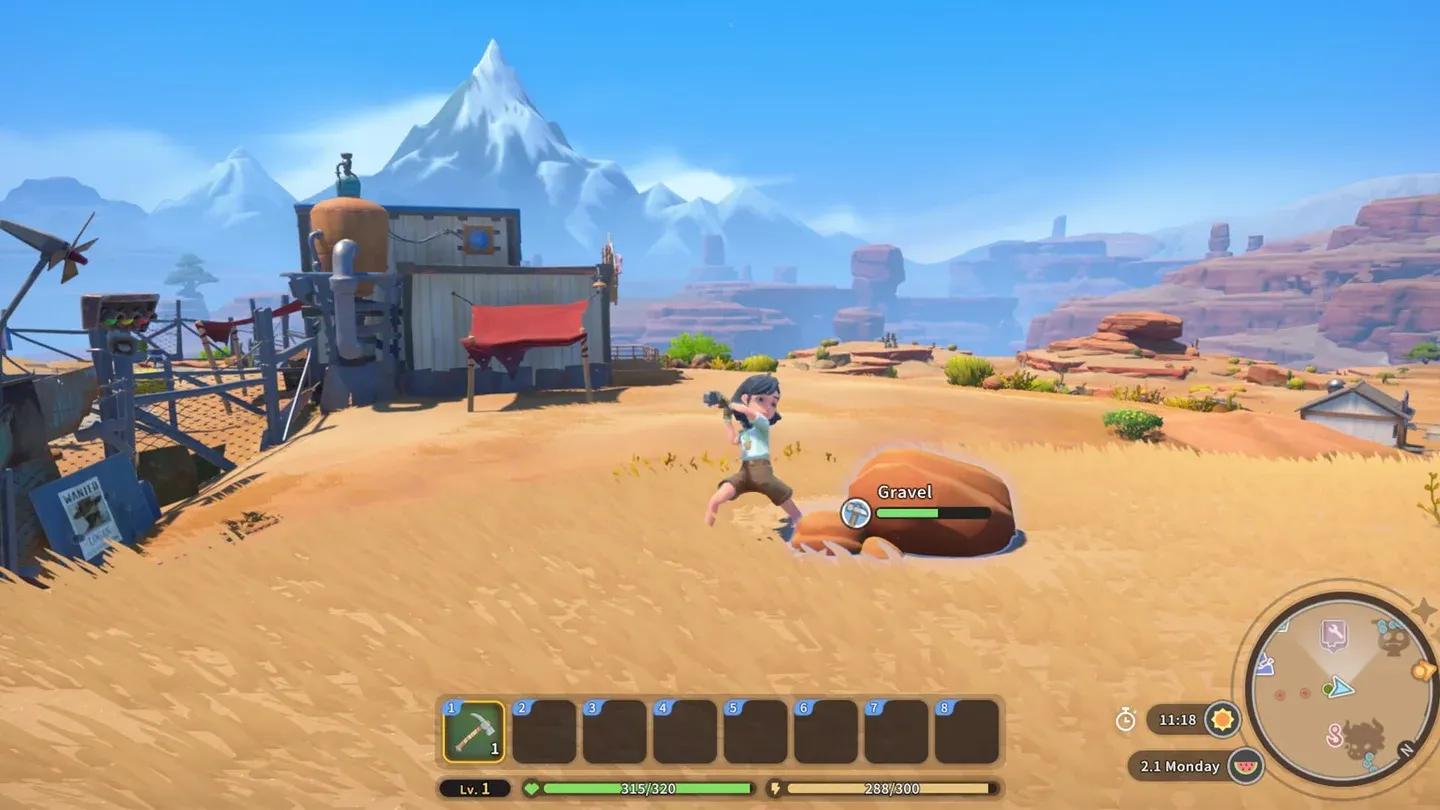
- Mining ruins for salvaged materials
- Crafting machines to automate production
- Completing commissions to earn currency and reputation
- Building relationships with Sandrock's residents
- Fighting monsters in the desert and underground dungeons
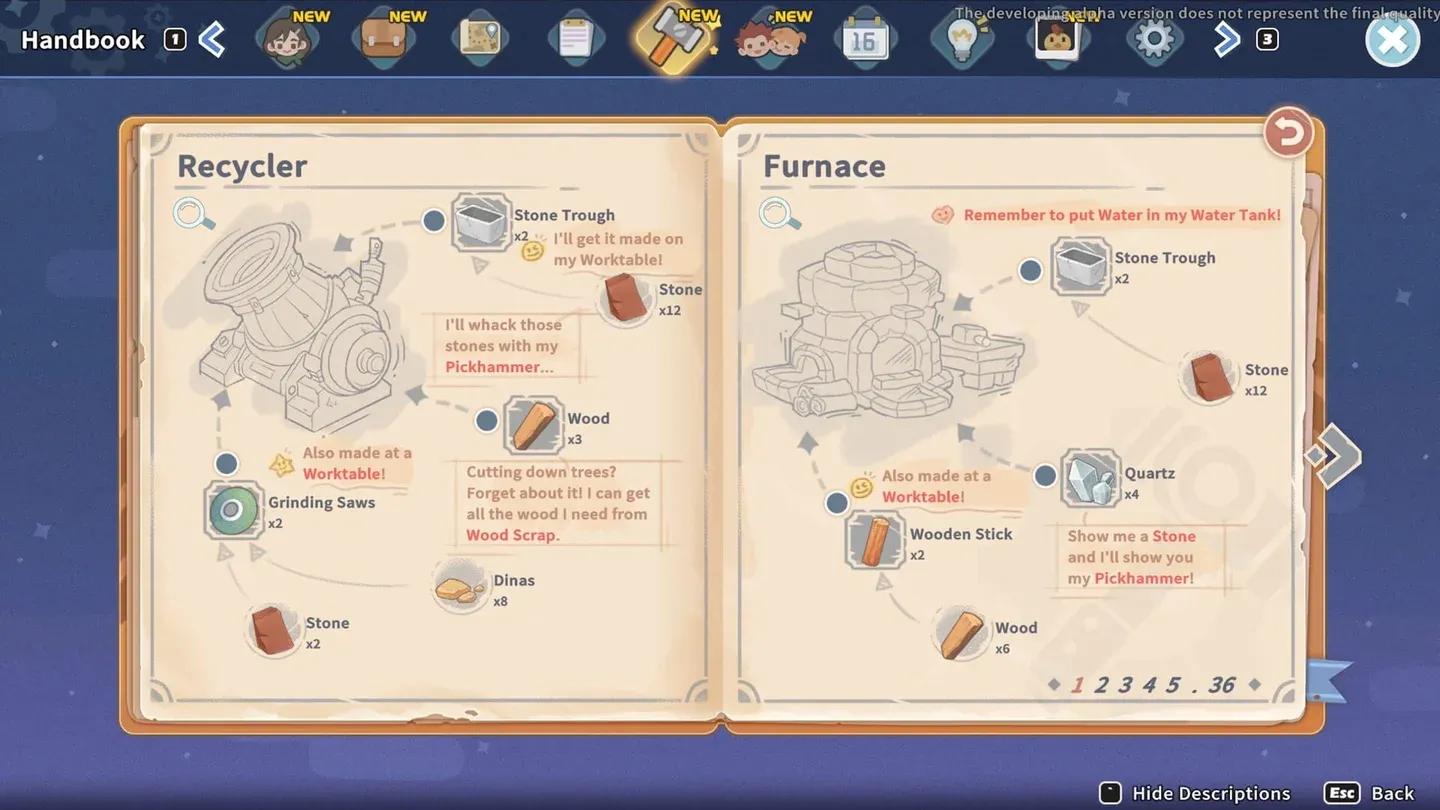
The crafting system goes deeper than surface-level. Many production chains require you to build machines that then produce intermediate components, which feed into final products. Getting that chain optimized is genuinely engaging, and watching your workshop evolve from manual labor to semi-automated output gives the progression real weight.
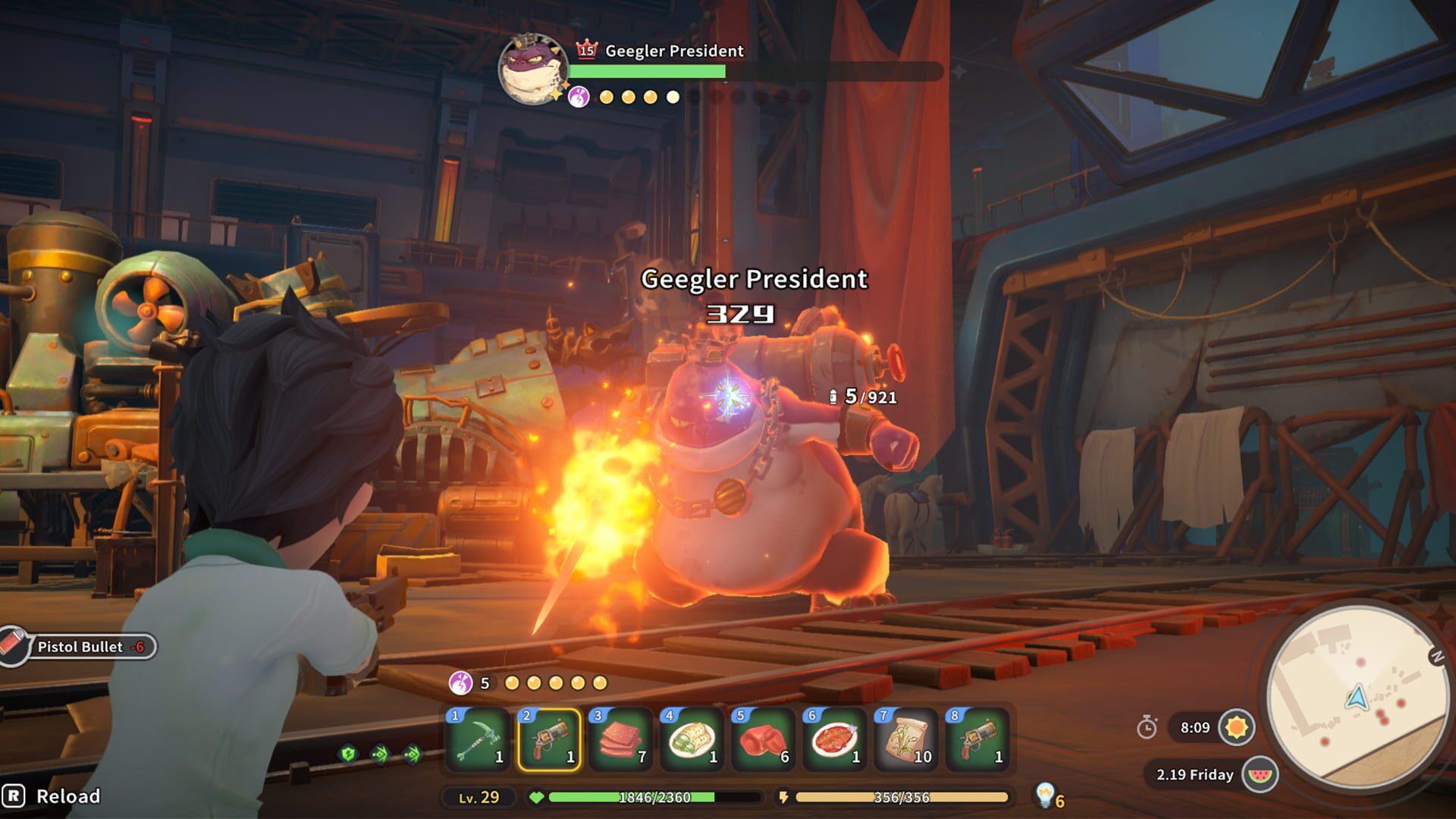
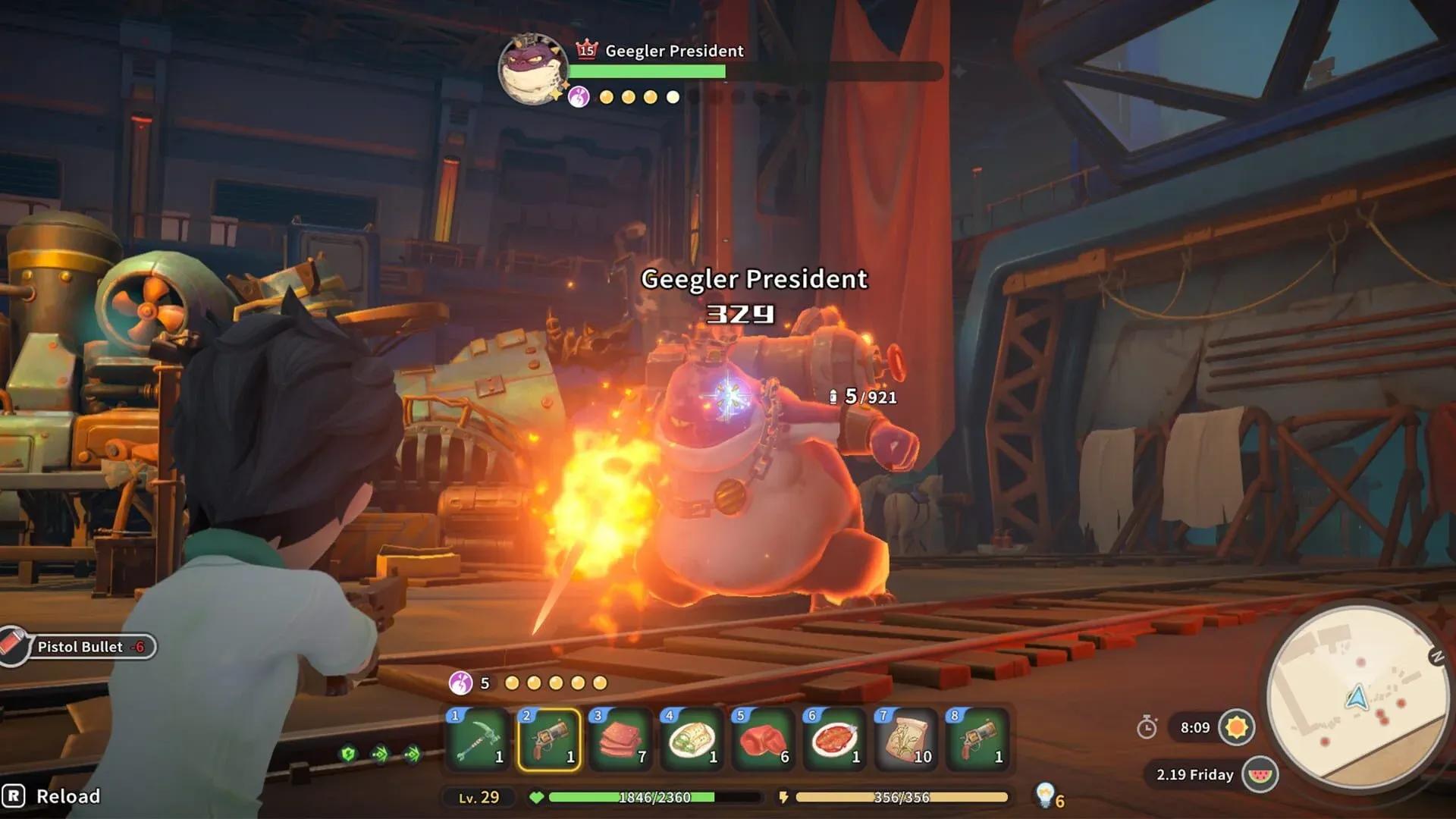
Combat is more involved than the genre average. Sandrock uses an action-based system with dodging, blocking, and a variety of weapons, and it connects to the story in meaningful ways rather than sitting awkwardly alongside the life-sim elements. Boss encounters exist, and they require actual preparation rather than button-mashing.
World and setting: life in the desert
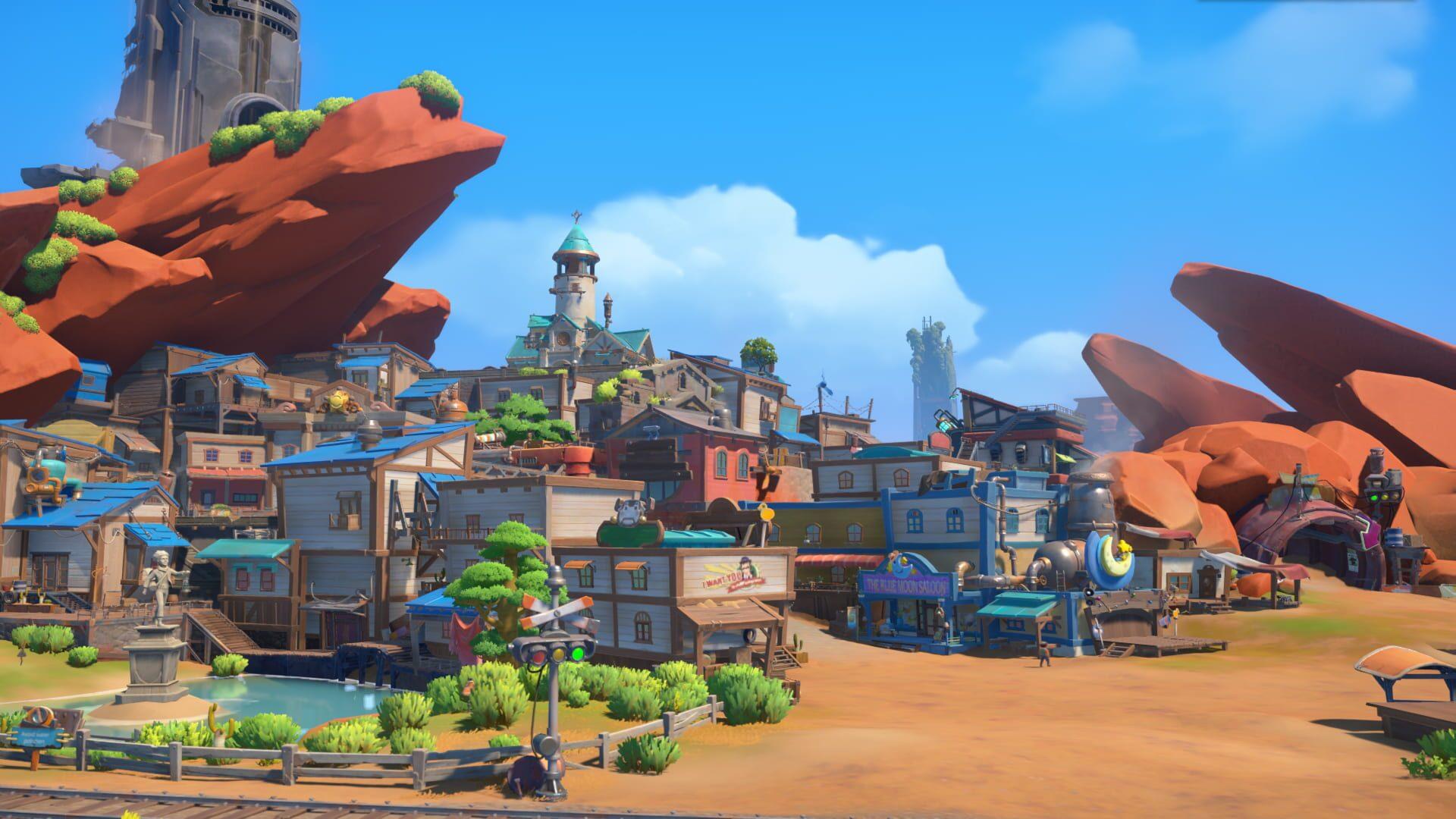
Sandrock's desert setting is not just an aesthetic choice. The environment shapes how you play. Water is scarce and valuable. The ruins scattered across the dunes hold the salvaged technology that fuels your crafting. The city itself has a frontier town energy, with a cast of characters who feel rooted in the place rather than dropped in for decoration.
The ESRB rating of Everyone 10+ covers alcohol references, comic mischief, fantasy violence, mild language, and mild suggestive themes, which accurately reflects the game's tone: it has genuine dramatic stakes and some dark history baked into its lore, but it keeps things accessible.
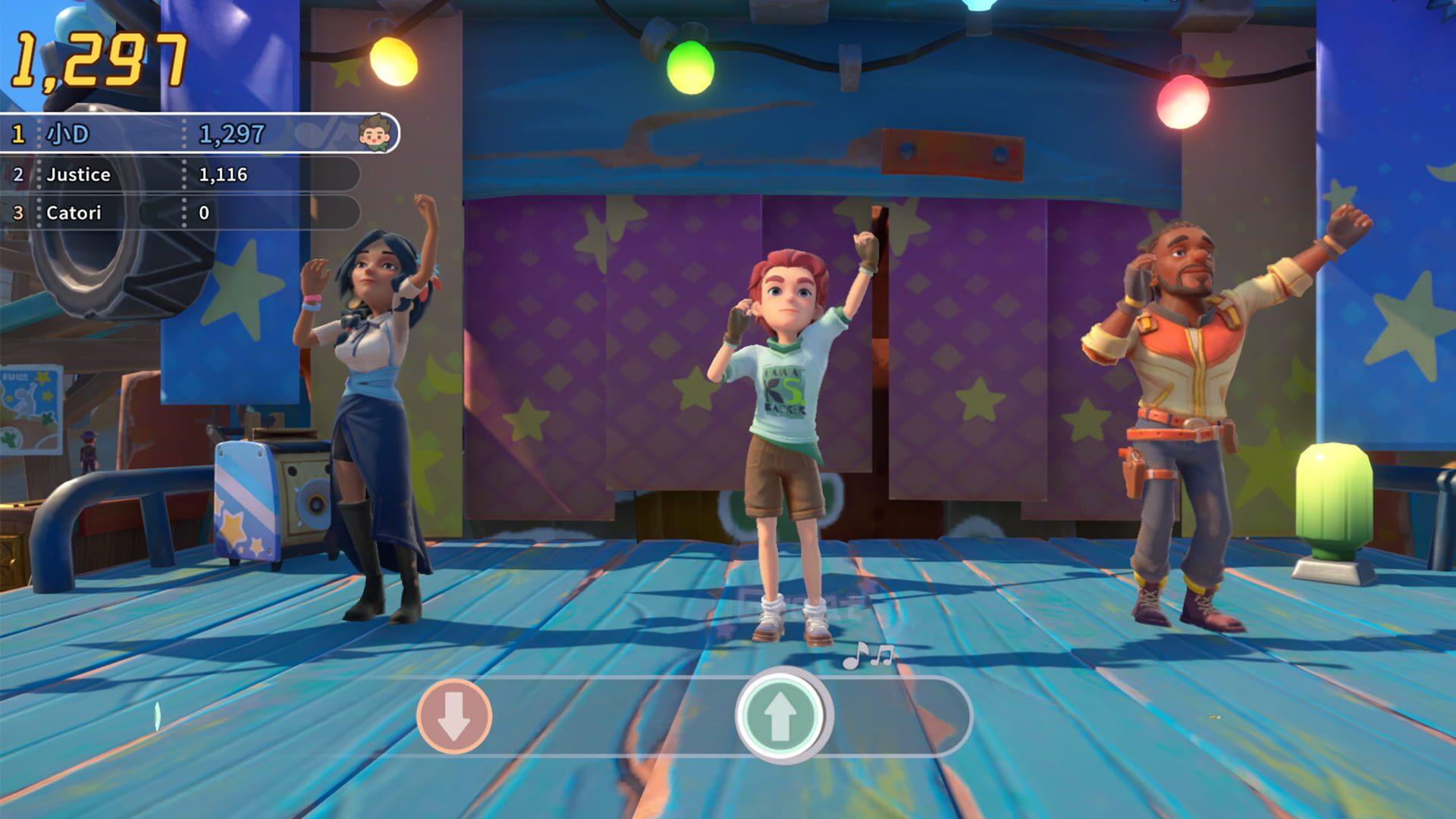
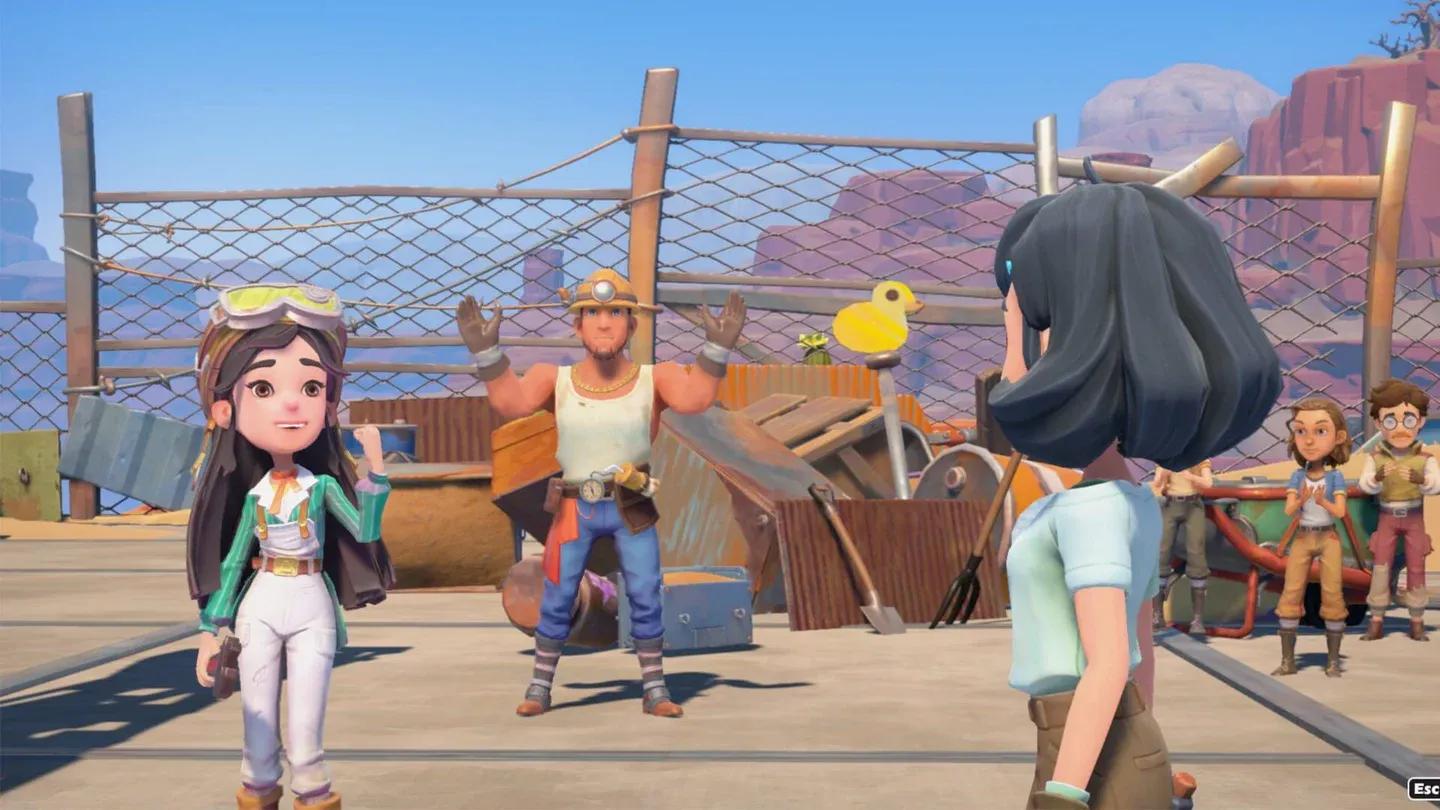
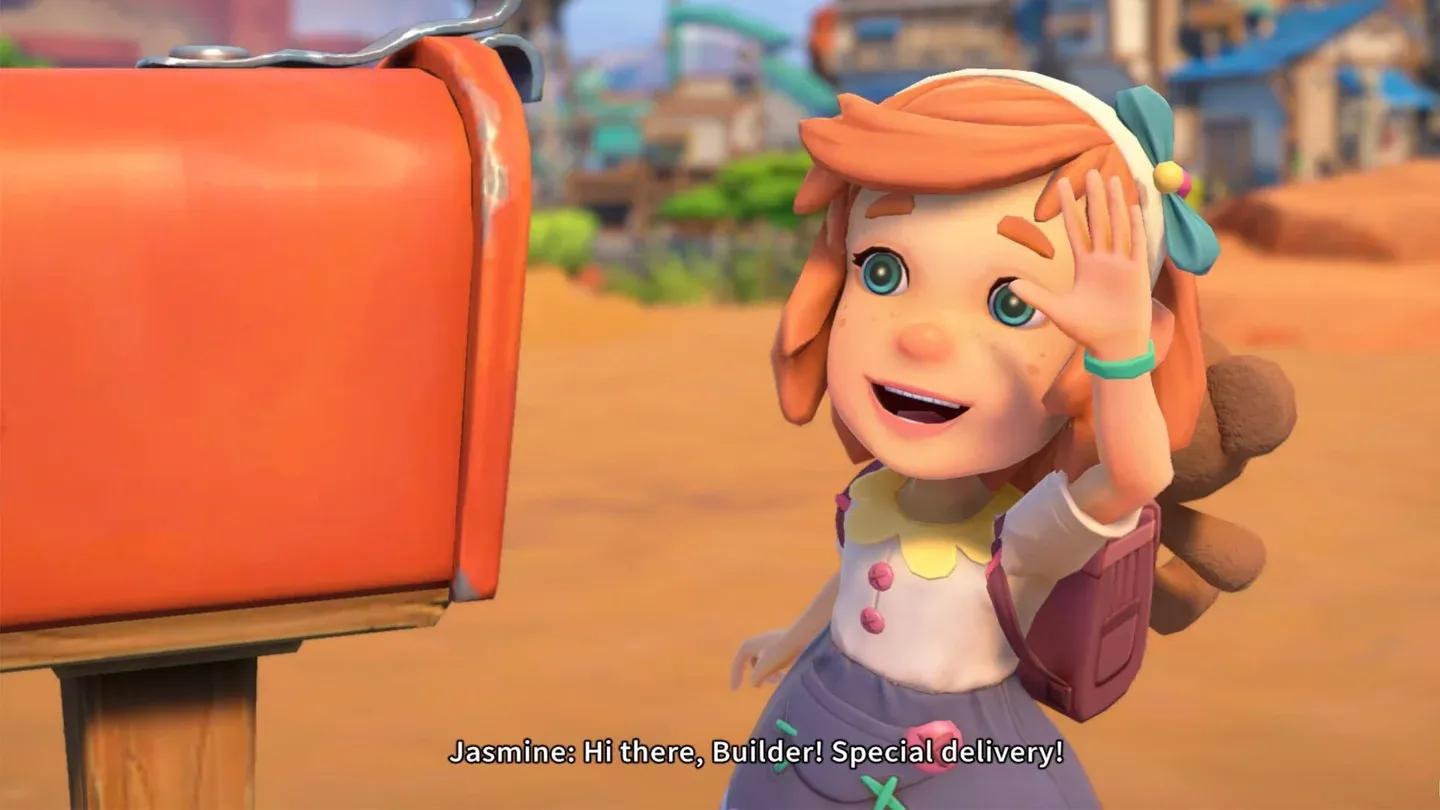
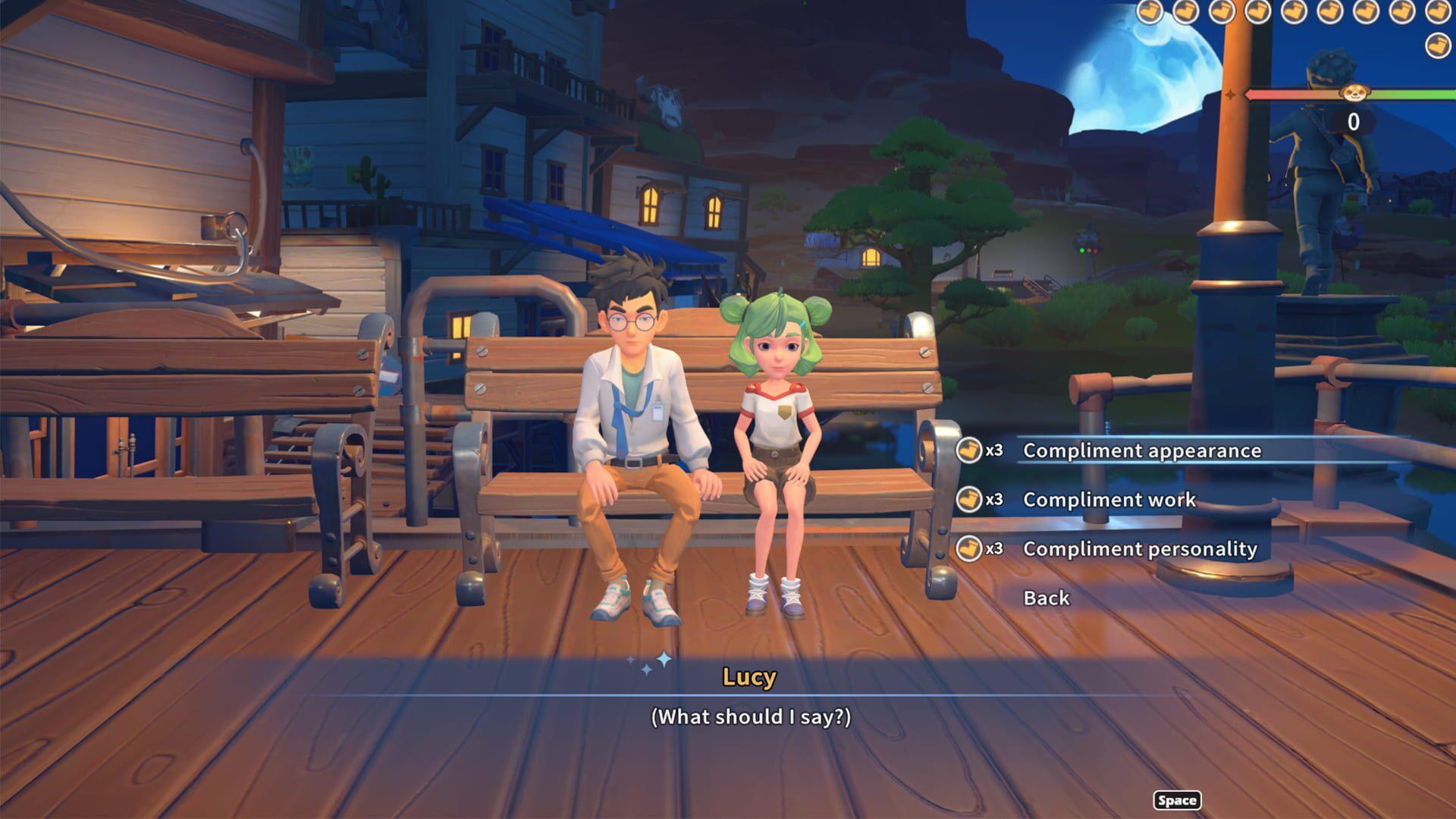
Romance options, friendship systems, and a calendar full of festivals and events give Sandrock's social layer real texture. Relationships develop through gift-giving, conversation, and completing personal quests for individual characters, and several residents have story arcs that intersect with the main plot in ways that reward paying attention.
Content and replayability
My Time at Sandrock ships with a complete main story, split across multiple acts that were added during its early access period before the 1.0 launch. The full narrative runs to a proper conclusion, not a soft stopping point. Side content includes secondary commissions, character relationship quests, dungeon exploration, and ongoing workshop development that continues well past the credits.
The game is available on PC via Steam and Epic Games Store, PlayStation 4, PlayStation 5 (with PS5 Pro Enhancement), Xbox, and Nintendo Switch. The PlayStation version holds a 4.58 out of 5 rating from over 2,100 user ratings on the PlayStation Store. Nintendo Switch 2 compatibility is confirmed, with behavior consistent with the base Switch version.
Conclusion
My Time at Sandrock is a life-sim RPG with more backbone than most entries in the genre. The crafting and workshop-building systems give it a satisfying mechanical depth, the desert setting provides a distinct identity, and a complete main story means there is a genuine reason to keep playing beyond the daily routine. For players who found My Time at Portia too gentle or who want a simulation RPG that asks something of them, Sandrock delivers.