Overview
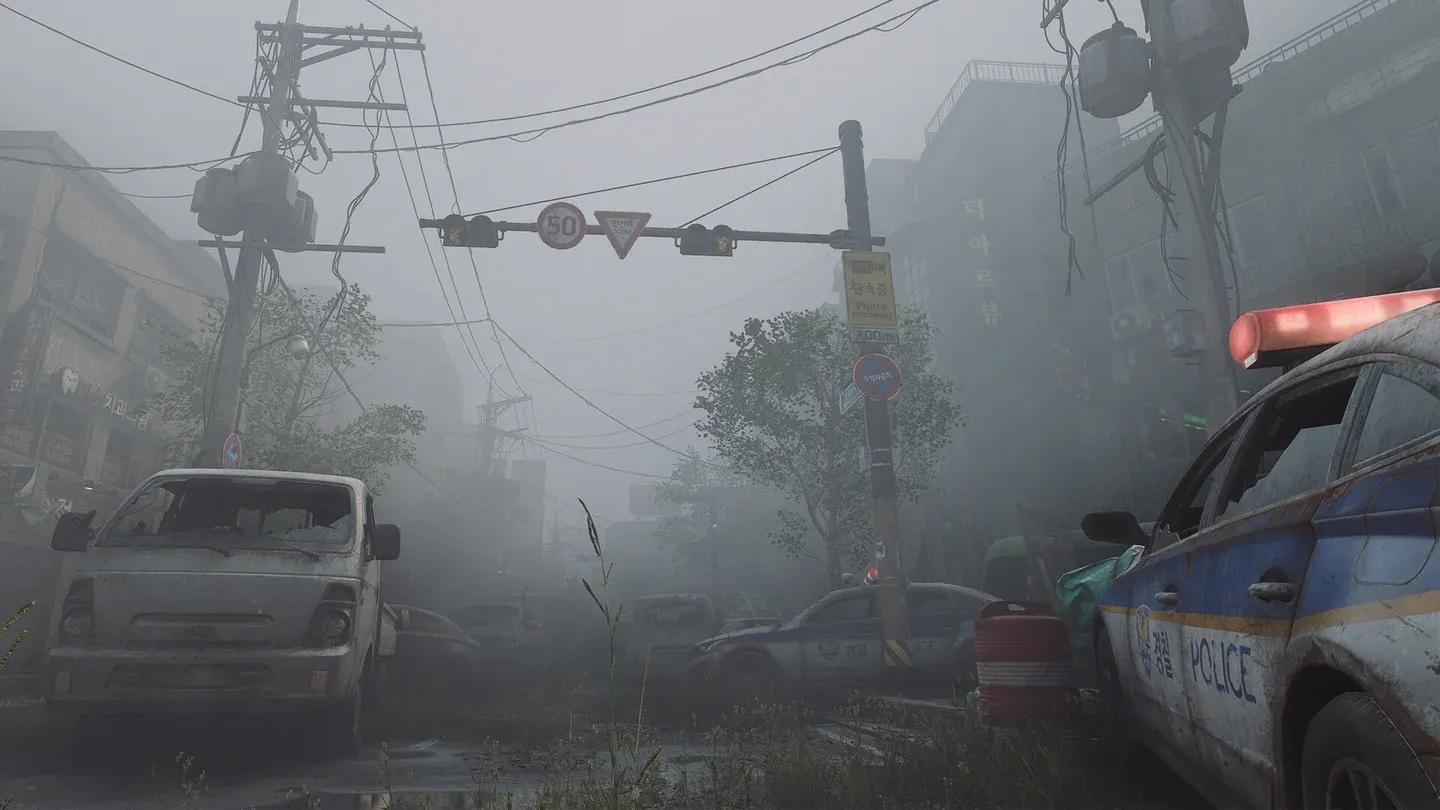
NAKWON: LAST PARADISE is a multiplayer zombie survival game set in the ruins of Seoul, South Korea, a city whose staggering population density makes it one of the most compelling and terrifying backdrops imaginable for an apocalyptic scenario. Developed and published by NEXON, the game weaves together action, RPG progression, simulation, and strategy into a cohesive survival loop that demands both quick reflexes and careful planning. The world did not end quietly here; it collapsed under the weight of a cascading infection that governments, militaries, and science all failed to stop.
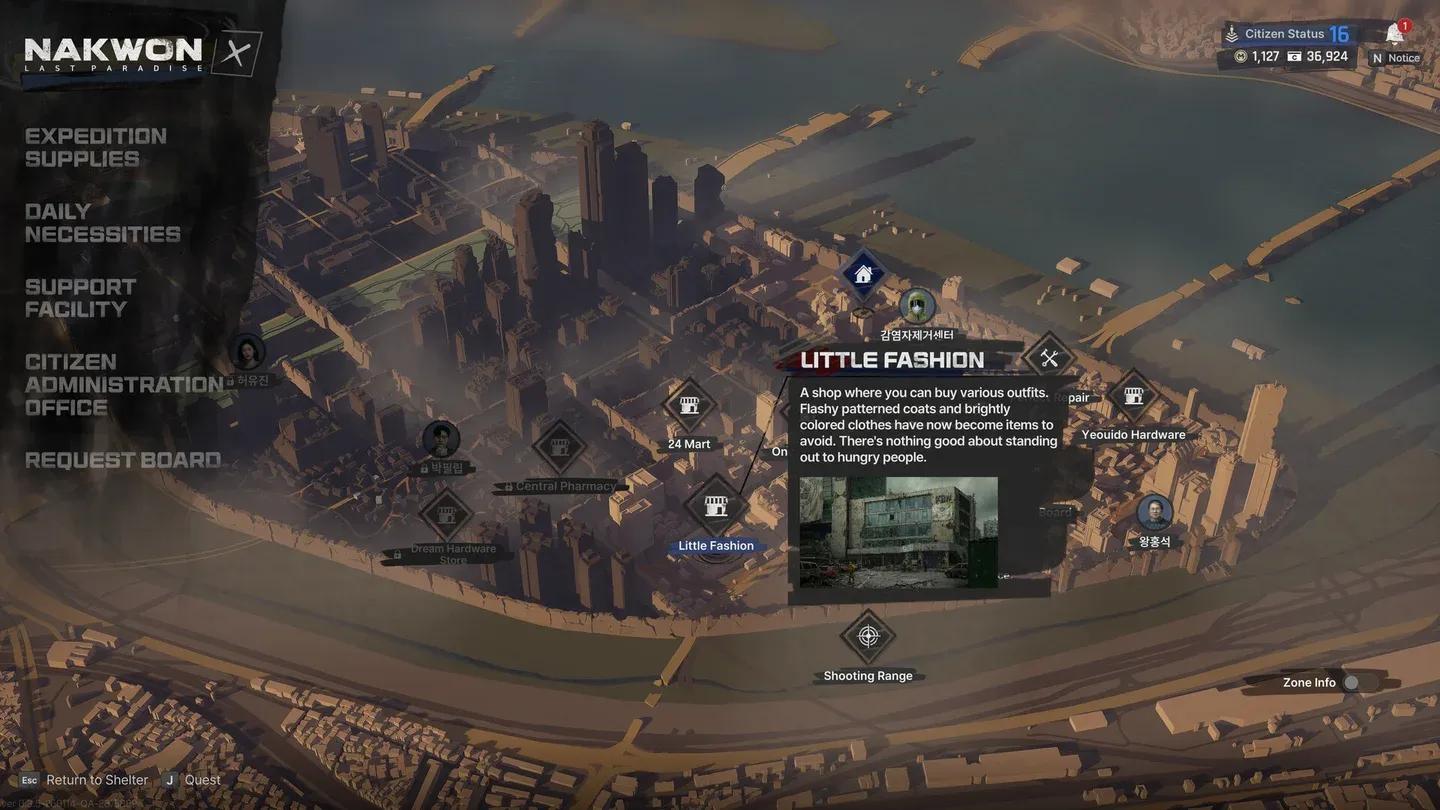
The backstory grounds everything in unsettling plausibility. An asteroid's near-pass triggered a blackout, and in the darkness that followed, a mysterious infection spread with terrifying speed. Governments quarantined major cities worldwide, from New York to Tokyo, but Seoul's sheer population density made containment a fiction. What remains is Yeouido, the largest surviving safe haven in the city, surrounded by a sprawling urban wasteland teeming with the infected and desperate, dangerous survivors.
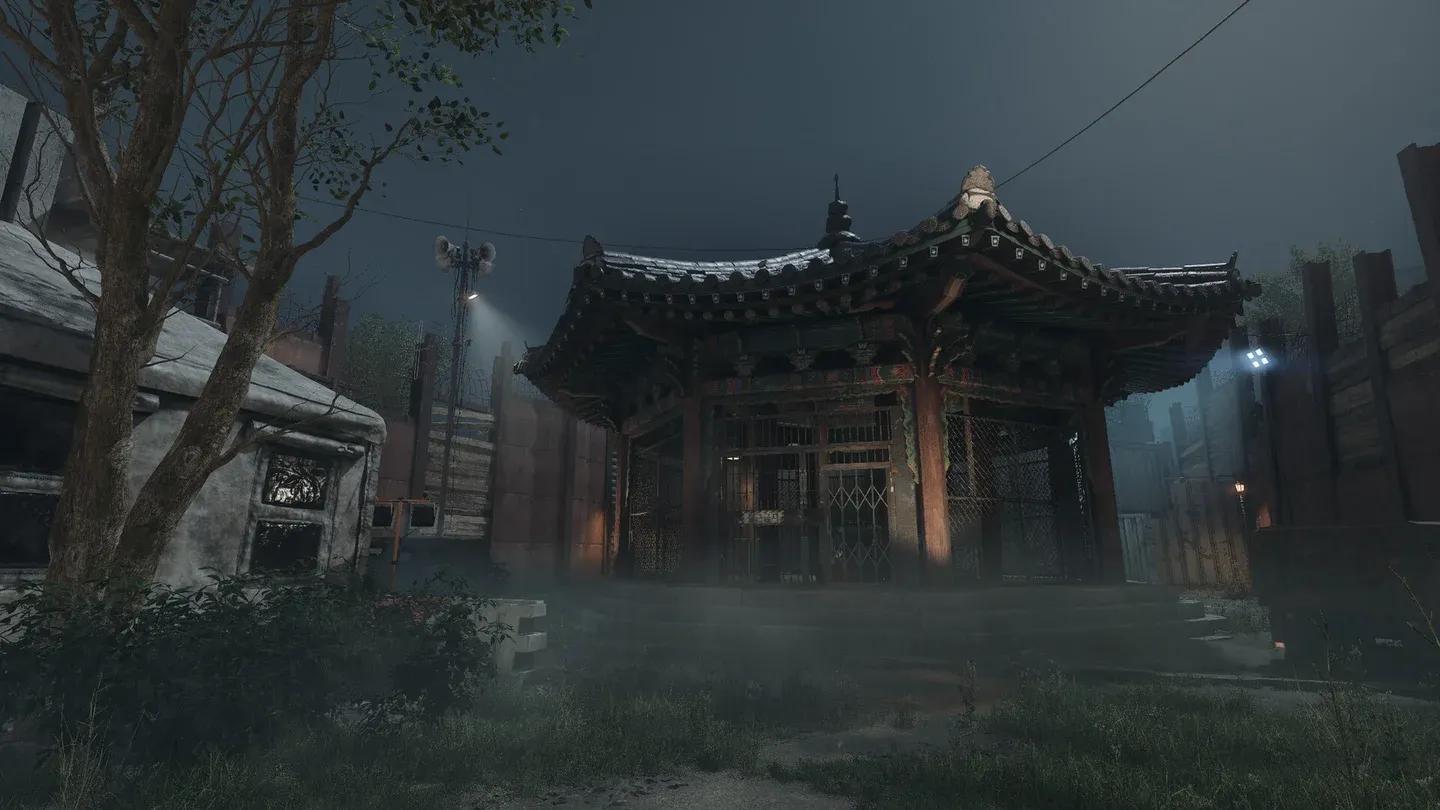
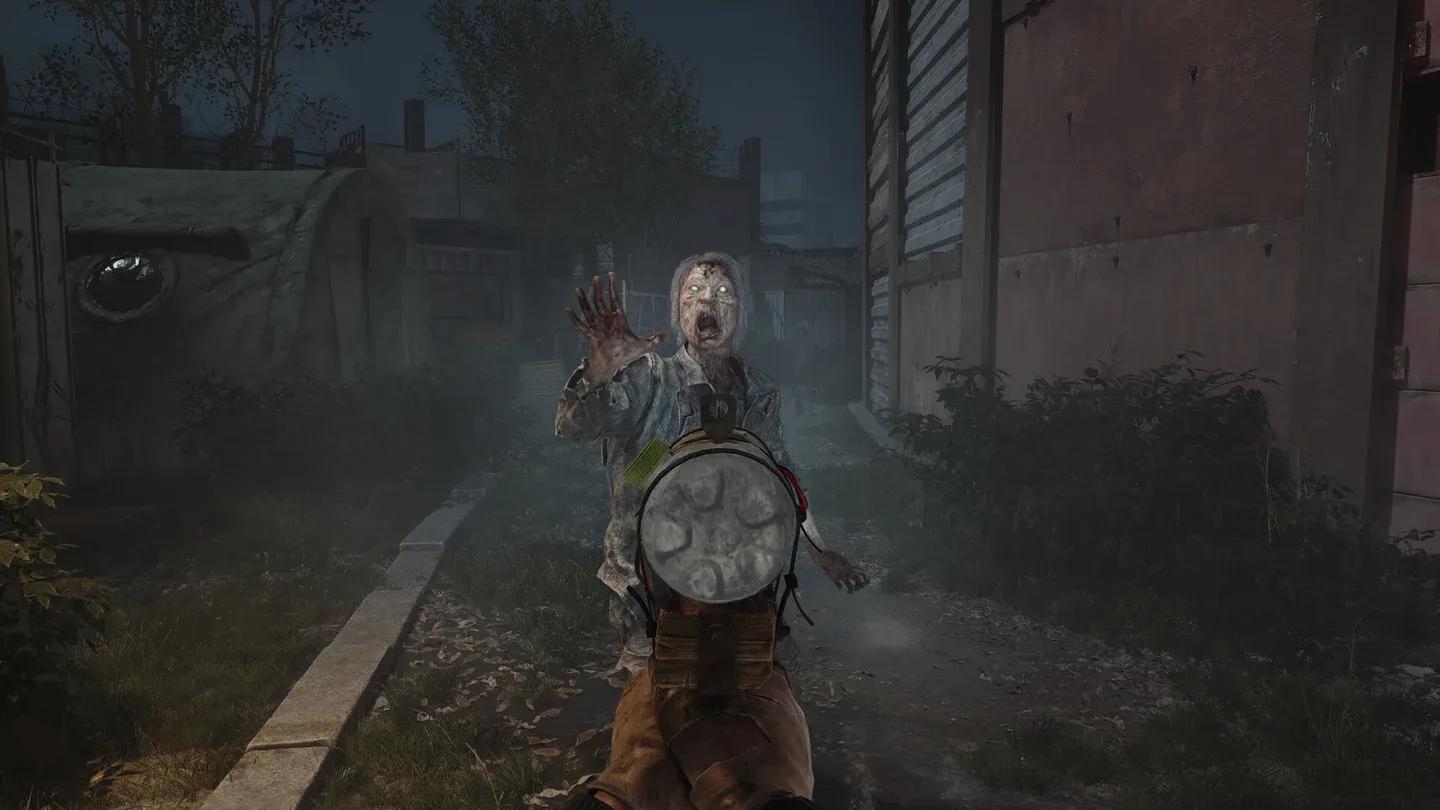
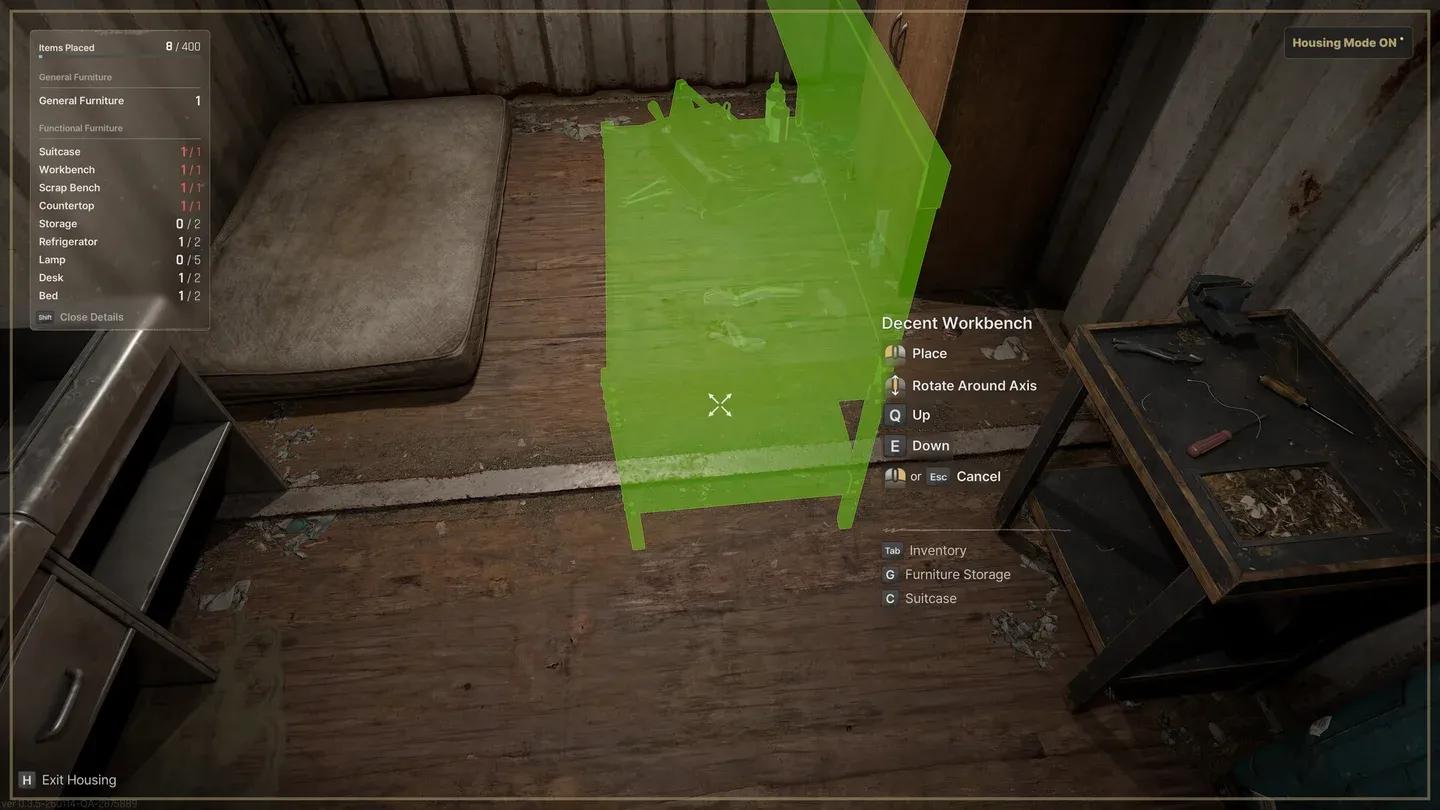
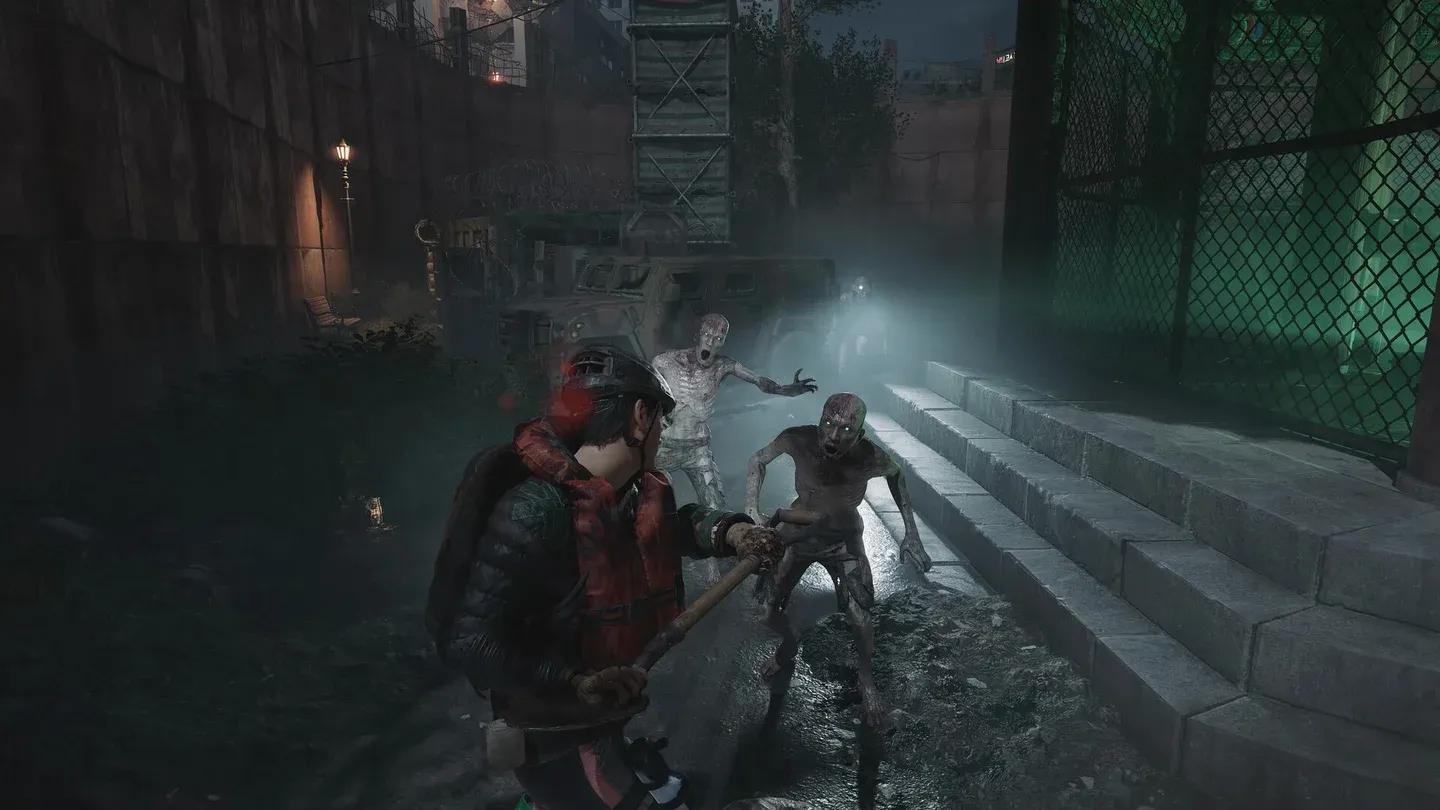
The dual-cycle structure of NAKWON's gameplay is one of its most defining characteristics. Night belongs to the infected-infested city streets, where players venture out to scavenge critical resources. Day returns survivors to their shelters, where management, fortification, and preparation take center stage. This rhythm creates a persistent tension that neither half of the loop allows players to fully escape.
Gameplay and Mechanics: How Does NAKWON's Survival Loop Work?
NAKWON: LAST PARADISE structures its core experience around a day-and-night survival cycle that demands players master two very different skill sets. Scavenging runs through Seoul's urban ruins require combat awareness, resource prioritization, and route planning. Back at the shelter, players shift into a simulation and strategy mindset, managing supplies, reinforcing defenses, and preparing for the next venture into hostile territory.
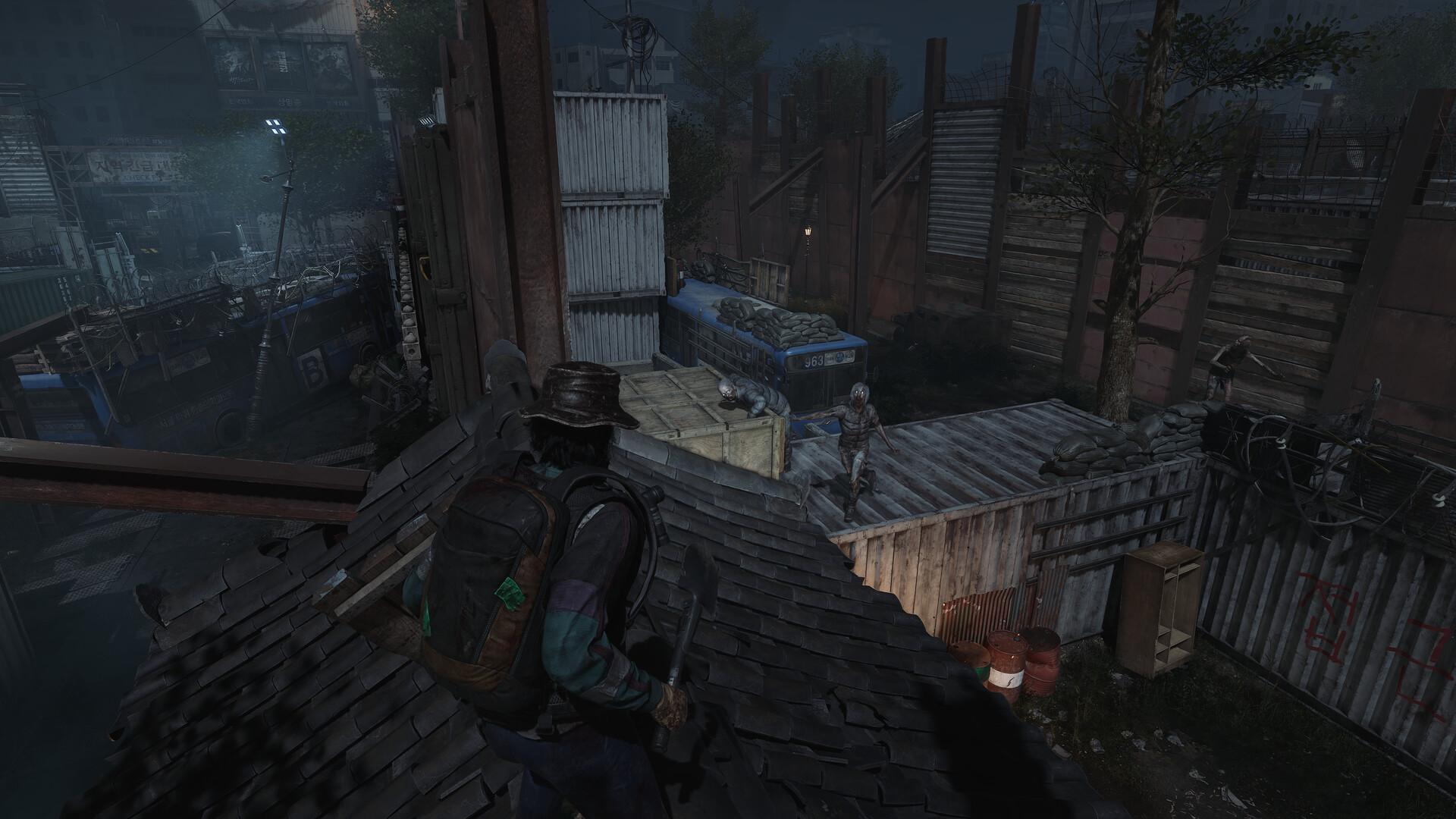
Key mechanics include:
- Night-time scavenging in infected urban zones
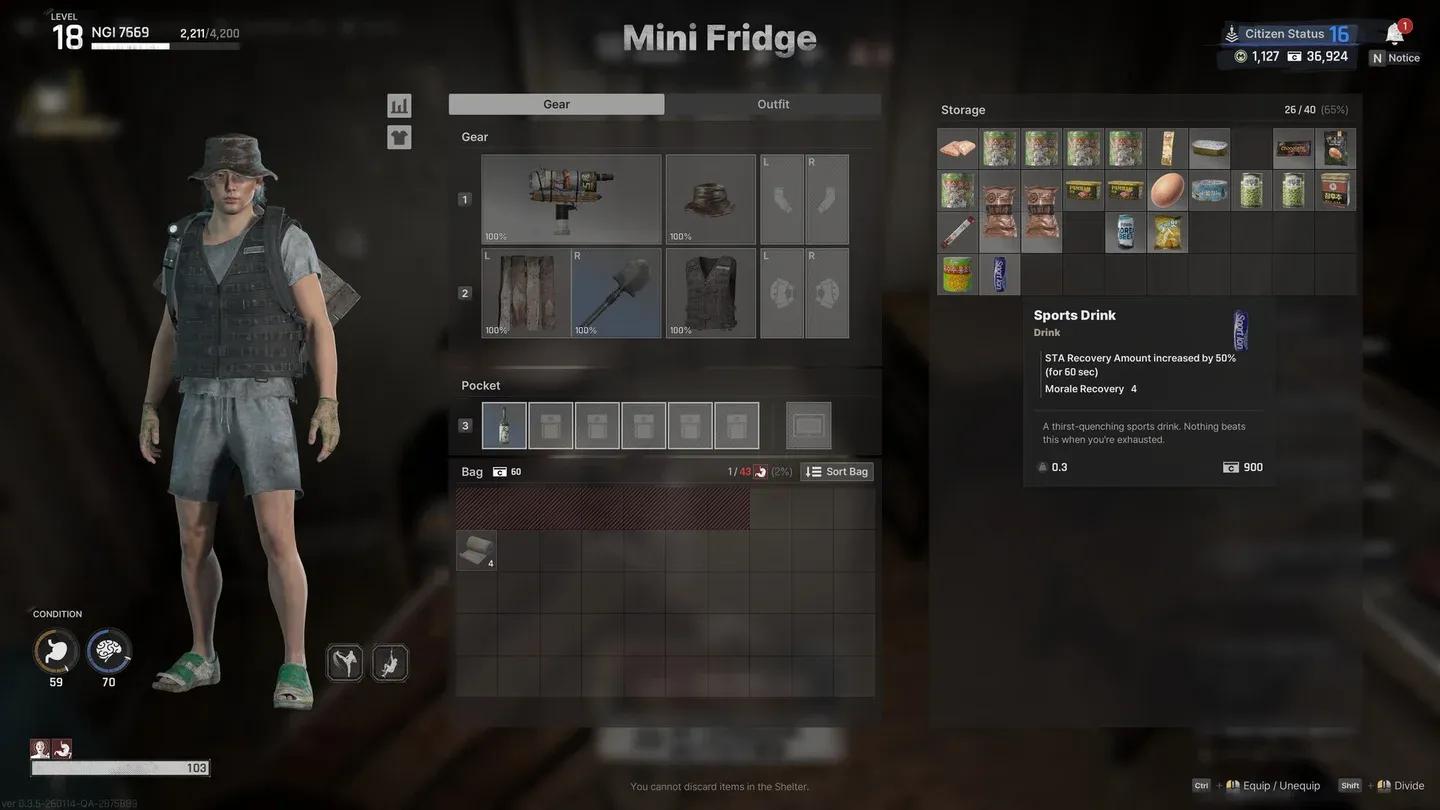
- Shelter construction and resource management
- Multiplayer co-operation and PvP tension
- RPG-style character progression
- Strategic planning between day and night cycles
The presence of hostile survivors adds a critical layer of complexity. Other players are not allies by default, and the game makes no promises of safe cooperation. Trust becomes a resource as scarce as food or ammunition, and every encounter with another human carries the weight of that uncertainty.
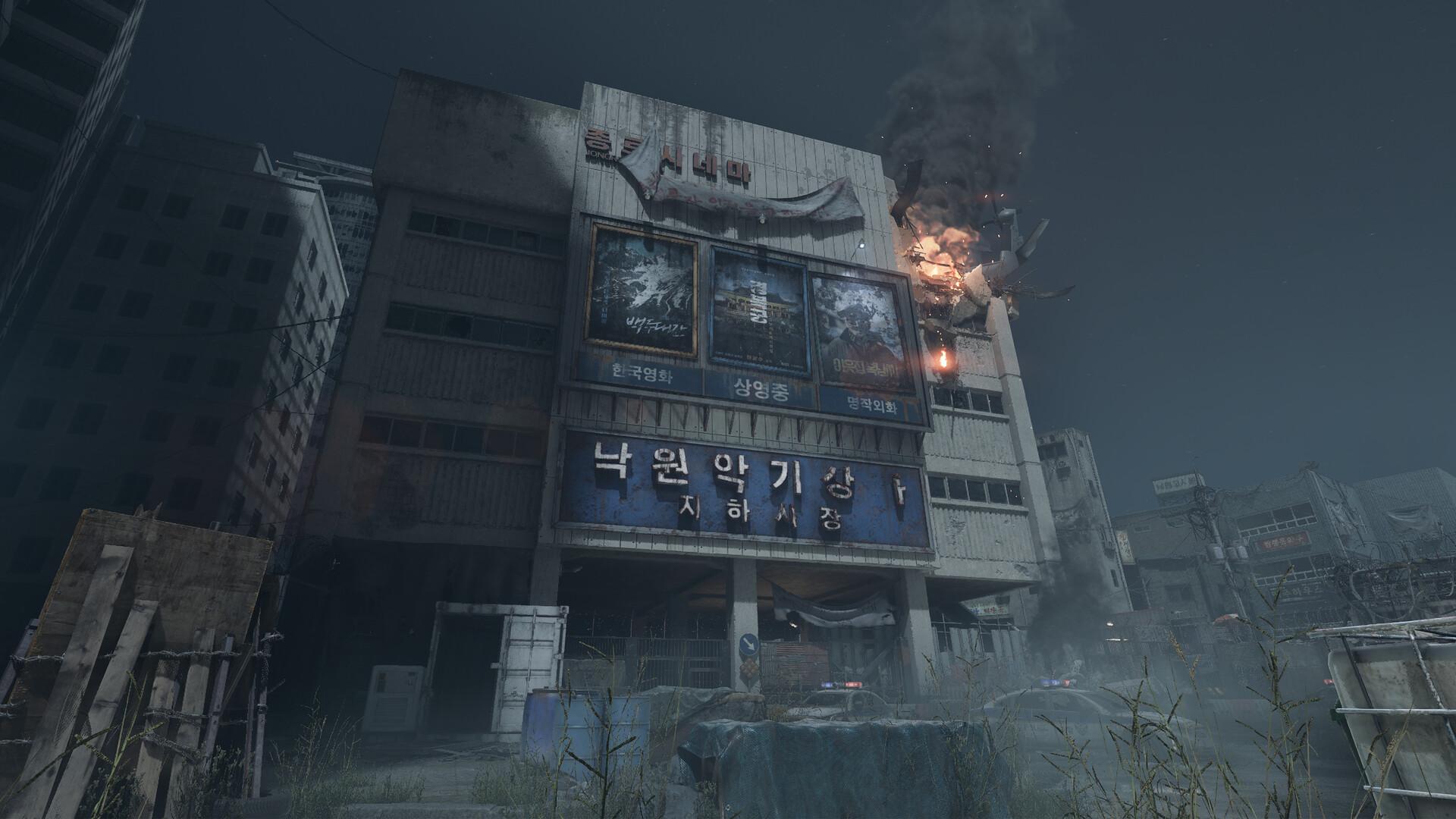
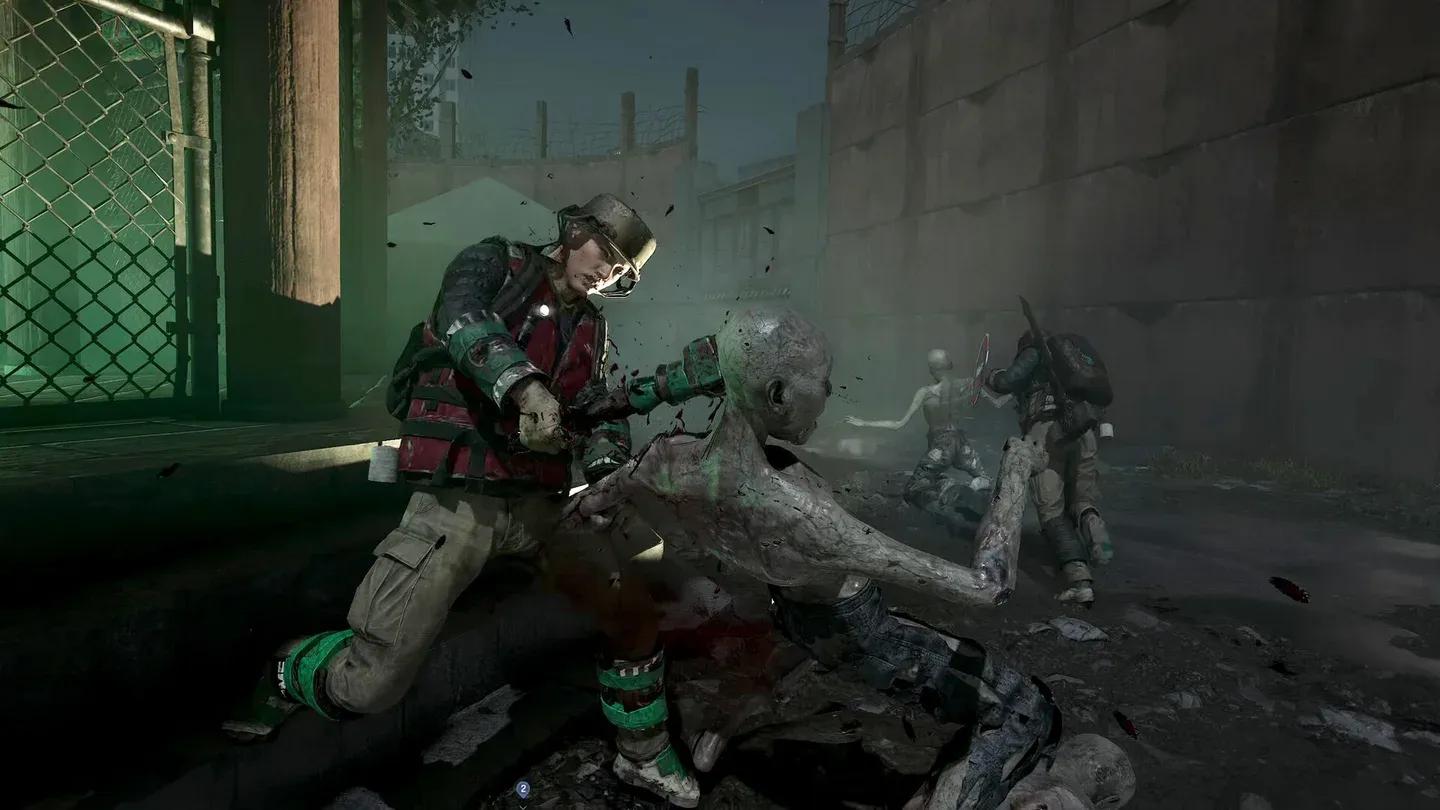
The action-shooter elements sharpen during nighttime excursions, where combat against both the infected and rival survivors demands precision and adaptability. The RPG progression system rewards sustained play, allowing characters to develop in ways that reflect each player's preferred approach to survival, whether that leans toward combat, stealth, or resource efficiency.
World and Setting: Seoul as a Survival Sandbox
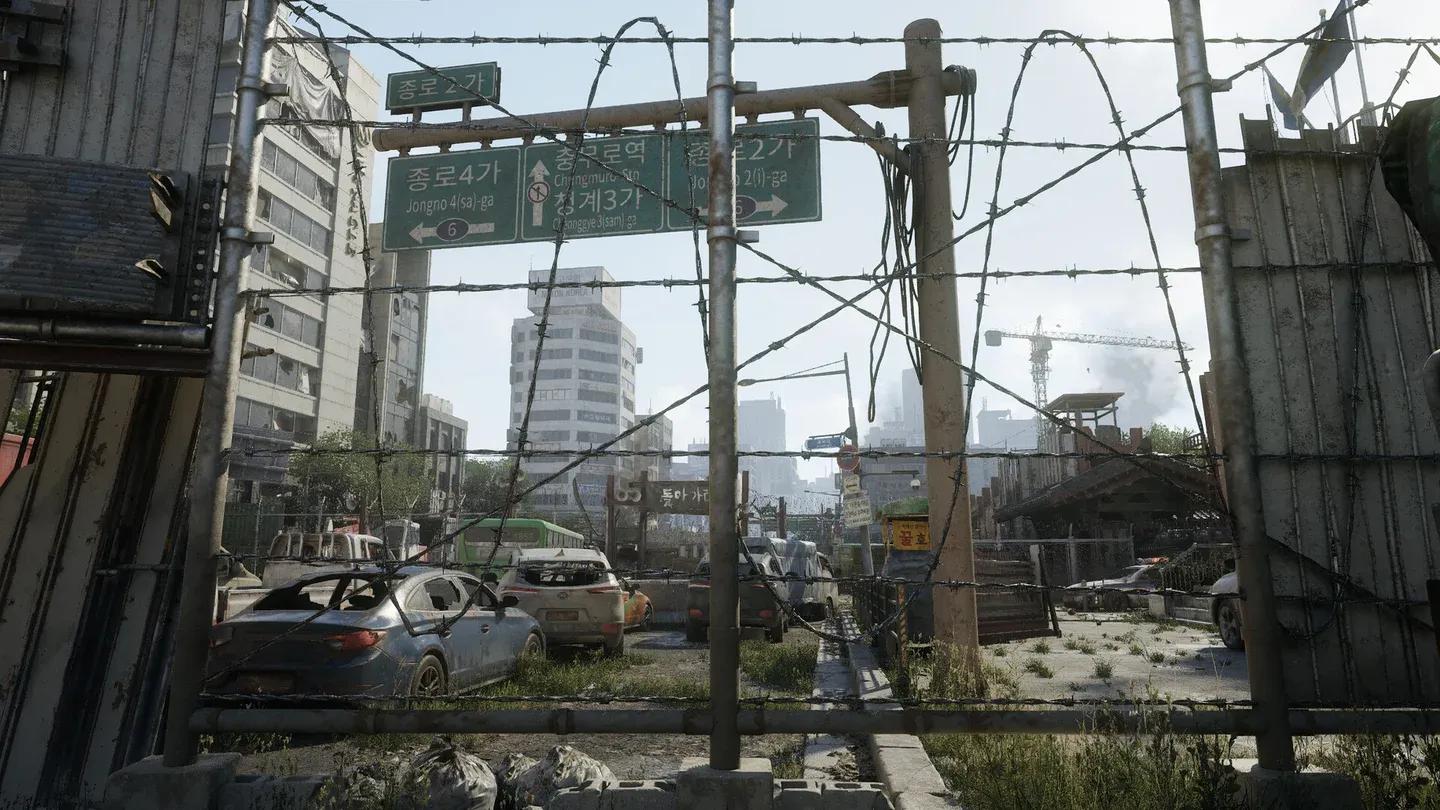
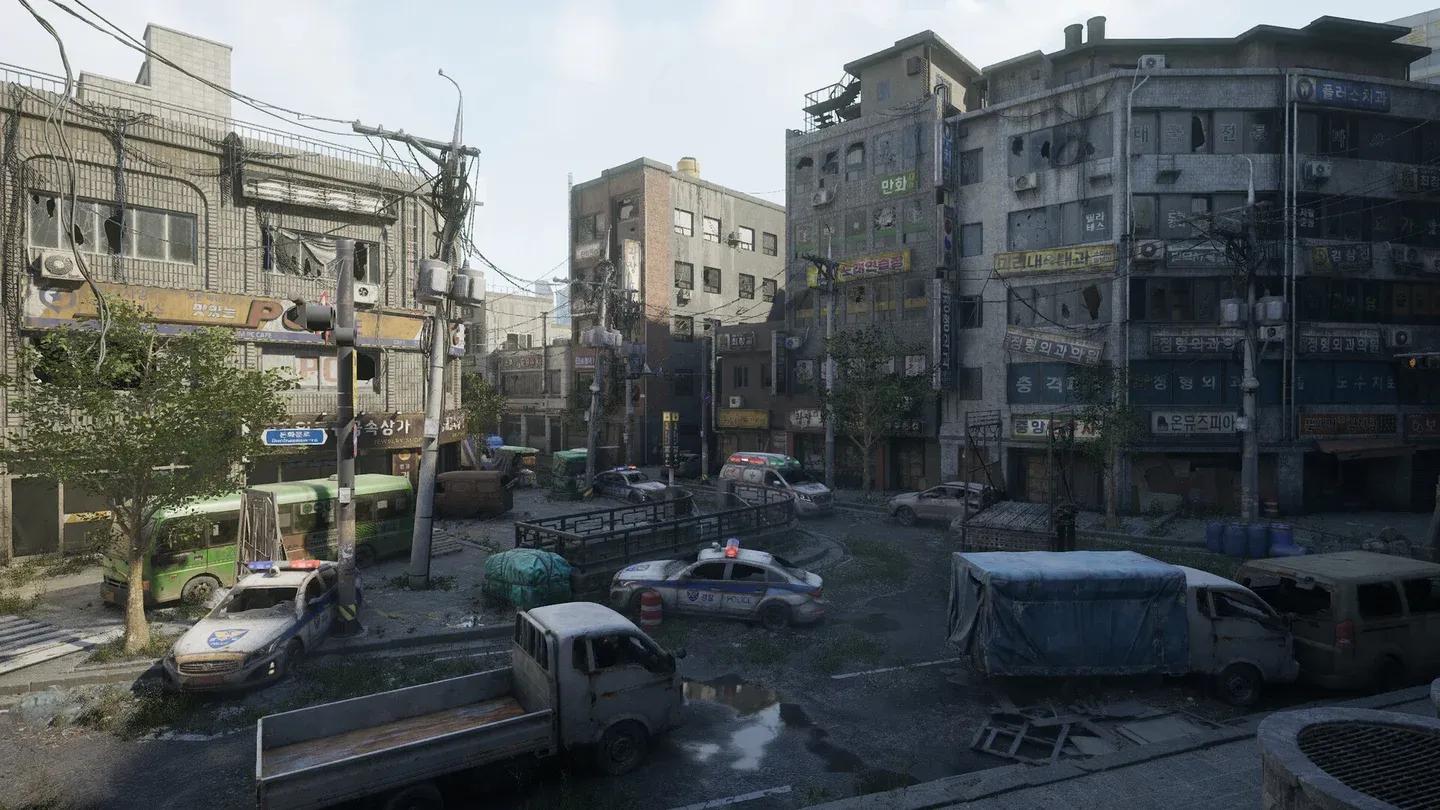
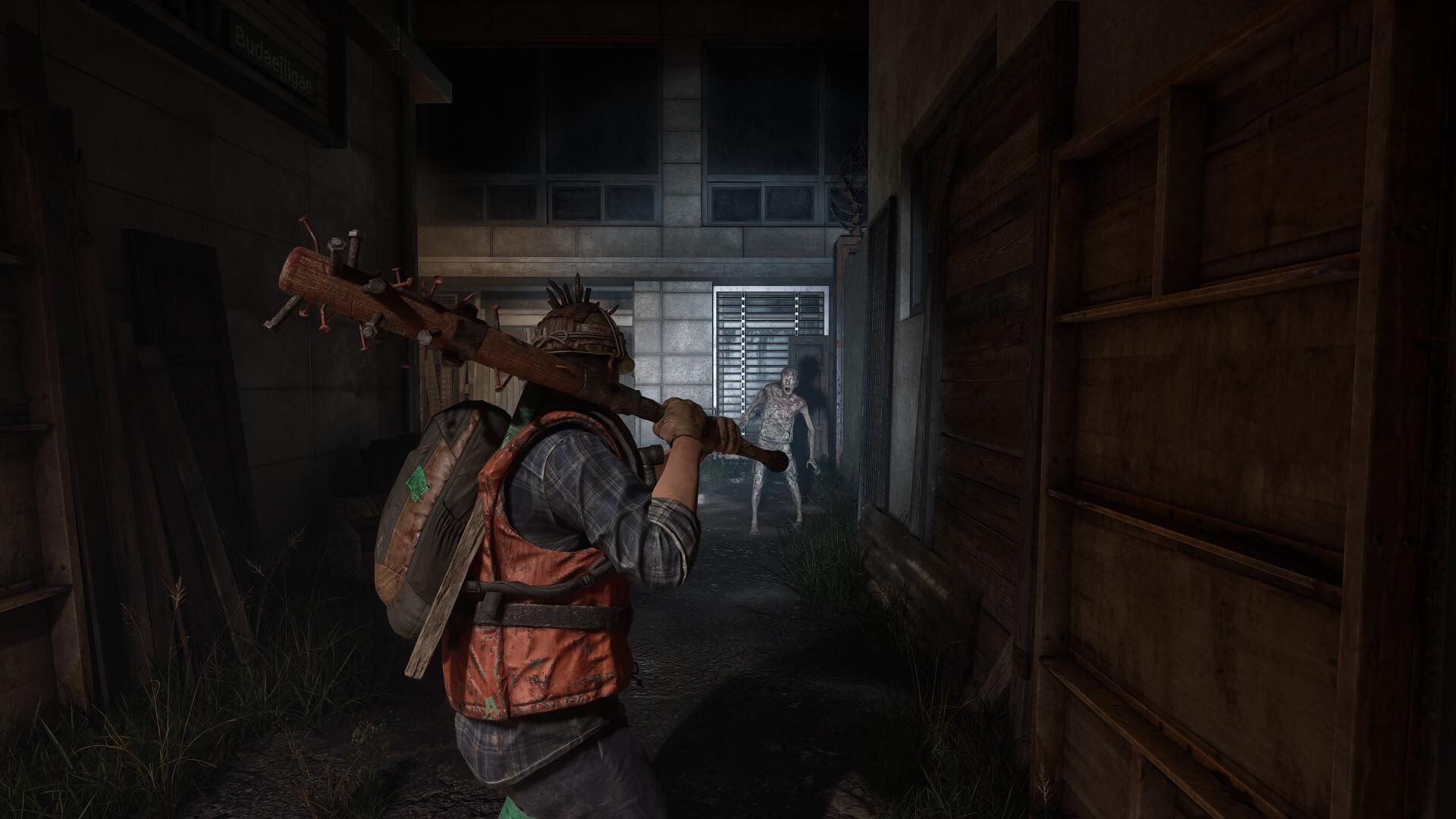
Seoul's urban architecture provides NAKWON with a setting that feels genuinely distinct within the zombie survival genre. Dense apartment blocks, commercial districts, and infrastructure designed for millions of people now serve as a labyrinthine scavenging ground. The city's layout creates natural chokepoints, hidden routes, and contested territories that shape how players move and survive.
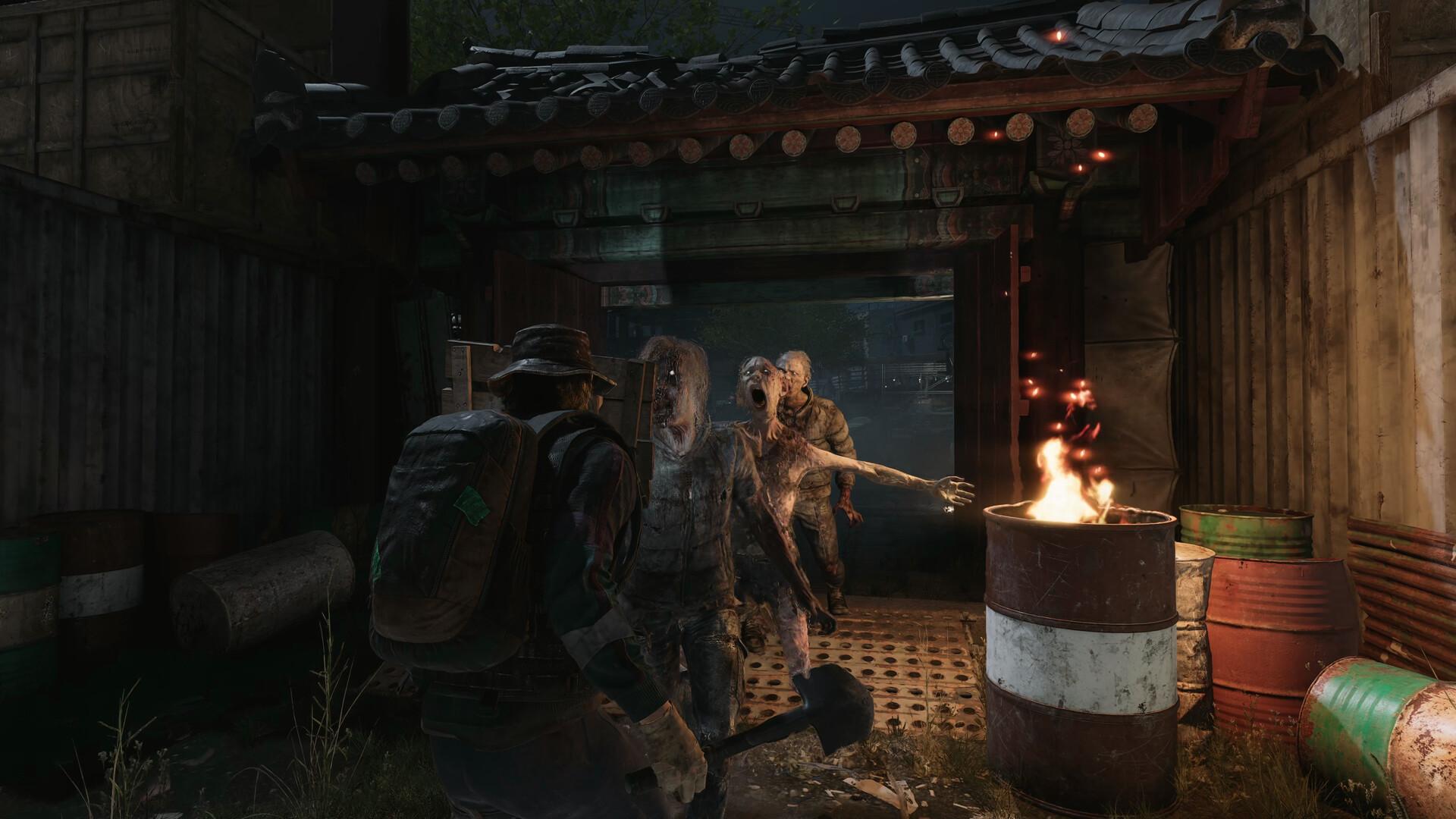
Yeouido functions as the fragile heart of civilization's remnants, a safe haven where various survivor factions have taken root. Civil unrest, looting, and power struggles among living groups mirror the external threat of the infected, ensuring that safety inside the walls is always conditional. The world-building communicates clearly that humanity's social fabric has torn as completely as its institutions.
Multiplayer and Social: Can You Trust Anyone in NAKWON?
The short answer is no, and that tension is central to the experience. NAKWON: LAST PARADISE builds its multiplayer design around the fundamental unreliability of other survivors. Cooperation carries genuine risk, and betrayal is always a viable strategy for another player. This design philosophy elevates the stakes of every human interaction beyond what any scripted enemy encounter could achieve.
The infected are a constant, predictable threat. Other players are not. That asymmetry defines the social dimension of NAKWON and separates it from survival games that treat multiplayer as a cooperative default.
| Requirement | Minimum | Recommended |
|---|---|---|
| OS | Windows 10 x64 20H2 / 11 | Windows 10 x64 20H2 / 11 |
| Processor | Intel Core i5-10400F / Ryzen 5 3600 | Intel Core i5-12700K / AMD Ryzen 7 5800X |
| Memory | 16 GB RAM | 32 GB RAM |
| Graphics | NVIDIA GeForce RTX 2060 (6GB VRAM) / Radeon RX 6600 (8GB VRAM) | NVIDIA GeForce RTX 3080 Ti / AMD Radeon RX 6950 XT |
| DirectX | Version 12 | Version 12 |
| Network | Broadband Internet connection | Broadband Internet connection |
| Storage | 30 GB available space | 30 GB available space |
Conclusion
NAKWON: LAST PARADISE presents a zombie survival experience built on genuine systemic depth, pairing the tension of night-time scavenging through a ruined Seoul with the deliberate, strategic demands of shelter management. NEXON has constructed a world where the infected are only one of many threats, and where the multiplayer survival genre finds a fresh identity through its Korean urban setting, its day-night gameplay cycle, and its unflinching commitment to human unpredictability as a core design pillar. For players drawn to survival games that reward both tactical thinking and raw adaptability, NAKWON stands as a compelling prospect.