Biggest discounts, free games, and limited-time offers across every major gaming store.
Never pay full price again.
Overview
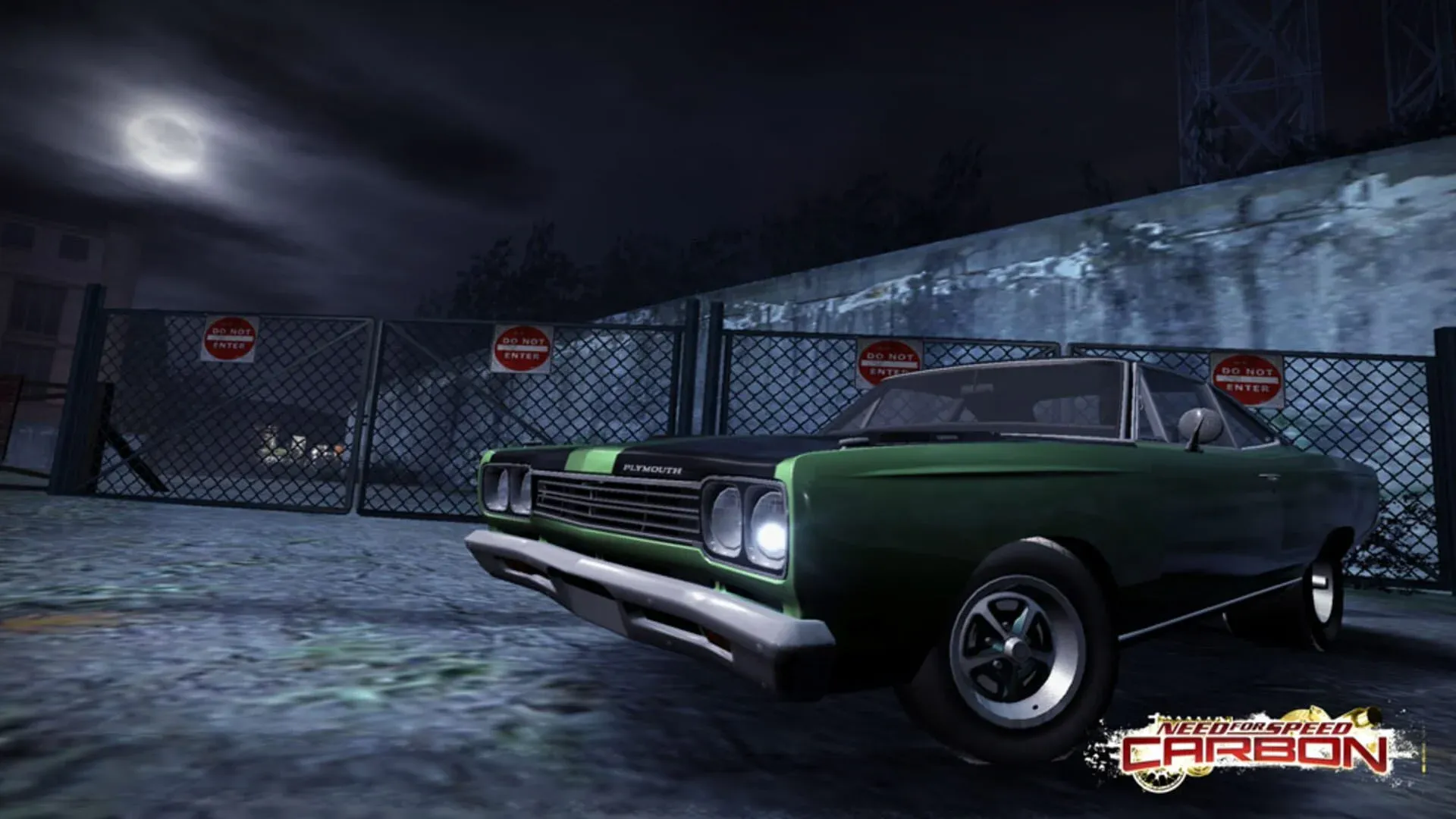
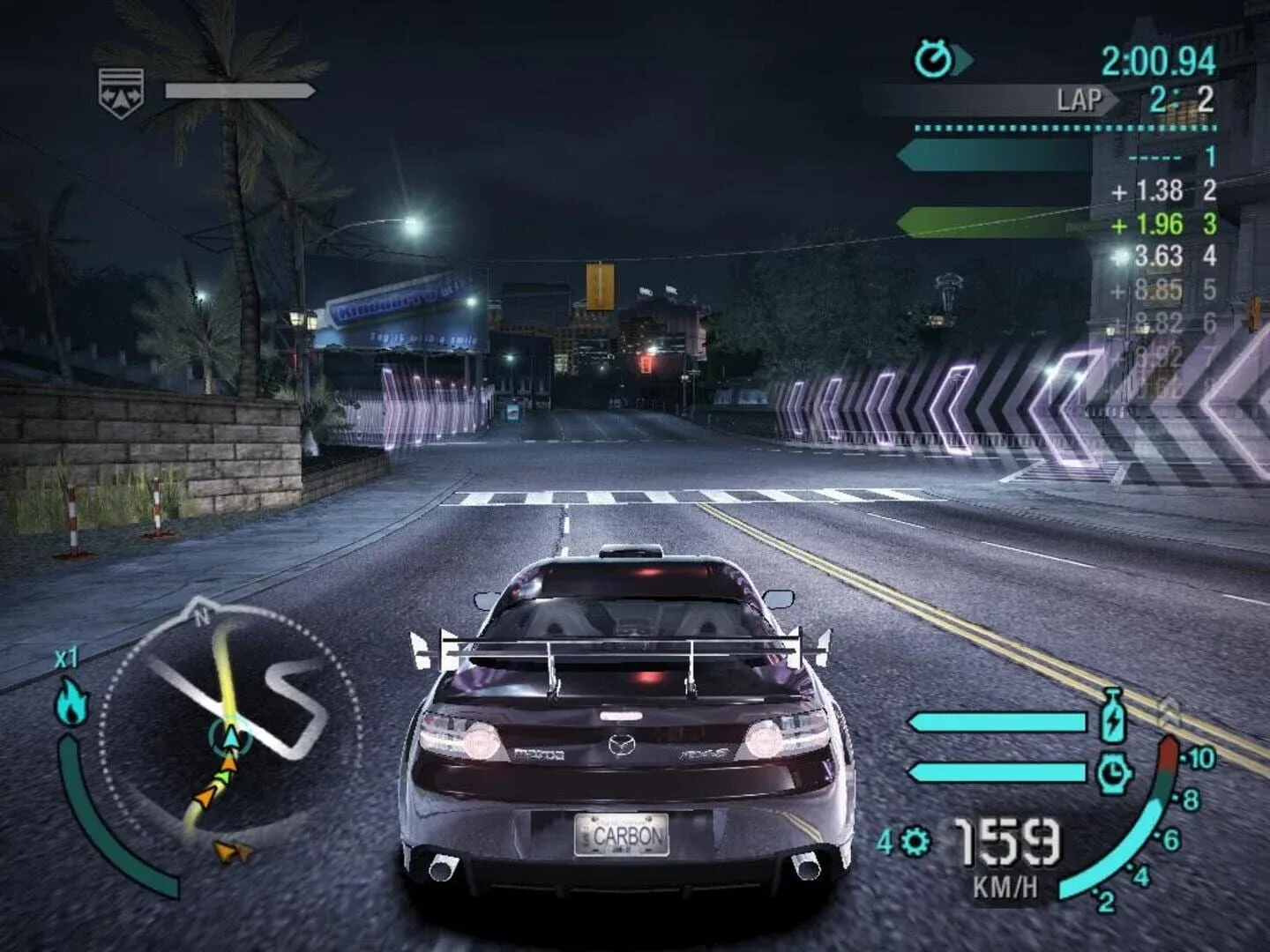
Need for Speed: Carbon, released on October 31, 2006, is the tenth installment in Electronic Arts' long-running street racing franchise and a direct sequel to Need for Speed: Most Wanted. Developed by EA Black Box, it shifts the action from Rockport's police-heavy highways to Palmont City, a sprawling urban environment divided into rival crew territories. The tone is darker, the stakes are higher, and the racing is more calculated.
The central premise follows the player character returning to Palmont City after a mysterious race gone wrong, piecing together what happened while reclaiming turf from three dominant crews. That narrative framing gives the career mode a sense of momentum that pure racing games often lack. Each district you take over feeds back into the progression loop, making every win feel like it counts for something beyond just a trophy.
Gameplay and mechanics
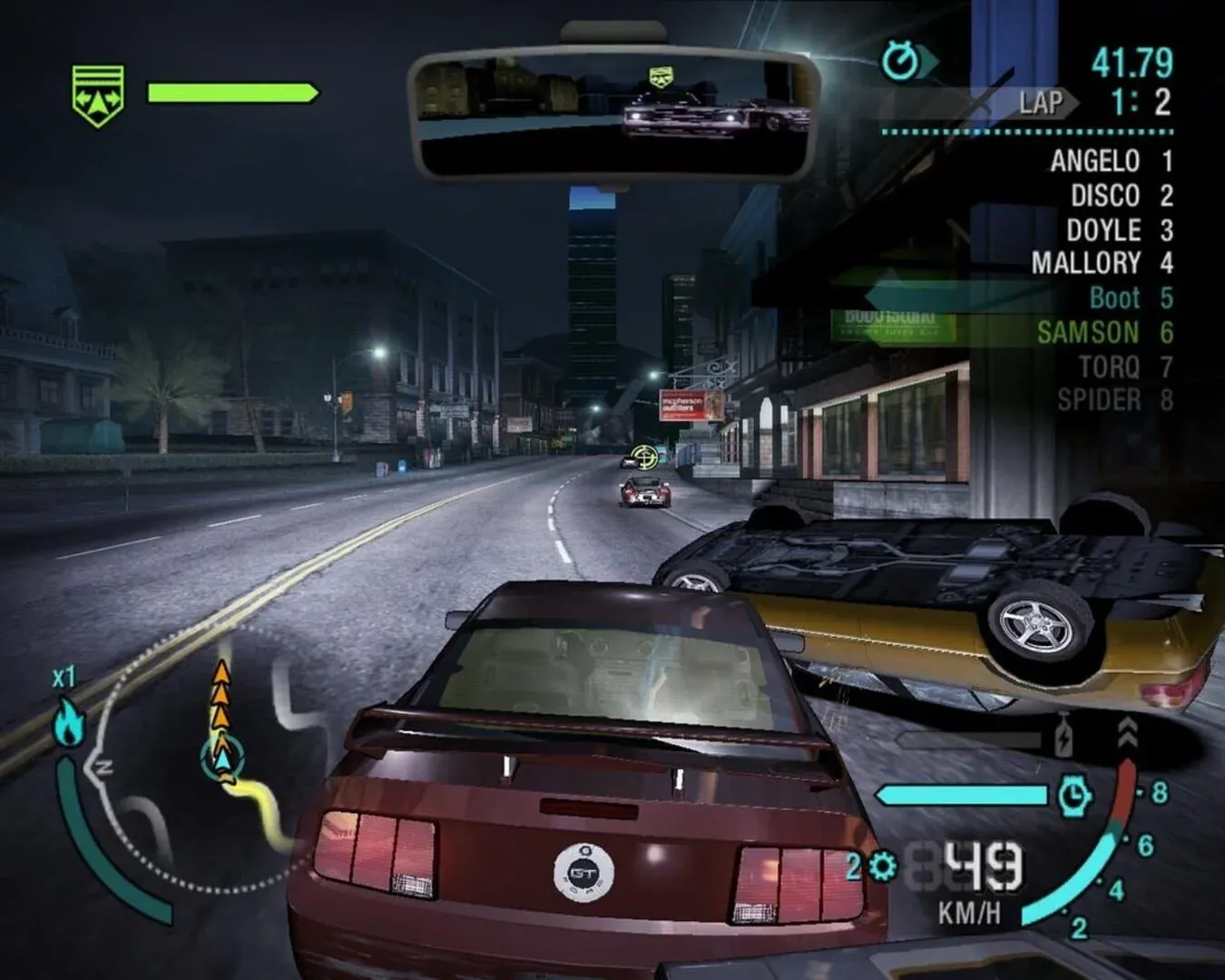
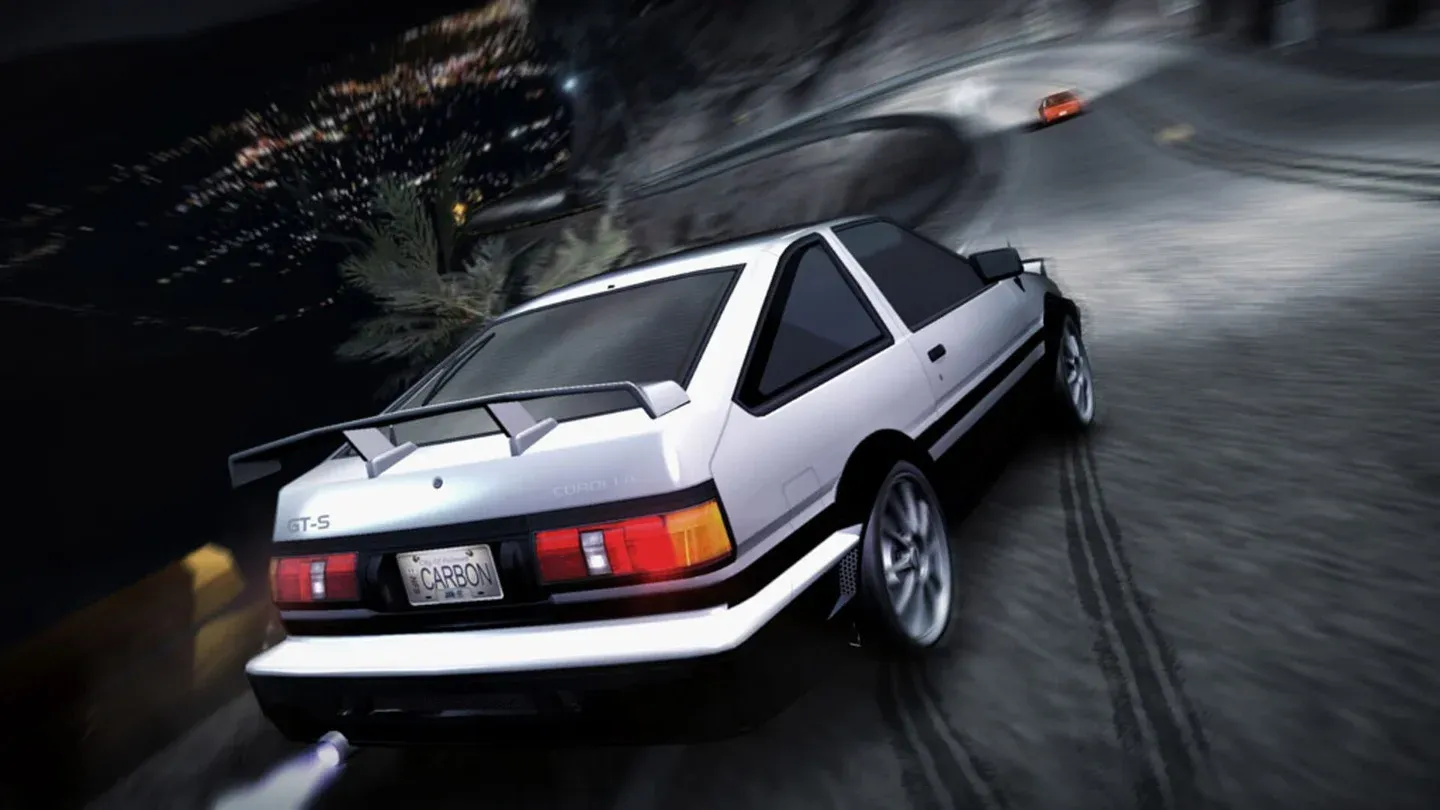
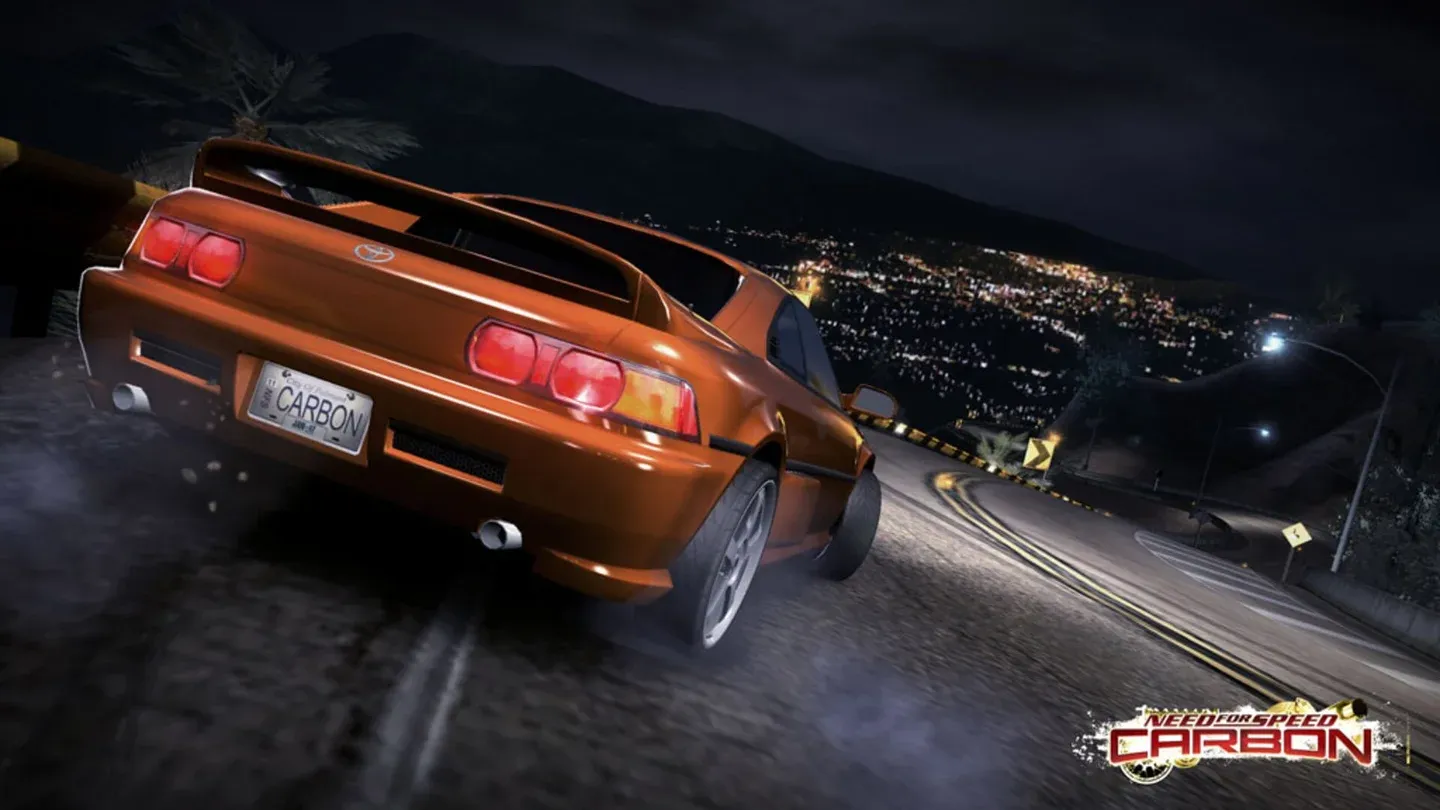
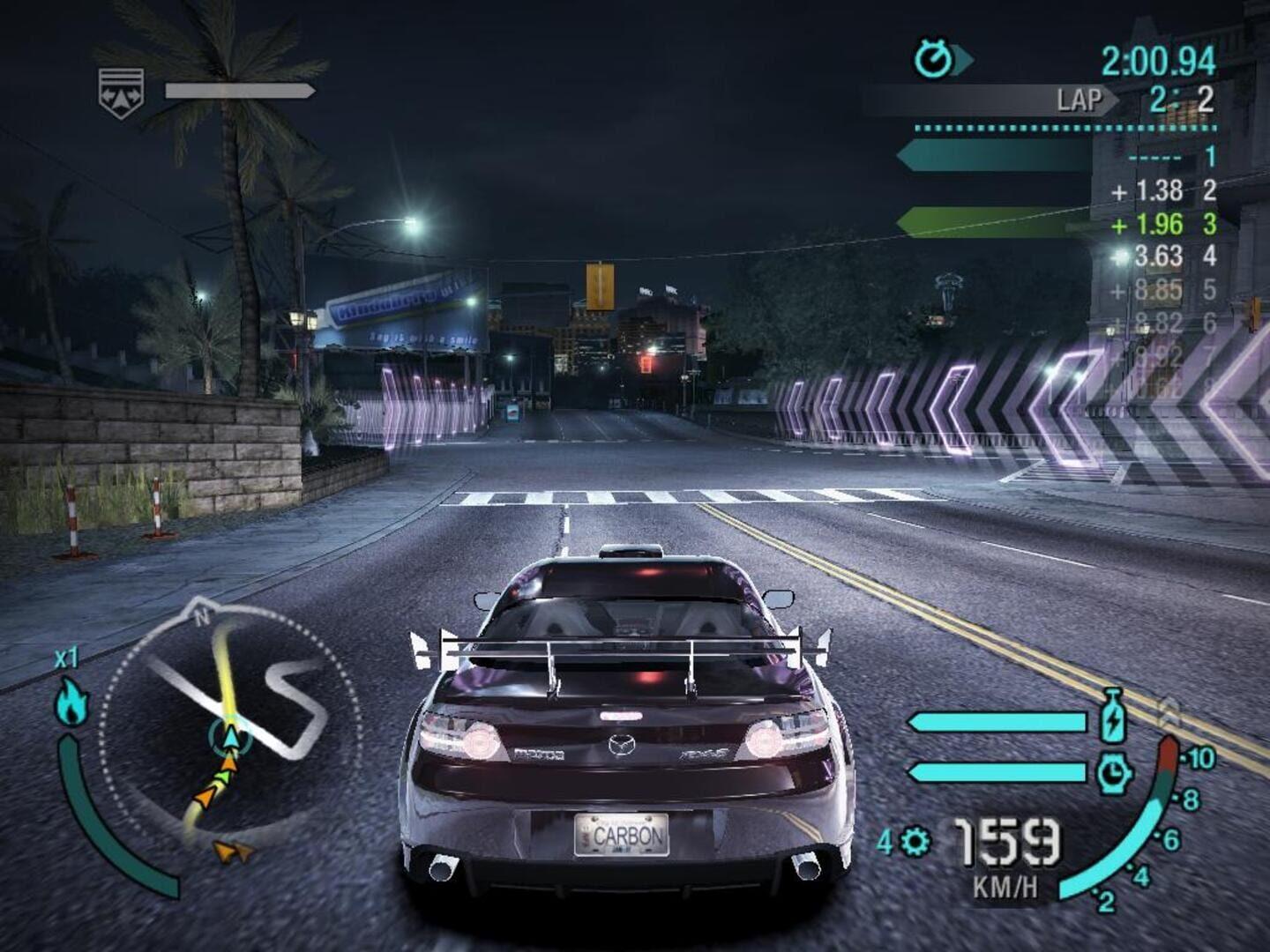
Carbon's most distinctive mechanical addition is the canyon duel system. Rather than standard circuit or sprint races, canyon duels pit two drivers against each other on narrow mountain roads where proximity earns points. It's a format borrowed loosely from the drifting culture popularized around that era, and it works well at creating tension that straightforward races can't replicate.

Key features in Carbon's gameplay:
- Canyon duel point system for head-to-head runs
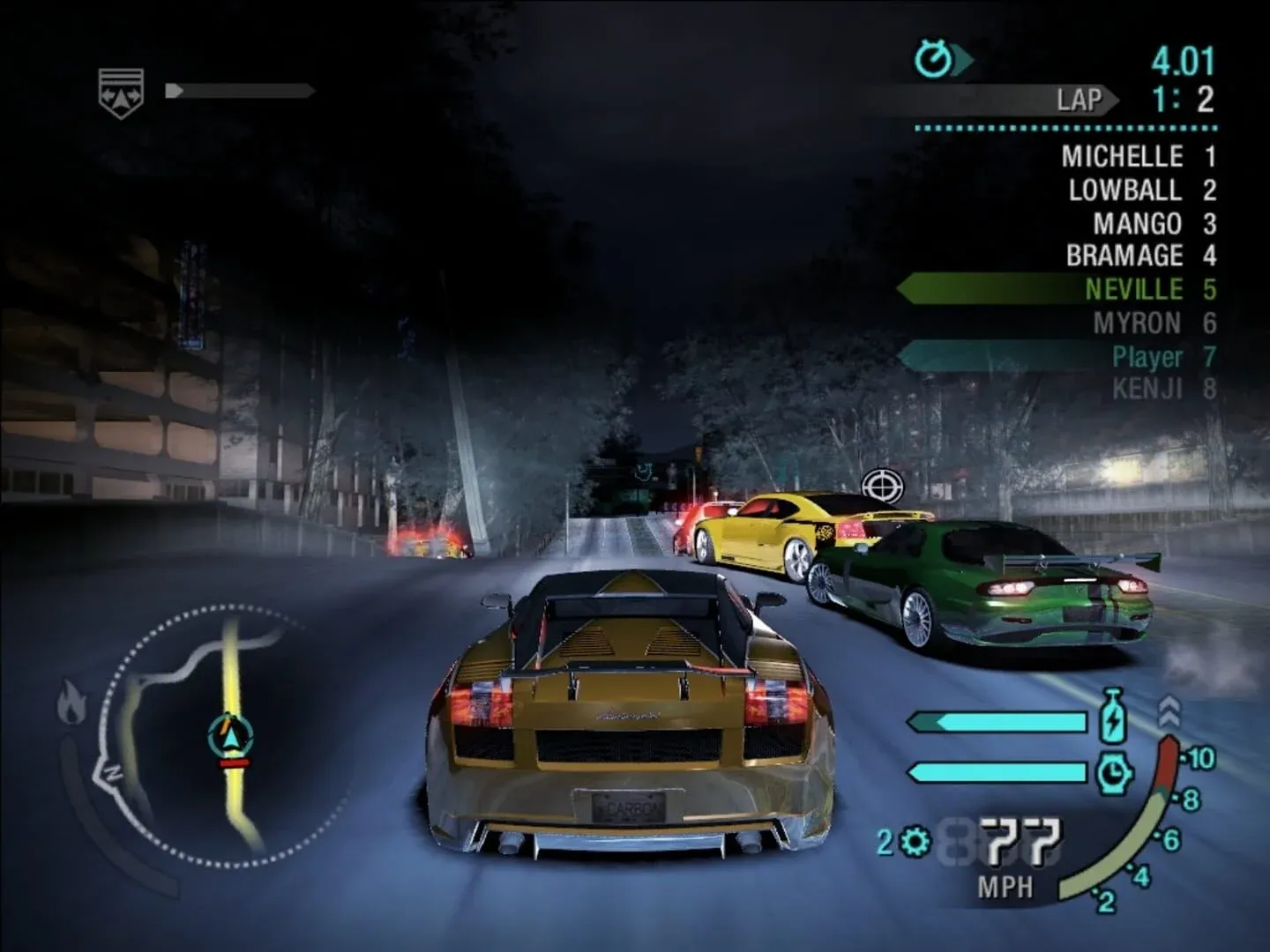
- Crew members with active race roles (blocker, drafter, scout)
- Three car class categories: Muscle, Tuner, Exotic
- Territory-based career progression across Palmont City
- Autosculpt body customization system
The crew mechanic is another layer worth noting. Wingmen assigned to your team each fill a specific role during races, whether blocking opponents, drafting to boost your speed, or scouting the road ahead. It adds a strategic dimension that most NFS games skip entirely.

What makes the car customization stand out?
EA Black Box introduced the Autosculpt system in Carbon, letting players physically reshape body panels, bumpers, and spoilers by dragging sliders rather than just swapping preset parts. The result is that no two cars in a lobby look exactly alike, which was a meaningful step forward for visual customization in racing games at the time.
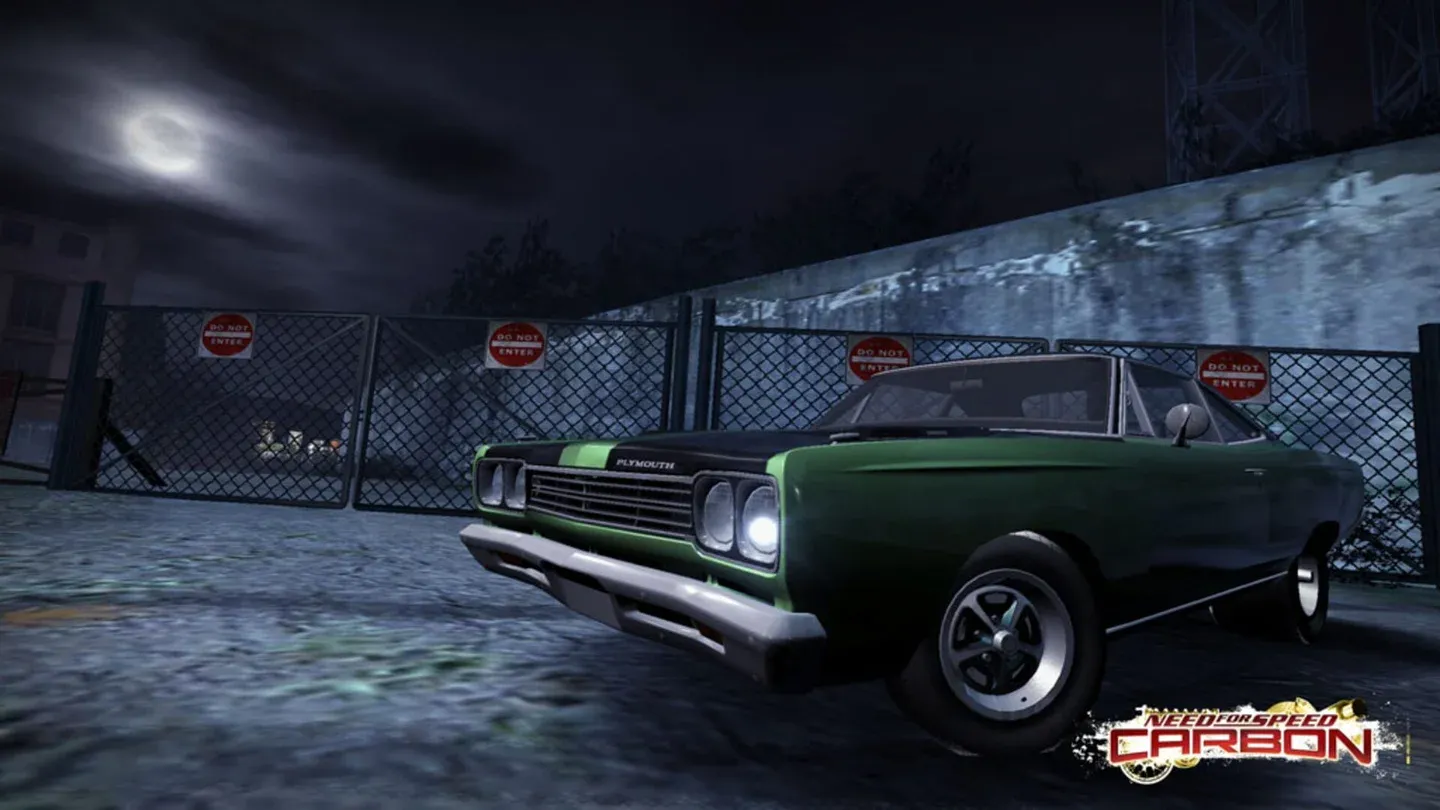
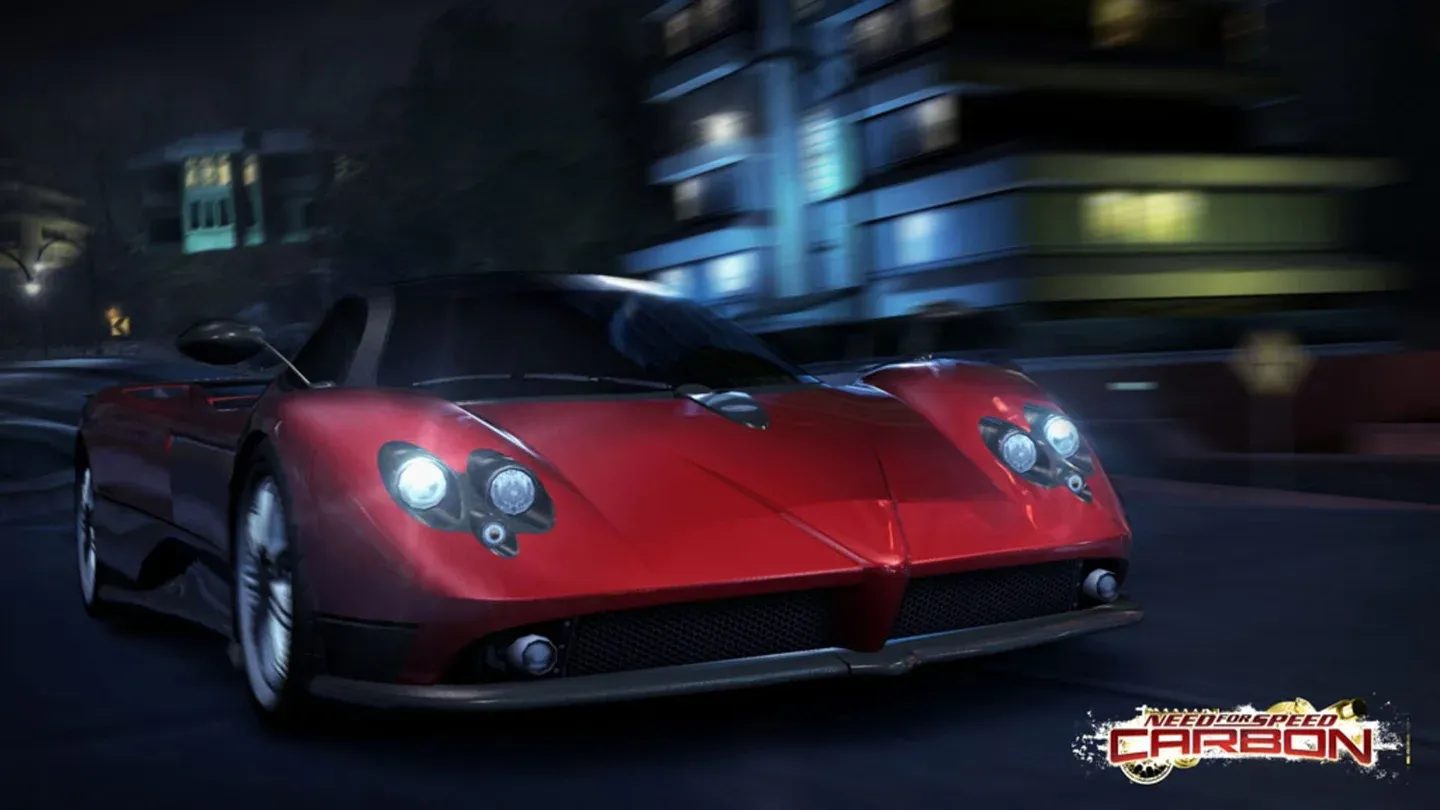
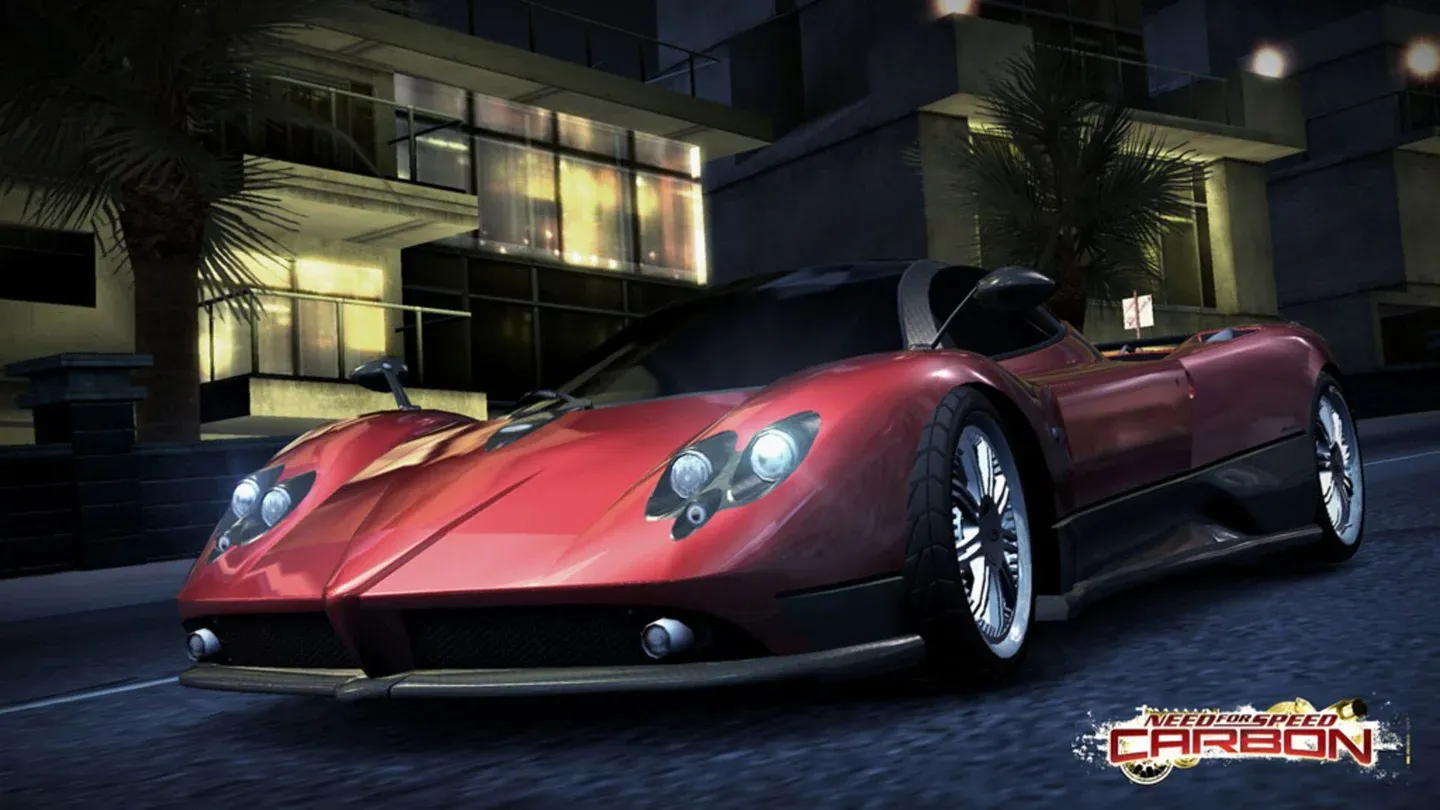
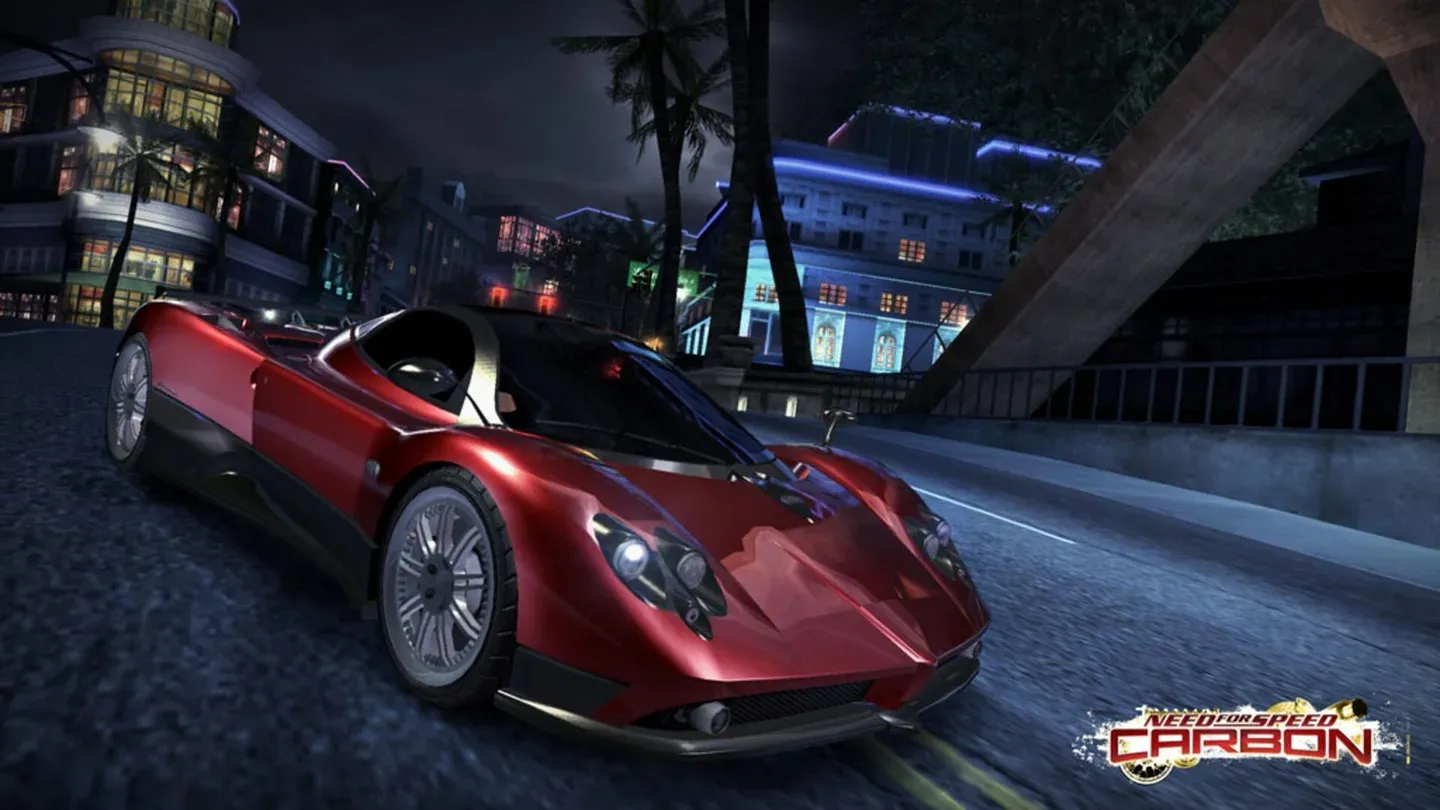
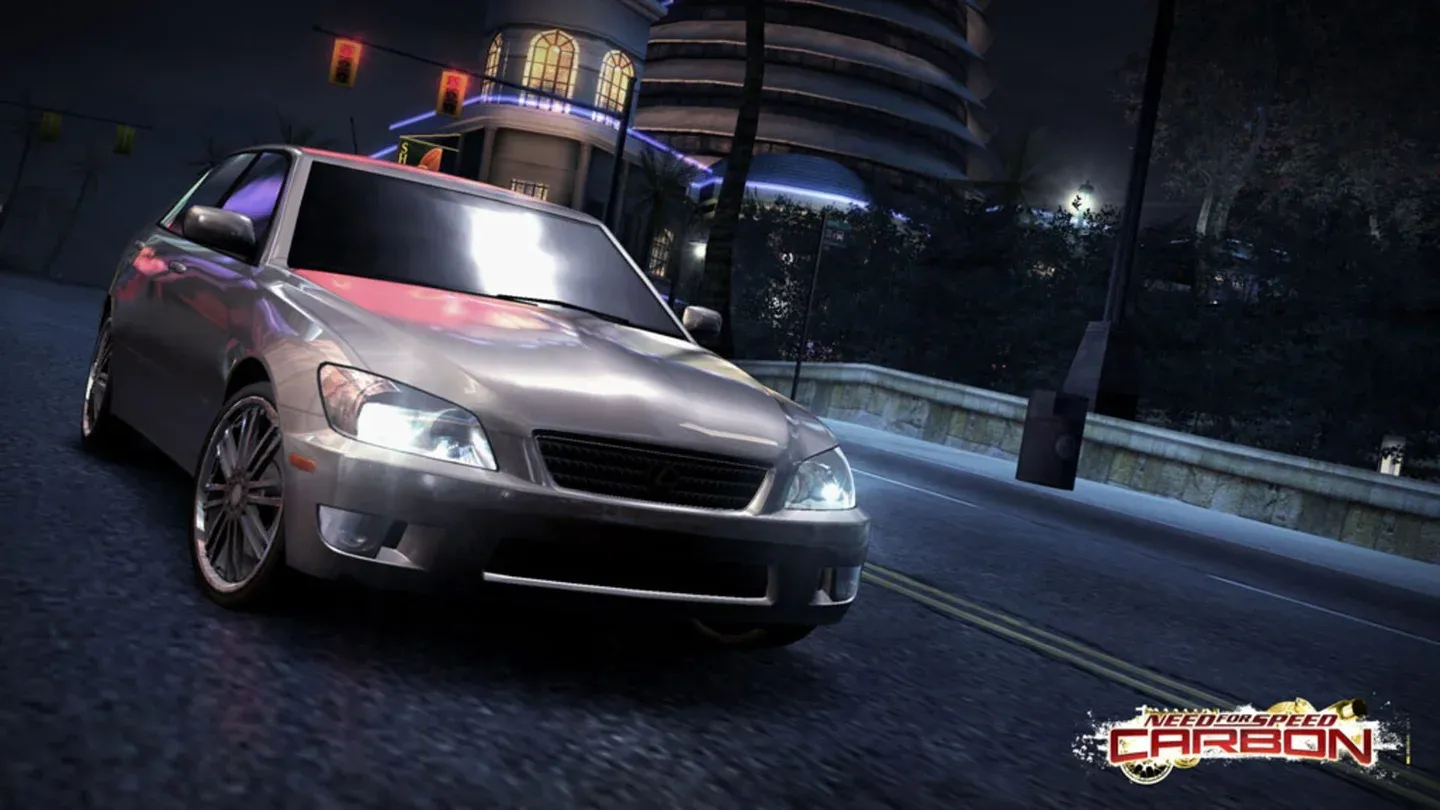
The three class categories, Tuner, Muscle, and Exotic, each handle distinctly and suit different race types. Muscle cars dominate canyon duels through raw power, Tuners handle tight city circuits well, and Exotics sit at the top of the performance ceiling for late-game content. Progression through the career naturally pushes players toward all three classes.

Impact and legacy
Carbon arrived at a time when the NFS franchise was at a commercial peak. Most Wanted had sold exceptionally well, and Carbon carried that momentum into a slightly more niche direction, leaning harder into crew dynamics and canyon racing rather than police chases. Critical reception landed in the mid-70s range on aggregate review trackers, with praise directed at the canyon duels and customization depth, while some critics noted the shorter campaign length compared to its predecessor.
The game released across a wide platform range including PlayStation consoles, Xbox, Windows, and macOS, and was the first NFS title to receive a PEGI 12+ rating. Its canyon duel format and Autosculpt system remain two of the more memorable mechanical contributions the series made during the mid-2000s era, and Carbon holds a specific place in the memory of players who followed the franchise through that generation.