

The gap between AMD GPU generations just got a lot wider. Multiple graphics card manufacturers speaking at Computex have indicated that AMD's RDNA 5 architecture won't reach consumers until late 2027 at the earliest, with at least one manufacturer putting the realistic window at early 2028. That's a significant stretch from the current RDNA 4 lineup, which landed in March 2025 with cards like the Radeon RX 9070 XT.

Use code TRYHARD33 at checkout to redeem this offer before code expires again.
Get 33% Off GAMES+ Subscription
What the Computex floor was actually saying
The information came from conversations with several add-in board partners at Computex, the annual hardware trade show in Taipei. The accounts weren't uniform. One manufacturer put RDNA 5 in the second half of 2027. Another pushed back on that, calling it optimistic and pointing toward a late 2027 or early 2028 window instead. Neither timeline is official, and AMD has made no public statement on RDNA 5's release schedule, but board partners tend to have visibility into supply chain planning well ahead of any announcement.
Here's the thing: these manufacturers build and sell the actual cards. When they're telling you not to hold your breath for next year, that carries real weight.
A generation gap that keeps growing
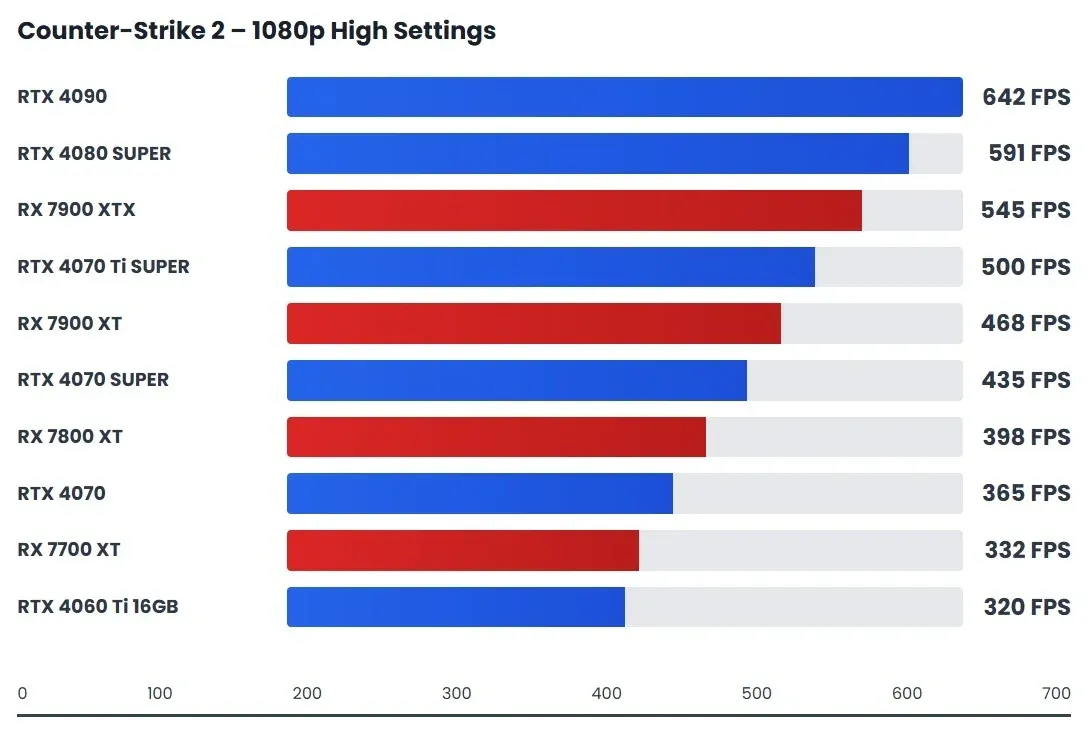
The historical two-year cadence between AMD GPU generations has been slipping for a while now. RDNA 3 launched in December 2022 with the Radeon RX 7900 XTX at the top of the stack. RDNA 4 didn't follow until March 2025, a gap of roughly 27 months. If RDNA 5 lands in late 2027, that pushes the next gap to around 30 months. An early 2028 arrival would stretch it to 34 months or more.
For PC gamers building or upgrading rigs, that timeline matters. It means the current RDNA 4 cards will be the only new AMD option for a long time, and anyone waiting for next-gen hardware will be waiting considerably longer than the old two-year rhythm suggested.
Nvidia isn't exactly sprinting ahead either. The RTX 5090 arrived in January 2025, following the RTX 4090's October 2022 launch, a gap of about 27 months. At Computex, Nvidia outlined plans for its Vera Rubin iteration of the RTX Spark platform in 2028, though that's an APU combining CPU and graphics rather than a discrete GPU. The full picture of when next-gen discrete graphics cards arrive from either camp remains genuinely unclear.
AMD GPU generation gaps
The AI pricing problem sitting underneath all of this
There's a frustrating wrinkle in the "later is better" argument. The PC hardware market is currently dealing with elevated chip prices driven by enormous demand from the AI industry. Fabs are prioritizing AI accelerator production, which affects both pricing and availability for consumer graphics silicon.
If the AI boom cools by late 2027, a delayed RDNA 5 could actually arrive at a more reasonable price point. The extra development time could also mean a more mature architecture. The RDNA 4 generation was widely seen as a course correction after RDNA 3's mixed reception, and more runway for RDNA 5 could push performance and efficiency further.
The risk, though, is that the AI boom doesn't cool at all. In that scenario, RDNA 5 arrives late and expensive, which is the worst possible outcome for gamers who've already watched GPU prices climb well beyond what was normal just a few years ago.
What this means if you're buying now
With RDNA 5 off the table until at least late 2027, the current generation is what you're working with for the foreseeable future. The RDNA 4 lineup, particularly the RX 9070 and RX 9070 XT, has been competitive at its price points. If you've been holding off on upgrading your rig hoping for a next-gen leap, that wait just got longer.
For deeper breakdowns on which current-gen GPU is worth your money right now, our game reviews section covers performance across a wide range of titles, and our gaming guides hub has practical advice for getting the most out of your current setup while the next generation takes its time getting here.