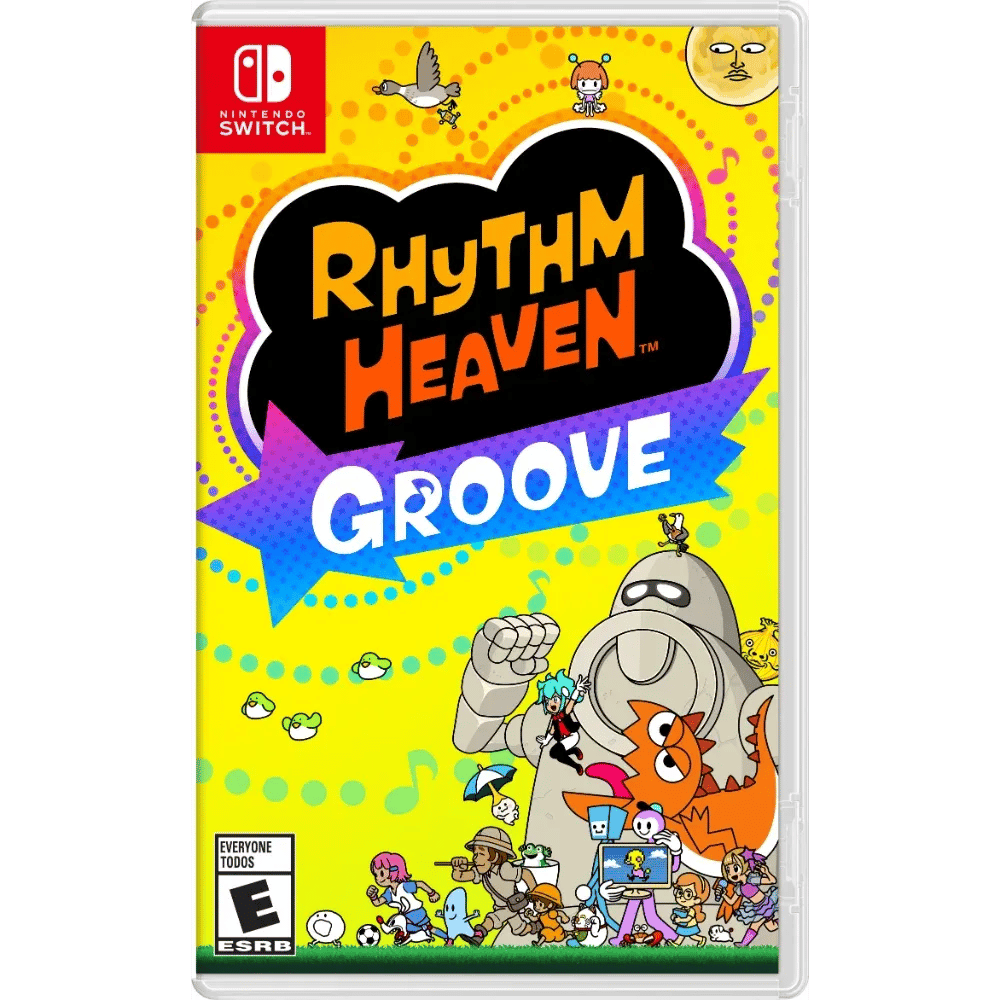

The last time a new Rhythm Heaven game launched in Japan, the Nintendo 3DS was still the hottest hardware on shelves. Eleven years later, Rhythm Heaven Groove has not only made it back, but it is sitting comfortably at the top of Japan's weekly Famitsu boxed software charts for a second consecutive week.
What the charts are actually telling us
Holding the number one position in Japan's physical sales charts is no small thing, especially on a Nintendo platform where competition from first-party titles is constant. The fact that Rhythm Heaven Groove is maintaining that lead, rather than dropping sharply after a strong launch week, points to genuine word-of-mouth momentum. Rhythm games with broad appeal tend to have legs in Japan, and this one is proving that out.
Here's the thing: a lot of Nintendo titles spike hard at launch and then fade fast. Rhythm Heaven Groove is not doing that. Steady chart performance in week two suggests players are still picking up physical copies, which matters in a market where Japan's boxed game culture remains stronger than almost anywhere else in the world.
The 11-year gap that made this feel like an event
Producer and composer Mitsuo Tsunku recently opened up about why the series went quiet for so long, sharing that he turned down offers to make similar games out of loyalty to Nintendo. That story resonated. When a creator passes on easier money to wait for the right home for their work, the eventual release carries a different kind of weight, and Japanese players appear to feel that.
The series has always had a dedicated following in Japan, where the original Game Boy Advance entries built a cult audience before the DS and Wii versions expanded it significantly. Rhythm Heaven Groove arriving on Nintendo Switch 2 (and Switch) with that full creative legacy behind it gave it a launch profile closer to a long-awaited sequel than a routine rhythm game release.
A crowded week and still on top
The week ending July 19, 2026 was not a quiet one for the Japanese charts. Splatoon Raiders launched to strong numbers, and several other Nintendo Switch 2 titles were competing for shelf space and attention. Rhythm Heaven Groove holding the top position through that noise says something about the game's pull with Japanese consumers specifically.
What most players miss when looking at chart data is that Japan's boxed market skews heavily toward Nintendo and genre-specific titles that have built local followings over decades. Rhythm Heaven is exactly that kind of franchise. It never needed global dominance to matter; it just needed to be good enough that its audience showed up. Right now, they are.
The producer story running parallel to the numbers
Tsunku's public comments about staying loyal to Nintendo rather than chasing outside deals have given Rhythm Heaven Groove a narrative that extends beyond the game itself. That kind of behind-the-scenes story travels fast in gaming communities, and in Japan especially, creator loyalty carries cultural weight. The chart performance and the human story behind the game are feeding each other.
If you want to get deeper into what the game offers and how to approach its trickier minigames, the Rhythm Heaven Groove guides are worth bookmarking. For a broader look at what else is worth playing right now, the full gaming guides hub has you covered across platforms and genres.
Rhythm Heaven Groove's chart run will be worth watching over the next few weeks as more Switch 2 titles arrive. If it holds even a top-five position through August, the case for a genuine franchise revival, rather than a one-off return, becomes a lot harder to argue against.