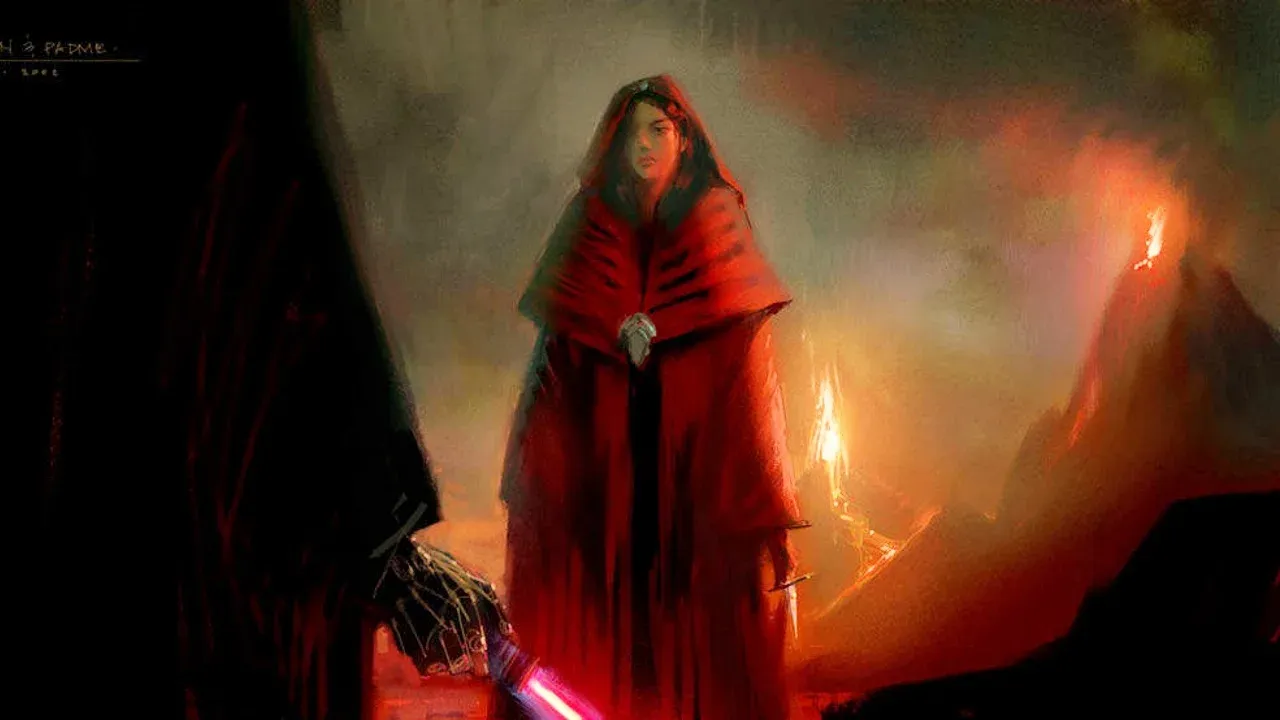


Picture this: Hayden Christensen delivers a monologue about how much he hates sand, Natalie Portman looks vaguely uncomfortable, and somewhere in a cinema in 2002, an entire generation of kids decided this was the greatest love story they had ever seen. Critics hated it. Careers almost derailed because of it. And yet, here we are in 2026, still talking about Anakin and Padmé like they matter, because they genuinely do.
The hot take making the rounds right now is a simple one: the Star Wars prequels are objectively flawed films, but the Anakin-Padmé romance is not the reason why. It is, in fact, the best thing about them.

Use code TRYHARD33 at checkout to redeem this offer before code expires again.
Get 33% Off GAMES+ Subscription
The case for defending the sand monologue
The criticism of Christensen and Portman's performances has been documented extensively, and it nearly wrecked both actors professionally. Portman herself said in 2014 that being in the biggest-grossing movie of the decade made directors not want to hire her, because everyone assumed she was a bad actress. That is a wild outcome for a film that made so much money.
Here's the thing, though: the performances did not fail the story. The story, at its core, is a genuinely compelling one. Anakin Skywalker and Padmé Amidala are the parents of Luke and Leia. Their relationship is the biological and emotional foundation of the entire Skywalker saga. If George Lucas was going to spend three films explaining how the galaxy ended up under the boot of Darth Vader, spending serious time on the relationship that broke him was not a bad instinct.
Lucas found success with the peripheral romance between Han Solo and Princess Leia in the original trilogy, so doubling down on romance for the prequels made sense. The difference was scale and commitment. The prequels go all in, tracking the relationship from a chance meeting on Tatooine through a forbidden marriage and all the way to its tragic end.
What Attack of the Clones actually gets right
Attack of the Clones carries the bulk of the romantic storyline, and it leans hard into classic tropes: forbidden love, an age gap, a bodyguard assignment that turns into something more. The dialogue is frequently painful, but the film also has quiet, genuinely effective moments. The scenes set against the real-world locations of Italy and Spain, standing in for Naboo, have a warmth that no amount of awkward line delivery can completely kill.
By the time the arena sequence arrives and Padmé admits she loves Anakin because they are about to die, the moment lands. The line "I've been dying a little each day since you came back into my life" is pure melodrama, but John Williams' Across the Stars theme earns it. The music does a lot of heavy lifting, but that is exactly what film scoring is supposed to do.
What most players in the prequel discourse miss is that Padmé's presence across all three films grounds the entire arc. She knew Anakin before he was the Chosen One, before the Jedi Order had shaped him into something rigid and repressed. That history matters. It makes his eventual fall feel personal rather than abstract.
Revenge of the Sith proves the whole arc was worth it
Revenge of the Sith is the best film in the prequel trilogy, and the romance is a significant reason why. Anakin's fear of losing Padmé, his visions of her death, and his willingness to burn everything down to prevent it, that is the engine driving the entire third act. The tragedy works because the love story was established, imperfectly but genuinely, across the two films before it.
Lucasfilm under Disney has largely moved away from this kind of romantic storytelling. The sequel trilogy kept its central characters at arm's length from each other emotionally, and the franchise has become noticeably more guarded about putting love at the center of its stories. The prequels, for all their flaws, were willing to be earnest. That earnestness is what people keep coming back to.
Gaming has actually explored this kind of messy, committed romantic storytelling better than most blockbuster films lately. If you want to see how games handle romance mechanics with genuine stakes, the Palia romance guide breaks down how that game builds meaningful relationships through consistent, layered interactions, which is honestly more thoughtful than anything in Attack of the Clones. For something with real narrative weight behind romantic choices, the Dispatch Invisigal romance path guide shows how player decisions can shape a love story with actual consequences.
The prequel trilogy's legacy is complicated, but the Anakin-Padmé arc represents Lucas committing fully to his vision of a space opera with real emotional stakes at its center. The new generation of Star Wars storytellers would do well to remember that audiences respond to sincerity, even when the execution stumbles. For more on how games handle romance and relationship mechanics, the full gaming guides hub has plenty of examples worth exploring.