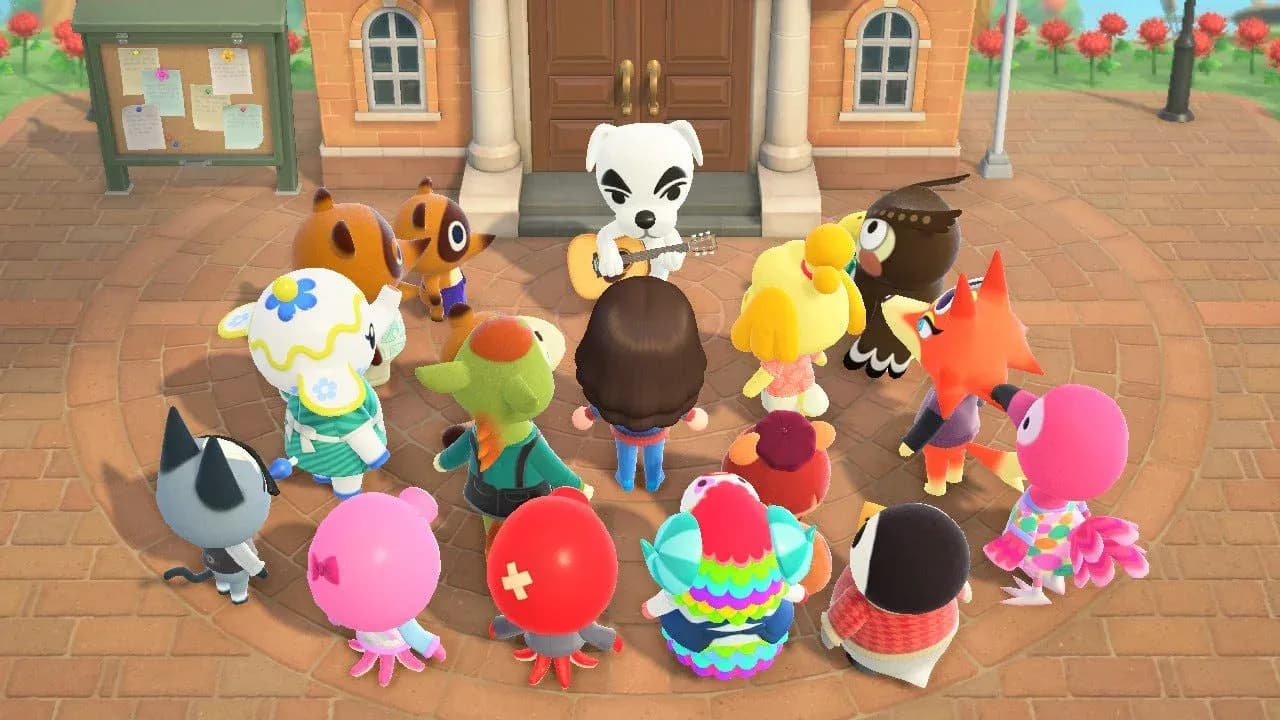

Animal Forest launched on the N64 in Japan 25 years ago this week. Tom Nook was just getting started. Today, on April 14, Animal Crossing officially marks that anniversary, and the timing could not be better for the cozy life sim genre it helped define.
Here's the thing: the series has never operated in a vacuum. Its blueprint, carving out a quiet life alongside fuzzy animal neighbors, paying off a mortgage at your own pace, reshaping the world around you through small daily rituals, has influenced a generation of developers. But 2026 might be the year that influence is most visible.
What Animal Crossing actually invented (and what it borrowed)
The original Animal Crossing formula was deceptively simple. Real-time clock, a village full of characters with their own schedules, light resource gathering, heavy customization. Nintendo did not invent the life sim, but it packaged these ideas into something that felt genuinely warm rather than mechanically obligating.
Animal Crossing: New Horizons pushed that formula to its commercial peak in 2020, selling over 43 million copies and becoming the second best-selling Switch game of all time. That number matters because it tells you exactly how large the audience for this kind of game actually is. Developers noticed.
info
Animal Crossing: New Horizons remains one of the top 5 best-selling Nintendo Switch games ever, with over 43 million copies sold as of Nintendo's most recent financial disclosures.
Pokemon Pokopia: the blueprint remixed through a Ditto's eyes
Pokemon Pokopia is the most direct descendant of Animal Crossing's island-building concept to arrive in years, and it earns that comparison by doing something genuinely clever with it. You play as Ditto, transformed into a human-like form, tasked with restoring a neglected environment and building relationships with Pokemon who live there.
The key here is how Pokopia sidesteps the trap of just being Animal Crossing with a Pokemon skin. Ditto's transformation abilities open up exploration and construction in ways that fit the Pokemon universe specifically, not just the cozy genre broadly. Reviewers described it as "a brilliantly bizarre blend of Pokemon and Animal Crossing," and that framing is accurate. The game draws from Dragon Quest Builders as much as it does from New Horizons.
One notable design difference: Pokopia does not force you to wait real-world time to progress. Animal Crossing's real-time clock is part of its identity, but it also means the game gates content behind literal days. Pokopia lets you work through objectives at your own pace, which is a deliberate design choice that reflects how player expectations around this genre have shifted.
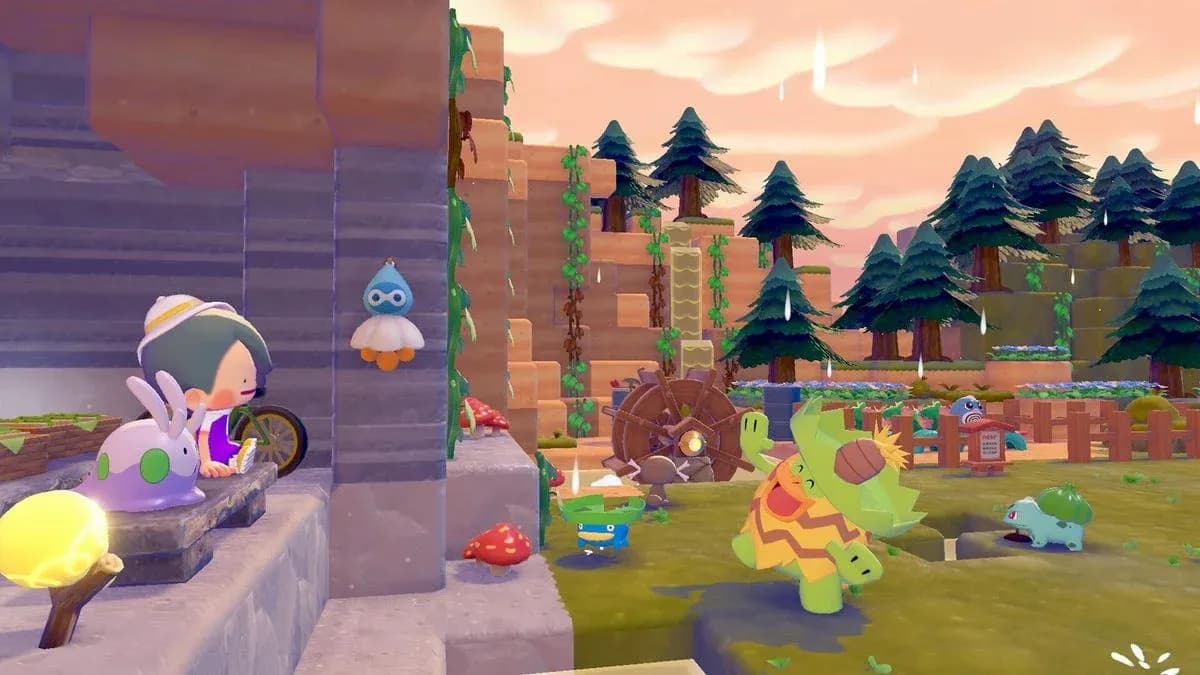
Ditto's island restoration view
Tomodachi Life takes the neighbor formula somewhere weirder
Tomodachi Life: Living the Dream approaches the same territory from a completely different angle. Where Animal Crossing centers your relationship with the environment, Tomodachi Life centers the relationships between the inhabitants themselves. You populate an island with Miis, then watch (and nudge) the social chaos that unfolds.
The demo that dropped recently already generated significant community reaction, with players creating Miis based on Pokopia's Ditto and other gaming characters. The game's soap opera drama, including a trailer moment where "Hugh" publicly friend-zones "Angie" that sent fans spiraling, shows Nintendo leaning into the absurdity rather than smoothing it out. That is a smart read of what makes this genre stick with people: the characters, not just the customization.
Animal Crossing's villagers have always been the emotional core of the series. Isabelle, K.K. Slider, even the low-tier villagers players love to complain about: they give the island its personality. Tomodachi Life takes that instinct and amplifies it, making the social layer the entire point.
Why 2026 feels like the genre's high-water mark
Beyond the two Nintendo-adjacent titles, the cozy life sim space has never been more populated. Games like Cozy Grove and Coral Island have proven there is a substantial indie audience for Animal Crossing-adjacent experiences. Starsand Island attracted enough attention to generate controversy this week when it was pulled from Steam over alleged use of visual elements from another title without permission. That kind of drama only happens around games people care about.
What most players miss is that Animal Crossing's real legacy is not any single mechanic. It is the proof that a game can be genuinely gentle and still sell tens of millions of copies. That was not obvious in 2001. It is now.
The next mainline Animal Crossing entry has not been announced, and Nintendo has stayed quiet about where the series goes after New Horizons. With the Nintendo Switch 2 now in the picture, the expectation of a new entry in the series is reasonable, even if nothing is confirmed. For now, the genre Animal Crossing helped build is producing some of its most interesting work without it.
For more on the games shaping this moment in cozy gaming, check out the latest gaming news, or browse latest reviews to see how Pokopia and its contemporaries are landing with critics.