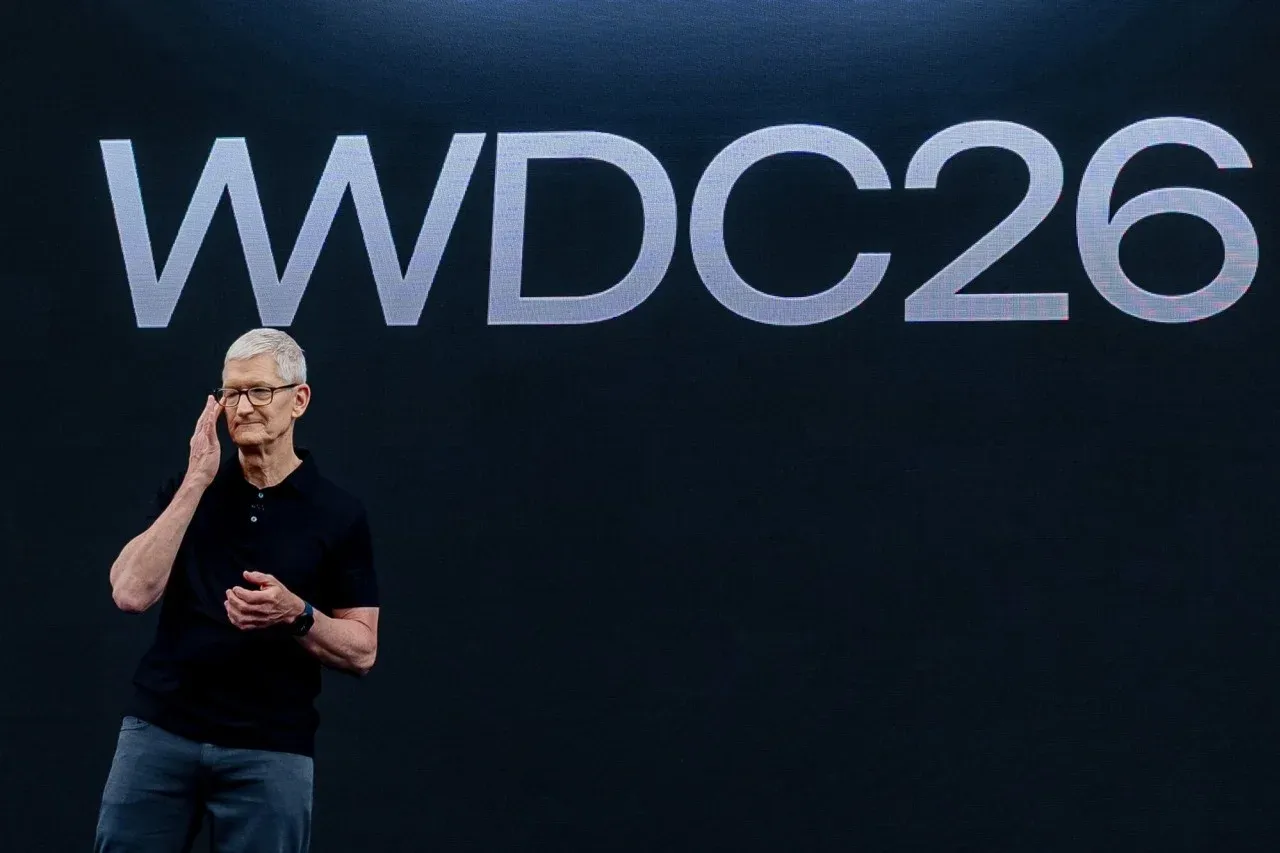


Tim Cook has officially confirmed what PC builders have been dreading: even Apple, a company with a balance sheet large enough to absorb supply shocks that would floor smaller manufacturers, can no longer hold the line on memory prices. Speaking publicly about the ongoing global memory shortage, Cook put it plainly: "Unfortunately, price increases are unavoidable."
That is a significant statement. Apple has spent months quietly absorbing the cost increases coming from DRAM suppliers, keeping product prices stable while the rest of the PC market watched RAM and storage costs spiral upward. That strategy has now hit its ceiling.

Use code TRYHARD33 at checkout to redeem this offer before code expires again.
Get 33% Off GAMES+ Subscription
What Cook actually said, and why it matters
Cook described the current memory market situation as a "hundred-year flood," adding that in over 40 years of experience he has never seen anything like it. The specific pressure point is DRAM. Supply is constrained at the exact moment consumer demand for memory-heavy devices is at its highest, and the major memory manufacturers are passing those cost increases directly down the chain.
His words were direct: "There's less supply at a time when consumers want devices and the memory guys are passing along huge price increases. We definitely need memory pricing and supply to return to reasonable levels for consumer products. That's the bottom line."
The company has been trying to buy time. Apple discontinued its entry-level Mac Mini model rather than raise the listed price on existing configurations, effectively lifting the floor on what it costs to buy into the Mac desktop ecosystem. The MacBook Neo launched as a relatively affordable option by Apple standards, and the company's software efficiency with memory meant it could stretch hardware further than Windows competitors. Those advantages have not disappeared, but they are no longer enough to hold prices flat.
The RAMpocalypse hits everyone eventually
Here's the thing: this was always going to catch up with Apple. The underlying driver is AI infrastructure demand pulling enormous quantities of high-bandwidth memory away from consumer products. That is not a trend that reverses quickly, and no company, regardless of how much cash it holds, can indefinitely eat the difference between old prices and new ones.
Cook did signal that Apple is willing to take some pain to cushion customers: "We're willing to use our balance sheet to help be a part of the solution." That suggests the increases passed to buyers will be moderated where possible, rather than a full pass-through of whatever suppliers are charging. But moderated is still higher.
For PC gamers, this is the same pressure that has been squeezing gaming laptop prices and pre-built desktop costs for months. If you have been watching RAM prices and wondering whether to upgrade your rig now or wait, the short answer is that waiting for a significant price drop is not a realistic near-term plan. The Victoria 3 market system guide actually models supply shortages and price cascades in ways that feel uncomfortably relevant right now: when supply contracts and demand holds, prices find a new equilibrium, and that equilibrium is higher.
What this means for your next hardware purchase
The practical reality for anyone planning a hardware upgrade is that the window for pre-shortage pricing has largely closed. Gaming laptops, which pack significant amounts of RAM into compact chassis, are already showing the effects. Pre-built desktops are similarly affected. Even the handheld PC market, which relies on fast, low-power memory, is not insulated.
Apple confirming it cannot hold prices is not just a story about MacBooks. It is a signal that the memory shortage has reached a point where no major manufacturer can fully absorb it. When the company with one of the largest cash reserves in the technology industry says the situation has become "unsustainable," that tells you something about the scale of what is happening upstream.
New memory manufacturing capacity from the three major DRAM producers is under construction, but those facilities take years to come online and ramp to full production. The timeline for meaningful relief is measured in years, not quarters.
For anyone building or buying a gaming PC right now, check out our gaming guides for the latest hardware advice, and keep an eye on our Fortnite Droid Tycoon upgrade costs guide as a reminder that spending your chips wisely, whether in-game or on actual hardware, always comes down to knowing the real cost before you commit.