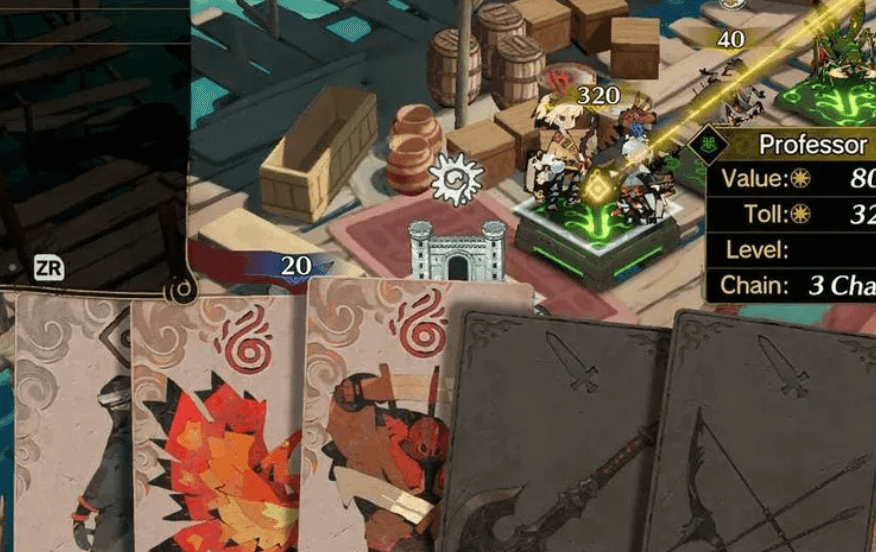

Picture this: your monster is sitting on a fully invested space, tolls are stacking up nicely, and an opponent rolls straight into your territory. Then they flip a weapon card and wipe your defender off the board. That moment, right there, is why item cards are the real engine of Culdcept Begins. Understanding how they work, and which ones are worth slotting into your deck, changes everything about how the game plays.
For newcomers, Culdcept Begins is a Nintendo Switch 2 board game hybrid that blends Monopoly-style territory control with deck-building mechanics lifted straight from trading card games. You move around a board, drop monsters on spaces to claim them, and collect tolls when opponents land there. The twist is that both the attacker and defender can play item cards during combat, turning what looks like a simple dice-roll game into something with genuine tactical depth. If you want a broader look at similar multiplayer games that reward strategic thinking, the genre has plenty to offer.
Why item cards hit harder than most players expect
Here's the thing: most first-time Culdcept players focus almost entirely on which monsters to run. Monsters matter, but item cards are what actually decide close fights. The game splits items into two main categories, weapons for attackers and armor for defenders, with a third category of tools that apply broader board effects.
Weapon cards boost your attacking monster's strength, and some add secondary effects like preventing the defender from using their own item. Armor cards protect your territory holders, raising their defense value or granting abilities like regeneration after surviving a challenge. The asymmetry matters because defending is statistically easier in Culdcept Begins, so a well-timed weapon that strips that defensive advantage is worth more than raw attack power alone.
The key here is that item cards are single-use. Every card played in combat is gone from your hand, which means deck composition is not just about having the best cards but about having enough of them at the right moments across a full match.
The item types worth building around
Among the 400 cards available to collect in Culdcept Begins, item cards fall into a few archetypes that experienced players consistently build around:
- Neutralize weapons: These strip the defender's ability to play armor entirely, making them the go-to answer when opponents have invested heavily in a fortified space. Landing one of these before a big battle can flip a near-certain loss into a clean takeover.
- Stat-boosting armor with secondary effects: Basic armor that just adds defense points is fine early on, but the stronger pieces also grant elemental resistance or activate conditional bonuses based on the monster's type. Running a monster and matching armor from the same element amplifies both.
- Movement-disrupting tools: These do not directly affect combat, but they slow opponents down or speed up your own laps around the board. Since winning requires returning to the start after hitting a target portfolio value, controlling movement tempo is a legitimate win condition.
- Instant-kill weapons: Rare but decisive. These bypass normal combat math entirely and remove the defending monster regardless of its stats. They are hard to acquire early but become a priority once you have enough in-game currency to target specific card packs.
The investment risk that makes items matter more
One detail that makes item cards genuinely strategic rather than just stat-padding is the investment system. When you pour resources into upgrading a space, the toll income rises sharply, but so does the prize for any opponent who beats your defender and takes it over. They inherit the upgrades you paid for.
That dynamic puts real pressure on your item card choices. A space with three levels of investment needs a defender backed by the best armor you can spare, because losing it sets you back while simultaneously boosting whoever took it. Players who treat item cards as optional extras tend to lose their best spaces at the worst possible times.
Getting to the good cards faster
Card packs in Culdcept Begins are purchased with in-game currency earned through match wins, and the game is entirely free of microtransactions. That means the fastest path to stronger item cards is simply playing matches and reinvesting winnings into targeted pack purchases rather than buying randomly.
The single-player story mode unlocks maps and cards as you progress, but the actual depth of the card pool opens up through repeated play. Prioritizing weapon cards that counter armor early on gives you a meaningful edge in multiplayer before your overall collection fills out.
For players looking to build stronger decks across every card type, the gaming guides hub has strategy resources worth bookmarking as your collection grows and the matchups get more complex.