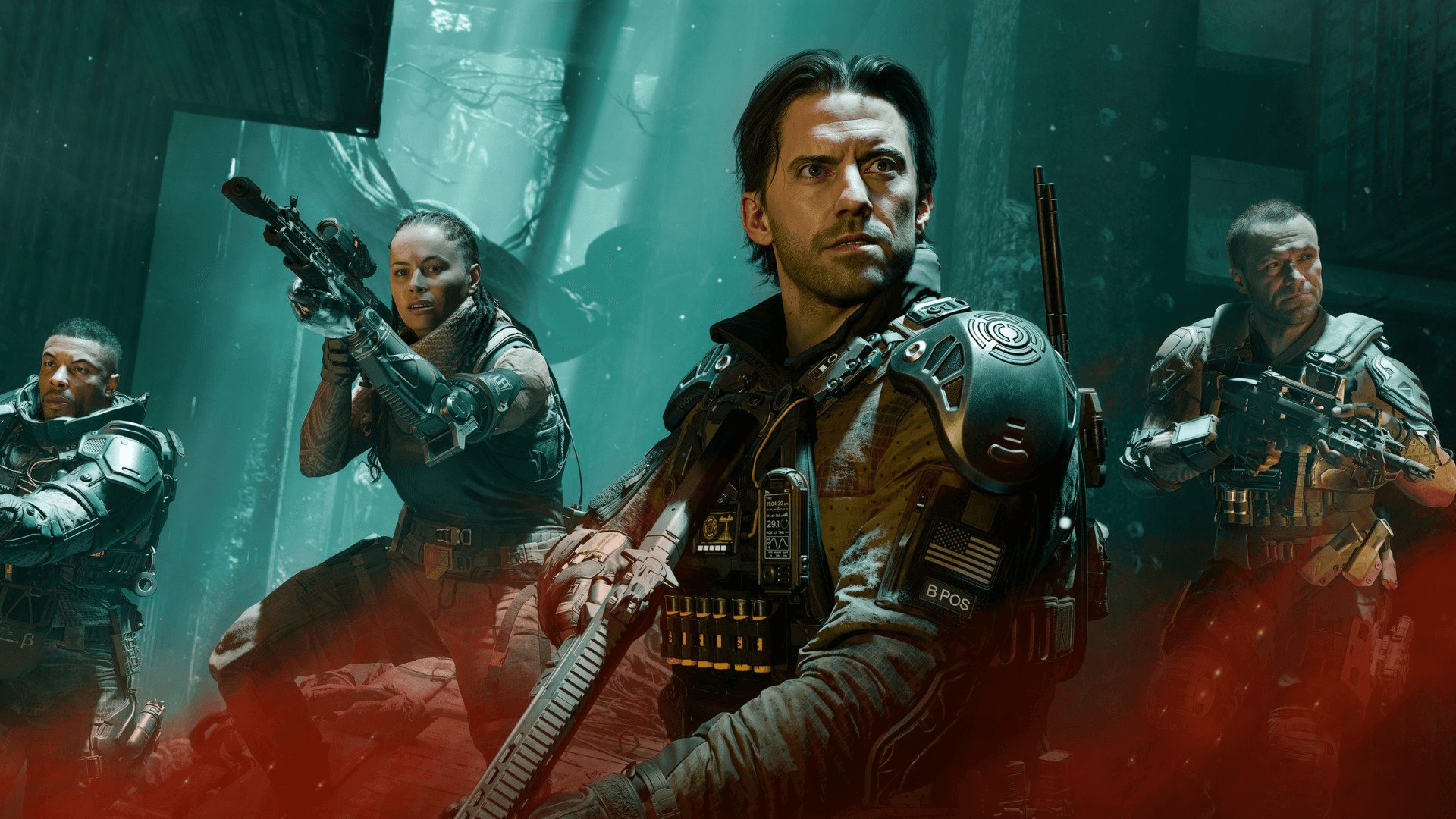

For nearly two decades, Call of Duty has been one of the most consistent franchises in gaming, dominating sales charts and maintaining a massive player base. That streak hit a speed bump in 2025. The release of Call of Duty: Black Ops 7, paired with stiff competition from other shooters, broke the franchise's stranglehold on the market. The series still sold well in November, but the numbers and reception showed cracks that hadn't appeared in years.
Call of Duty launched in 2003, and Activision has shipped a new entry every year since 2007. Between 2009 and 2024, a Call of Duty game topped the annual sales charts 13 out of 16 times. By 2023, the series had moved over 500 million copies worldwide, placing it among the best-selling video game franchises ever. Black Ops 7, which launched on November 14, didn't live up to that legacy. The single-player campaign required a constant internet connection and ditched mid-mission checkpoints entirely, drawing sharp criticism from players and reviewers. On Metacritic, it posted the lowest user score in franchise history and the second-lowest critic score.
The multiplayer and zombies modes held up, but the game's overall performance lagged behind Black Ops 6. Market research firm Circana reported that full-game dollar sales for Black Ops 7 in November 2025 dropped by a double-digit percentage year-over-year. Franchise fatigue, the campaign overhaul, and stiffer competition in the FPS space all played a role in the decline.
Competition from Battlefield 6 and ARC Raiders
Two games stepped up as serious challengers to Call of Duty in 2025. Battlefield 6, developed by DICE and Ripple Effect Studios and released on October 10, leaned into large-scale multiplayer battles, destructible environments, and vehicle combat. The game returned to a grounded, "classic Battlefield" feel, emphasizing squad tactics and All-Out Warfare modes. Developers credited the Battlefield Labs program, which let the community test mechanics during development, with sharpening gameplay and boosting engagement before launch.
Meanwhile, ARC Raiders, a third-person extraction shooter from Embark Studios that dropped on October 30, carved out a different niche. Its cooperative PvPvE design, accessible mechanics, and 1980s-inspired retro-futuristic aesthetic offered something distinct that pulled in both new and casual players. Unlike most extraction shooters, ARC Raiders lets you keep progress even when you die, which keeps players engaged and fosters a less toxic community. The game also gained traction on streaming platforms, broadening its reach.
Development Cycles and Player Expectations
A big factor in Call of Duty's 2025 stumble is its annualized release schedule. Battlefield gets longer development windows, but Call of Duty games often feel iterative, especially when back-to-back entries stick to the same subseries. Treyarch, Infinity Ward, and Sledgehammer Games rotate development to avoid burnout, but the last four releases have all been Modern Warfare or Black Ops games, leading to mixed reactions from players.
Black Ops 7's single-player campaign also marked a shift from past entries. Being online-only and requiring uninterrupted internet access limited accessibility for some players and drew backlash for ditching traditional checkpoints. These design choices, combined with competition from Battlefield 6 and ARC Raiders, contributed to weaker engagement and lower sales.
Looking Ahead for the Franchise
Despite these setbacks, Call of Duty remains one of the biggest franchises in gaming. Activision announced it would stop releasing consecutive entries within the same subseries to make each annual release feel more distinct. A return to strong FPS fundamentals, paired with genuine innovation, could help the franchise regain its footing.
Battlefield 6 and ARC Raiders both have ongoing content updates planned, with seasonal expansions and long-term support on the roadmap. ARC Raiders aims to maintain live service support for a decade. The continued evolution of online multiplayer, subscription services, and free-to-play models means competition will stay fierce in 2026 and beyond, forcing franchises like Call of Duty to adapt if they want to keep their player base.
Source: The Ringer
Make sure to check out our articles about top games to play in 2026:
Best Nintendo Switch Games for 2026
Best First-Person Shooters for 2026
Best PlayStation Indie Games for 2026
Best Multiplayer Games for 2026
Most Anticipated Games of 2026
Top Game Releases for January 2026
Frequently Asked Questions (FAQs)
Why did Call of Duty: Black Ops 7 underperform compared to previous titles?
Black Ops 7 took heat for its online-only single-player campaign, missing mid-mission checkpoints, and incremental changes compared to earlier entries. These issues, plus stronger competition, dragged down sales.
Which games challenged Call of Duty's top spot in 2025?
Battlefield 6 and ARC Raiders were the main challengers. Battlefield 6 brought back large-scale multiplayer combat with destructible environments, while ARC Raiders delivered a cooperative PvPvE extraction shooter experience.
How did Battlefield 6 succeed where Call of Duty struggled?
Battlefield 6 benefited from a longer development cycle and community testing through Battlefield Labs. The game doubled down on classic multiplayer mechanics, destructible maps, and squad-based gameplay, which clicked with players.
What makes ARC Raiders unique among shooters?
ARC Raiders is a third-person extraction shooter with cooperative PvPvE gameplay. It lets you keep progress even when you die and emphasizes emergent gameplay moments, creating a supportive community and compelling streaming content.
Will Call of Duty recover its position as the top-selling FPS?
Call of Duty still has a huge player base, but the franchise needs real innovation and solid FPS fundamentals to reclaim the top spot. Future releases and ongoing competition will shape where it lands.