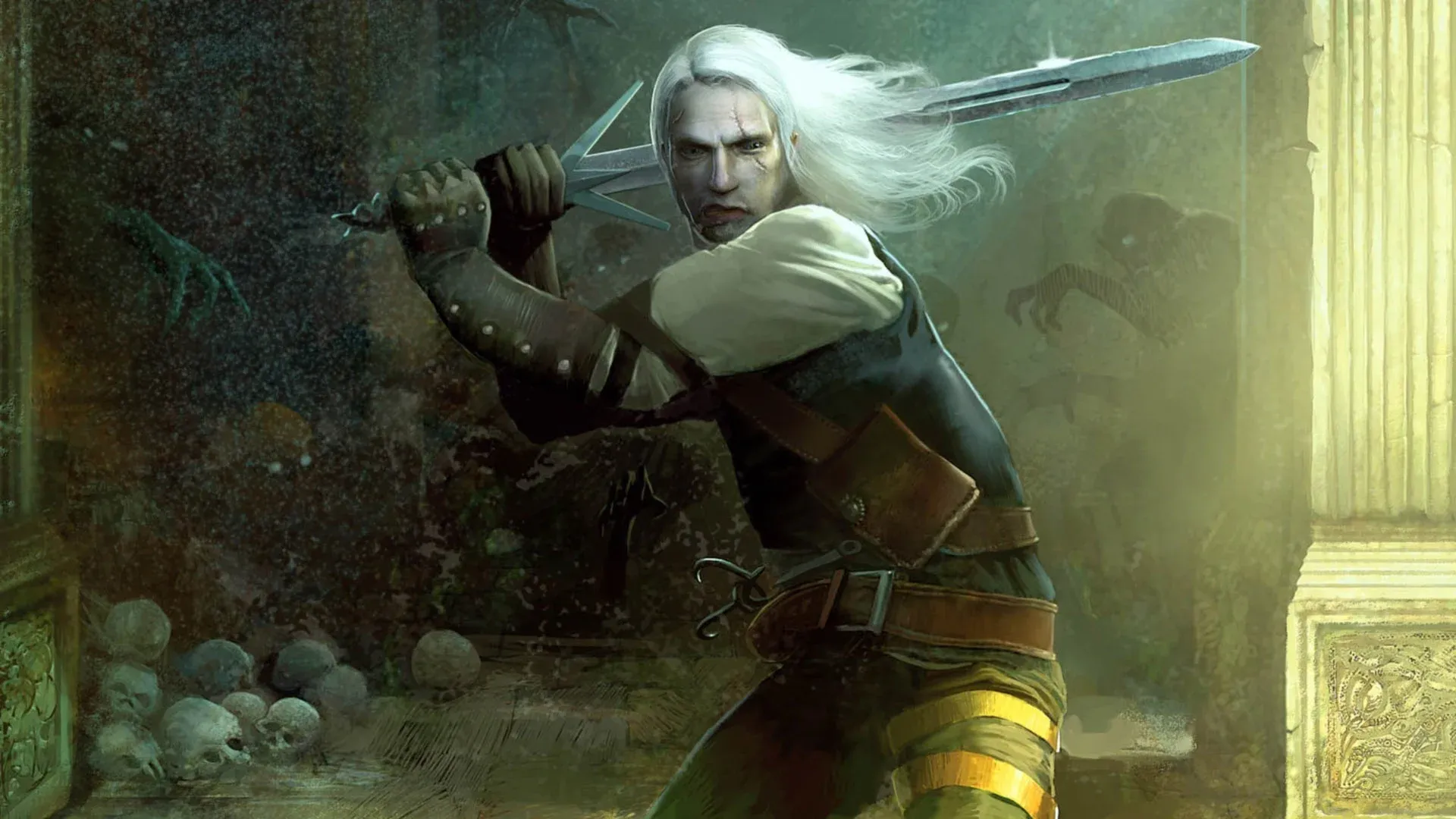

The metroidvania genre has been on a serious run lately, and Konami is not sitting that out. Castlevania: Belmont's Curse is the next entry in the franchise, developed by Evil Empire, and a hands-on preview of the game's opening three hours reveals something genuinely fresh sitting at the center of its design: every boss you defeat gets absorbed into a tarot card and becomes a character in your story.
That one mechanic does a lot of heavy lifting, and it connects directly to how the game's combat, traversal, and narrative all feed into each other.
Rose Belmont and the Paris problem
The setup is canonical Castlevania. You play as Rose Belmont, daughter of Trevor Belmont, 23 years after Trevor killed Dracula in 1989's Castlevania III: Dracula's Curse. Monstrous forces are tearing through Paris, and Rose heads into the burning city while her aging father searches for the bishop who called them there. Classic stuff: zombies, medusa heads, living gargoyles, the works.
Rose starts with a sword and a sliding dodge, and the combat initially feels familiar to anyone who has spent time with recent genre entries. Three potions serve as your healing supply, replenished at magic mirrors that also respawn enemies. The moment-to-moment feel is tight, with a back step and dodge letting you reposition behind enemies before punishing them.
What sets Rose apart from every other Belmont is her deck of arcane tarot cards.

The tarot system and how blessings work
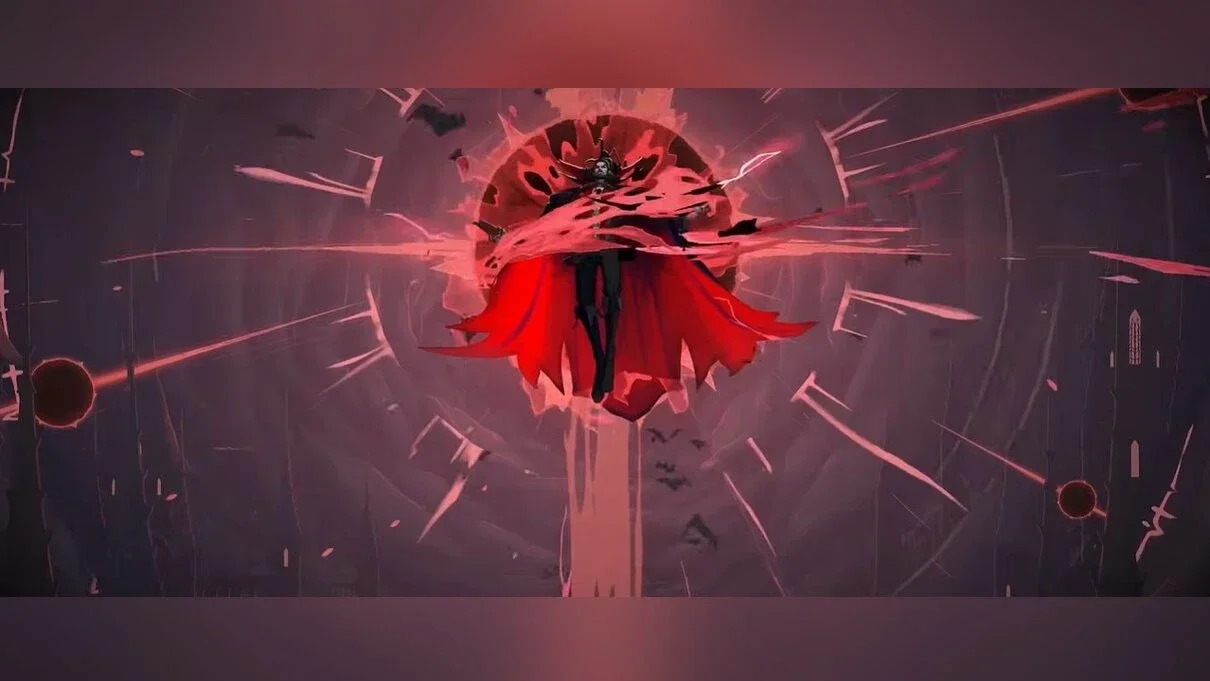
Each card in Rose's deck represents a spell, and every spell comes with three Acts of Mercy, specific in-combat goals that reward you for actually using abilities. The starting fireball card, for example, asks you to kill 20 different enemy types with it. Complete an Act of Mercy and you earn a point to spend on Blessings, upgrades that extend range, boost damage, or add unique effects to that particular spell.
Here's the thing: the system pushes you toward spells you might otherwise ignore. You can specialize hard into your favorites, or you can grind out Blessings on spells you find awkward and transform them into something that fits your build. Either path is valid, and both feel rewarding.
New spells do not come from shops or level-ups, though. They come from bosses.
Absorbing the Fallen, Joan of Arc, and Medusa
The first boss, a creature called the Fallen, guards the entrance to the Parisian catacombs. It throws a boomerang cross, swings on a whip, and leaps around the arena with enough aggression to make you work for the win. Defeating it lets Rose absorb the creature into her tarot deck, unlocking a cross-throw spell with its own Blessings tree and, more importantly, the Arcana Whip the Fallen used in the fight.
That whip is not a combat weapon. It is a traversal tool that lets Rose grapple onto holds scattered across the world. The clever part: any enemy counts as a grapple point. You can zip around arenas using enemies as anchor points, then trigger a weapon-specific whip attack the moment you arrive. With the starting sword, that means a powerful slash on landing. With the gloves found later in the preview, it becomes an uppercut that launches enemies into a juggle.
The second boss, a corrupted Joan of Arc, turns the encounter into a proper duel. Her broadsword hits slow and hard, and enough hits on her scatter fireballs that eventually erupt into columns of flame across the arena. Defeating her unlocks her fire column spell and her broadsword as an equippable weapon, plus a new traversal ability: a halo of holy light that phases Rose through certain walls and floors, and doubles as a parry when timed against incoming attacks.
The third boss, Medusa, sits beneath a cemetery fountain in ancient Roman baths. She is huge, her snake-hair fires lasers, and her gaze petrifies you unless you turn your back when she uses it. A ghost NPC scattered earlier in the area drops that hint directly into your menu notes before you ever reach the fight. Defeating Medusa adds her stone-gaze spell and a Perseus-style sword and shield to Rose's loadout.
Recruited enemies, not just absorbed ones
What makes the tarot system more than a stat delivery mechanism is what happens after absorption. Each defeated boss becomes a speaking character in the story. The Fallen reveals it was being mind-controlled and turns cooperative. Joan of Arc is outright helpful once freed. Medusa stays hostile, insists she can see the future, and actively wants Rose to fail.
Managing a party of increasingly complicated absorbed enemies while uncovering what is pulling monstrous forces toward Paris gives Belmont's Curse a narrative hook that most action-platformers skip entirely. The bosses are not trophies. They are passengers.
What the build variety looks like in practice
After three hours, the preview had surfaced a spear (throwable or melee), a pair of gloves for close-range combat, Joan's broadsword, and the Perseus-style sword and shield, alongside three boss spells and the starting fireball. Every weapon changes the whip attack behavior, and every spell has its own Blessings track. The combinations multiply quickly.
That build flexibility is where Evil Empire is clearly putting a lot of design energy. The game is not asking you to find the optimal loadout. It is asking you to find one that feels good and then push it further through the Blessings system.
Castlevania: Belmont's Curse is targeting a release window of December 2026 on Nintendo Switch, PC, PS5, and Xbox Series X/S. For players who want to get ahead of the content, the Castlevania: Belmont's Curse guides collection will be the place to track builds, boss strategies, and ghost locations as the game rolls out. Broader gaming guides across the genre are worth bookmarking too if you are catching up on recent metroidvania releases before the December launch.