Rarity is a powerful tool in gaming, creating value through scarcity and driving player engagement. In traditional games, rare items—whether cosmetics, equipment, or collectibles—are typically hard to obtain, which adds excitement and a sense of achievement. With web3 technology, where in-game items can hold value based on unique attributes, the approach to rarity needs to go beyond simple scarcity.
Modern games have multiple ways to create rarity, giving developers and players new methods to engage and reward participation. Understanding these different approaches helps developers enhance player experiences and build stronger communities around their games.

How To Create Rarity And Desirability In Games
Luck-based rarity
Luck-based rarity represents the classic approach to scarcity, where low drop rates make acquiring rare items feel like a genuine stroke of fortune. This mechanic appears in loot boxes and random in-game drops across countless titles.
Benefits for Developers: This system keeps players engaged for longer periods, continuously hunting for rare items. The thrill of potentially discovering something valuable encourages repeated play sessions and can drive monetization through loot box purchases.
Limited-time availability
Time-limited events—whether daily challenges or seasonal celebrations—generate urgency by offering items or experiences available only during specific windows. These can include special cosmetics tied to in-game events or exclusive concerts.
Benefits for Developers: Time-gated content creates exclusivity that drives player surges and encourages daily logins. This approach strengthens community bonds among players who share these unique collectibles. Motorverse's upcoming Revuelto launch exemplifies this, offering a limited-time NFT in their web3 ecosystem using Coinbase's Base blockchain.
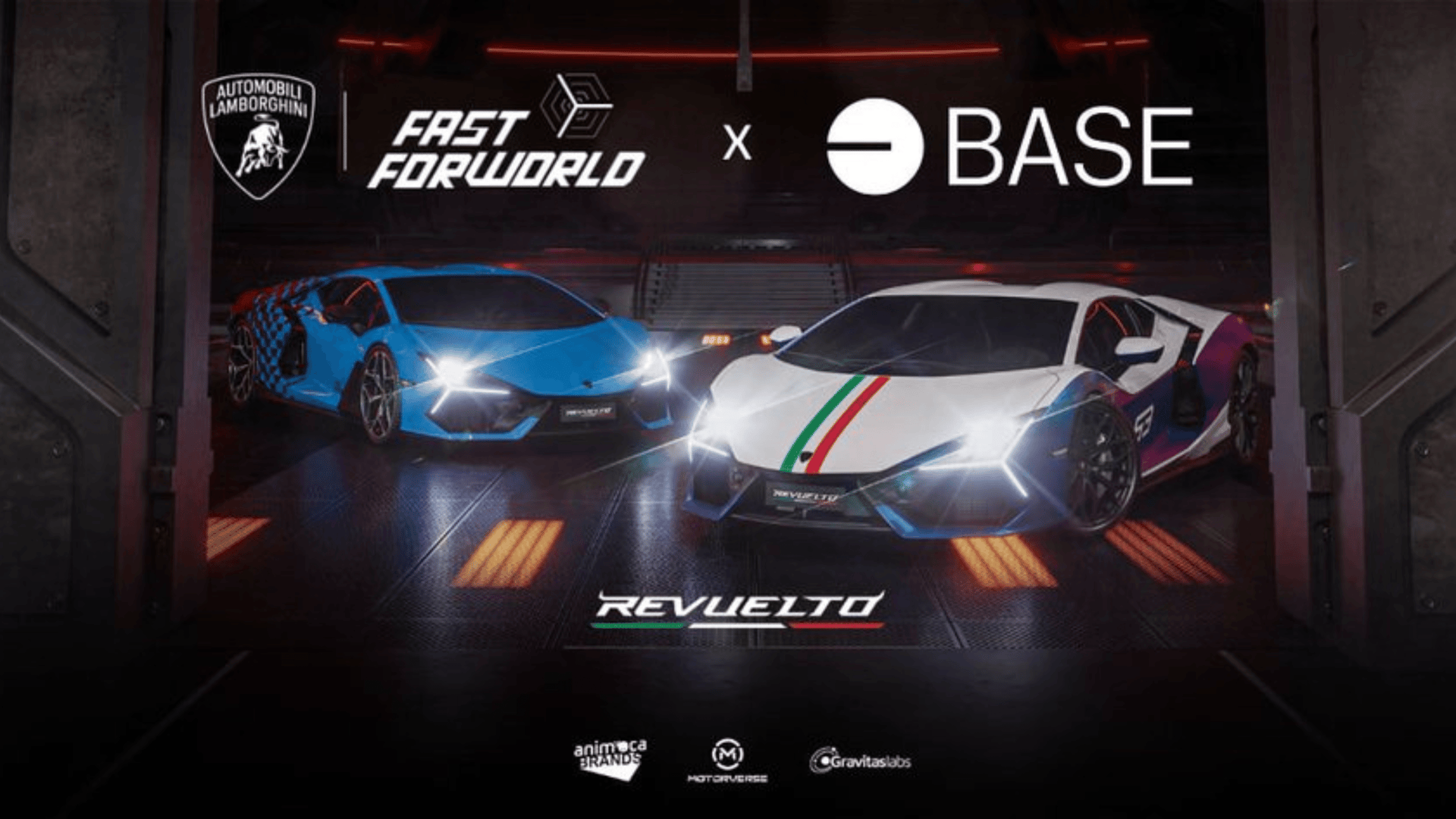
Limited Time NFTs Example
Intentional misprints
Taking inspiration from physical collectibles, subtle item variations—like minor aesthetic quirks—transform a "flaw" into a desirable feature. These intentional imperfections add uniqueness that appeals to collectors who value subtle differences.
Benefits for Developers: Misprints spark player curiosity and encourage deeper exploration of item catalogs. These variations can drive loot box sales and generate excitement in secondary marketplaces where players trade for specific versions.
Item degradation
Items that degrade over time develop a visual history, showing their "life" within the game world. A weapon or armor piece might accumulate wear, telling the story of battles fought.
Benefits for Developers: Degradation creates two distinct player segments. Some prefer pristine items and return to primary markets for fresh purchases, while others value the narrative that worn items represent. Both approaches boost engagement and create status hierarchies.
Achievement-based rewards
Rare items earned through skill, progression, or milestone achievements recognize player accomplishments. These items may appear on secondary markets, which can amplify their desirability beyond the original earners.
Benefits for Developers: Achievement rewards motivate continued progression, increasing playtime and potentially driving spending on upgrades or level-boosting purchases. Players can earn a Platinum Box in The Desolation's Open Beta.
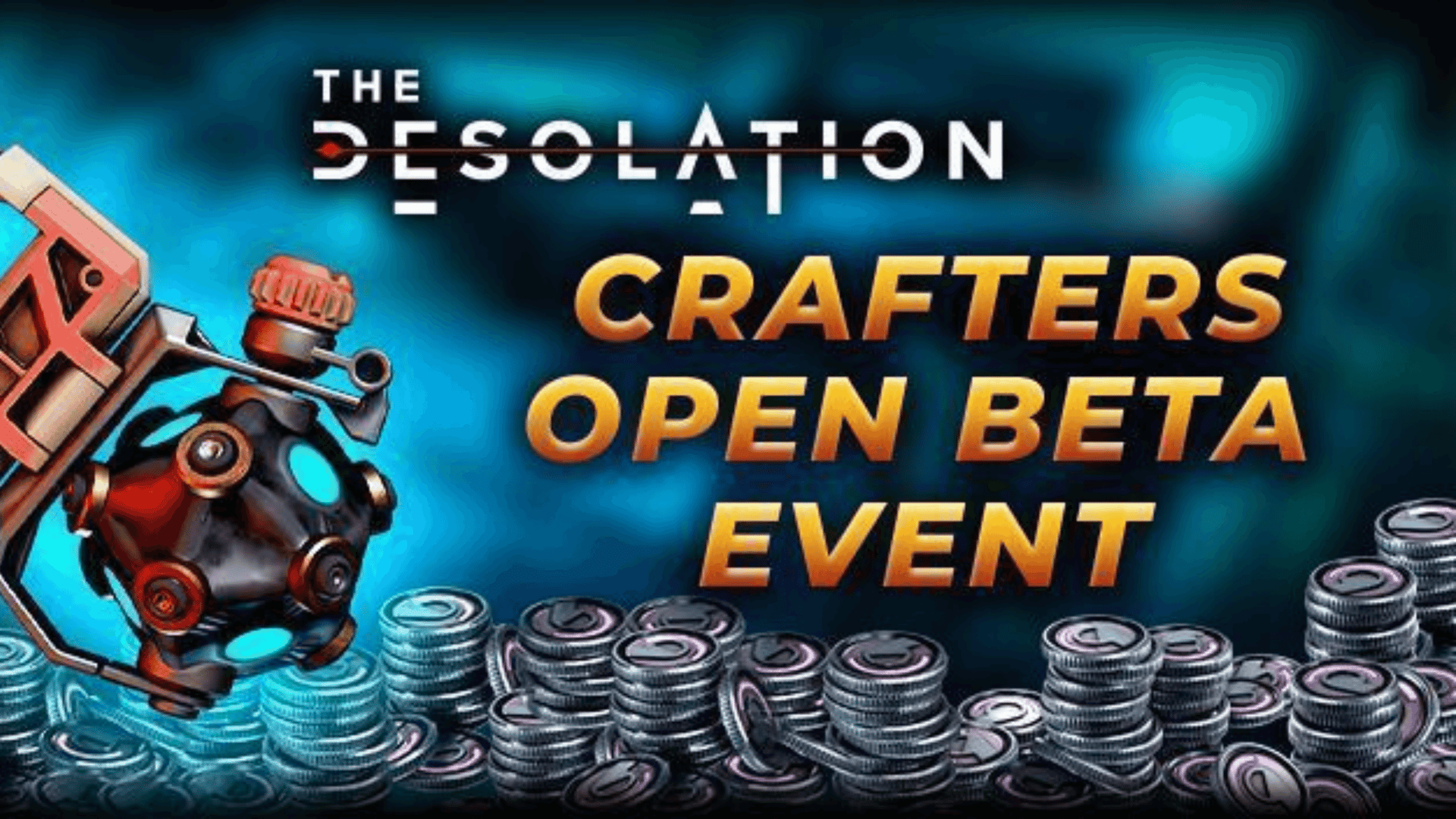
The Desolation's Open Beta
Collection-based unlocks
"Collect them all" mechanics appeal to completionists, creating a metagame within the main experience. In web3, this approach enables cross-game collaboration where items from different titles can combine.
Benefits for Developers: Collection systems engage completionist players, driving traffic to both primary and secondary markets. They also enable cross-promotional opportunities with other games, expanding potential player reach.
Print or edition numbers
Items labeled with specific edition numbers carry added value, particularly for early adopters seeking first-edition exclusivity. Print numbers can incentivize specific buying behaviors, with low-numbered editions or "milestone" ranges commanding premium interest.
Benefits for Developers: Numbered editions create urgency around new releases and provide structured incentives that bring players back for subsequent limited runs.
Regional or team-based items
Items tied to geographical regions or in-game factions connect with player identity. Team-based items in multiplayer games build camaraderie and add collectible value through faction loyalty.
Benefits for Developers: Regional and team identity enhances community engagement, encourages competitive spirit, and increases time investment. The upcoming Parallel tournament in partnership with YGG will take place live in Manila with a $100K prize pool.
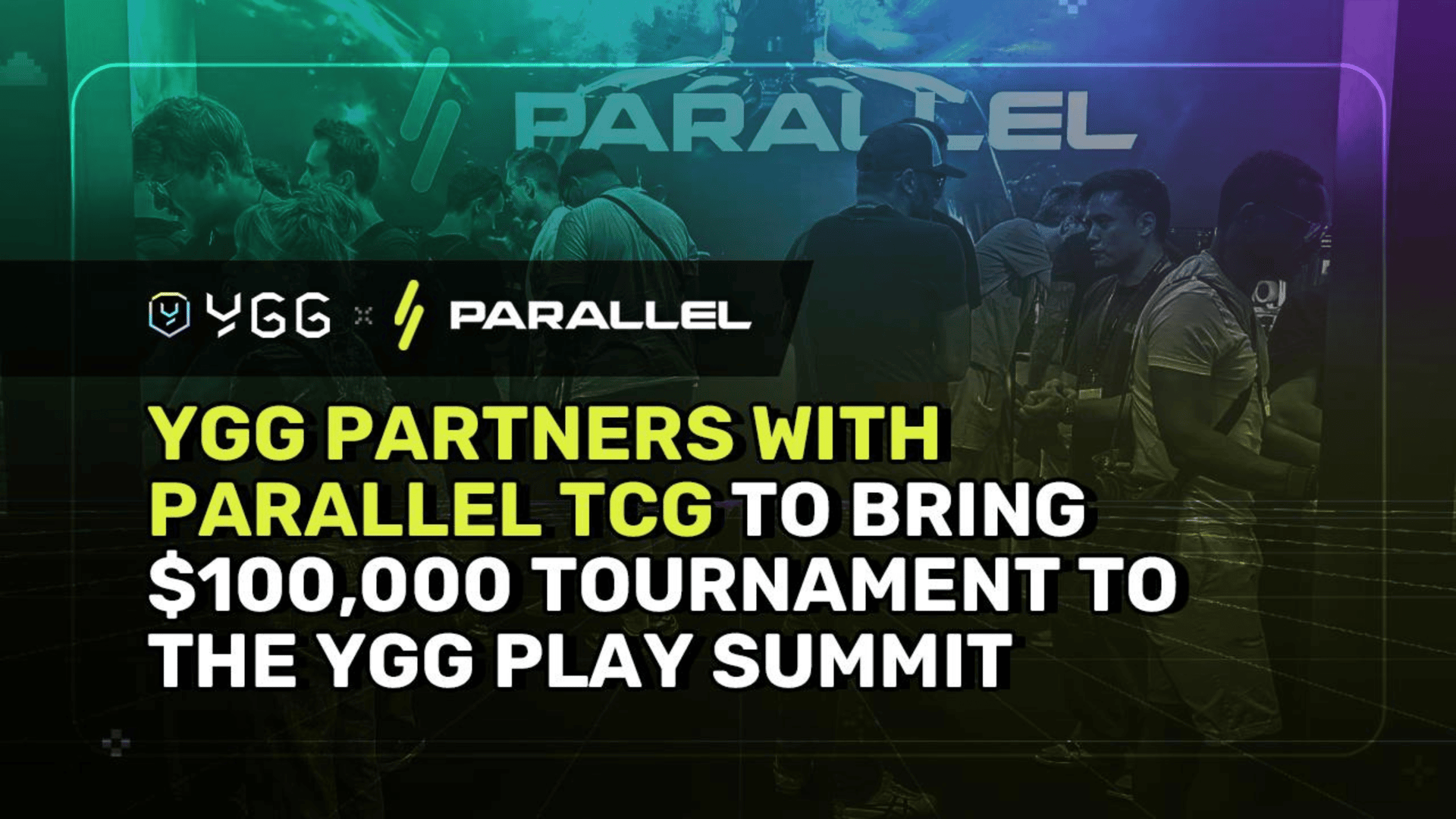
YGG Partners with Parallel TGC for $100k Tournament
Customization options
Customizable rarity lets players combine rare materials or items into something unique with greater value. These "crafted" items become highly sought after when built from scarce components.
Benefits for Developers: Customization appeals to players seeking a personalized gaming experience, strengthening player-game connections and fostering self-expression within the community.
The role of community in valuing rarity
The gaming community ultimately determines an item's value. While developers can design systems to promote rarity, community preferences and trading activity decide what becomes valuable and aspirational. Effective rarity merchandising balances structured value (known benefits or features) with organic value shaped by gameplay, trading, and social interaction.
Final thoughts
The growth of web3 gaming highlights the importance of diverse rarity mechanics. As players increasingly value ownership and customization, web3 provides developers with new methods to build desirable and rare items. These rarity models offer a versatile toolkit that boosts player engagement, retention, and marketplace activity, strengthening the game's overall ecosystem.
Developers who thoughtfully integrate rarity into gameplay will be positioned to engage the next generation of players, building loyalty, participation, and excitement in their gaming communities.