

Reward systems have become one of the defining elements of modern game design. More than simply offering players experience points or loot, today's games are built around carefully crafted feedback systems that create satisfying emotional moments. Through visual effects, sound design, and well-paced progression, developers create gameplay loops that encourage players to continue exploring, improving, and overcoming new challenges.
Studios are increasingly focused on creating a seamless reward cycle that delivers a consistent sense of accomplishment. From completing a difficult boss encounter to opening a treasure chest, each milestone is designed to provide positive reinforcement that keeps players invested throughout their journey.
As user experience researcher Dr. Lennart Nacke explains, "Game designers are basically part-time entertainers and part-time psychologists who know how to tickle the human brain in all the right ways." His observation reflects how modern developers combine psychology, cognitive research, and neuroscience to build engaging gameplay systems.
While rewarding players may appear straightforward, creating feedback that remains satisfying without becoming repetitive requires careful balancing.

The Classic Blueprint Behind Modern Rewards
Modern game developers did not invent today's reward systems from scratch. Many of the principles behind satisfying feedback can be traced back to earlier forms of entertainment that mastered sensory reinforcement decades ago.
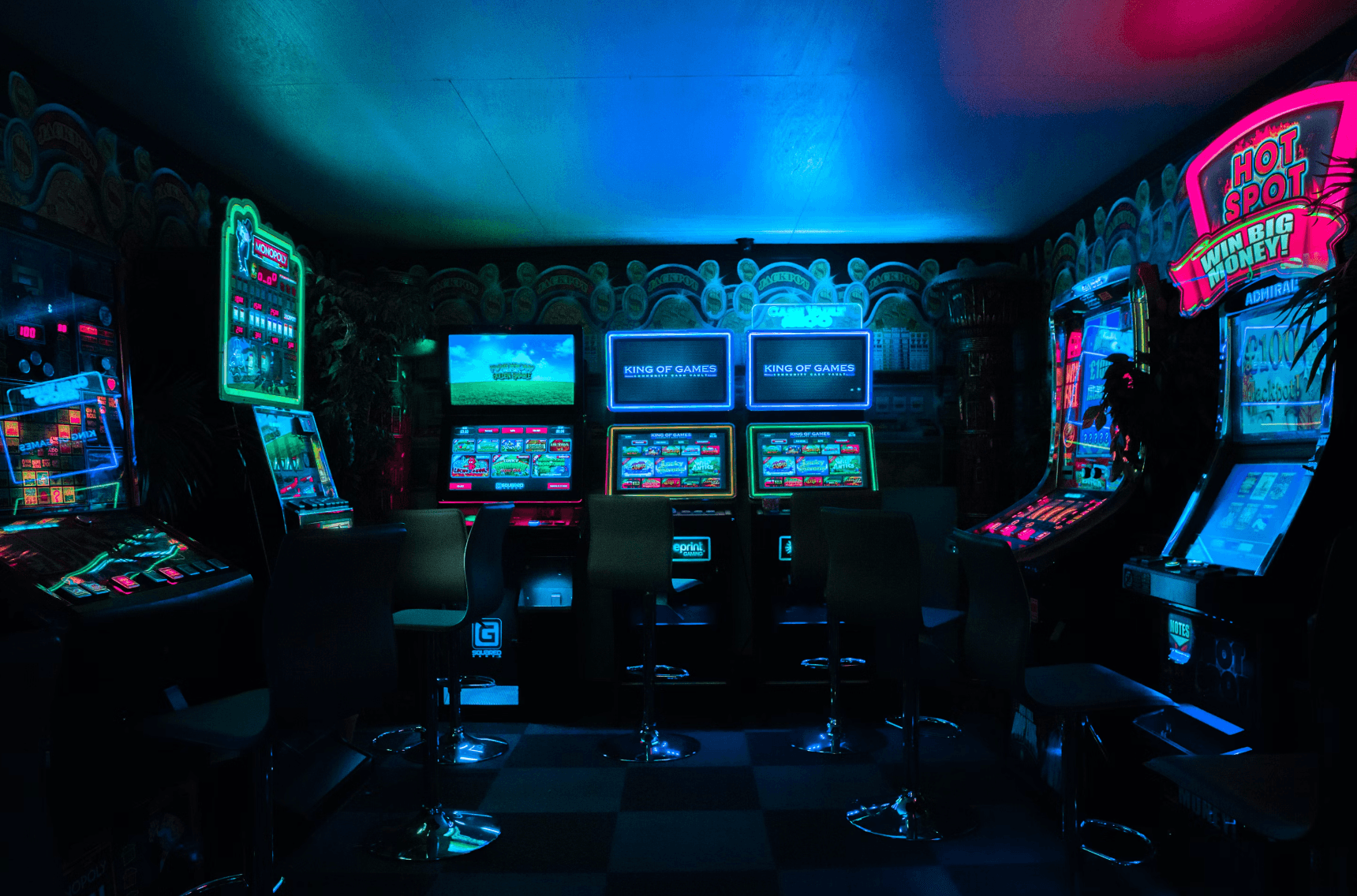
Classic slot machines pioneered the use of vibrant lighting, celebratory animations, and rhythmic audio cues to communicate success instantly. These techniques demonstrated how visual and audio feedback could reinforce positive actions. Modern video games have adopted many of the same principles. When players see stars burst across the screen after completing an objective or receive an elaborate celebration after defeating a boss, those moments build on a long-established blueprint designed to make achievements feel meaningful.
Visual Animations Bring Every Action to Life
One of the most recognizable aspects of modern game design is the use of visual polish, often referred to by developers as "game juice." Rather than simply registering an action, games layer additional visual effects that make every interaction feel impactful.
A basic attack, for example, rarely consists of a damage number alone. Screen shake, particle effects, sparks, debris, lighting flashes, and enemy reactions all work together to amplify the player's actions.
These animations bridge the gap between the controller and the virtual world, creating the illusion of weight and impact. Even relatively simple mechanics become more satisfying when accompanied by carefully designed visual feedback.
Audio Design Drives the Reward Loop
Sound design is equally important in creating rewarding gameplay. In many cases, the brain processes audio faster than visual information, making sound one of the quickest ways to reinforce successful actions.
The familiar chime of collecting a coin immediately confirms a player's achievement with a brief burst of positive reinforcement. Likewise, the heavy thud of a critical hit or the sharp crack of a shield breaking gives combat encounters greater impact.
Many modern games in 2026 also use more subtle audio feedback. Completing a major quest may trigger a gentle orchestral swell, while opening a chest can be accompanied by a satisfying mechanical click. These sounds communicate progress and achievement even without prominent on-screen notifications.
Why Audio and Visual Cues Define Game Feel
Earlier generations of games often focused primarily on core mechanics. While strong mechanics remain essential, modern game design places equal importance on presentation.
A jump mechanic or combat system may function perfectly from a technical standpoint, but without polished animations and satisfying audio, gameplay can quickly feel flat.
Consider defeating a powerful boss only for the enemy to disappear without any visual celebration or dramatic sound effect. The accomplishment would feel significantly less rewarding despite the challenge remaining the same.
Audio and visual feedback are what transform functional gameplay into memorable experiences. They provide players with immediate confirmation that their actions mattered and make victories feel earned.
Reward Pacing Keeps Gameplay Engaging
Reward frequency is just as important as reward quality. If players receive major rewards for every small action, those moments gradually lose their impact.
This phenomenon, often referred to as reward fatigue, reduces the psychological value of positive feedback. Constant celebrations eventually become routine rather than exciting.
Successful games avoid this by carefully pacing rewards throughout the experience. Players are challenged before receiving meaningful recognition, ensuring that each celebration reflects genuine progress rather than automatic participation.
By balancing challenge with rewarding feedback, developers maintain engaging gameplay loops that continue to feel satisfying long after players begin their adventure.
The Psychology Behind Modern Game Design
The most memorable games are rarely defined by mechanics alone. Instead, they succeed by combining responsive gameplay with carefully designed visual effects, impactful sound design, and thoughtfully paced progression systems.
Every animation, audio cue, and celebratory effect contributes to a broader reward loop that reinforces player actions and creates lasting engagement. When balanced effectively, these systems transform ordinary gameplay into experiences that feel consistently rewarding without becoming repetitive.
As modern game design continues to evolve, mastering the balance between challenge and celebration remains one of the industry's most important skills, ensuring players continue returning for one more victory.