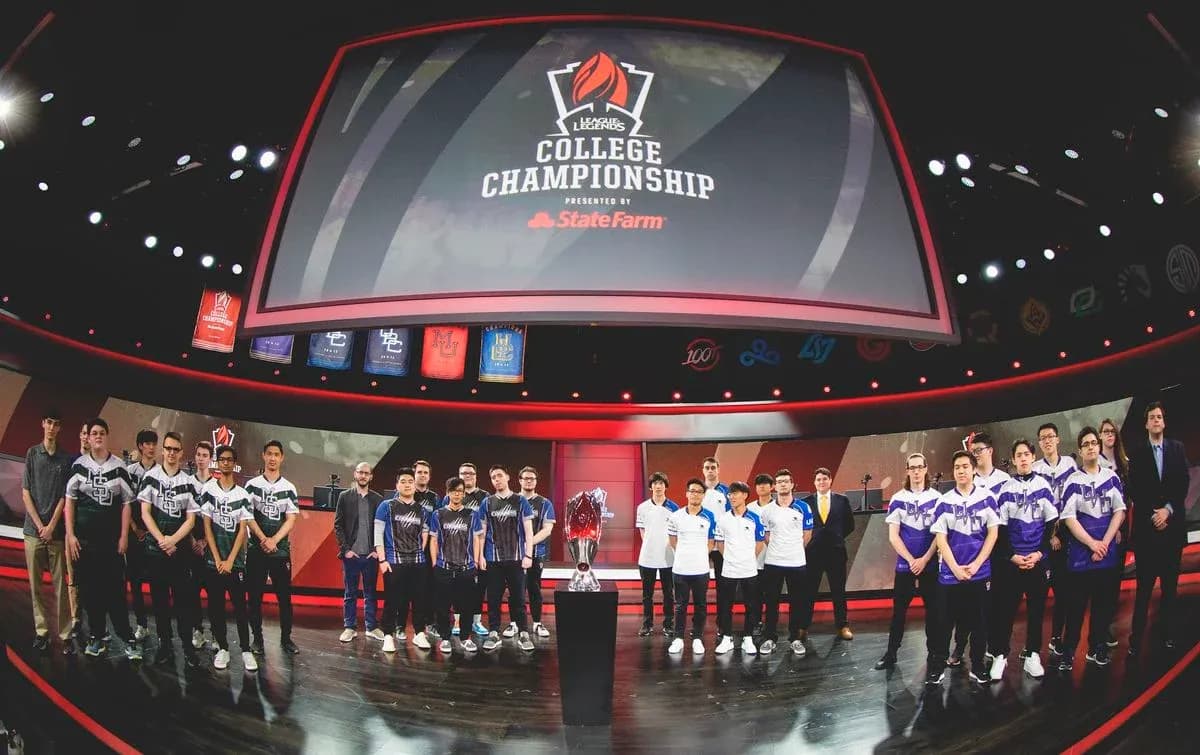

"Gaming is no longer just a hobby, it's a skill set that can open real doors."
That sentiment has been floating around esports circles for years, but now there's $15,000 worth of proof behind it. Competitive gaming has officially crossed into territory that would have seemed far-fetched a decade ago: scholarship money, the kind that pays for tuition, books, and dorm rooms.
From basement hobby to scholarship material
The shift has been gradual but unmistakable. Colleges across the United States have been building out esports programs at a rapid pace, and with those programs come real recruiting budgets. The $15,000 figure now on the table represents one of the more significant individual scholarship amounts tied specifically to gaming performance, putting it in the same conversation as athletic scholarships for traditional sports.
Here's the thing: this isn't a raffle or a one-time giveaway. It's structured like an academic merit award, where demonstrated skill, competitive history, and in some cases academic standing all factor into eligibility. The goal is to attract players who treat gaming with the same discipline a varsity athlete brings to their sport.
What the $15,000 actually covers
Scholarship structures at esports-active colleges typically apply funding toward:
- Tuition and enrollment fees
- Campus housing
- Required course materials
- Program-specific equipment in some cases
The key here is that $15,000 doesn't always mean $15,000 per year. Some programs split the award across multiple semesters, while others front-load it for the first year and renew based on performance, both in-game and academically. You'll want to read the fine print on any specific program before committing.
The games that actually get you recruited
Not every title carries equal weight in the college esports world. Programs tend to recruit around games with established collegiate leagues and structured seasons. Titles like League of Legends, Valorant, Rocket League, Overwatch 2, and Super Smash Bros. consistently appear in collegiate rosters. Sports simulation games, including EA Sports titles, have also been carving out space in collegiate play.
If you're a college football sim player grinding Dynasty mode and building recruiting classes, that competitive mindset translates directly. Check out our College Football 26 Dynasty recruiting guide if you want to sharpen that side of your game.
How programs find their players
Recruiting in college esports works differently from traditional athletics. There's no combine or scouting combine equivalent, at least not yet. Instead, programs pull from:
- Platform leaderboards (ranked ladder standing on official game clients)
- Tournament results from high school esports leagues like PlayVS or NASEF
- Highlight reels submitted directly to program coaches
- Tryout events hosted by the colleges themselves, sometimes run online
Some schools have started using third-party platforms that connect prospective student-athletes with esports program directors, functioning almost like a recruiting database for gamers. The process is still maturing, which means players who put in the effort to reach out proactively tend to have an advantage over those waiting to be discovered.
The broader picture for competitive gamers
What most players miss is that the scholarship itself is only part of the value. Being part of a collegiate esports program means access to coaching staff, structured practice schedules, team facilities, and in many cases, a pipeline toward careers in game development, broadcast, event management, or professional play. The $15,000 is the headline, but the network and the credential matter just as much long-term.
Collegiate esports is also one of the fastest-growing segments in the broader gaming industry. Over 200 colleges in the US now offer some form of varsity esports program, and that number has been climbing steadily. The scholarship money is following the growth.
For players already deep into EA Sports titles and looking to get more out of their gaming time, our gaming guides hub covers everything from competitive strategy to hardware optimization, including our College Football 27 PC settings guide for players who want every frame-rate advantage they can get. The gap between casual and competitive is closing fast, and $15,000 is a compelling reason to start treating it that way.