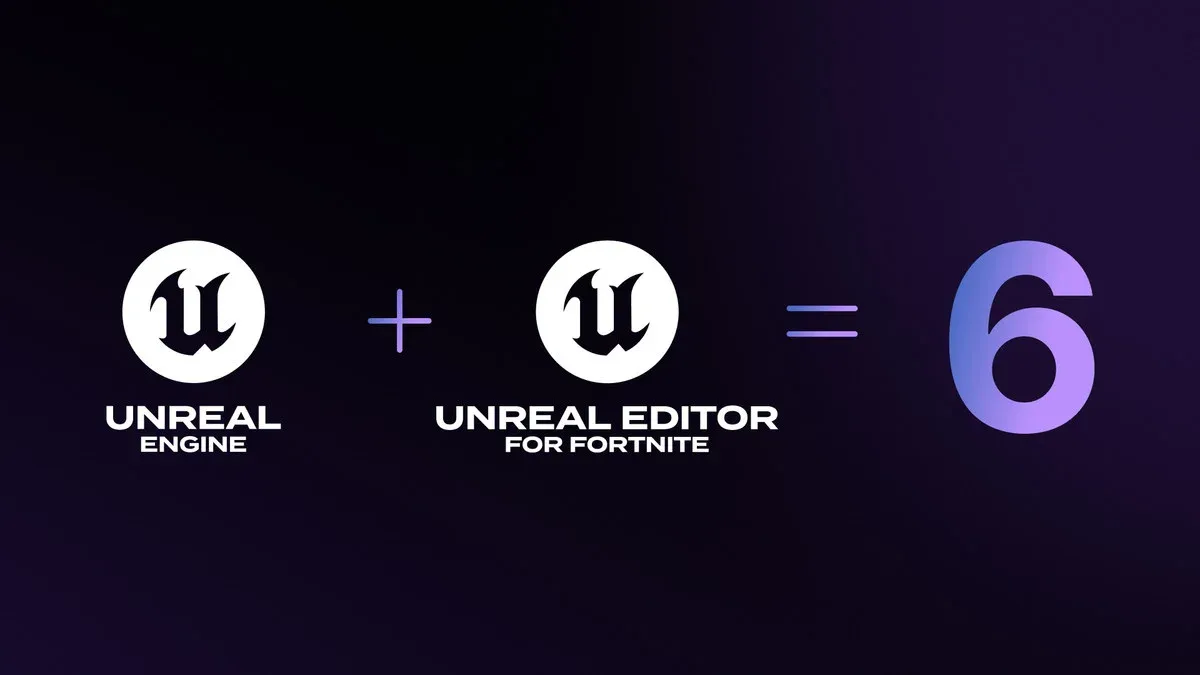


For the past few years, Epic Games has been quietly weaving generative AI into its production pipeline. At the State of Unreal showcase this week, the company stopped being quiet about it. Unreal Engine 6 is getting a more formal AI integration, and Epic walked through exactly what that looks like in practice, for better or worse depending on where you sit.

Use code TRYHARD33 at checkout to redeem this offer before code expires again.
Get 33% Off GAMES+ Subscription
How Epic actually uses generative AI (it's not what you might fear)
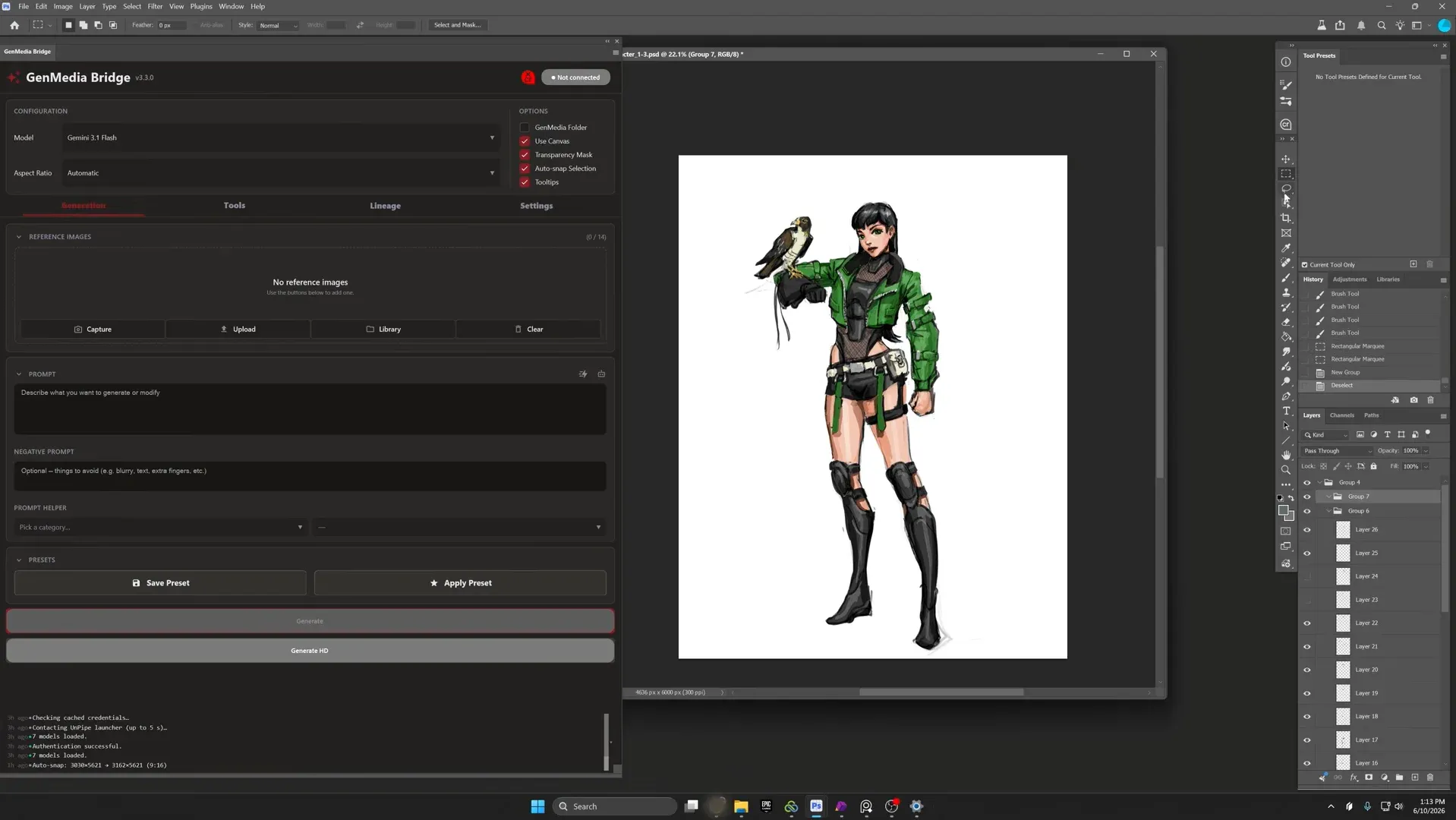
The process Epic described is more grounded than the buzzword-heavy announcements that usually accompany AI news in the games industry. Artists start with a handcrafted design built in tools like Blender and Photoshop. Generative AI then steps in to block out how that design might look as a 3D in-game model, essentially compressing the early ideation phase.
One of Epic's employees put it plainly in the showcase video: "The design is king. AI can generate generic stuff all day, but that's not what we're doing here. It just skips ahead in the timeline so he can focus on honing in on the design and crafting it exactly how he wants it to be."
The key here is that AI is not replacing the artist's vision, it's accelerating the roughing-out stage. Epic also acknowledged that generative AI regularly introduces imperfections, and human artists are expected to clean those up before anything ships. The company says it runs "continual reviews" before assets make it into a game, holding finished work to what it describes as "high" standards.
What Marcus Wassmer said about LLMs in UE6
Marcus Wassmer, Unreal Engine development lead, spelled out the longer-term vision in a blog post. For UE6, Epic sees large language models, generative AI models, and tools including Claude and Codex playing a central role in helping developers build content faster while keeping creative control in the hands of the people making the game.
That framing matters. Epic is positioning these tools as workflow accelerators for developers building on UE6, not just internal production shortcuts for Fortnite. If that holds up in practice, it could meaningfully reduce the time smaller studios spend on early asset iteration.
The community reaction is split, and that's putting it mildly
Not everyone is ready to applaud. Poncle, the studio behind Vampire Survivors, confirmed it is currently reviewing its planned collaboration with Epic following the GenAI announcements. That's a notable signal from an indie developer with significant goodwill in the gaming community.
The broader reaction has been mixed. Epic's AI push lands in the middle of an ongoing industry conversation about generative AI's role in creative work, and the timing is complicated by the recent Nvidia DLSS 5 backlash. When Nvidia showed off AI-driven lighting and model enhancement earlier this year, the internet immediately labeled it a "Yassify filter" that made characters look unnaturally processed. Nvidia CEO Jensen Huang initially pushed back, then softened his position days later under sustained criticism.
Epic is navigating that same skepticism now. The difference is that Epic has framed its AI use as a concepting tool rather than a final-output enhancer, which is a more defensible position. Whether players and developers accept that framing is a different question.
What this means for developers building on UE6
For studios working with Unreal Engine 6, the practical implication is that Epic is building AI assistance directly into the engine's content creation workflow. Tools like Claude and Codex are being positioned as collaborators in the build process, not add-ons.
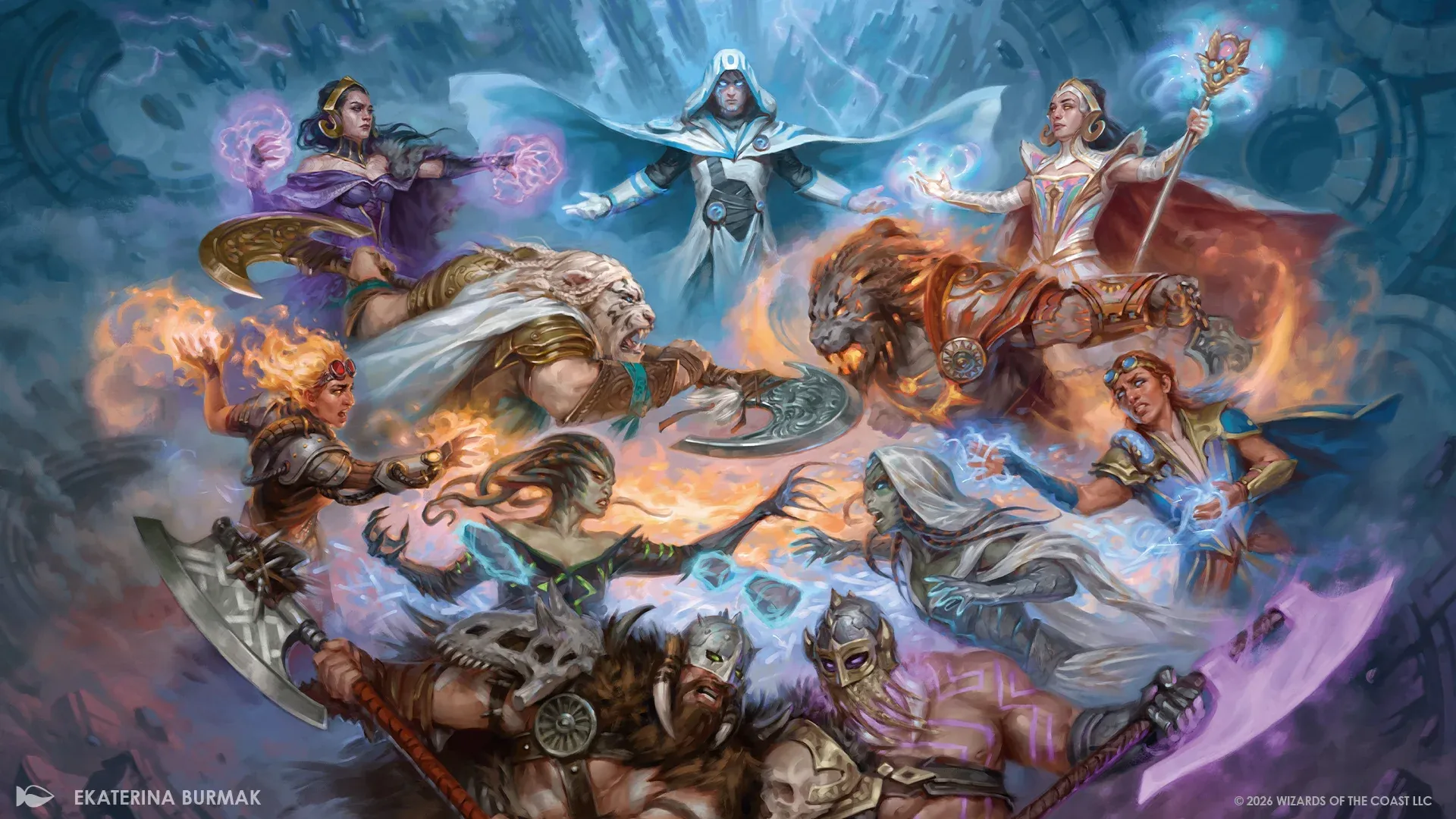
You'll want to watch how Epic handles the transparency side of this as UE6 development continues. The concepting workflow sounds reasonable on paper, but the Fortnite asset controversy shows that the line between "AI-assisted" and "AI-generated" gets blurry fast when products ship.
For players who enjoy multiplayer games built on Unreal Engine, the downstream effect could be faster content cycles and more varied assets, assuming Epic's quality review process actually catches the artifacts before they reach live builds. Check out our gaming guides for coverage on how engine updates like this affect the games you play, and if you're already deep into titles like Domenation, keep an eye on how UE6 tooling shapes future multiplayer experiences.