
The numbers are in, and they tell a story the fighting game community has been anxious about all year. Evo 2026 final registration figures dropped significantly across nearly every returning title compared to Evo 2025, and the gap is wide enough that it is hard to write off as a minor fluctuation.
The numbers behind the drop
Street Fighter 6 led the lineup with 2,414 registered competitors. That sounds respectable until you stack it against the 4,228 entrants the same game pulled at Evo 2025, a decline of roughly 43 percent in a single year. Tekken 8, Guilty Gear Strive, Granblue Fantasy Versus: Rising, and Fatal Fury: City of the Wolves all saw comparable year-over-year drops. The only title that bucked the trend was Rivals of Aether 2, which actually grew its entrant count from the previous year.
Here is the thing: Evo did not draw attention to the lower figures when it posted the registration breakdown on June 12. The community noticed anyway. Discussion threads on Bluesky, X, and Reddit filled up quickly with players trying to make sense of what happened.
A perfect storm of reasons
No single cause explains the decline, but several factors stacked up at once.
The event moved earlier in the calendar. Evo 2026 runs June 26 to 28, which is about two months ahead of its usual August slot. That shift compresses the registration window and may have caught some players off guard or left them unable to arrange travel on shorter notice.
The global Evo footprint also expanded. Evo Japan ran in May, and Evo France is scheduled for October. More regional events mean more opportunities to compete closer to home, which almost certainly pulls some entrants away from the Las Vegas main event.
There is also the ownership question. Earlier this year, the organization behind Evo was fully acquired by RTS, a Saudi Arabian company. That acquisition generated real backlash within the fighting game community, and some players have made clear they are not comfortable supporting the event under its current ownership.
Travel concerns add another layer. International competitors from several countries have flagged uncertainty about visiting the United States right now, citing both the current political climate and the straightforward cost of getting to Las Vegas. With airfare and hotel prices where they are, the financial barrier for a multi-day tournament trip is not trivial.
What this actually means for the FGC
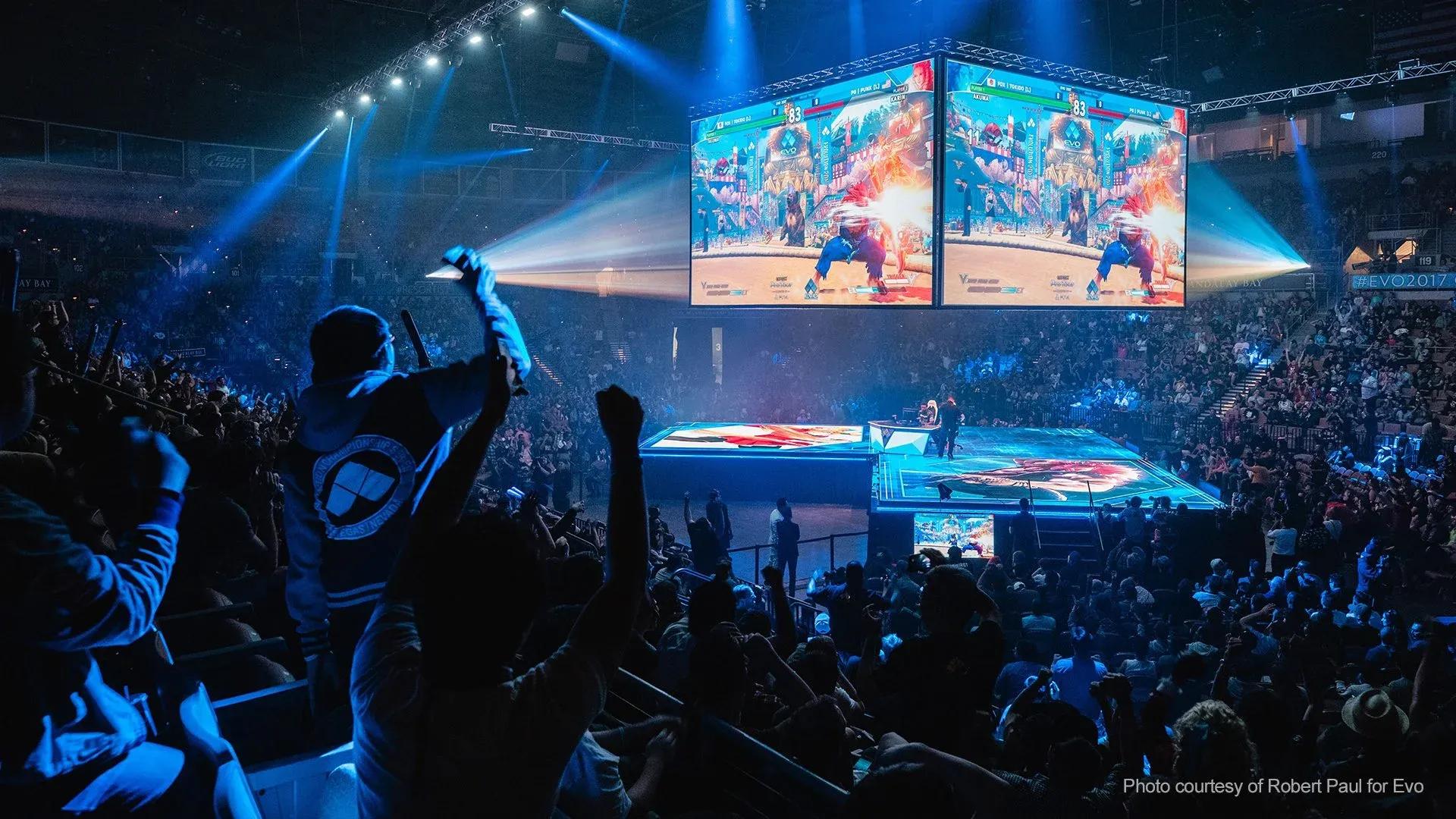
A drop this size across this many games at once is a signal worth paying attention to. The fighting game community has historically treated Evo as its annual centerpiece, the event that draws top players from every region and gives developers a stage for major announcements. Capcom, Bandai Namco, and others still use Evo to debut new characters and content, so the health of the event matters beyond just the competitors on the floor.
Rivals of Aether 2 growing its numbers while established franchises declined is an interesting data point. It suggests the appetite to compete is still there for the right game, and that the broader decline is not purely about fighting game fatigue.
The key here is that registration counts and viewership are separate metrics. Evo 2025 drew significant online audiences even in years where in-person numbers fluctuated. Whether the same holds true this year is a question that gets answered when the event goes live on June 26.
For anyone planning to watch the action unfold, check out the gaming guides for coverage across the competitive gaming scene heading into the summer.