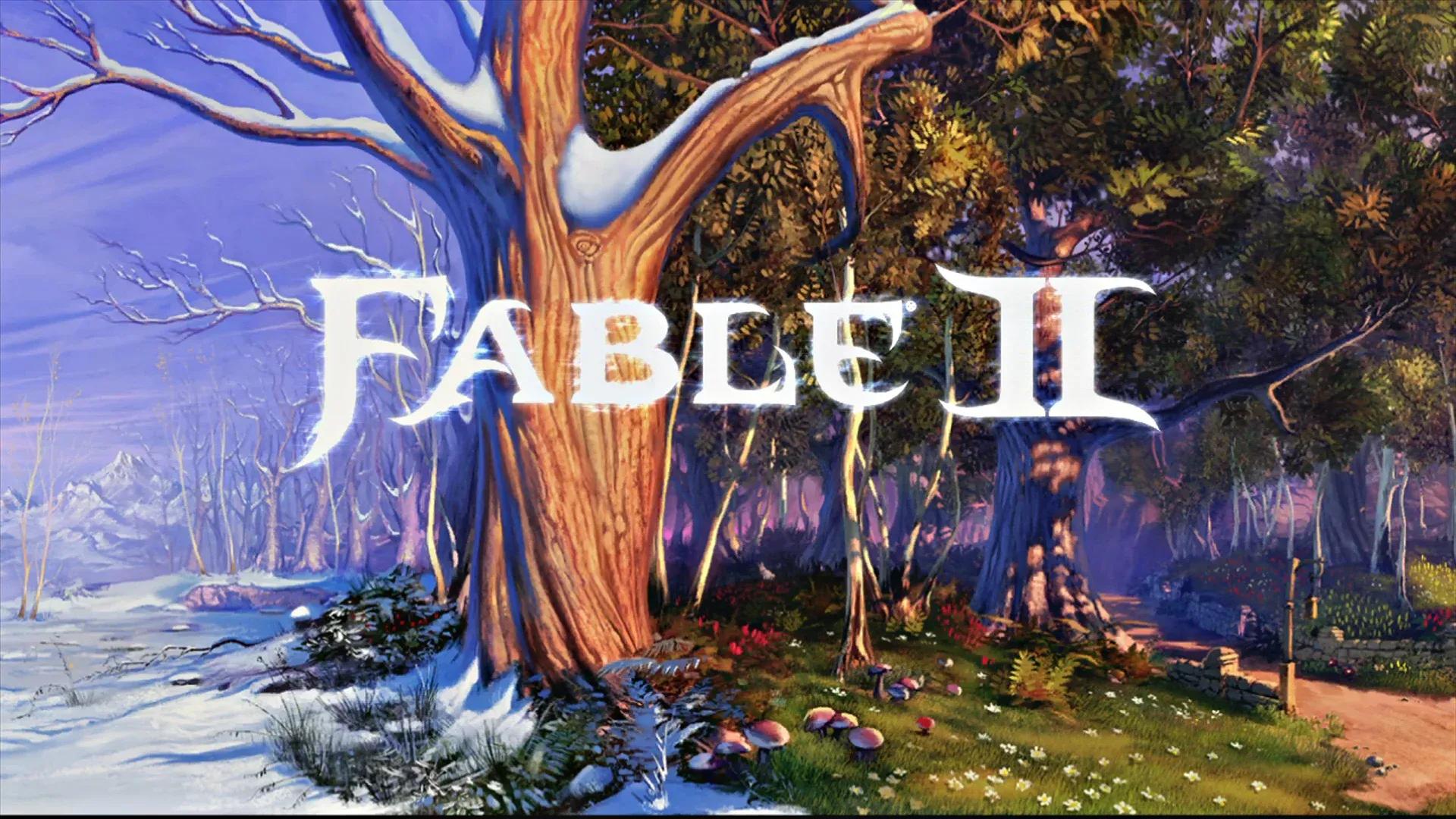

Most RPG morality systems hand you a flashing neon sign that reads "this is the evil choice." Fable 2 hid its most sinister option inside a property management screen and never said a word about it.
Released by Lionhead Studios in 2008, Fable 2 built on the original game's physical morality transformations but added something far more interesting underneath: a real-estate economy that quietly judged you for participating in it too aggressively. Buy a few homes, rent them out, and nothing happens. Corner the housing market across Albion and the game starts ticking your evil meter upward. No warning. No dramatic cutscene. Just a quiet acknowledgment that monopolizing shelter is, in fact, a villainous act.
How Albion turned capitalism into a morality system
The original Fable launched in 2004 with a morality system built on visual feedback. Do enough good deeds and your hero sprouts a halo. Lean into cruelty and the horns come out, citizens scattering as you walk through town. It was blunt by design, leaning into the series' whimsical tone and making moral alignment something you could literally see on your character's face.
Fable 2 kept that visual language but set its story 500 years later, with Albion moving into a colonial era. That shift gave Lionhead room to build something more layered. The expanded real-estate system let players purchase property across the game world, live in it, rent it out, or leave it empty. Most players picked up a house or two and moved on. The system had no hard cap on ownership, though. You could, if you wanted, buy every rentable property in the game.
Here's the thing: the game never tells you not to. There's no NPC warning you about market consolidation. No quest flagging the ethical implications. The morality consequence only surfaces after you've already crossed a threshold, which means players who discovered it likely did so by accident, mid-playthrough, suddenly noticing their hero edging toward evil for reasons that had nothing to do with combat or dialogue choices.
What most players miss about this design
The genius of this system is what it implies without stating. By assigning evil karma to housing monopolization, Lionhead embedded a specific political argument into the game's mechanics. Shelter is framed as a basic right. Profiting from its scarcity is framed as harm. The game doesn't lecture you about this. It just tracks your behavior and responds accordingly.
Compare that to the morality systems that dominated RPGs at the same time. Knights of the Old Republic gave you a Force alignment bar that moved based on whether you helped strangers or electrocuted them. Mass Effect tracked Paragon and Renegade points through dialogue selections, most of which were clearly labeled by tone and context. These systems were effective, but they were also transparent. You always knew which choice was which.
Fable 2's landlord mechanic worked differently because it hid the moral weight inside a system that looked purely mechanical. The real-estate screen doesn't look like an ethics test. That's what makes it memorable.
Fable 3 pushed the idea further, and the new Fable looks to continue it
Fable 3 took the non-traditional evil concept and built an entire game around it. Players led a revolution to overthrow a tyrant king, only to inherit the throne themselves and face impossible governing decisions. The line between heroism and cruelty blurred completely once you were the one signing the edicts.
The upcoming Fable reboot from Playground Games appears to be taking notes. Early looks at the game suggest it will feature fully unique NPCs, a returning real-estate system, and a world designed to react dynamically to player decisions. Whether that means Playground is bringing back the kind of quiet, systemic moral complexity that made Fable 2 stand out remains to be seen, but the ingredients are there.
For players who want to revisit what made the original morality design so interesting before the new game arrives, the Fable guides collection covers the mechanics worth understanding across the series. The new installment has a lot to live up to, and Fable 2's landlord system set a bar that most adventure games in the genre still haven't cleared.