
"We are operating at margins that are 3-10x lower than comparable platform and publishing businesses." That line, pulled directly from Asha Sharma's July 6 blog post announcing the Xbox reset, tells you everything about where Microsoft's gaming division stands right now.
The question everyone in the industry is asking is not whether Xbox will survive in its current form. It probably won't. The real question is what it gets broken into, and who picks up the pieces.
The math that makes a full Xbox sale nearly impossible
Microsoft paid $69 billion for Activision Blizzard alone. When you factor in Xbox's hardware division, its sprawling studio network, Game Pass infrastructure, and what remains of its first-party development pipeline, acquiring Xbox outright would likely cost a buyer hundreds of billions of dollars. There are very few companies on the planet with that kind of appetite, and analysts suggest even fewer with the gaming-specific expertise to absorb it without the whole thing falling apart.
Here's the thing: Xbox itself is openly admitting its business is not healthy. Sharma's reset memo revealed that over the past five years, Microsoft spent more than $20 billion on content, platform, and hardware investments, but annual revenue has actually declined by nearly half a billion dollars over that same period. The business ended its most recent financial year with a 3% profit margin, down year-over-year. That is not a number that makes acquisition conversations easy.
"We entered Gen 9 with a smaller install base and a higher cost structure," Sharma wrote. "To grow, we bet on Game Pass, multi-platform, and a broader portfolio of content. While those businesses have created meaningful value, they did not grow at the pace we expected."
Game Pass, the strategy Microsoft staked its entire generation on, reportedly sits at around 30 million subscribers. The internal projection had targeted 77 million by now.
Studios are already being sold off, one by one
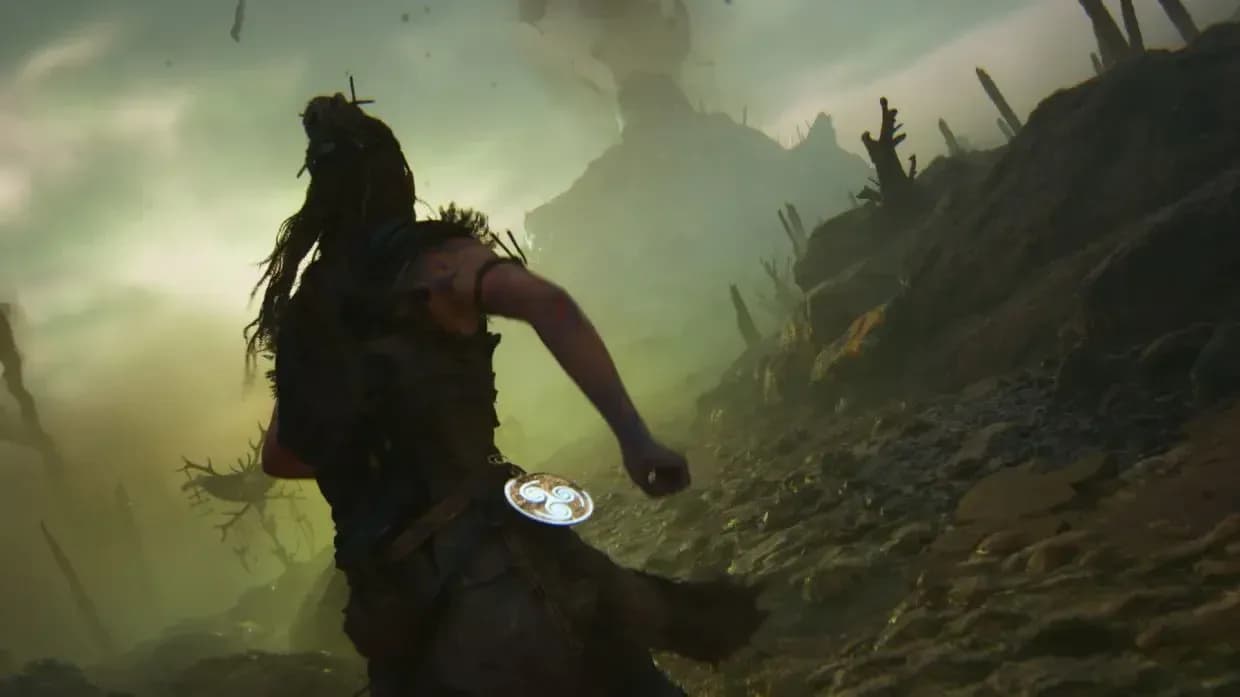
While a full Xbox sale looks unlikely, the piecemeal selloff is already well underway. Ninja Theory (Hellblade) and Undead Labs (State of Decay) have both been sold to undisclosed buyers. Double Fine and Compulsion Games have gone independent, taking their back catalogues and franchises with them. Arkane Lyon, the team behind Marvel's Blade, is reportedly on the block too, though the specifics of that deal remain unclear.
The restructuring has not been gentle. 1,600 staff were cut on a single Monday earlier this week, with another 1,600 expected to follow before the end of the current financial year. Four studios have formally left Xbox. Projects have been canceled. Obsidian Entertainment laid off roughly a quarter of its staff and had Avowed 2 canceled, with the studio now redirected toward a new Fallout game. id Software was significantly cut down. Staff at Bethesda Game Studios have raised concerns about the timeline and quality of The Elder Scrolls 6 following cuts there.
Yoshio Osaki, president and CEO of IDG Intelligence, put it plainly: individual studios, IPs, and teams being sold or spun off piecemeal is the most realistic scenario going forward.
Hardware costs are compounding the pressure
Microsoft recently raised the price of Xbox consoles, citing a more than 2.5x increase in console storage and memory component costs, with another doubling expected by fall 2027. The company described the current situation as "the most severe hardware crisis" in the industry's history.
That framing matters. If next-gen hardware (reportedly codenamed Project Helix) launches above $1,000 without a disc drive, Microsoft is essentially betting that a shrinking, price-sensitive console market will absorb a premium product from a brand that just gutted its first-party development pipeline. That is a difficult sell.
The reset plan also includes a reported push to make more Xbox games console exclusives again, reversing the multi-platform strategy that was supposed to drive Game Pass growth. Whether that reversal can actually rebuild console sales momentum is an open question.
What comes next for Xbox's remaining studios
Sharma's stated goal of accelerating new entries in The Elder Scrolls, Fallout, and Halo franchises is the optimistic read on all of this. The idea is that stripping out underperforming studios and projects frees up resources to double down on the franchises that still move hardware.
The pessimistic read is that the studios responsible for delivering those games just took significant cuts, and the talent that walked out the door this week is not coming back.
For players still invested in the Xbox ecosystem, the ROG Xbox Ally X remains one of the more interesting pieces of hardware in the current lineup. If you're getting the most out of it, the ChainStaff ROG Xbox Ally X settings guide covers the best power profiles for both 900p and 1080p play.
While the Xbox restructuring plays out, Microsoft's first-party games are still shipping. If you're looking for what's worth your time right now, check out our gaming guides for breakdowns on the titles still delivering, including the Rainbow Six Siege Solid Snake On-Site Procurement guide for players jumping into Operation Silent Hunt.