

New data from the Consumer Technology Association (CTA) shows that cross-platform gaming has become the norm for most players. The survey polled 2,703 U.S. adults and teens, finding that 61% of gamers now play across multiple devices rather than sticking to a single platform.
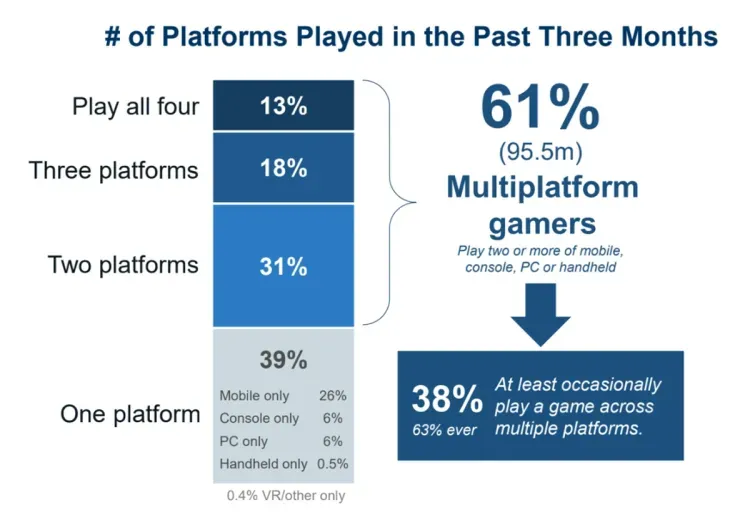
Number of Platforms Played in the Past 3 Months
Cross-Platform Gaming
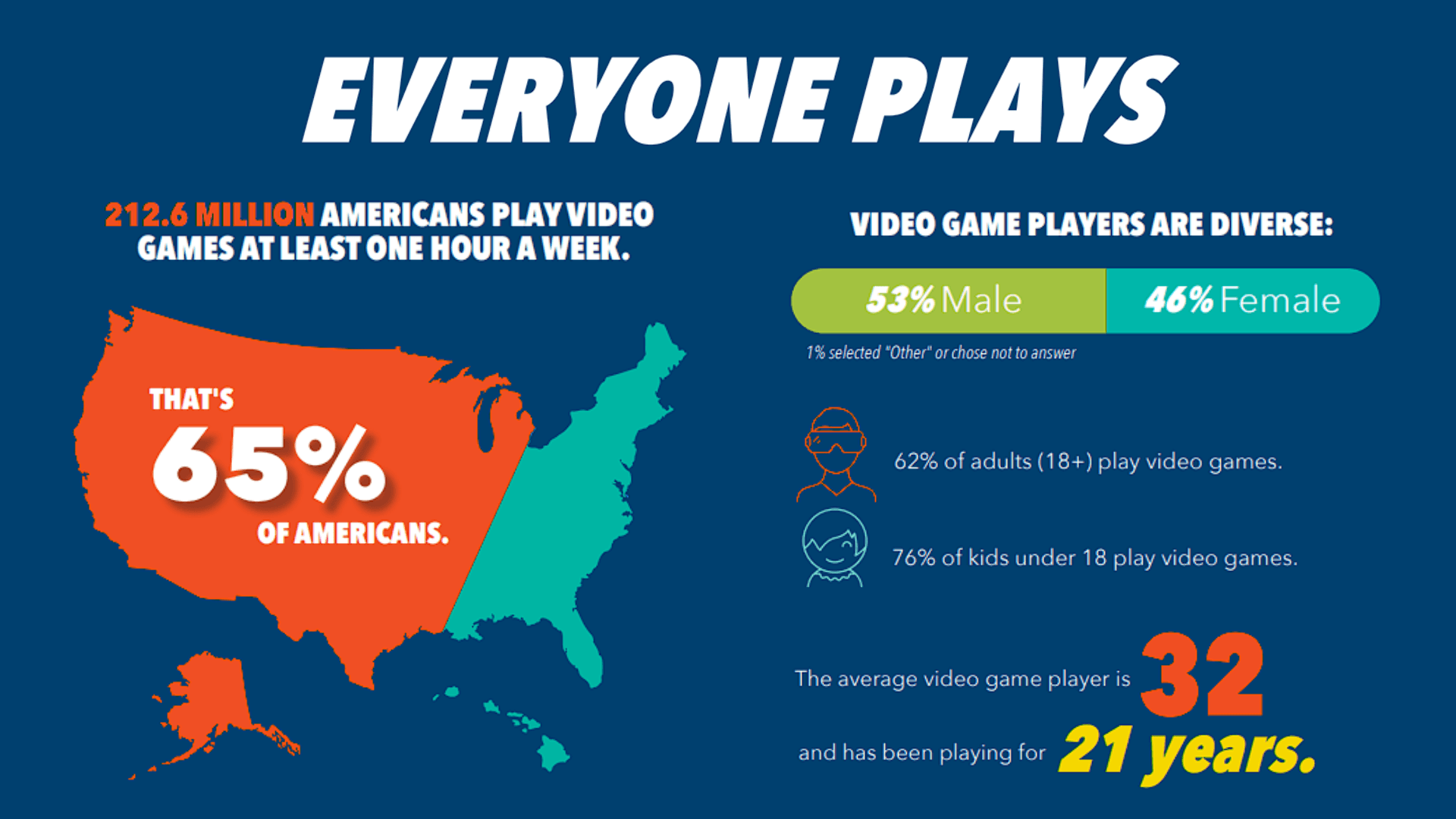
Gaming ranks as the second most popular entertainment activity in the U.S., trailing only TV and movies at home. For Gen Z and Millennials, gaming beats traditional media entirely. Over the past three months, 65% of Americans aged 13 and up—roughly 182.7 million people—played video games.
Mobile dominates as the primary platform for 49% of gamers, particularly among older casual players and women. Hardcore gamers, who make up 18% of the total gaming population, lean toward consoles and PCs. Among this group, 91% play on multiple platforms.
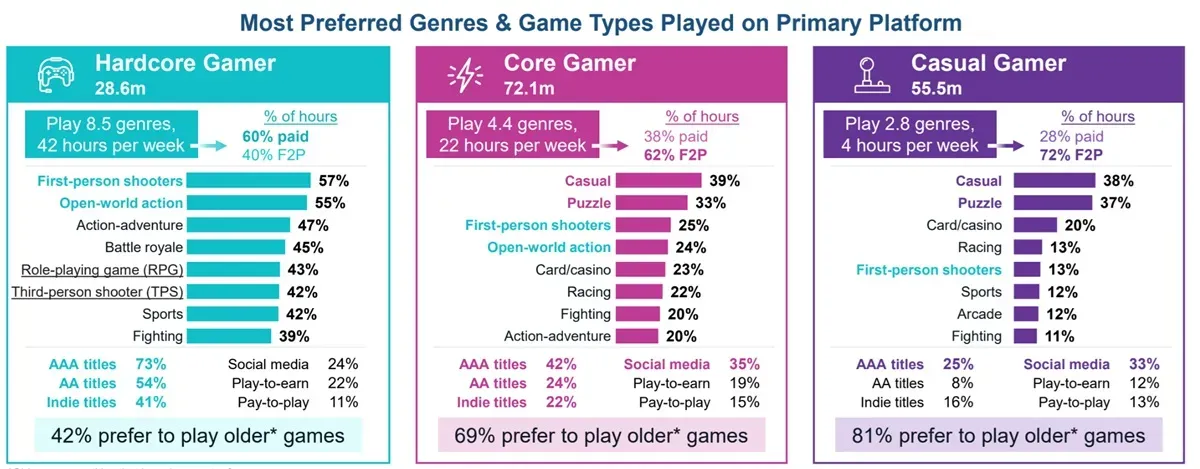
Most Preferred Geenres and Game Types Played on Primary Platform

Use code TRYHARD33 at checkout to redeem this offer before code expires again.
Get 33% Off GAMES+ Subscription
Gamer Demographics and Habits
The CTA breaks gamers into three categories:
Hardcore Gamers (18%)
Average age of 29, mostly young Millennials.
73% male.
Play an average of 42 hours per week.
Early adopters of VR and cloud gaming.
Core Gamers (46%)
Moderately engaged, less affluent.
Represent 72.1 million U.S. gamers.
Casual Gamers (36%)
Average age of 41, skewing older.
Least engaged, often playing on mobile platforms.
Gaming activity peaks during adolescence and early adulthood, then declines as other life demands take priority.
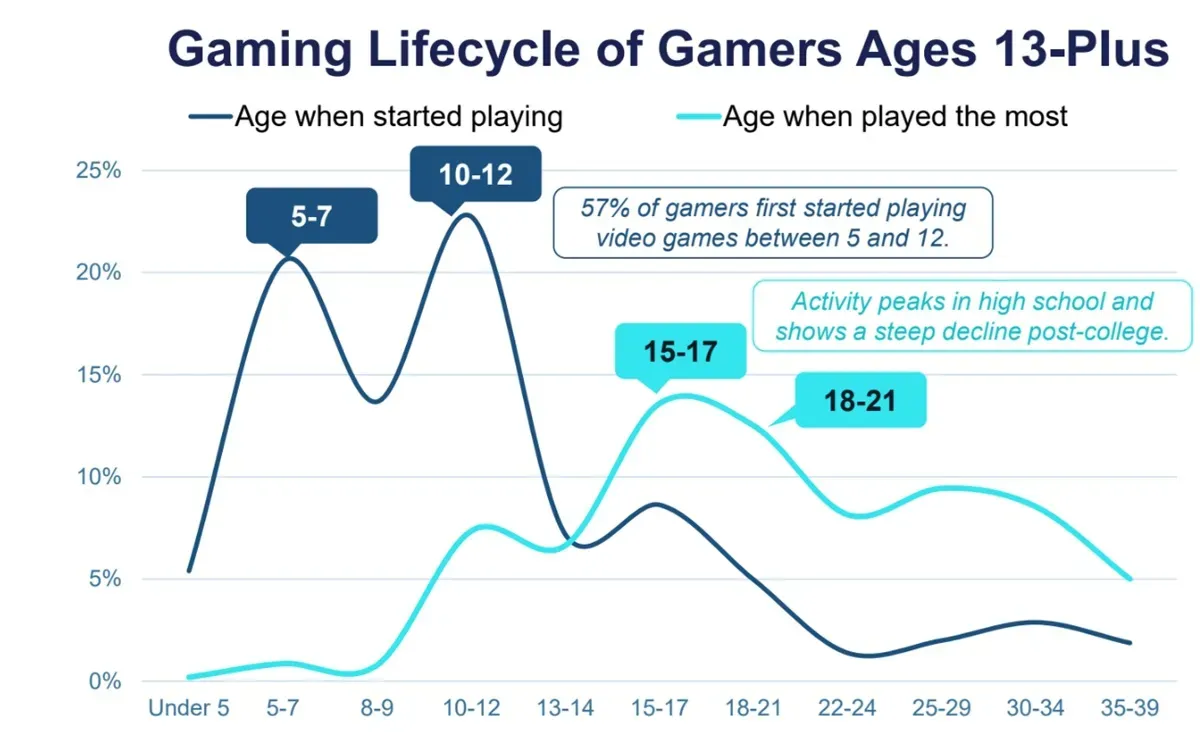
Gaming Lifecycle of Gamers Ages 13 Plus
Social and Technological Shifts
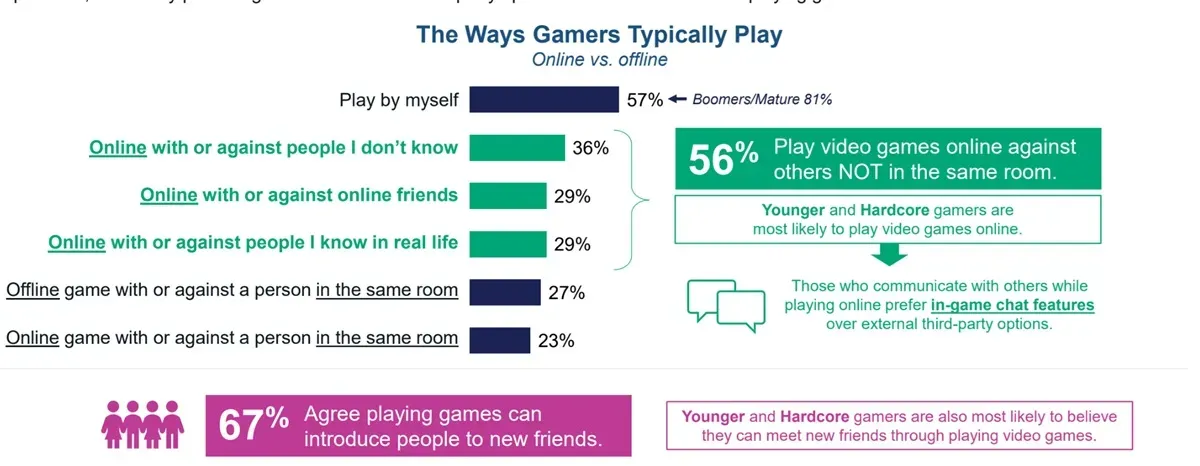
Gaming remains a social activity for 68% of players. Younger gamers drive multiplayer engagement, while older players prefer solo experiences. In-game communication tools are more popular than third-party apps, highlighting the value of built-in social features.
Players expect more live-service games and better social tools going forward. Gaming accounts for nearly 40% of leisure time, and many players also watch live streams and game-related videos regularly.
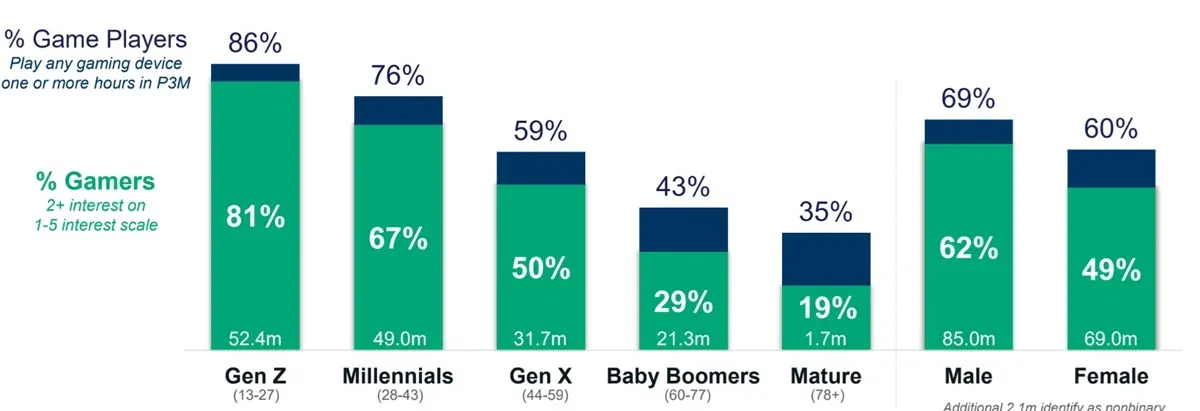
Types of Gamers
Industry Growth and Future Prospects
The gaming market continues to expand. 64% of gamers plan to buy new hardware within the next year, with gaming headsets among the most common planned purchases. VR interest remains limited due to high prices, but upcoming consoles like the Nintendo Switch 2 could drive hardware sales.
Digital gaming is growing, with 69% of gamers preferring digital downloads over physical copies. Subscription services are gaining ground, especially with younger players. 40% of gamers already subscribe to a service, and 29% are considering a subscription within the next year.
The Way Gaamers Typically Pay
Challenges and Accessibility
Affordability is still an issue. 41% of non-console players cite console pricing as a barrier. Accessibility features like colorblind-friendly graphics and broader representation in games are also priorities for many players.
The CTA survey highlights how cross-platform play, social connectivity, and new technology are reshaping the gaming landscape. The industry is becoming more inclusive and more central to entertainment as a whole.