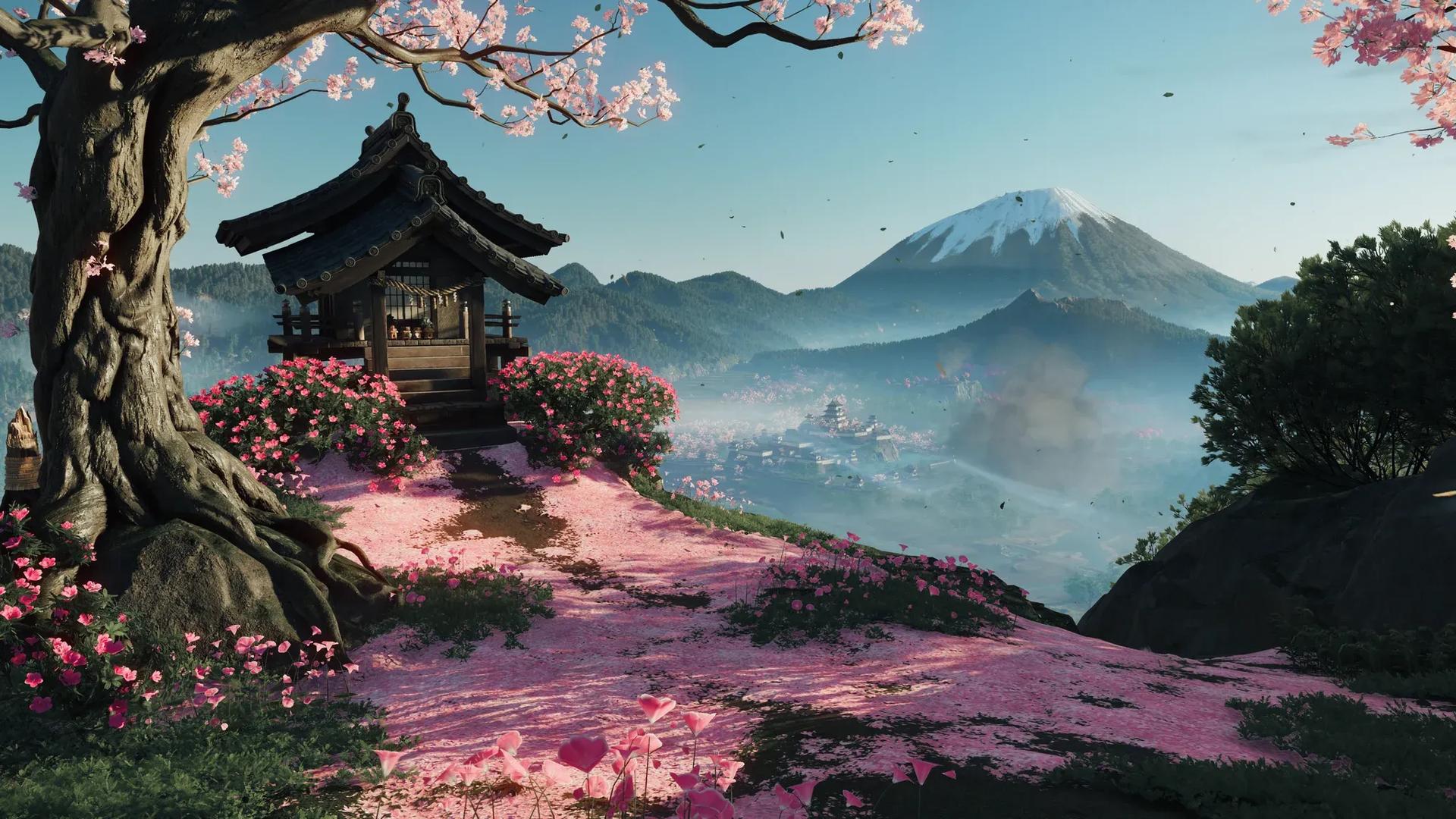

"We hope that people will learn about the scenery in spring, summer, and autumn through the game, and that this will lead to them actually visiting the town." That quote, from a Niseko town official, sums up exactly what is happening around Japan's Mount Yōtei right now.
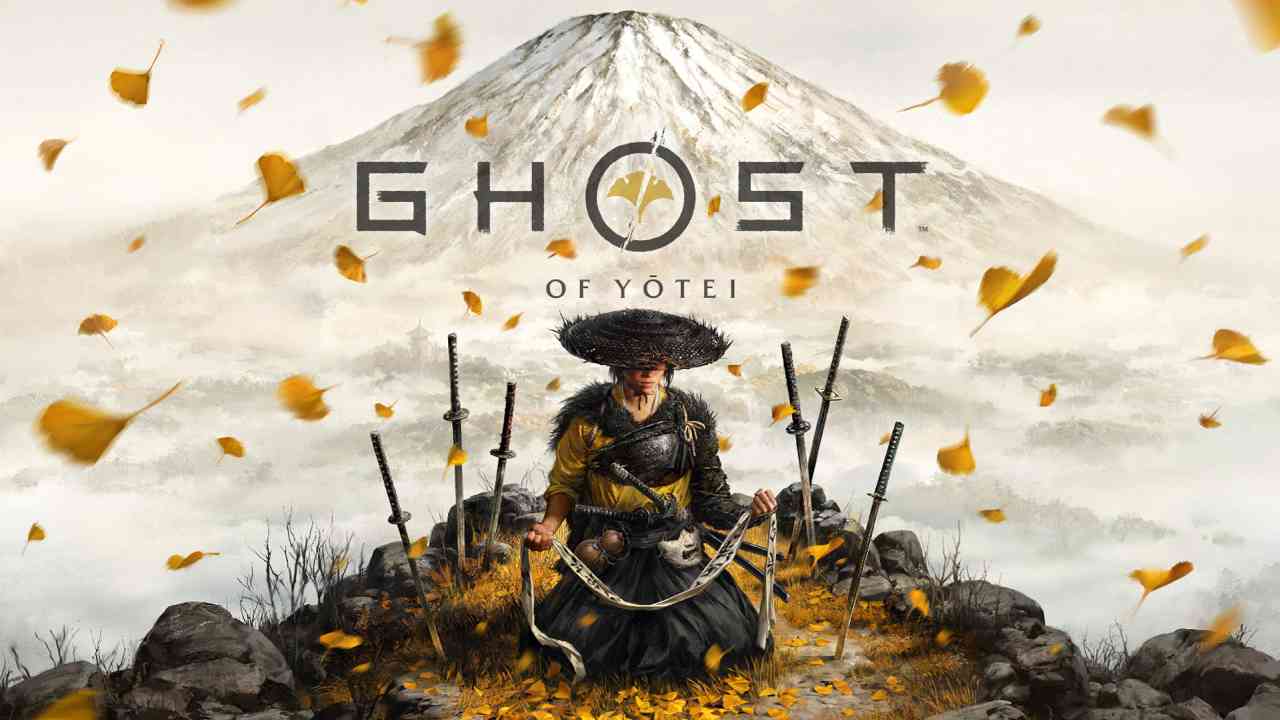
Ghost of Yotei, Sucker Punch's PS5 action-adventure set in 1600s Hokkaido, has done something that very few games manage: it has made people want to physically travel to the place it depicts. And the towns sitting in the shadow of the real Mount Yōtei are moving fast to make the most of it.
How seven towns are building a game-inspired tourism push
Seven towns and villages in the Mount Yōtei area, including Niseko and Kutchan, have coordinated to attract players who want to see the real terrain behind the game's Hokkaido setting. Niseko Town has already signed a formal partnership agreement with a major IP collaboration firm, giving it the rights to sell official Ghost of Yotei merchandise to visitors.
The first wave of products is already on shelves. Kumagera Seisakusho, a craft shop that works with timber sourced from Hokkaido forests, is selling pin badges and magnets featuring Ghost of Yotei imagery. The materials are local, the product is game-branded, and more collaborations with other regional businesses are reportedly in the works.
Beyond merchandise, Niseko is also looking at guided tours that visit locations depicted in the game's story. No confirmed dates yet, but the direction is clear.

The Tsushima blueprint, and why it worked
Here's the thing: this is not the first time a Sucker Punch game has done this. Ghost of Tsushima, released in 2020, triggered a genuine tourism boom on the real island of Tsushima. The island ran dedicated game-inspired tours, sold merchandise, and eventually made Sucker Punch's creative directors permanent tourist ambassadors.
The community response went further than anyone expected. In 2021, Ghost of Tsushima fans collectively raised more than $260,000 to help rebuild a shrine on the island. That kind of player-to-place connection is rare, and it clearly left a mark on the people who made the game.
Brian Fleming, Sucker Punch's former studio head, visited Tsushima around the time of Ghost of Yotei's launch and described the experience in detail. "Our tour guide brought tourists from UAE and Germany up to Kaneda Castle, which is mind-blowing, right? These people came all this way to do that," he said. "It's just so fulfilling."
Fleming was direct about whether the same thing might happen with Yotei: "Will the same thing happen with Yotei? I'm not sure, but I'm excited for the game to launch and for those stories to be in."
Given that Sony has stated Ghost of Yotei is outselling Ghost of Tsushima at the same point in its sales cycle, the conditions for a repeat are arguably stronger than they were in 2020.
What this means for the region long-term
The Tsushima precedent matters here because it shows the timeline. Tourism interest in Tsushima built gradually over years, not weeks. Niseko and the surrounding towns are getting ahead of that curve by establishing merchandise infrastructure and tour frameworks now, while the game is still generating conversation.
The key here is that the game's setting feels authentic to players. Ghost of Yotei depicts Hokkaido across seasons, and the Niseko official's comment about spring, summer, and autumn suggests the towns are thinking about year-round visitor appeal, not just a short promotional window.
For players already deep in the game, the Ghost of Yotei shrine locations guide is worth a look if you want to connect the in-game sacred sites to the broader cultural context that is now drawing real-world visitors to Hokkaido. The full Ghost of Yotei guides collection covers everything from masks to charms if you want to go deeper into the game's world while the tourism story continues to develop around the real one.