
Some developers leave a studio. Glen Schofield is leaving the entire industry. The creator of Dead Space and a key figure behind some of the most influential shooters of the last two decades has announced his retirement, closing the book on a career that put him in the room when modern gaming was being invented.
Schofield described his time in the industry with a line that hits harder than any press release could: "I had a front row seat to one of the greatest creative explosions in history." That is not hyperbole. The span of his career covers the birth of the survival horror genre as a mainstream force, the rise of Call of Duty as a cultural institution, and the full arc of games growing from a niche hobby into the dominant entertainment medium on the planet.
From Dead Space to the frontlines of Call of Duty
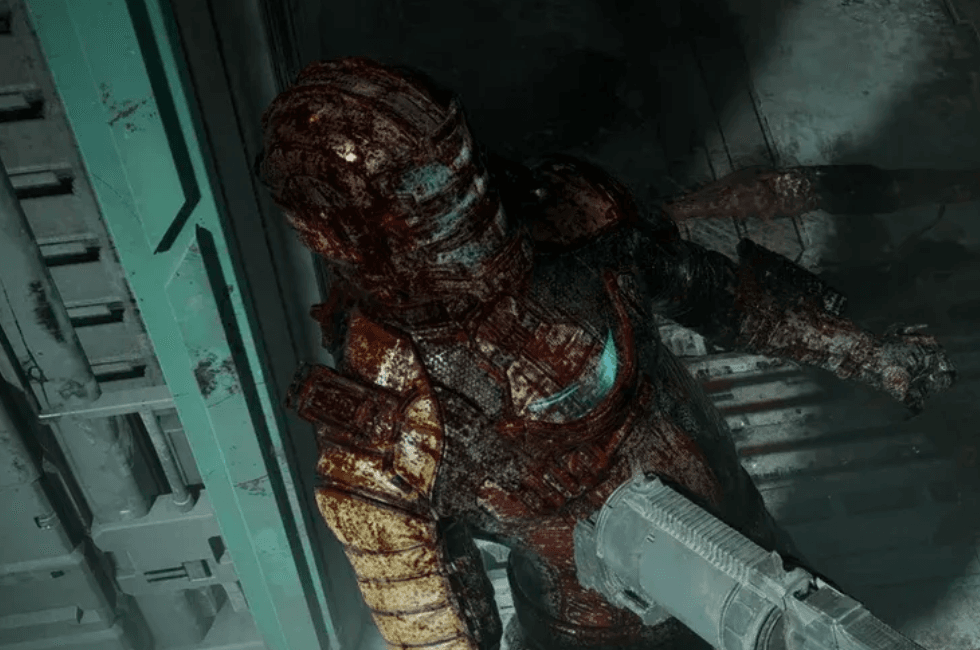
Schofield co-founded Visceral Games (then EA Redwood Shores) and directed the original Dead Space in 2008, a game that redefined what survival horror could feel like on a new generation of hardware. The strategic dismemberment system, the oppressive sound design, the zero-UI health display built into Isaac Clarke's suit: these were not just good ideas, they were ideas that other developers spent the next decade borrowing.
Here's the thing: Dead Space did not just succeed commercially. It proved that horror games could carry AAA production values and still be genuinely frightening. That mattered enormously for everything that came after it.
After Visceral, Schofield moved into the Call of Duty orbit, working at Sledgehammer Games, the studio he co-founded in 2009. Sledgehammer developed Call of Duty: Advanced Warfare and Call of Duty: WWII, two entries that between them sold tens of millions of copies and pushed the franchise in noticeably different tonal directions. Advanced Warfare leaned into near-future spectacle; WWII pulled the series back to its roots with a grounded, emotional campaign that connected with players who had grown tired of the franchise's sci-fi phase.
His most recent major project was The Callisto Protocol, a spiritual successor to Dead Space released in 2022 through his studio Striking Distance. The game drew direct comparisons to his earlier work, for better and worse, and demonstrated that Schofield's instinct for atmospheric horror had not dulled.
What most players miss about this retirement
Retirements from senior developers tend to get filed under routine industry churn. Schofield's is different. He represents a specific generation of game directors who built their careers during the PS2-to-PS3 transition, a period when budgets exploded, audiences expanded by hundreds of millions of players, and the creative risks being taken were enormous precisely because nobody fully understood what the new hardware could do.
That era produced Dead Space, BioShock, Uncharted, and the original Mass Effect trilogy within a few years of each other. Schofield was not just present for that window. He was one of its architects.
The survival horror genre he helped define is still thriving. Games like Hollowbody are carrying that fixed-camera, resource-scarce torch to new platforms, and if that style of horror interests you, the Hollowbody before you buy guide breaks down exactly what to expect before you commit.
The industry Schofield is walking away from
Gaming in 2026 looks nothing like the industry Schofield entered. Studios are larger, development cycles are longer, and the commercial pressure on any single release has intensified to a degree that makes the risks taken during the Dead Space era look almost quaint by comparison.
Schofield's retirement lands during a period of significant industry consolidation and layoffs. The generation of directors who built their names in the mid-2000s are increasingly stepping back, retiring, or pivoting to smaller projects. Their exits raise a real question about where the next wave of directors with that kind of creative authority will come from.
His own words frame it well. A front row seat to a creative explosion implies the explosion has, at least in his view, settled into something different. Whether that is a natural maturation or a loss of something specific is a conversation the industry will be having for a while.
For players who want to keep track of what's next in gaming across all genres, our guides hub covers the titles and trends worth paying attention to as this next chapter takes shape.