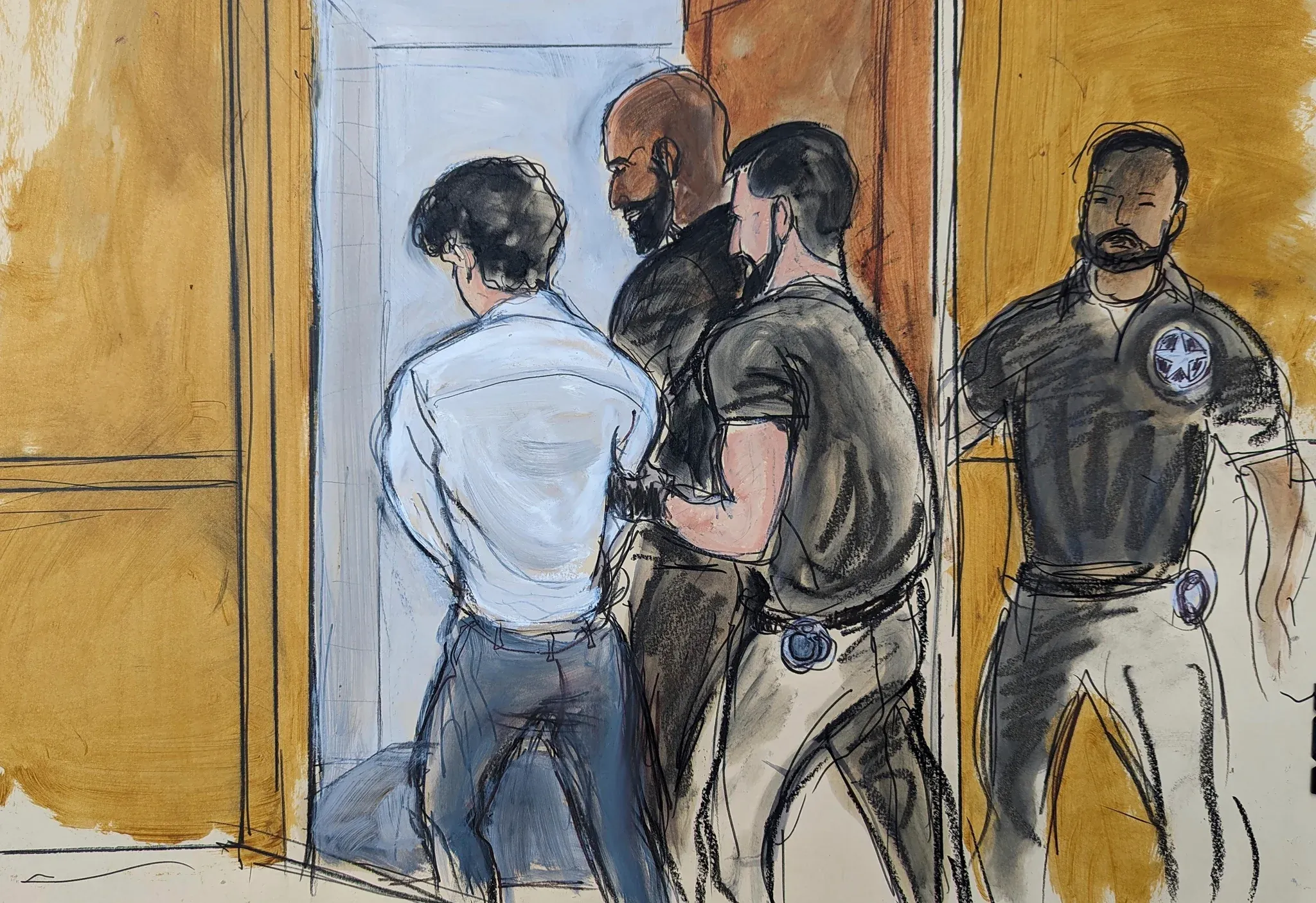


Christopher Alexander Delgado, the 34-year-old CEO of Goliath Ventures, has pleaded guilty to conspiracy to commit wire fraud, wire fraud, and money laundering after running one of the more brazen crypto fraud operations in recent memory. His firm collected between $328 million and $400 million from over 1,000 investors, promised monthly returns of 3 to 8 percent through crypto liquidity pools and DeFi strategies, and deployed roughly $1 million of it into actual investments. The rest funded mansions, Lamborghinis, Rolexes, and corporate events.
Delgado admitted in his plea agreement to causing approximately $250 million in investor losses. He was arrested on February 24, 2026, entered his guilty plea in late June 2026, and now faces a sentencing range of 20 to 50 years.

Use code TRYHARD33 at checkout to redeem this offer before code expires again.
Get 33% Off GAMES+ Subscription
From Gen-Z Venture Firm to federal courtroom
Goliath Ventures was not always called that. The company previously operated as Gen-Z Venture Firm before rebranding and setting up shop in downtown Orlando, Florida. The rebrand came with a sharper pitch: access to crypto and Bitcoin mining opportunities, with liquidity pool investing as the headline strategy.
Here's the thing about liquidity pools specifically: they are a real, functional DeFi mechanism. Investors deposit assets into smart contracts that facilitate trading on decentralized exchanges, earning a share of transaction fees in return. It is a legitimate strategy with genuine yield potential, which is precisely what made it a convincing vehicle for fraud. Delgado was not inventing fictional technology. He was wrapping a Ponzi structure around something real enough to sound credible.
The numbers tell the rest of the story. Of the hundreds of millions raised, approximately $1 million went into actual liquidity pools. That is roughly a quarter of one percent of total funds raised. Early investors received payouts funded by newer investor capital, which kept the scheme running from January 2023 through January 2026.
The scale that kept it running for three years
Pulling in $328 million to $400 million from over 1,000 investors is not a solo operation. Goliath Ventures had a physical address, a rebranded corporate identity, and enough organizational infrastructure to sustain the scheme for three full years before federal investigators closed in. That operational scale is what separates this case from a typical one-person crypto scam.
The case also has potential connections to the My Liquidity Partner scheme from 2022, suggesting Delgado may have been embedded in or studying a broader network of crypto fraud before launching his own operation. Federal prosecutors are now pursuing civil forfeiture of eight properties, 11 vehicles, and a collection of luxury goods tied to the fraud proceeds.
For context on how this compares to other large-scale fraud: Bernie Madoff at least constructed elaborate paper trails of fake trades to maintain the illusion of legitimacy. Delgado's operation apparently skipped that step entirely, investing almost nothing while generating enough apparent credibility to keep the fundraising pipeline open for 36 months.
What the blockchain actually makes possible
The uncomfortable detail buried in this case is that blockchain technology should have made this fraud easier to detect. Every transaction on a public chain is auditable. A firm genuinely deploying capital into liquidity pools can demonstrate wallet addresses, transaction histories, and verifiable on-chain positions at any time.
Goliath Ventures apparently never faced serious investor demands for that kind of verification. That is a data point about investor behavior, not just fraudster behavior. The tools to verify claims like these exist and are freely accessible to anyone with an internet connection.
The web3 space has legitimate products, real yield mechanisms, and projects worth following closely. If you want to see what transparent, verifiable on-chain participation actually looks like in practice, check out our gaming guides covering web3 games that publish their reward structures publicly. For a contrast in how legitimate crypto gaming mechanics work, the King of Destiny Minotaur Labyrinth event guide breaks down exactly how $GOD token rewards are earned and distributed, with no promises of guaranteed returns.
Sentencing will set a precedent
Delgado's sentencing date has not been announced, but the 20 to 50 year range is significant. Prosecutors and defense attorneys across the country are watching to see whether federal judges treat large-scale crypto fraud with the same severity as traditional securities fraud at comparable dollar amounts.
A sentence at the upper end of that range would send a clear signal. The roughly 1,000 investors waiting on recovery outcomes will also be tracking the civil forfeiture process closely. Eight properties and 11 vehicles represent real assets that could partially offset losses, but $250 million in admitted investor harm against a portfolio of luxury goods is a wide gap to close.
For anyone curious about the legitimate side of crypto gaming and how transparent reward systems actually function, our Gamble With Your Friends before you buy guide is a useful example of how verifiable mechanics get documented and explained to players before they commit.