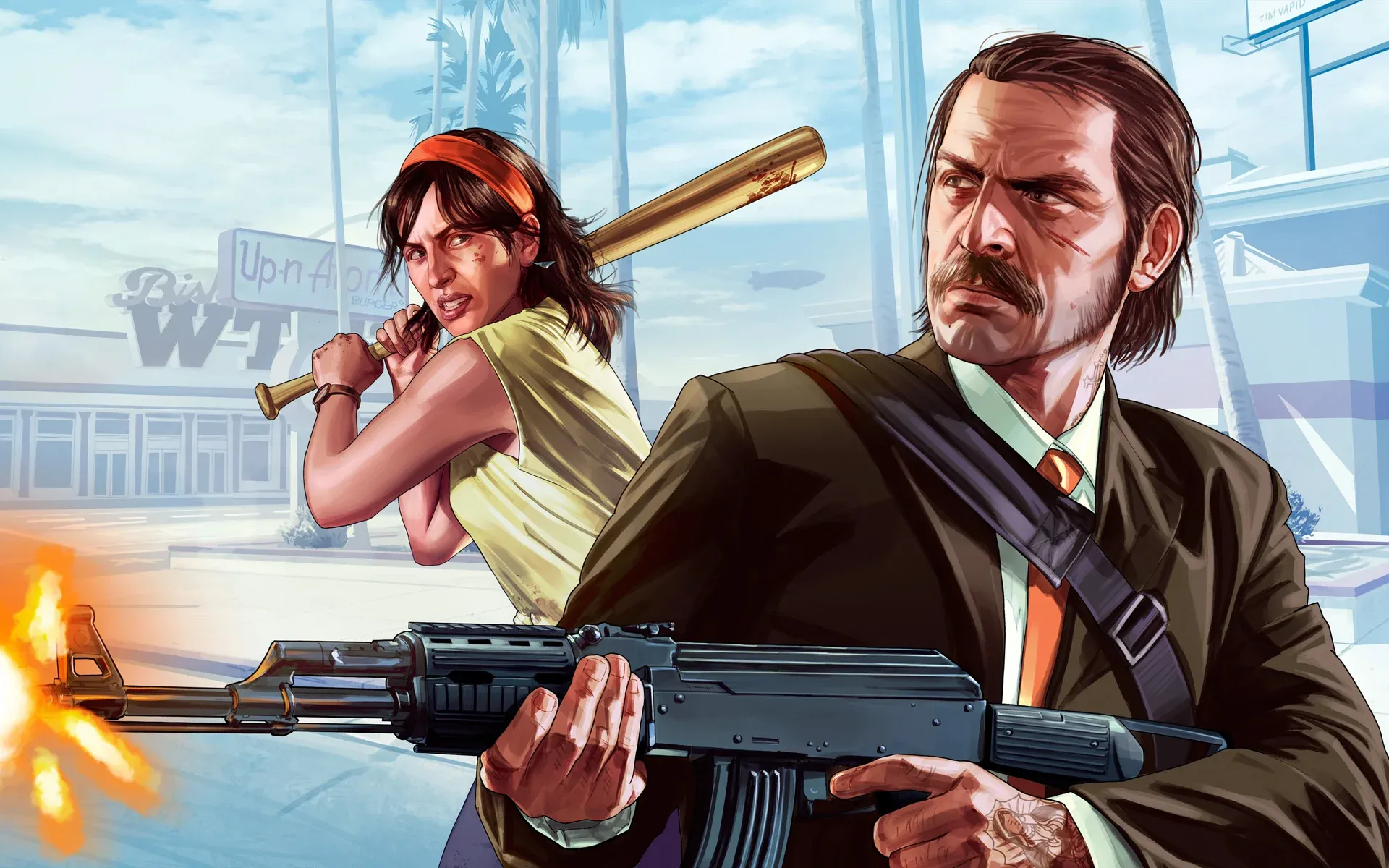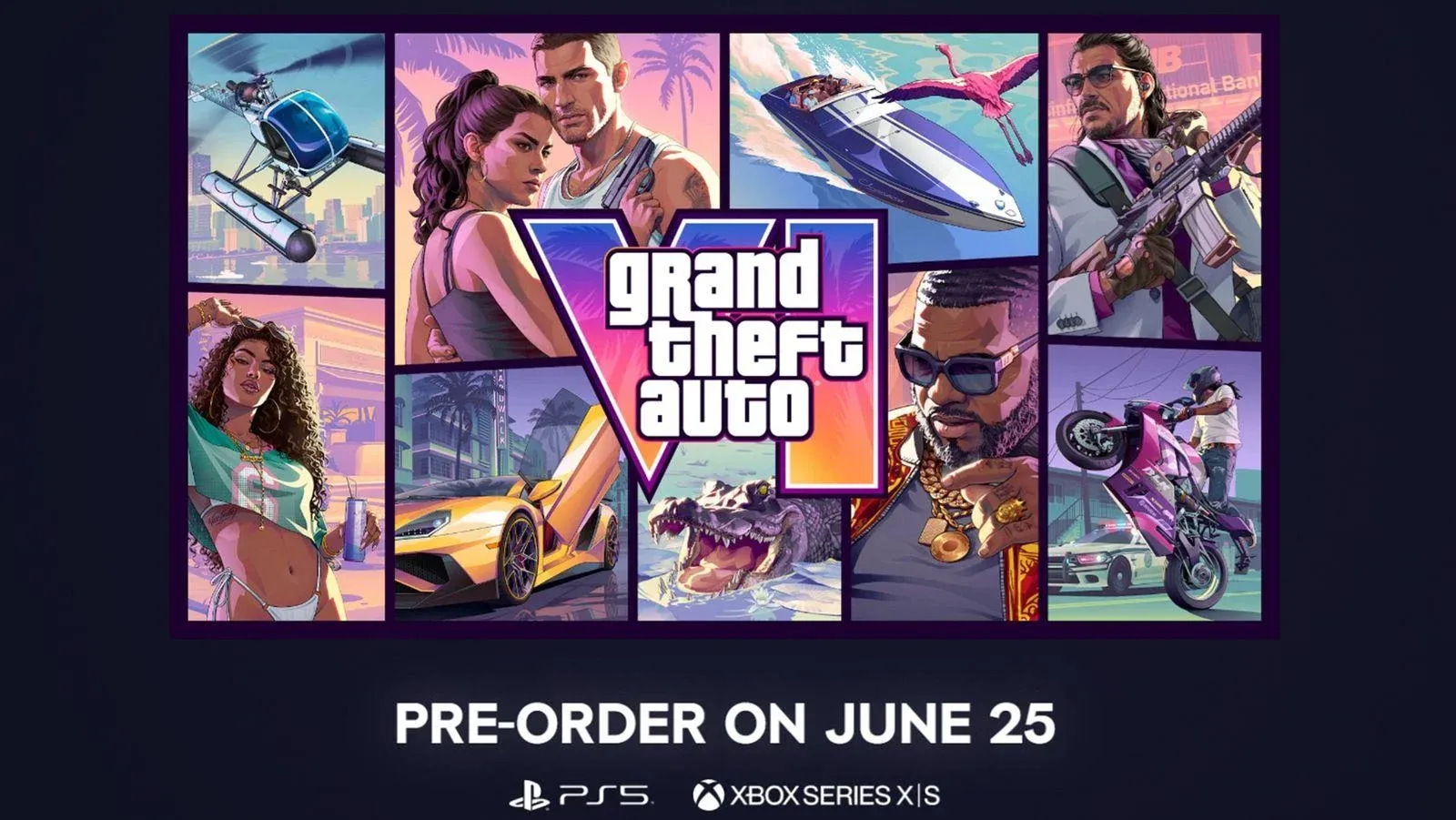


$80 for a base game. $100 for the Ultimate Edition. When Grand Theft Auto 6 revealed its pricing alongside preorders, the number that got the most attention wasn't the one on the box. It was the question that followed: if Rockstar can charge this, who's next?
How $80 became the new normal
Nintendo moved first. Mario Kart World launched at $80 in 2025, and while the backlash was loud, Nintendo operates in its own closed ecosystem. Platform exclusivity gives it a certain amount of pricing immunity that multi-platform publishers simply don't have. GTA 6 is different. It lands on PS5, Xbox Series X, and eventually PC, which means its pricing logic bleeds across the entire AAA market.
Here's the thing: $80 for GTA 6 is, on its own terms, defensible. The game represents over a decade of development, a budget that reportedly dwarfs any previous Rockstar project, and a cultural footprint that no other release this year can touch. Analyst Neil Barbour put it plainly, warning that the push to $80 "flirts with the same negative feedback loop that engulfed recorded music, cable TV, and film exhibition over the past two decades." His concern isn't the GTA 6 price in isolation. It's what happens when other studios treat it as a floor rather than an exception.
That feedback loop looks like this: higher prices lead to fewer buyers, fewer buyers lead to slower revenue growth, and slower growth pushes publishers to raise prices again to compensate. The end result isn't a healthier industry. It's a smaller one.
The hardware problem nobody is talking about
The $80 sticker price is only part of the cost calculation. GTA 6 arrives with system requirements that push current-gen hardware hard, particularly on PC. For players sitting on mid-range rigs that run most non-AAA titles without issue, the real question isn't just whether to spend $80 on the game. It's whether to spend several hundred dollars more on a hardware upgrade just to play it properly.
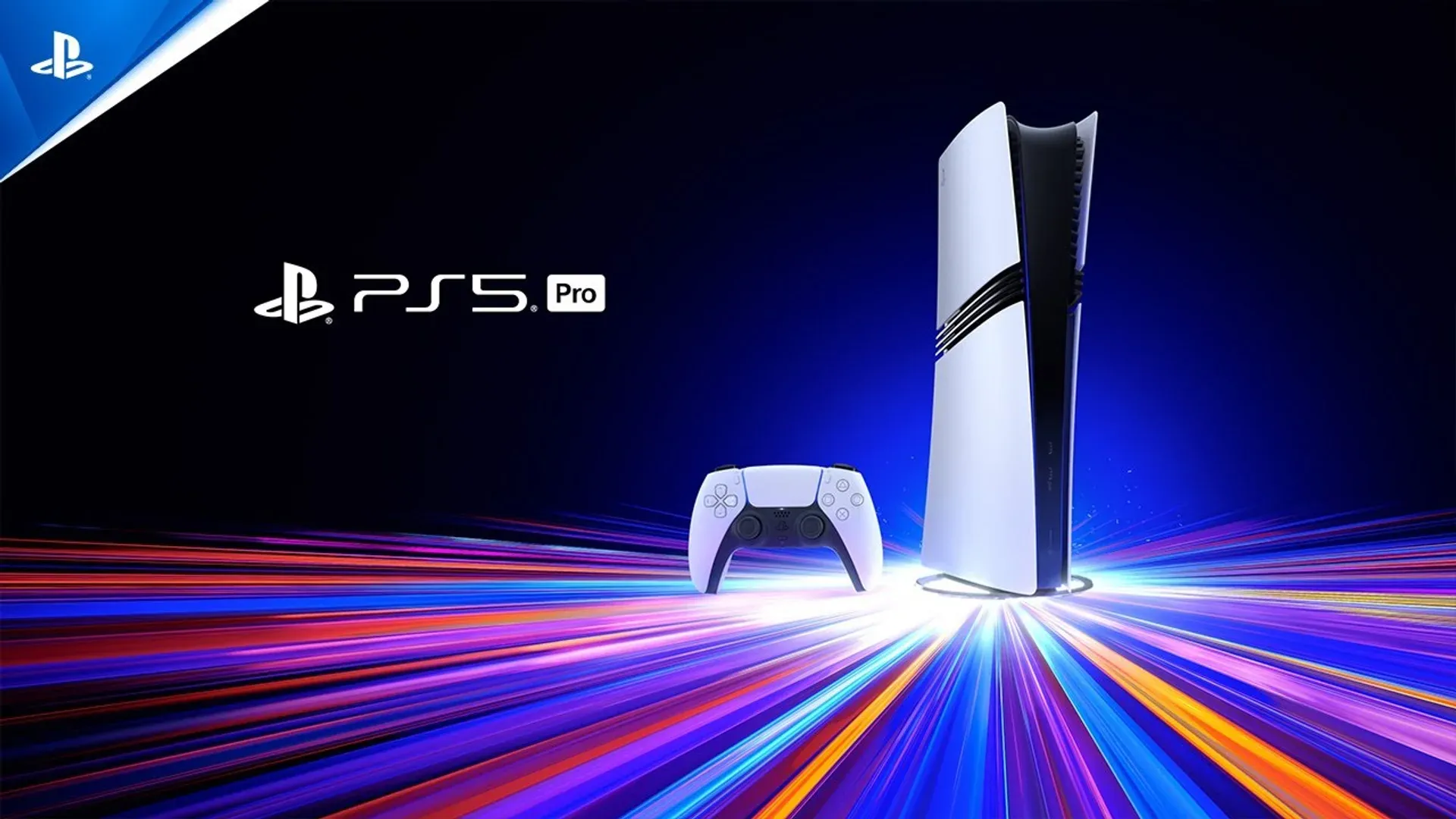
That math gets uncomfortable fast. A PS5 Pro runs around $700. A meaningful PC upgrade to hit GTA 6's recommended specs adds up to a similar figure, sometimes more depending on your starting point. Stack an $80 game on top of that and you're looking at close to $800 before you've loaded the first cutscene.
What most players miss is that this isn't a one-time calculation. If $80 becomes the standard for major AAA releases, that cost compounds across a year of gaming. Two or three big releases at that price point, each potentially requiring hardware capable of running them at their intended quality, turns gaming into an increasingly expensive hobby at exactly the moment when subscription fatigue and the cost of living are already squeezing budgets.
Why Rockstar is the exception that proves the rule
The key here is understanding what makes GTA 6 unusual. Rockstar hasn't released a mainline GTA entry since 2013. The gap between GTA 5 and GTA 6 is over 12 years. That kind of scarcity creates demand that almost no other publisher can manufacture. Call of Duty drops annually. EA Sports titles arrive on a yearly cycle. Neither franchise has the cultural gravity to justify $80 with the same straight face that Rockstar can.
That said, publishers watch pricing signals closely. Bank of America analysts have already argued publicly that GTA 6's price should be used as justification for the wider industry to raise its own. The argument is that players will absorb higher prices because they love games. That framing treats player loyalty as a resource to extract rather than a relationship to maintain.
The more realistic picture is a split market. Tentpole releases from studios with genuine legacy IP and multi-year development cycles may sustain $80. Everything else will face much more resistance. Players who feel priced out of the premium tier won't stop gaming. They'll shift toward indie titles, older games, and subscription services that offer better value per hour. That's already happening, and a permanent $80 ceiling on AAA games accelerates it.
What this actually means for your wallet
For anyone planning around GTA 6's launch, the GTA 6 editions and pre-order bonuses guide lays out exactly what each tier includes and whether the premium is worth it for your playstyle. The short version: the standard edition at $80 is the complete game. The Ultimate Edition adds cosmetic and content bonuses that don't affect the core experience.
The broader question is harder to answer. If 2027 brings three or four more releases attempting to hold the $80 line, the cumulative pressure on players will be real. Studios that price on Rockstar's model without Rockstar's track record are taking a risk. Players have options, and the backlog of excellent games available at $20 or less has never been longer.
GTA 6 will sell regardless. The more interesting story plays out over the next 18 months, as other publishers decide whether to follow the price or hold the line.