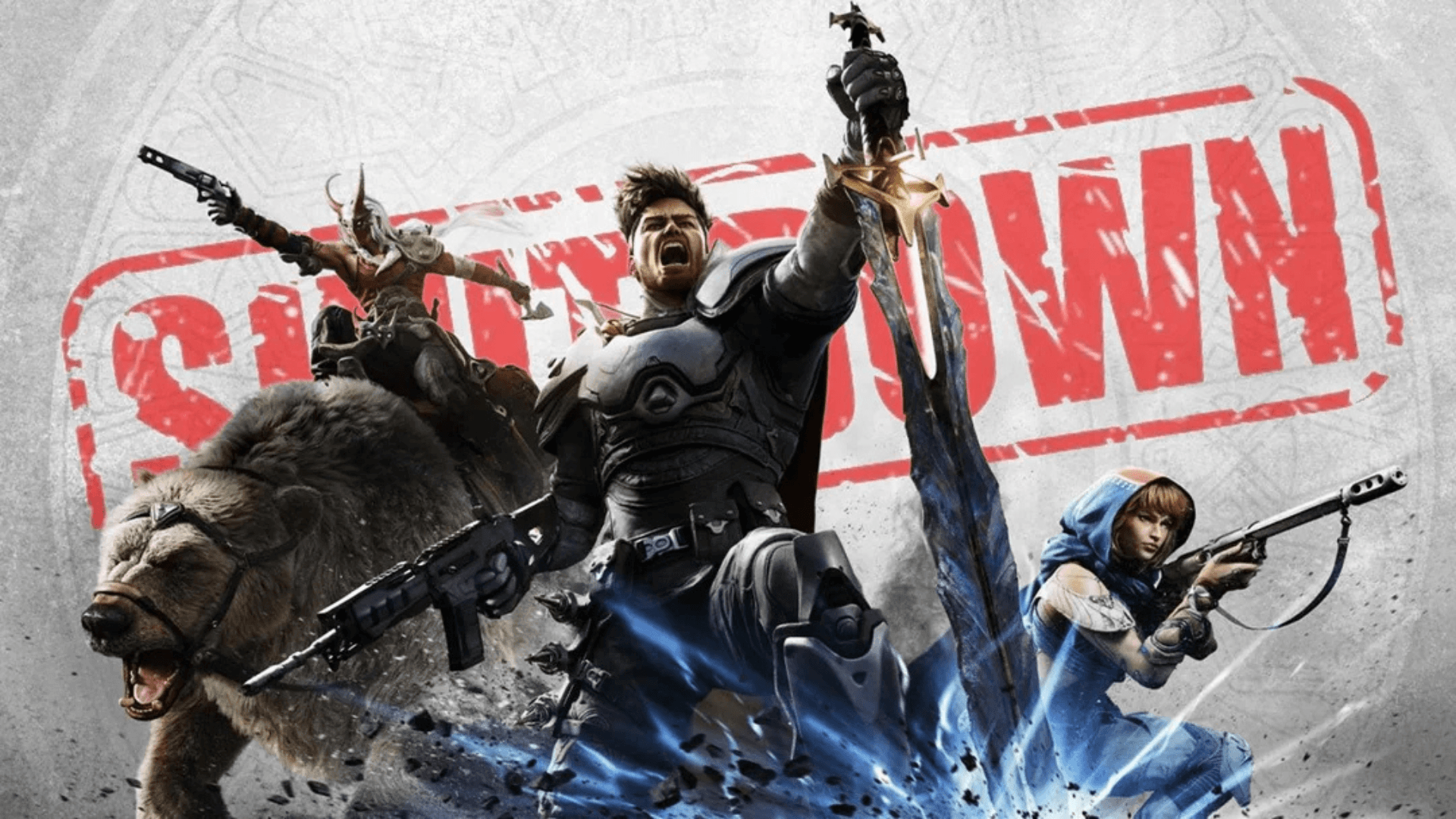


Wildlight Entertainment's Highguard pulled the plug on March 12, 2026, after just three months online. The live-service multiplayer shooter never broke through to mainstream audiences, but it found a niche among players who wanted something less frantic than the usual competitive fare. For a small group of fans, Highguard hit differently than the genre's dominant titles.
A brief spotlight, then silence
Highguard got some buzz at The Game Awards 2026, but the momentum didn't hold. Up against juggernauts like Overwatch, Valorant, and Marvel Rivals, the game couldn't carve out enough space. Most players found it too slow or too plain. The ones who stuck around, though, appreciated exactly that: a team shooter that didn't demand your full attention every second.
Straightforward by design
Highguard kept things simple. Loot chests, grab crystals, plant the Shieldbreaker at the enemy base. No skill trees to optimize, no creep waves to manage, none of the layered strategy that defines games like Dota 2. You could drop in, play a few rounds, and log off without feeling like you needed a tutorial refresh. That lack of complexity made it easy to pick up with friends who weren't trying to climb ranked ladders.
Heroes, guns, and rideable animals
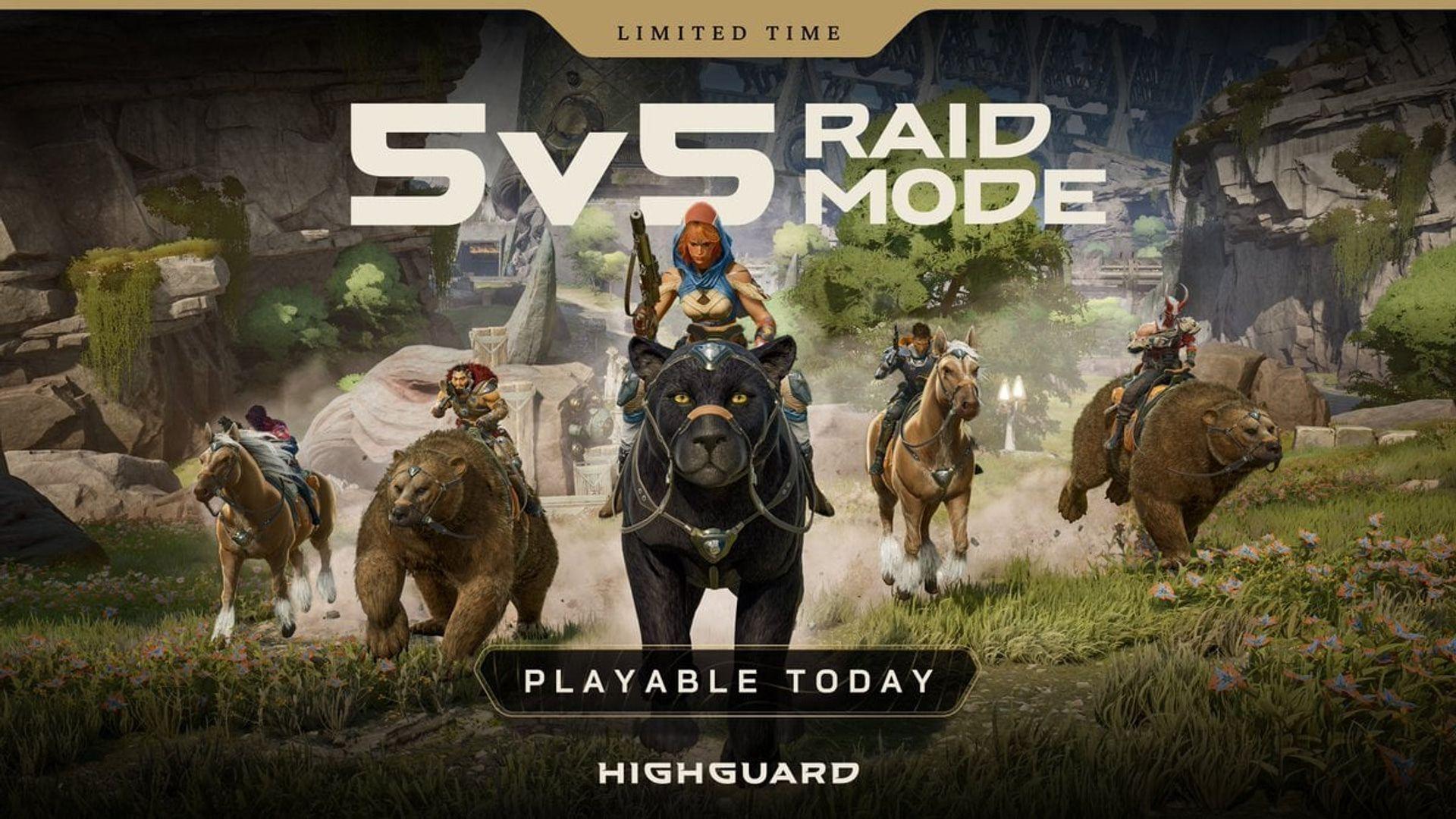
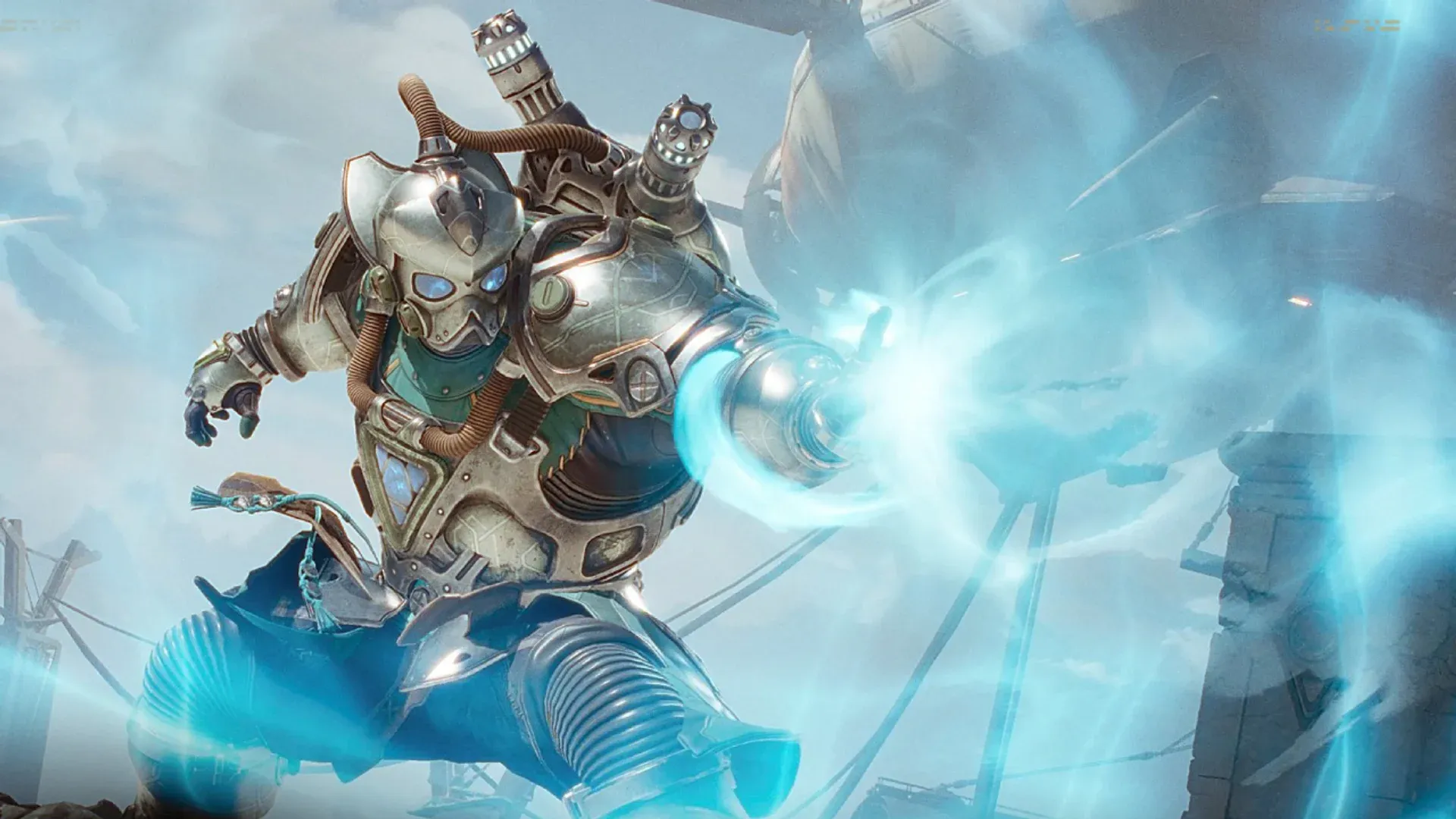
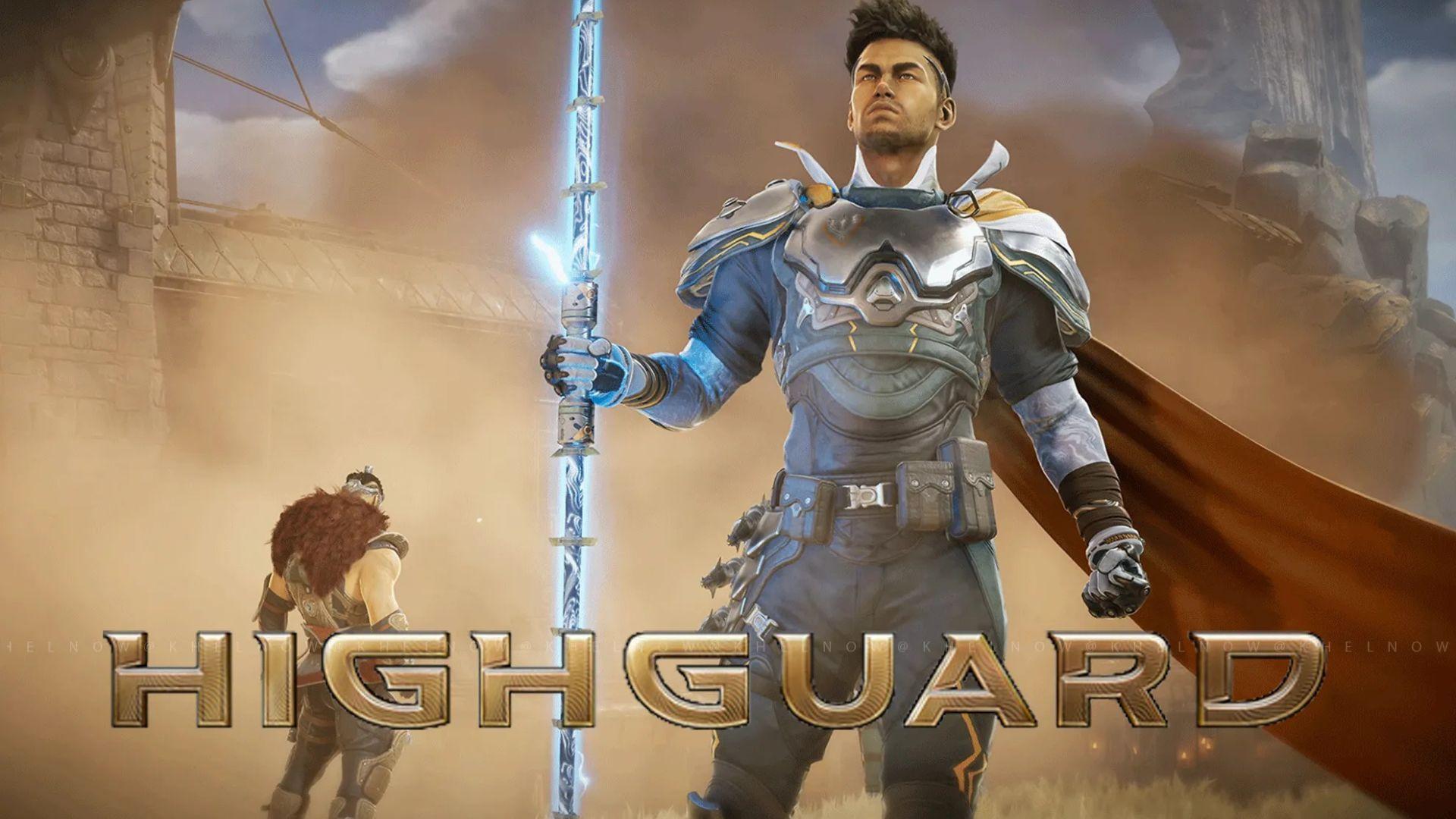
The hero roster included standouts like Condor and Una, each with distinct kits. Weapons such as the Vanguard and Kraken let you tailor your loadout to your playstyle. The real hook was the mount system. Summon an animal mid-match, ride across the map at speed, and fight other players who were doing the same. Mounted combat was messy and fun, a chaotic break from standard gunfights that required decent timing and team coordination.
A small community, a chill vibe
Highguard never had big numbers, but the players who showed up regularly liked what it offered. Matches felt relaxed compared to the sweaty intensity of most competitive shooters. You could run objectives with a squad of friends, mess around on mounts, and not feel like every loss was a disaster. For players looking to avoid the grind, it was a low-stakes alternative that still delivered solid team-based action.
When the servers go dark
The shutdown highlights the fragility of live-service games. Once the servers close, the game ceases to exist. No offline mode, no preservation, just memories. Even a short-lived game can leave an impression if it gives players something worth remembering. For the people who spent time in Highguard, it was a decent way to spend a few evenings with friends before it vanished.
Check out our gaming gear guides:
Best Apple Products for Gaming
Best Nintendo Switch Accessories
Best Gaming Androids (phones)
Frequently Asked Questions (FAQs)
Why did Highguard shut down so quickly?
The player base never grew large enough to justify keeping the servers running. Live-service games need consistent engagement to cover operational costs, and Highguard couldn't compete with bigger names in the genre.
What made Highguard different from other shooters?
It leaned into slower matches with simpler objectives. The mount system let you traverse maps quickly and fight while riding, which set it apart from most team shooters.
Was Highguard similar to other games like Dota 2 or Overwatch?
Not really. It borrowed team-based structure but skipped the complexity. No leveling systems, no NPC management. You could jump in and play without needing to study mechanics.
Can you still play Highguard after March 12, 2026?
No. The servers are offline permanently. The game is gone.
Why do some players remember Highguard fondly?
It offered something different: casual pacing, solid teamplay, and memorable moments without the pressure of ranked grinding. For the players who connected with it, that was enough.