Netflix's proposed 82.7 billion dollar acquisition of Warner Bros., immediately followed by Paramount Skydance's 108 billion dollar hostile counterbid, represents one of the biggest entertainment consolidation stories in recent memory. But look closely at either pitch deck and you'll notice something: gaming barely gets mentioned. For an industry that once watched Netflix name Fortnite as direct competition, the omission feels deliberate. The real question is whether this represents a missed opportunity for Hollywood or proof that gaming has already moved beyond needing traditional media's approval.
Either way, the gap between what these companies say about games and what their user data shows reveals a fundamental disconnect about where interactive entertainment fits in the modern media landscape.
Use code TRYHARD33 at checkout to redeem this offer before code expires again.
Get 33% Off GAMES+ Subscription
Netflix pulls back on gaming investment while player numbers climb
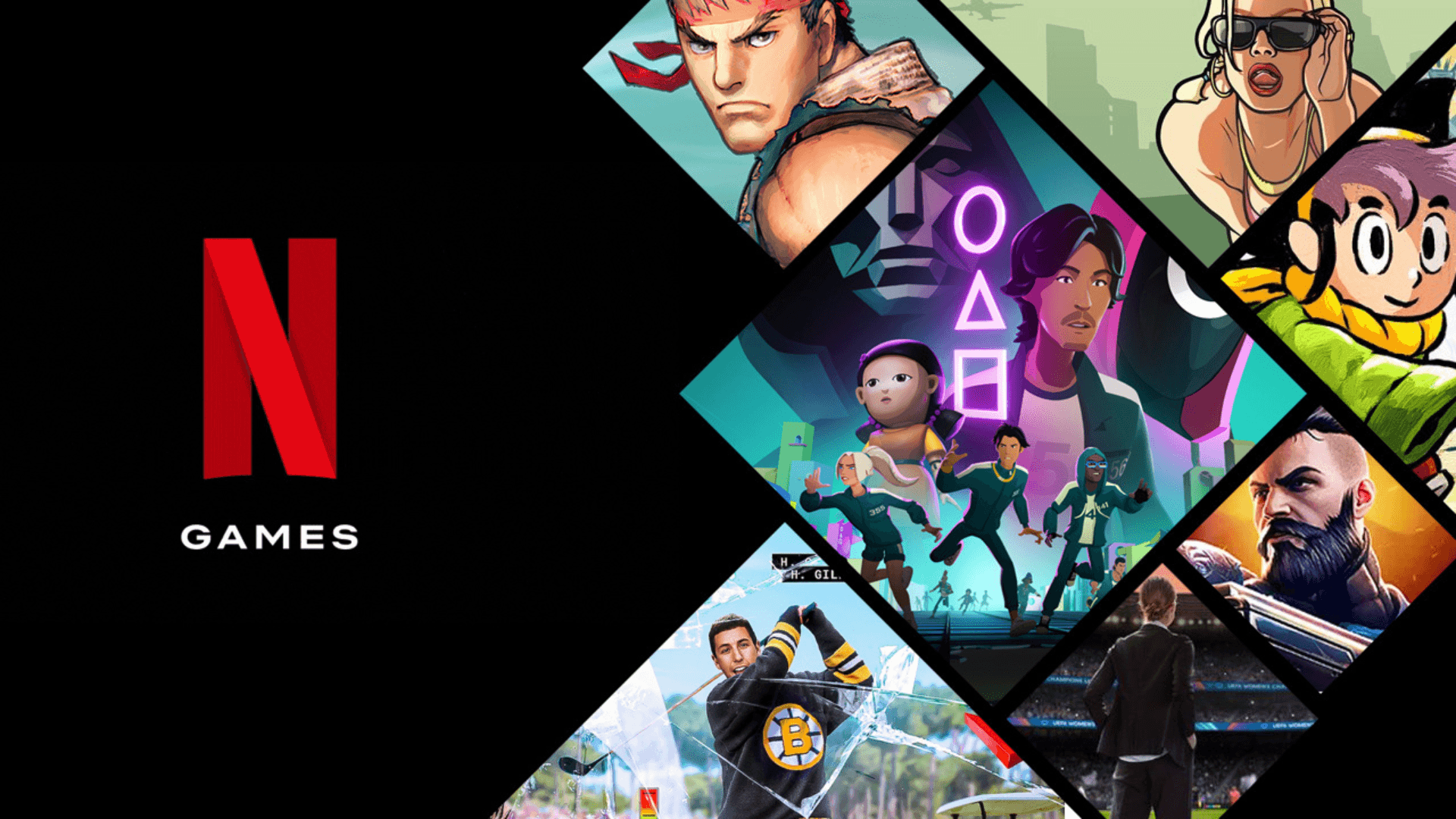
Netflix entered gaming with real ambition. Multiple studio acquisitions, public commitments from leadership, and a post-pandemic surge in engagement all pointed toward games becoming a meaningful pillar. Then the cuts started. Team Blue closed in 2024. Boss Fight Entertainment shut down in 2025. Spry Fox got sold back to its founders the same year. In the materials prepared for the Warner Bros. deal, gaming appears only as a footnote, and executives have been clear internally that it remains a minor priority.
Yet subscriber behavior tells a different story. More than half of all Netflix users have now launched a game through the service, up from 39 percent in mid-2025. Satisfaction scores have improved across the board, and major releases still drive measurable engagement spikes.
Grand Theft Auto V's late 2023 debut generated the platform's largest single traffic event before settling into a sustained upward trend. The contradiction is striking: Netflix leadership treats gaming as expendable while the audience quietly adopts it. That gap suggests the company hasn't figured out how to operationalize what its users are already doing.
Warner Bros. owns valuable franchises but lacks a coherent gaming strategy
Warner Bros. has the IP. Mortal Kombat remains a reliable franchise. Hogwarts Legacy proved the company can ship a massive hit. But the division has cycled through leadership repeatedly, and results have been inconsistent. Gaming exists at Warner Bros. without ever quite becoming central to the business. That makes Netflix's decision to downplay the category in acquisition materials less surprising. Even with strong properties, Warner Bros. hasn't demonstrated the kind of long-term operational discipline that defines successful publishers.
The IP matters, but IP alone doesn't build a sustainable games business. Warner Bros. has struggled to prove it can do the second part consistently.
Paramount Skydance talks up gaming but hasn't delivered results yet
Skydance takes a different approach. Its acquisition pitch explicitly calls out gaming as a strategic asset. Amy Hennig leads Skydance New Media, which is developing projects tied to Marvel and Lucasfilm. The company frames its interactive capabilities as a competitive advantage in the bidding war. The intent is clear. The execution is still pending. The Halo series underperformed, and most of Skydance's gaming-related projects remain in development. The company is investing, but it hasn't yet shown how those investments translate into sustainable revenue or how they'll integrate with legacy entertainment assets like Warner Bros.
Skydance wants gaming to matter. It just hasn't proven it can make gaming matter at scale.
Hollywood's production model doesn't align with how modern games operate
The core problem these acquisition plans expose is structural. Traditional media operates on a release-and-promote cycle. Studios invest heavily upfront, market the final product, and measure success in opening weekends or launch windows. Games function differently. Development continues post-launch through updates, patches, seasonal content, and community-driven features. Players expect ongoing dialogue with developers, and the relationship between creator and audience evolves over years instead of weeks.
The economics reflect this. Games with robust user-generated content systems generate higher lifetime revenue, retain players longer, and convert free users to paying customers at better rates. Roblox's creator economy keeps expanding, demonstrating that communities now function as active economic participants rather than passive consumers. Hollywood has no equivalent framework. That makes gaming difficult to integrate into the bundled subscription models these acquisitions are designed to build.
The mismatch isn't about willingness. It's about fundamentally incompatible operating systems.
Gaming's absence from these deals reflects divergence, not decline
Being left out of billion-dollar acquisition narratives might look like a snub, but for gaming it's more likely a sign of maturity. Games and traditional entertainment no longer share production logic, community structures, or revenue models. As streaming platforms consolidate around bundled offerings that resemble cable packages, gaming continues building around engagement loops, player participation, and iterative development cycles.
The industry doesn't need Hollywood's validation anymore. Gaming's cultural influence and commercial scale have grown independently. Neither Netflix nor Paramount Skydance needs to champion the sector for it to succeed. In that sense, being excluded from these acquisition strategies isn't a loss. It's confirmation that gaming operates on a separate track with stronger momentum and clearer long-term prospects.
Hollywood can chase its consolidation plays. Gaming will keep doing what it's been doing: building communities, iterating on mechanics, and growing revenue through models that traditional media still doesn't fully understand.
Frequently Asked Questions (FAQs)
Why didn't Netflix highlight gaming in its Warner Bros. acquisition plan?
Netflix has scaled back its gaming ambitions at the corporate level, likely because it hasn't built the internal systems needed to support game development at scale, despite rising engagement numbers from subscribers.
Is Netflix giving up on gaming entirely?
The data suggests no. Subscriber engagement with Netflix Games keeps climbing, even as the company closes studios and avoids promoting the division in major investor materials.
What role does gaming play for Warner Bros.?
Warner Bros. controls valuable gaming IP but has struggled with strategic consistency and leadership stability. As a result, its gaming division hasn't been positioned as a core asset during acquisition negotiations.
Why is Paramount Skydance interested in interactive entertainment?
Skydance has built a games division led by experienced developers and backed by licensed projects. Its acquisition materials emphasize gaming more directly, though tangible results remain limited.
Does Hollywood understand the gaming industry's business model?
Not entirely. Traditional entertainment relies on standalone releases, while games depend on continuous updates, community engagement, and iterative development. This structural difference makes integration challenging.
Should the gaming industry care about being ignored in these deals?
Probably not. Gaming's growth trajectory, revenue patterns, and community-driven engagement models continue to thrive independently of Hollywood's content-focused strategies.