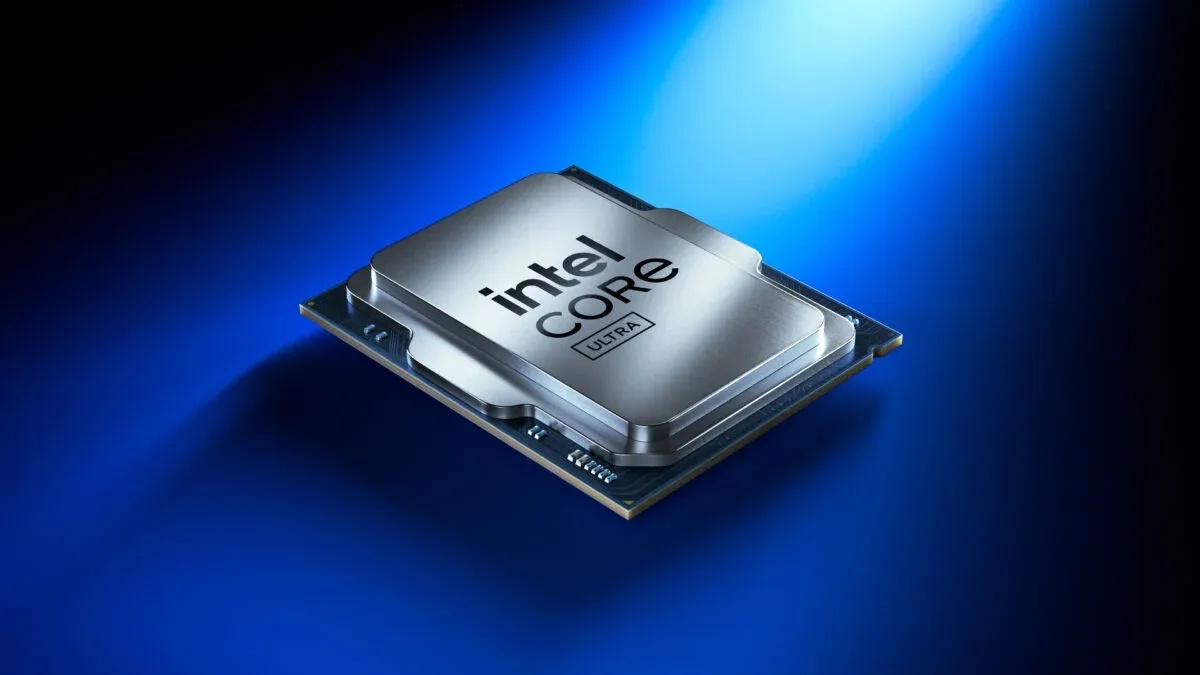


Intel has moved its 18A-P chipmaking process into risk production, the limited-volume manufacturing stage that sits just before full mass production kicks off. The headline numbers are hard to ignore: 9% better CPU performance at the same power draw, or flip that around and you get 18% lower power consumption for identical performance output.

Use code TRYHARD33 at checkout to redeem this offer before code expires again.
Get 33% Off GAMES+ Subscription
What risk production actually means here
Risk production is not mass production. The term refers to a controlled, lower-volume manufacturing run used to validate yields, catch process issues, and prove the node is ready for scale. For Intel, hitting this milestone with 18A-P means the process is mature enough to produce real silicon, but full commercial volumes are still months away at minimum.
Here's the thing: 18A-P is described by Intel as "the first performance enhancement in the Intel 18A family," and it is backwards compatible with the existing 18A process. That compatibility detail matters more than it might seem. It means chip designs already built around 18A can migrate to 18A-P without requiring a complete redesign or new fabrication equipment.
The full list of improvements Intel is citing for 18A-P breaks down like this:
- 18% lower power at the same performance level
- 9% performance improvement at the same power level
- 20 to 40% improved thermal resistance
- 10 to 30% improved via resistance at performance-critical layers
That last point is about backside power delivery, specifically reducing the resistance in the vertical connections that carry power through the chip. Less resistance there means the power delivery system loses less energy as heat, which feeds directly into both the efficiency and performance numbers above.
Panther Lake is already on 18A, so what comes next
Intel's Panther Lake laptop chips are already manufactured on the standard 18A process, and early benchmarks of those chips have been genuinely impressive for integrated graphics performance. The Arc G3-series chips for handheld gaming PCs are also Panther Lake-based, which is part of why the handheld PC space has been paying close attention to Intel's foundry progress.
Panther Lake is already deep into its production cycle, so 18A-P is unlikely to slot into those chips at this stage. The more realistic target is Nova Lake, Intel's upcoming desktop CPU platform. Desktop processors run at significantly higher power levels than mobile chips, which makes the efficiency gains from 18A-P particularly attractive. A 9% performance uplift or 18% power reduction on a high-TDP desktop chip translates to a meaningful real-world difference, whether that shows up as higher clock speeds, lower temperatures, or both.
What this means for PC gaming performance
For gamers, the direct impact of a process node improvement is rarely immediate. You won't wake up tomorrow and find your existing CPU running 9% faster. What this signals is the direction of the next generation of Intel silicon.
The key here is that 18A-P's backwards compatibility removes a major development bottleneck. Chip designers at Intel and at any potential Intel Foundry customers don't need to start from scratch. Existing 18A designs can be ported to 18A-P with significantly less engineering overhead, which could accelerate the timeline for products built on the improved process.
For anyone building or upgrading a gaming PC in the next 12 to 18 months, this is the kind of foundry news worth tracking. If Nova Lake lands on 18A-P, the performance-per-watt story for Intel's next desktop generation gets considerably more interesting. If you're trying to squeeze every frame out of your current setup while waiting for next-gen hardware, check out our Directive 8020 best PC settings guide for a practical look at optimizing what you already have.
The broader picture is that Intel Foundry is pushing hard to prove 18A and its derivatives can compete with TSMC at the leading edge. Risk production on 18A-P is a concrete step in that direction, and the performance numbers attached to it give Intel something tangible to point at when making that case. Keep an eye on Intel's next foundry updates for mass production timelines, and browse our gaming guides for the latest hardware and optimization coverage as new silicon gets closer to shelves.