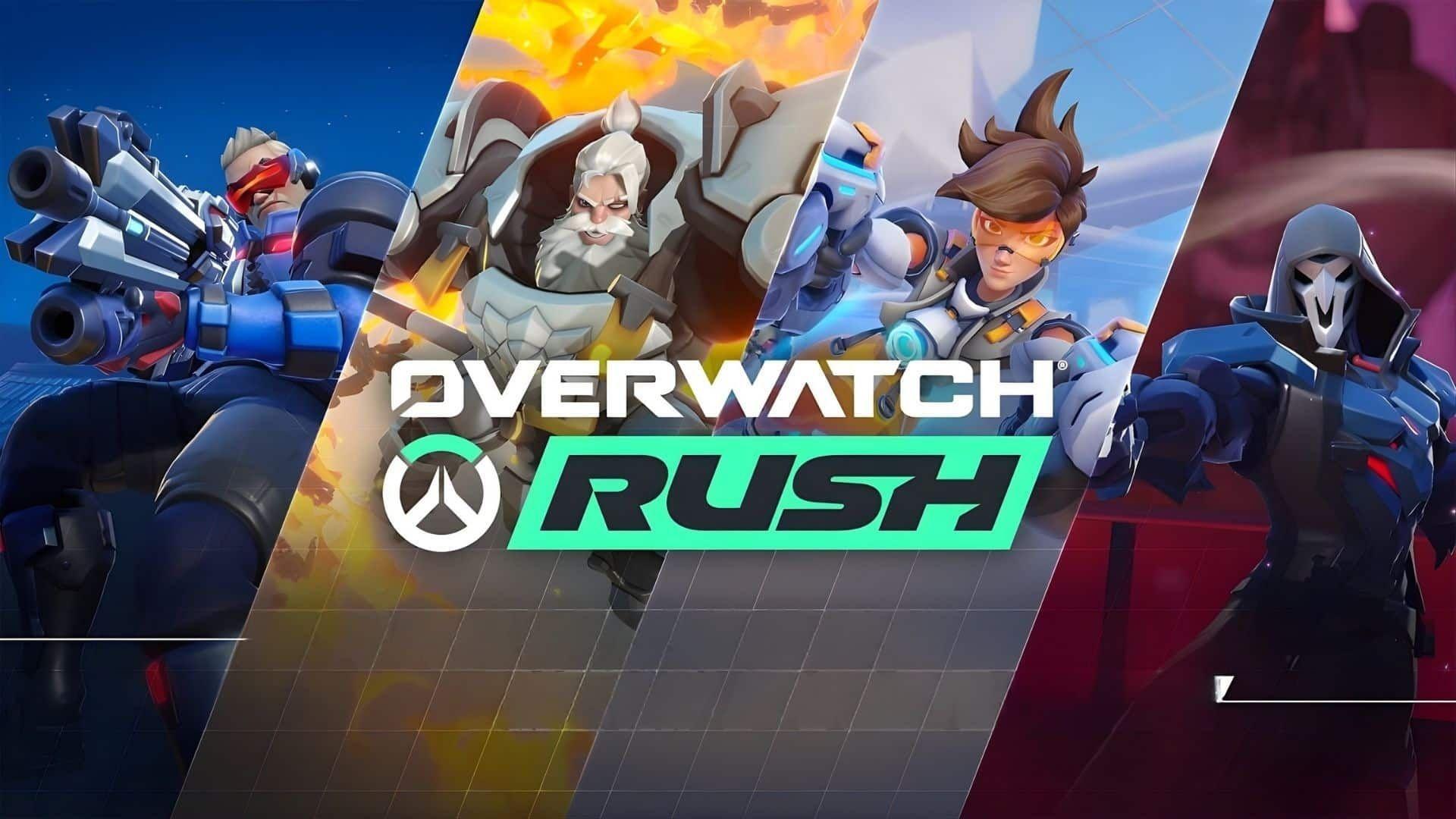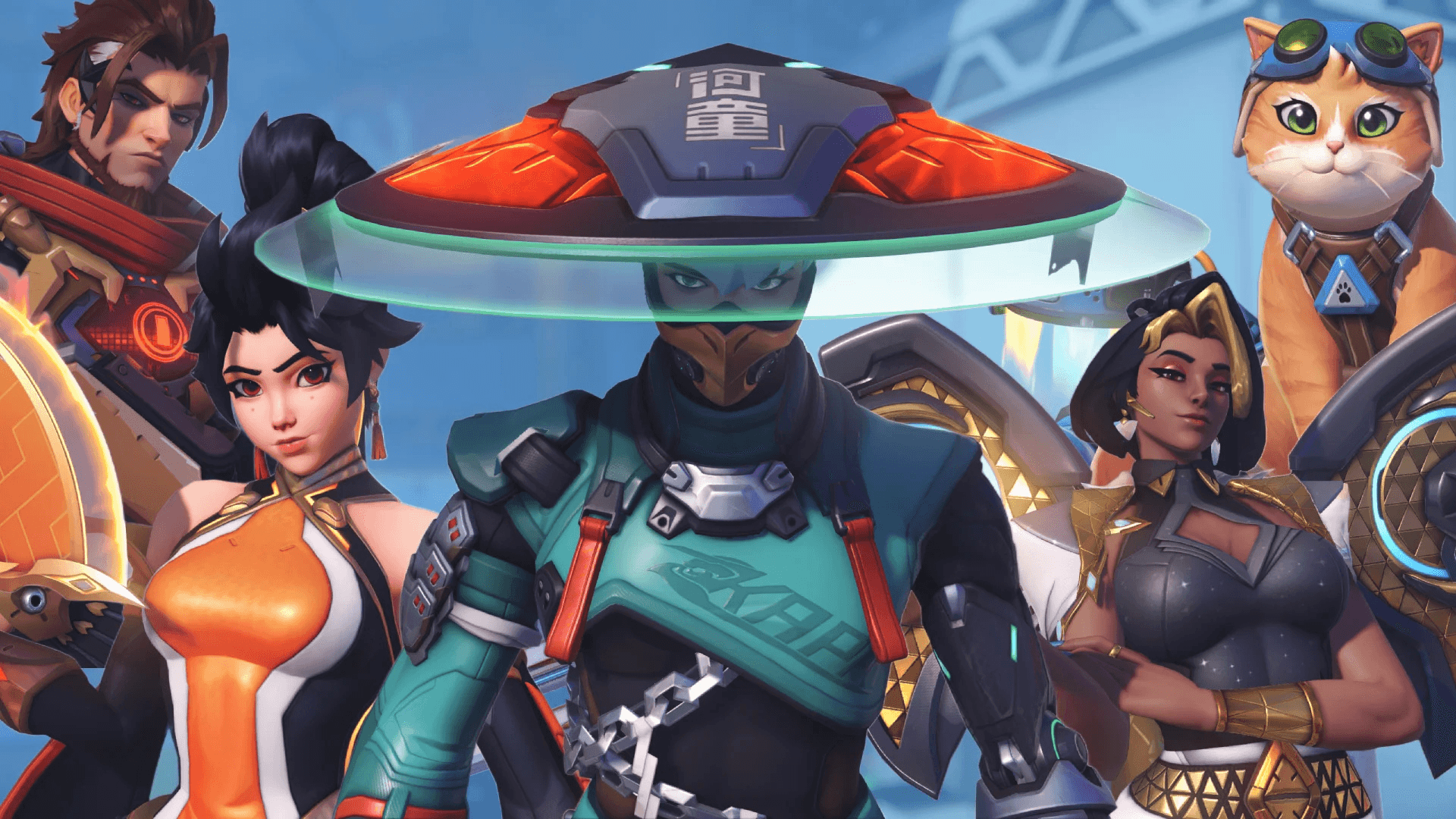


Jeff Kaplan, who directed Overwatch at Blizzard Entertainment for years, has broken his silence about why he walked away in 2021. After 19 years with the company and leading one of its biggest modern franchises, Kaplan pointed to mounting corporate demands and impossible financial targets as the breaking point.
His exit happened two years before Overwatch 2 shipped. That sequel was supposed to include a substantial PvE mode alongside the competitive PvP that defined the original. In a recent interview with Lex Fridman, Kaplan laid out how Blizzard's internal focus shifted away from building the game toward squeezing revenue out of it through esports deals and aggressive monetization.
Overwatch and the rise of competitive gaming
Overwatch launched in 2016 and pulled in roughly $1 billion in its first year. Kaplan said the team wanted to keep building post-launch content like seasonal events and new heroes. But Blizzard had other plans. The company pushed hard into competitive gaming with the Overwatch League, and that changed everything.
The league used a franchise model, selling team slots for millions of dollars each. Blizzard pitched it to investors and team owners as something that could rival traditional professional sports leagues. Kaplan said those promises created expectations the development team had no realistic way to meet.
Financial pressure and resource shifts
The Overwatch League didn't hit its revenue projections. Blizzard had expected around $125 million from the venture. When that didn't materialize, resources that could have gone into game updates got redirected toward monetization tied to esports. Kaplan described this as the moment when creative priorities got buried under financial demands.
He recalled a meeting with Blizzard's finance leadership where they handed him specific revenue targets and warned that missing them could trigger mass layoffs. Kaplan said that meeting felt like the final straw, cementing his decision to leave.
Development challenges for Overwatch 2
Kaplan's team had been working on the next Overwatch, which was supposed to expand the game with cooperative PvE content while keeping the existing PvP intact. But as the original game's revenue plateaued and live-service competitors like Fortnite dominated, corporate priorities shifted toward recurring revenue instead of creative expansion.
That shift shaped the final version of Overwatch 2, which launched in 2023 as a free-to-play game built around ongoing live-service content. Kaplan noted that the emphasis on monetization and esports starved the planned narrative and PvE content of resources.
Reflecting on Blizzard and career decisions
Kaplan described leaving Blizzard as one of the hardest moments of his career. After nearly two decades there, he said he didn't fully understand how much stress he'd been carrying until he stepped away from a project he'd helped build. He emphasized that developers need to recognize the value of their work and hold onto creative control instead of handing it over to executives fixated on financial performance.
His comments highlight the friction between creative vision and corporate revenue goals, a tension that's become more common in the industry as live-service games and esports-driven projects dominate development cycles.
Make sure to check out our articles about top games to play in 2026:
Best Nintendo Switch Games for 2026
Best First-Person Shooters for 2026
Best PlayStation Indie Games for 2026
Best Multiplayer Games for 2026
Most Anticipated Games of 2026
Top Game Releases for January 2026
Frequently Asked Questions (FAQs)
Why did Jeff Kaplan leave Blizzard?
Kaplan left because of mounting pressure to hit financial targets and a company-wide shift from game development toward maximizing revenue through esports and in-game monetization.
What role did Overwatch League play in his departure?
The Overwatch League created unrealistic financial expectations and pulled resources away from game updates and development, making it a major factor in his decision to leave.
Was Overwatch 2 impacted by these changes?
Yes. The game was originally planned with substantial PvE content, but Overwatch 2's final design prioritized recurring revenue and live-service updates, with far less emphasis on the PvE elements Kaplan envisioned.
When did Jeff Kaplan leave Blizzard?
Kaplan left Blizzard in 2021, two years before Overwatch 2 officially launched.
What has Kaplan said about the impact on developers?
He suggested that developers should recognize their value and maintain influence over their projects instead of giving creative control to executives focused primarily on financial performance.