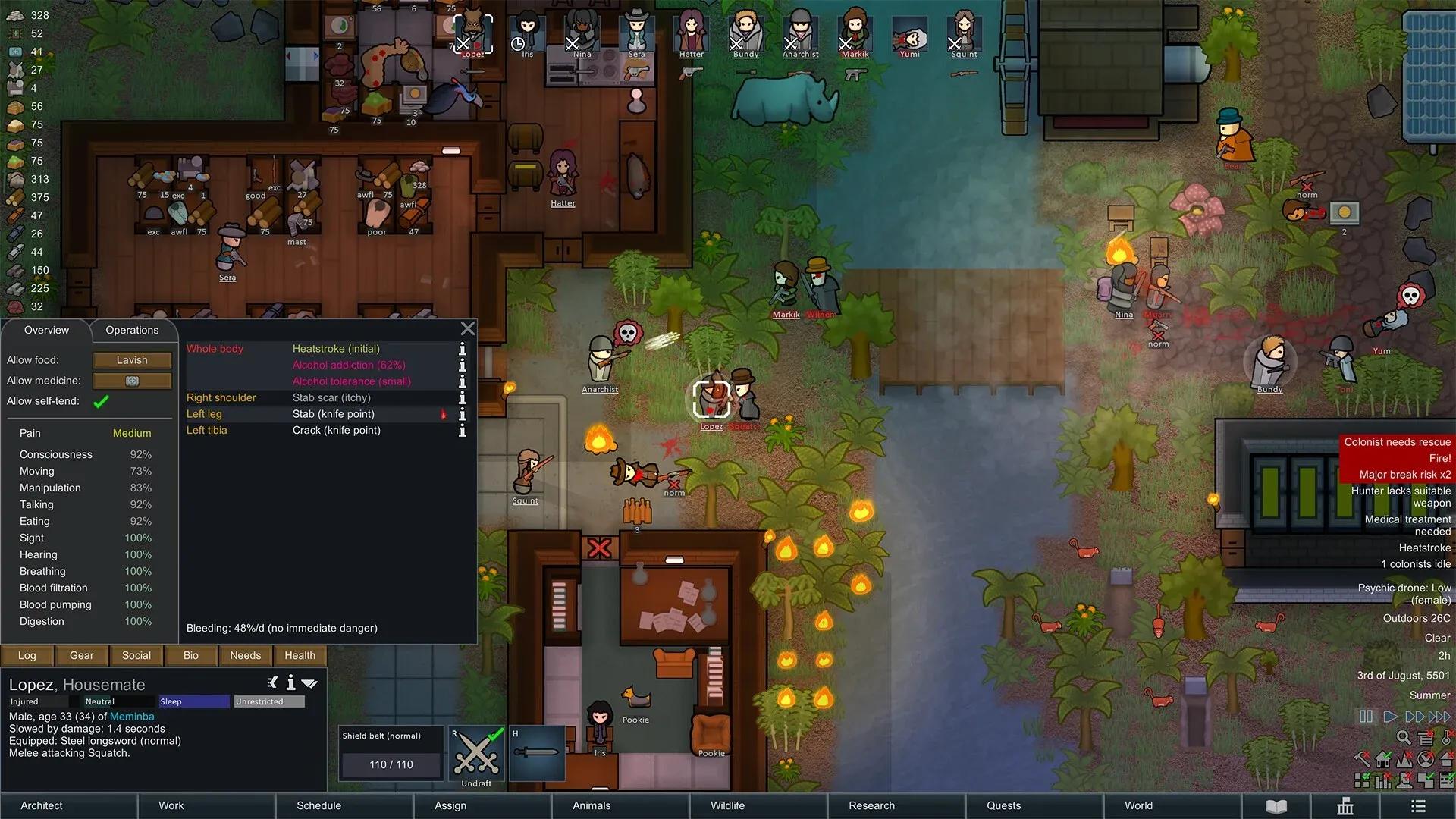

Meta is preparing to cut its metaverse budget by up to 30 percent, marking a major retreat from the virtual world ambitions that defined much of the company's strategy over the past several years. The reduction will trigger layoffs across Horizon Worlds and the Quest VR division, reshaping Meta's approach to immersive technology after years of heavy spending failed to deliver the cultural momentum the company anticipated.

Use code TRYHARD33 at checkout to redeem this offer before code expires again.
Get 33% Off GAMES+ Subscription
Reality Labs burned through over $70 billion
Since 2021, Reality Labs has consumed more than $70 billion in investment, yet mainstream adoption never materialized at the scale Meta projected. A few bright spots emerged—Beat Saber turned into a legitimate hit and proved surprisingly effective as a music discovery platform, while Marvel's Deadpool VR earned a nomination at The Game Awards—but these successes couldn't offset the broader struggles. Investor patience has worn thin, and Meta is now redirecting resources toward AI-driven hardware like smart glasses and other wearables designed to ride the generative intelligence wave sweeping the tech sector.
The company frames this as strategic reallocation rather than outright abandonment, but the reality is clear: the metaverse never gained the traction needed to justify its costs, and Meta has decided it won't shoulder that burden alone any longer.
Why Meta is betting on AI instead
Part of the urgency comes from Meta's experience missing the mobile platform shift, which left the company dependent on Apple's ecosystem. The metaverse was supposed to be the escape route from that dependency, but AI has emerged as a far more immediate and competitive platform race. Meta doesn't want to repeat the same mistake twice, and the company is moving aggressively to secure a position in the next major computing paradigm before it's too late.
Whether the metaverse disappears entirely or just fades into the background is still an open question. What's certain is that its biggest champion is no longer willing to wait for the world to catch up.
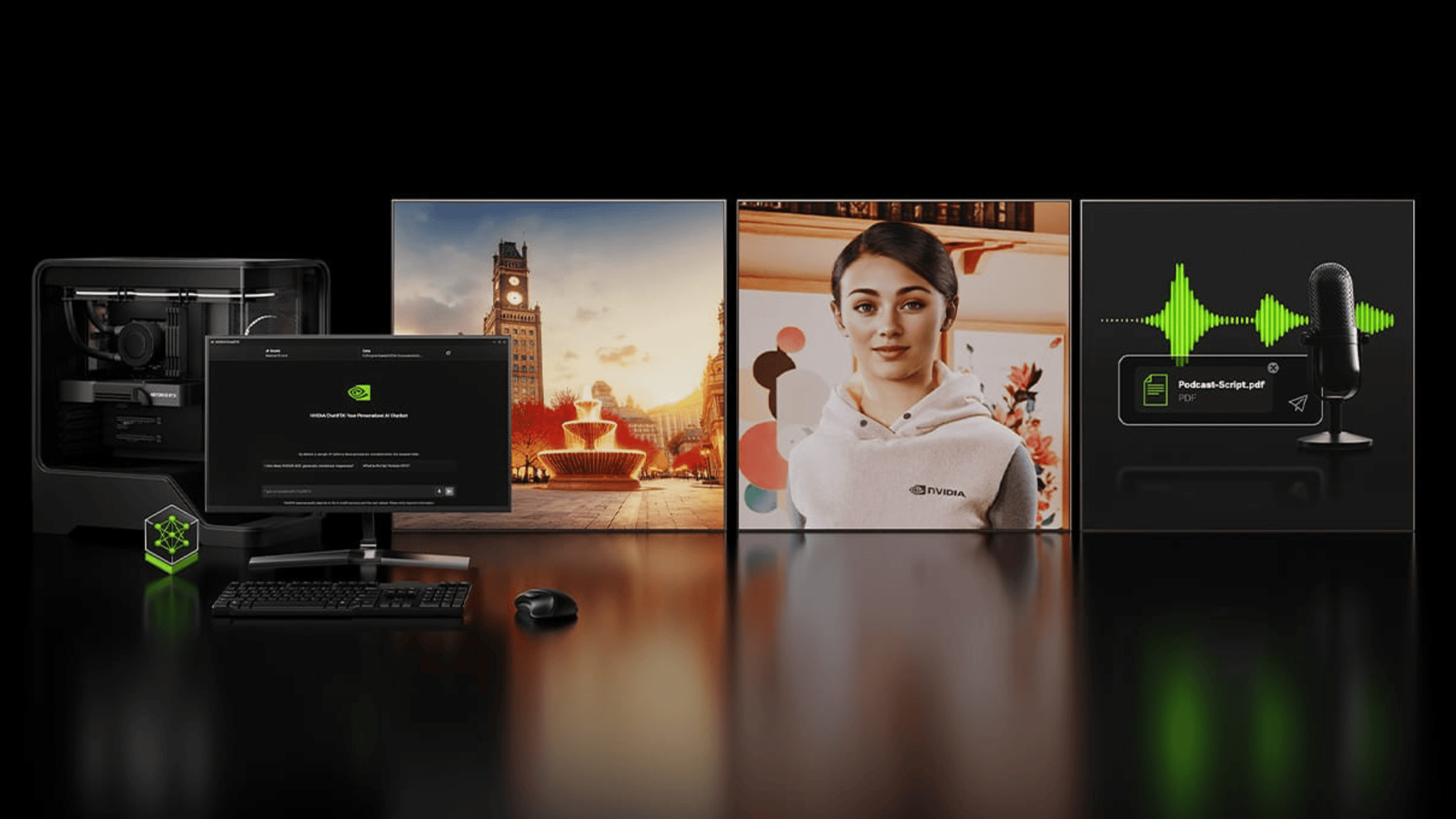
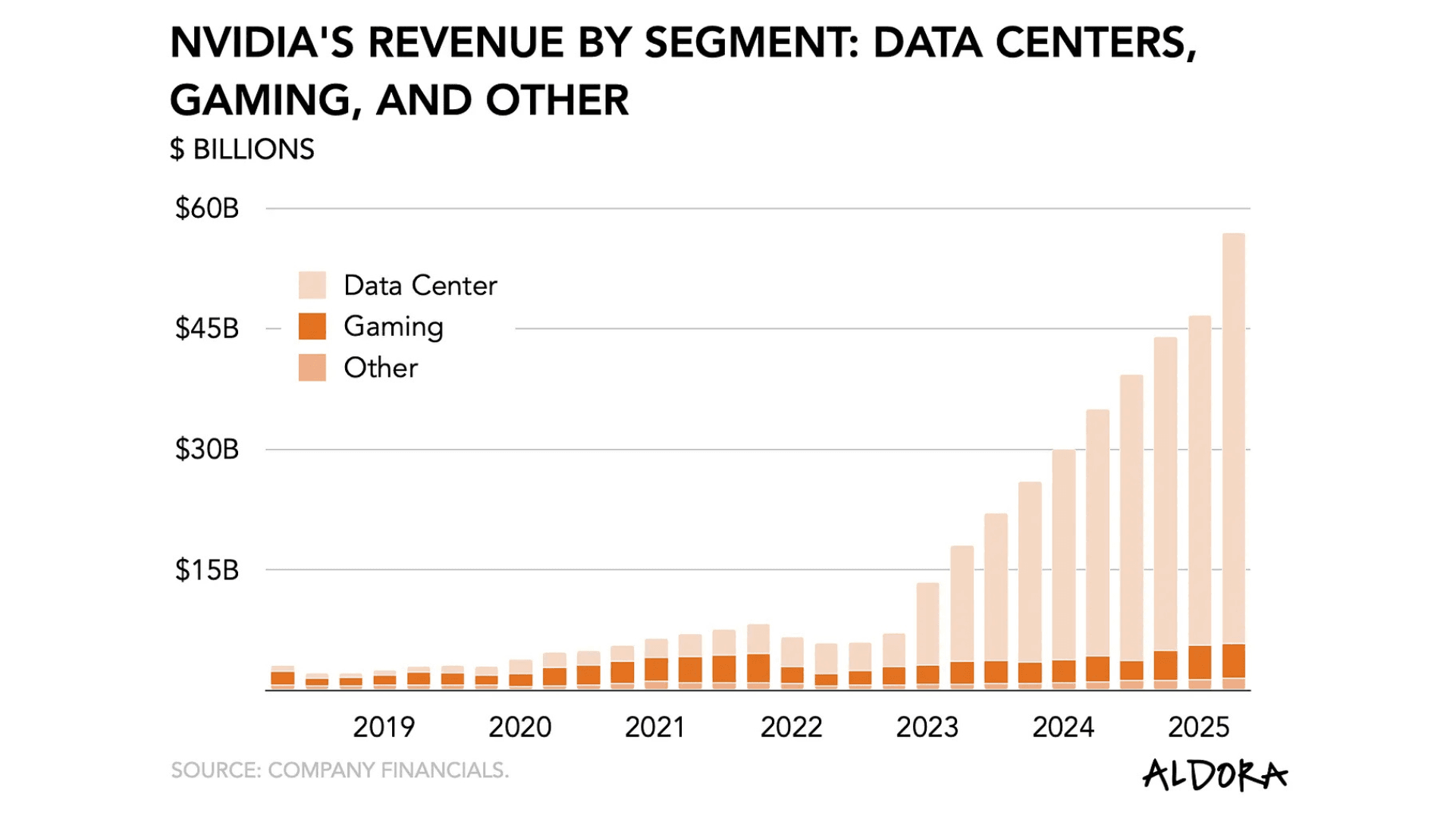
AI's chip hunger is squeezing the gaming hardware market
The gaming industry is heading into its next console generation at an awkward time. AI development has created massive demand for processing chips and high-bandwidth memory, driving component prices sharply upward. Memory chip costs jumped 25 to 30 percent at the end of 2025, and projections suggest even steeper increases throughout 2026, with shortages expected to stretch into 2027.
The problem traces back to supply concentration. Samsung, SK Hynix, and Micron control 95 percent of the global memory market, and all three are prioritizing AI servers over consumer electronics because the margins are significantly better. The situation resembles the GPU shortage during the 2020 crypto boom, but analysts expect this crunch to last longer and cut deeper into the supply chain.
PC manufacturers are taking the hardest hit. Memory accounts for roughly 20 percent of a PC's total component cost, and PC demand is extremely price-sensitive. Research shows that a 1 percent price increase can trigger a 2 to 2.5 percent drop in unit sales, forcing manufacturers to absorb rising costs rather than pass them on to buyers. That creates what analysts call an "asymmetric pricing trap"—suppliers can raise prices freely, but PC makers can't do the same without killing demand.
Console makers are better insulated. Sony, Microsoft, and Nintendo have spent decades building supply chain expertise, often locking in long-term component contracts years before new hardware launches. Their seven- to eight-year console lifecycles also give them more flexibility to weather short-term supply disruptions.
What rising costs mean for the next generation
Still, the memory crunch will shape the market in noticeable ways. High-end PC components could price out a significant chunk of the audience, pushing more players toward mid-range consoles or handheld hybrids that deliver stable performance without the premium cost. Devices like Valve's Steam Machine, which targets PlayStation 5-level performance at a more accessible price point, could gain traction if PC costs keep climbing.
Cloud gaming stands to benefit as well, offering an alternative for players who want to avoid the hardware arms race entirely. This shift fits into the industry's broader evolution from physical media to digital storefronts, and now to cloud-supported ecosystems. It also explains why Microsoft has expanded its hardware partnerships with AMD and Asus—preparing for a future where distribution models matter as much as raw specs.
The next console cycle should still arrive on schedule, but expect manufacturers to play it conservative. Aggressive pricing and restrained specs are likely to define the generation, as companies balance performance ambitions against rising component costs and uncertain supply conditions.
Frequently Asked Questions (FAQs)
Is Meta abandoning the metaverse?
Meta is cutting its metaverse budget significantly, but the company frames this as a shift toward AI rather than a complete exit from virtual worlds.
Why is Meta prioritizing AI hardware now?
AI represents a faster-growing opportunity with stronger market demand, making it a more urgent strategic focus than the metaverse.
Will memory shortages delay the next console generation?
Major delays are unlikely, but expect more conservative pricing and specifications as manufacturers navigate higher component costs.
How does AI hardware demand affect PC gaming?
PC manufacturers face rising component prices and constrained supply, which could result in higher system costs or reduced availability for consumers.
Are consoles better protected from hardware shortages?
Yes. Console makers secure long-term supply contracts and operate on extended hardware cycles, giving them more stability than PC manufacturers.
Could rising hardware costs boost cloud gaming adoption?
Absolutely. As high-end components become more expensive, cloud services that eliminate the need for local hardware become more attractive.
Will next-gen consoles cost more because of component shortages?
Manufacturers will likely prioritize competitive pricing, but rising component costs could still influence final retail prices.