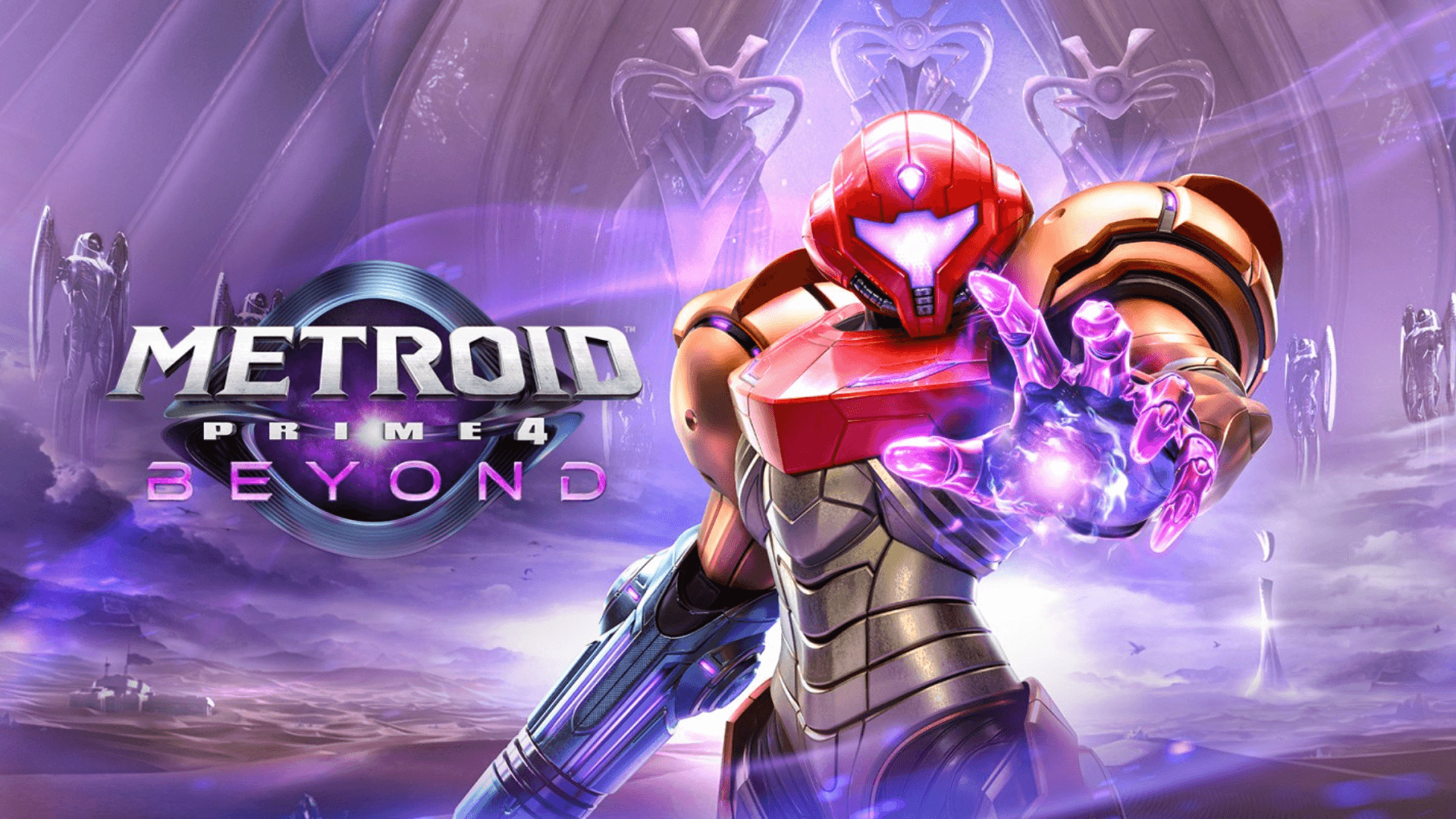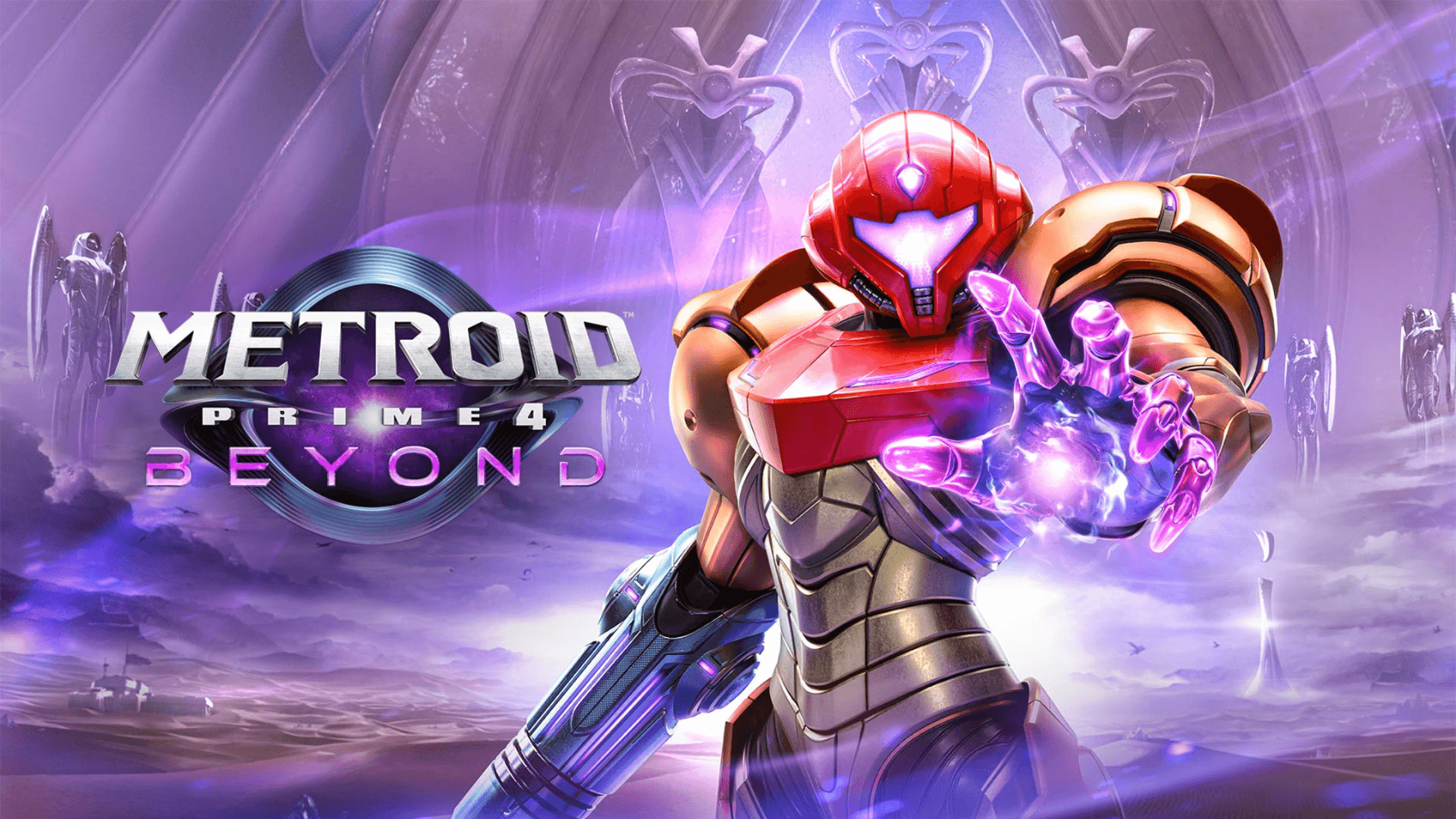

The journey to Metroid Prime 4: Beyond has been anything but smooth, and one of its most divisive features — the open-world hub — remains a sticking point for fans. Now that the game is out on both Switch and Switch 2, Nintendo has explained why that controversial design decision stayed in place even as player sentiment around open-world games shifted during the project's extended development.
A Design Choice Locked in Early
The open-world hub in Metroid Prime 4: Beyond was baked into the game's original concept, and changing it would have meant another full restart — something Nintendo wasn't willing to risk. In a recent Famitsu interview, the development team made it clear that reworking the hub late in production would have derailed an already troubled project. The game had been rebooted once in 2019 when Retro Studios took over from Bandai Namco, and Nintendo decided pushing forward with the existing vision was smarter than hitting reset again.
That 2019 restart was public and messy. Rather than risk another delay and another round of bad press, Nintendo committed to the structure already in place, even if it no longer matched what players were asking for.
Reconciling Open Spaces With Traditional Metroid Progression
Early in development, open-world design was the dominant trend in gaming. The Legend of Zelda: Breath of the Wild had just redefined what a Nintendo game could be, and players were vocal about wanting that same freedom in other franchises, including Metroid. The team heard that feedback and tried to respond.
But Metroid doesn't work like that. The series is built on ability-gated progression — you unlock new powers, which unlock new areas. That structure clashes with the idea of going anywhere from the start. So Nintendo split the difference: a large, freely explorable hub that connects more traditional, ability-locked zones. The hub also doubles as a pacing tool, letting players cruise around on a vehicle between intense exploration and combat stretches.
It's a compromise that tries to have it both ways, and whether it works depends on who you ask.
Changing Player Expectations During a Long Development Cycle
By the time Metroid Prime 4: Beyond was nearing completion, the conversation around open-world games had shifted. What was once a universal request had become a point of fatigue, especially when open-world elements felt tacked on or disconnected from a game's core loop.
Nintendo knew this. But revisiting the hub wasn't an option. The game had already been delayed for years and rebuilt from scratch once. At that point, the company decided finishing the project was more practical than chasing a moving target of player expectations.
Nintendo also chose not to chase trends in action and shooter pacing. The team acknowledged that adapting too closely to those shifts would have disrupted the slower, exploration-focused rhythm that defines the series.
Creative Concepts That Predated the Reboot
Some of the game's more debated ideas were conceived before Retro Studios even took over. Samus Aran's psychic abilities, for example, started as a narrative justification for her expanded Charge Beam control. After the reboot, Retro was asked to build those mechanics out further and weave them more deeply into the game. That means some of the most controversial elements — both in story and gameplay — were already in motion before Retro got involved.
It's a reminder that not everything fans dislike about the final product can be pinned on the studio that finished it.
Reception and Ongoing Discussion
Metroid Prime 4: Beyond has earned mostly positive reviews, but it's also sparked plenty of debate. Fans who loved it praised its atmosphere and the moments that feel closest to the original trilogy. Fans who didn't pointed to the open-world hub and the chattier supporting cast as the main issues.
Make sure to check out our articles about top games to play in 2026:
Best Nintendo Switch Games for 2026
Best First-Person Shooters for 2026
Best PlayStation Indie Games for 2026
Best Multiplayer Games for 2026
Most Anticipated Games of 2026
Top Game Releases for January 2026
Frequently Asked Questions (FAQs)
Why does Metroid Prime 4 have an open-world hub?
Nintendo built the hub as a middle ground between open-world experimentation and the series' traditional ability-gated progression.
Did Nintendo consider removing or redesigning the hub?
No. The game had already been rebooted once, and revisiting the hub design would have caused another major delay.
Who developed Metroid Prime 4: Beyond?
Retro Studios developed the game after taking over the project in 2019 following a full development restart.
Why did Metroid Prime 4 take so long to release?
The game was announced in 2017, then rebooted in 2019, leading to a development cycle that stretched across multiple years.
How was Metroid Prime 4 received by critics?
Reviews were mostly positive, with praise for its high points and criticism for uneven design choices like the open-world hub.