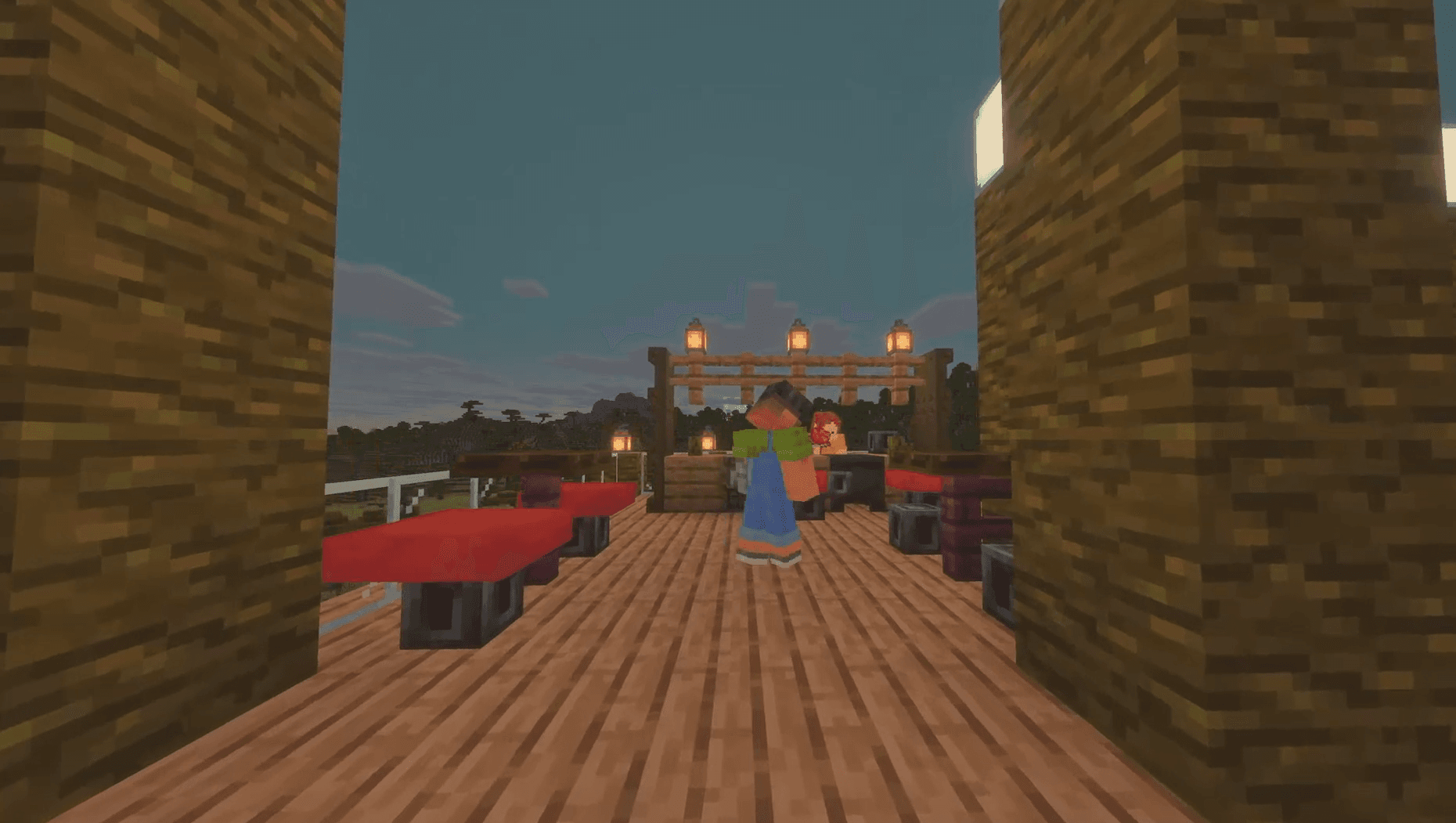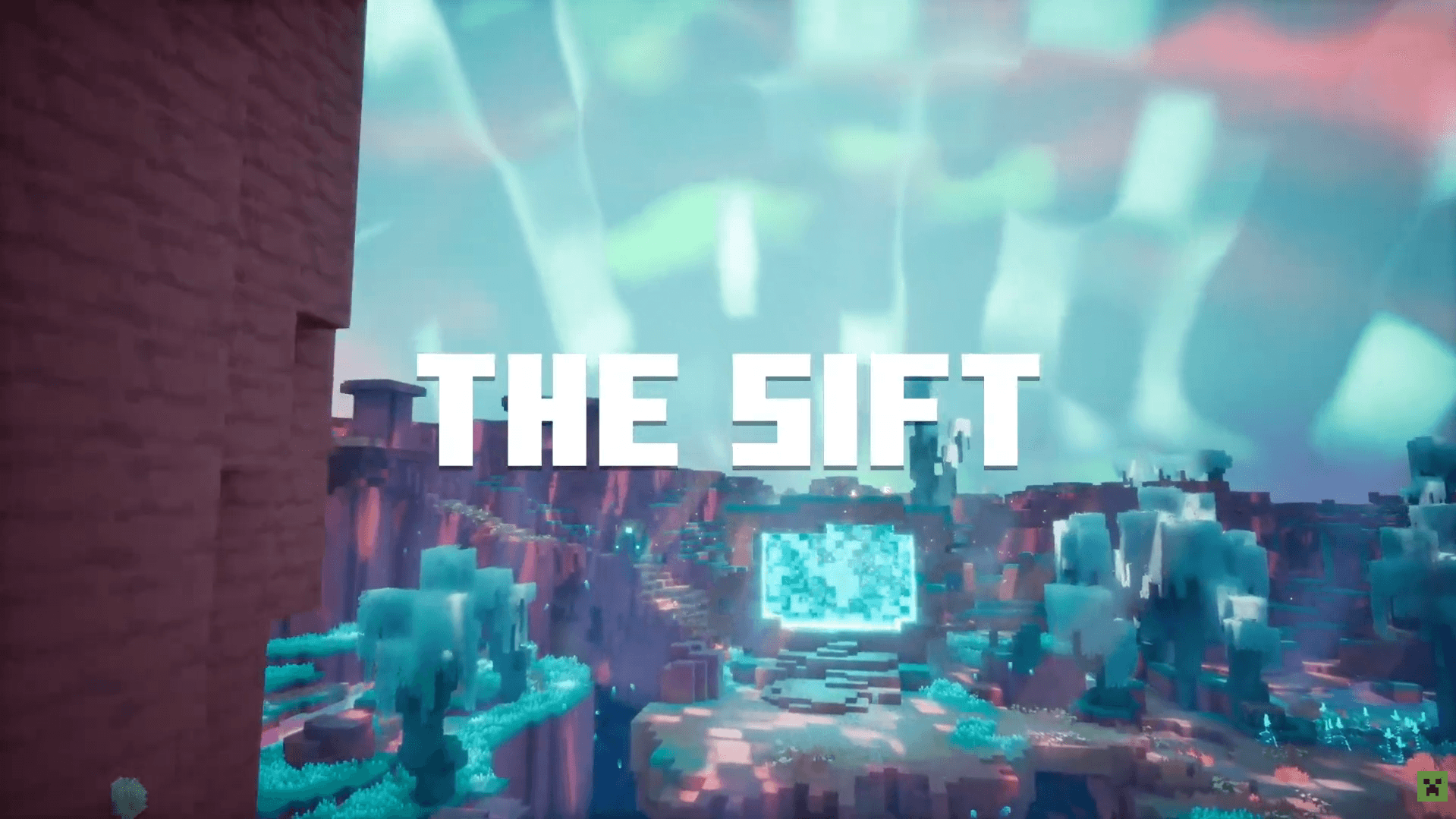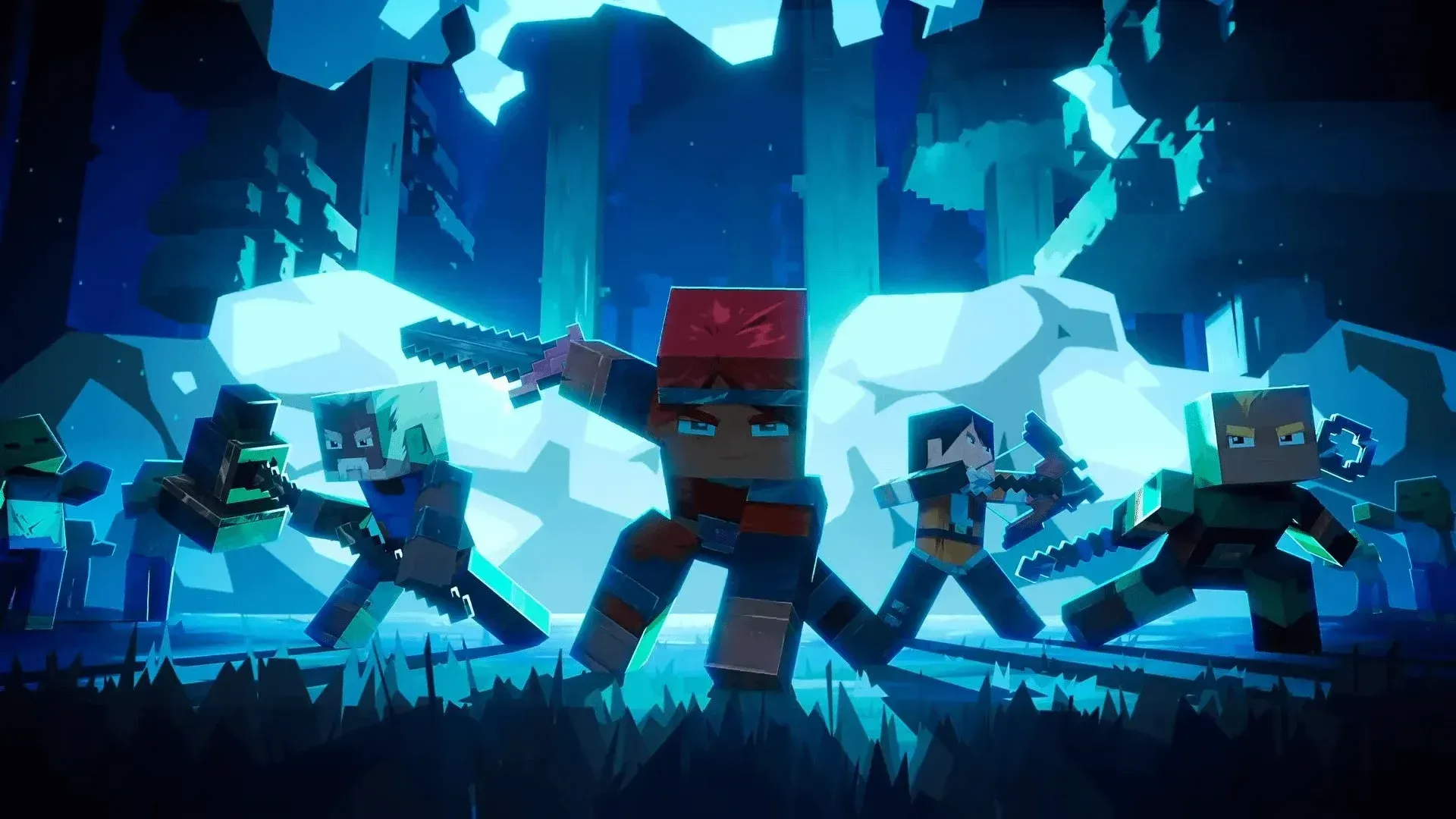


If the original Minecraft Dungeons felt like a game that happened to wear Minecraft's skin, Mojang is making sure the sequel actually earns the name. Minecraft Dungeons 2 launches September 29, 2026 on PC, PS5, Xbox Series X, and Nintendo Switch 2, and the studio has been deliberate about threading more of what makes vanilla Minecraft tick into its ARPG follow-up. For fans of adventure games who grew up placing torches and mining obsidian, that's a meaningful shift.
What the first game got wrong about feeling like Minecraft
The 2020 original was a solid dungeon crawler. Nobody's disputing that. But its relationship to the base game was mostly cosmetic: blocky art style, familiar mobs, some recognizable biomes. The actual systems, the way loot worked, the way armor functioned, didn't mirror what players expect from vanilla Minecraft. You had three item rarity tiers instead of four. You had a single armor slot instead of a full set. The connective tissue was thin.
Design director Laura de Llorens acknowledged this gap directly, saying the team went looking for ways to add more overt "callbacks to vanilla Minecraft" without stripping out what made the first game work. The result is a sequel that feels like it was designed with one eye on the ARPG genre and the other on a Survival Mode inventory screen.
Four slots, four rarities, one cleaner identity
Here's the lowdown on the two biggest mechanical changes. First, the armor system. Minecraft Dungeons 2 replaces the single armor slot from the original with four distinct slots: head, arms, legs, and torso. That mirrors vanilla Minecraft's equipment setup exactly. De Llorens confirmed that unique armor pieces can carry double effects and special enchantments, which means build variety gets a real boost alongside the thematic connection.
Second, item rarity. Vanilla Minecraft uses four tiers: Common, Uncommon, Rare, and Epic. The first Dungeons game only had three. Minecraft Dungeons 2 steps up to four as well, labeled Common, Rare, Special, and Unique. The naming differs from the base game, but the structure finally matches. What most players miss in ARPG loot systems is how much psychological weight that extra tier carries. Going from three to four rarity levels changes how often you feel rewarded and how much each drop means.
An interconnected world that encourages exploration
Beyond the loot and gear systems, Mojang has reworked how the world itself is structured. Minecraft Dungeons 2 features what the studio calls an "interconnected world," stopping short of a full open-world label but designed wide enough to reward exploration. The key here is that vanilla Minecraft's core loop has always been about wandering into the unknown and finding something unexpected. A linear level structure, like the first game used, cuts against that instinct.
The new map design gives players room to discover rather than just proceed. That's a small-sounding change that meaningfully alters how the game feels to play over several hours.
What this means for players picking up the sequel
If you bounced off the original because it felt too disconnected from the Minecraft you know, Dungeons 2 is making a direct argument for your attention. Four armor slots mean actual gear sets to chase. Four rarity tiers mean the loot hunt has more rungs to climb. An interconnected world means exploration has purpose beyond clearing the next objective marker.
For players new to the franchise entirely, Minecraft Dungeons 2 is positioning itself as an accessible entry point into the ARPG genre, the kind of dungeon crawler you can hand to a younger sibling or a friend who thinks Diablo is too grim. The vanilla Minecraft callbacks aren't just fan service. They give the game a clearer identity.
For broader ARPG strategy and build resources as the September release approaches, the gaming guides hub is worth bookmarking. And if you want a taste of what a dungeon crawler with tabletop DNA feels like right now, Demeo x Dungeons & Dragons: Battlemarked is worth a look while you wait for September 29.