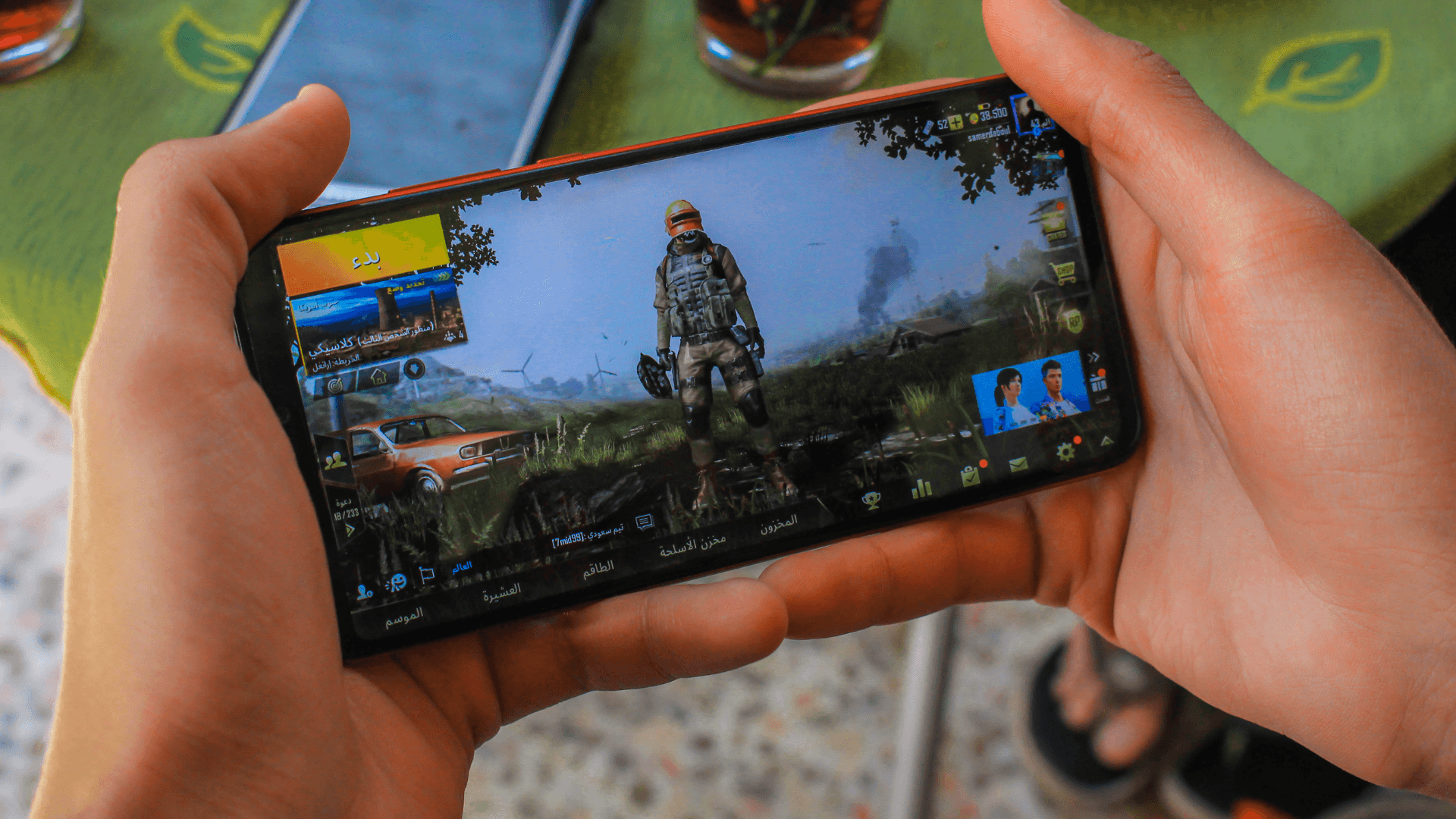


Mobile gaming claimed 55% of the global games market in 2025, reaching nearly three billion players worldwide. The segment's dominance reflects a fundamental shift in how studios approach player acquisition and retention. Rather than chasing install numbers at any cost, developers are now building games designed to keep players engaged over months and years.
Day one retention hit 27% across mobile games in 2025, while total gaming app sessions climbed 1% year-over-year. That modest session increase matters more than it looks — it means players are opening their games more often, not just downloading and forgetting them. The paid-to-organic install ratio jumped 61%, moving from 2.07 to 3.33, as publishers pulled back on scattershot ad spending. Studios also trimmed their average acquisition partners from six down to 5.3, cutting out underperforming channels and focusing budget where it actually converts.

Use code TRYHARD33 at checkout to redeem this offer before code expires again.
Get 33% Off GAMES+ Subscription
Where mobile games grew (and where they didn't)
Regional performance split hard in 2025. The Middle East and North Africa saw installs rise 2% with sessions up 7% — real growth in both downloads and playtime. Europe and Latin America dropped 7% and 9% in installs respectively, though sessions ticked up slightly in both regions. Asia-Pacific and North America both slipped in installs and sessions. The takeaway: mobile gaming isn't growing uniformly. Some markets are heating up while established regions plateau or cool off.
Genre performance tells the real story
Strategy games crushed it in 2025, posting 57% session growth year-over-year. Players who start strategy games stick around — these aren't quick-hit experiences. Hypercasual games still led installs at 29%, up from 27% in 2024, but their session share climbed from 11% to 15%. That's notable. Hypercasual used to mean "play once, delete immediately." Now developers are layering in progression hooks and IAP to extend playtime.
Puzzle games grabbed 10% of installs but 13% of sessions, punching above their weight in engagement. Action games pulled 8% of installs but 17% of sessions — players who download action games play them a lot. Casual and hybrid casual titles each landed just over 10% of installs with 7-9% of sessions, solid but unremarkable compared to the retention leaders.
What this means for mobile gaming
The 2025 numbers confirm that mobile gaming isn't just the biggest slice of the industry — it's also maturing. Studios aren't treating players as disposable install counts anymore. The focus has shifted to building games that people actually want to keep playing, then spending marketing dollars more carefully to find the right audience. It's a smarter approach than flooding every ad network and hoping something sticks, and the retention gains show it's working.
Make sure to check out our articles about top games to play in 2026:
Best Nintendo Switch Games for 2026
Best First-Person Shooters for 2026
Best PlayStation Indie Games for 2026
Best Multiplayer Games for 2026
Most Anticipated Games of 2026
Top Game Releases for January 2026
Frequently Asked Questions (FAQs)
What percentage of global games revenue came from mobile in 2025?
Mobile gaming generated 55% of global games revenue in 2025, making it the largest segment in the industry.
How many players worldwide engaged with mobile games in 2025?
Nearly three billion people played mobile games globally in 2025.
What is day one retention for mobile games in 2025?
Day one retention across mobile gaming apps reached 27% in 2025.
Which game genres showed the highest engagement in 2025?
Strategy games recorded the strongest session growth, while action and puzzle games also maintained high long-term engagement.
Are hypercasual games still popular?
Yes, hypercasual games accounted for 29% of installs and increased their share of sessions to 15% as developers added progression systems and in-app purchases.
How are game publishers adjusting their marketing strategies?
Publishers reduced the average number of acquisition partners per app from six to 5.3 and focused more on organic installs, reflecting a selective approach to marketing channels.