


Use code TRYHARD33 at checkout to redeem this offer before code expires again.
Get 33% Off GAMES+ Subscription
The strangest premise in indie gaming right now
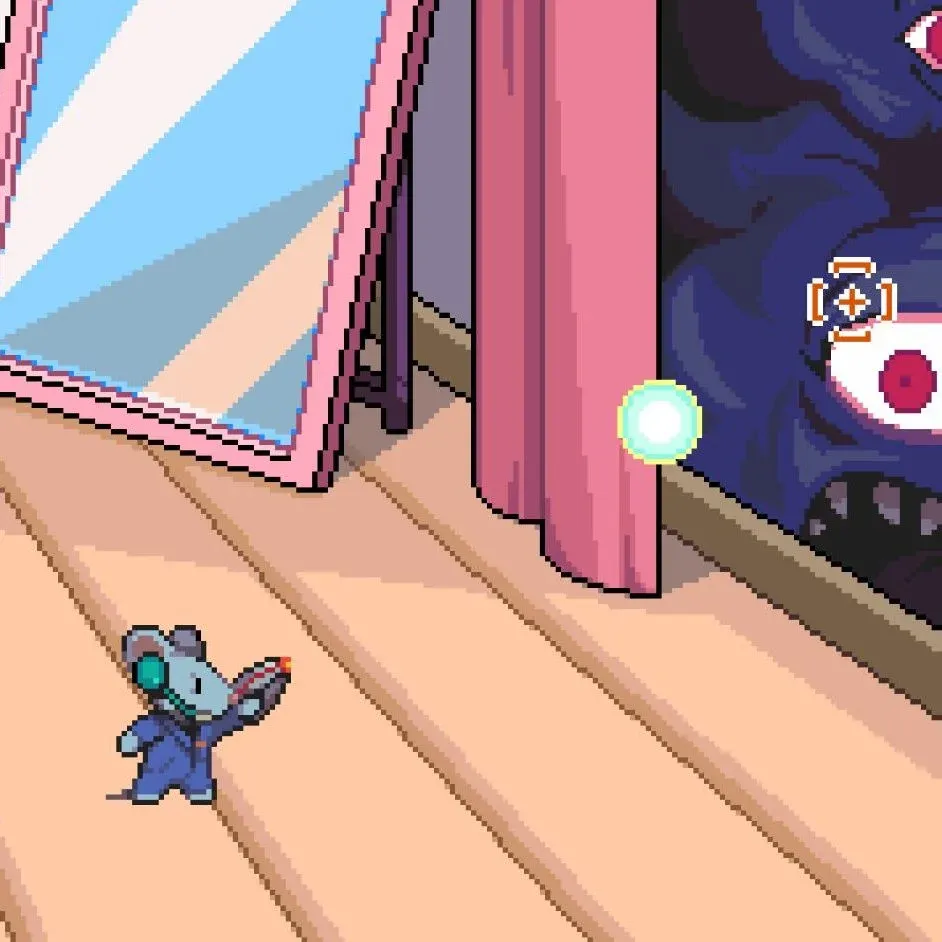
Picture this: you wake up, you're a mouse, and the building you're in is absolutely crawling with ghosts. That's the opening situation in Mousebusters, a Japanese indie game that has been quietly building buzz for one of the most original concepts to surface this year. The twist that separates it from every other rodent-themed game is right there in the pitch: the mouse isn't just a mouse. It's a human soul, somehow stuffed into a tiny furry body, and the only way out is to exorcise every ghost haunting the building from basement to rooftop.
The concept immediately draws comparisons to games like Mouse: P.I. For Hire, which also leans hard into the idea of a mouse navigating a world built for much larger creatures. But where that game goes full noir detective, Mousebusters takes a sharp left turn into supernatural horror comedy.
What the game actually asks you to do
The core loop of Mousebusters puts players in a multi-floor building packed with spirits of varying types and temperaments. Your character, despite being physically the size of something a cat would chase, retains full human intelligence and has to figure out how to deal with entities that are, by most measures, significantly more powerful than a mouse should be able to handle.
Here's the thing: the size disparity is the mechanic, not just the aesthetic. Being small means you can access vents, crawl under furniture, and approach ghosts from angles they simply don't expect. The game appears to reward lateral thinking over direct confrontation, which fits the premise perfectly. A mouse charging headfirst at a poltergeist would not go well for the mouse.
The building itself functions almost like a puzzle box. Each floor has its own ghost population with distinct behaviors, and clearing them isn't just about finding the right exorcism tool. Players need to understand why each ghost is still there, which ties the horror elements to a narrative thread running through the whole game.
Why this premise hits differently
The body-swap angle isn't new to gaming, but applying it to a ghost-hunting context is genuinely fresh. Most games in the ghost-hunting space put you in a human body with human tools, which keeps the power dynamic relatively familiar. Mousebusters flips that entirely. You're not a ghost hunter. You're a human who got unlucky, and now you're solving a supernatural crisis from the perspective of an animal that most people wouldn't take seriously.
That tonal contrast, playing something simultaneously helpless and determined, is where the game finds its personality. The Japanese indie scene has a strong track record of wringing maximum impact from minimal resources, and Mousebusters looks like it belongs in that tradition.
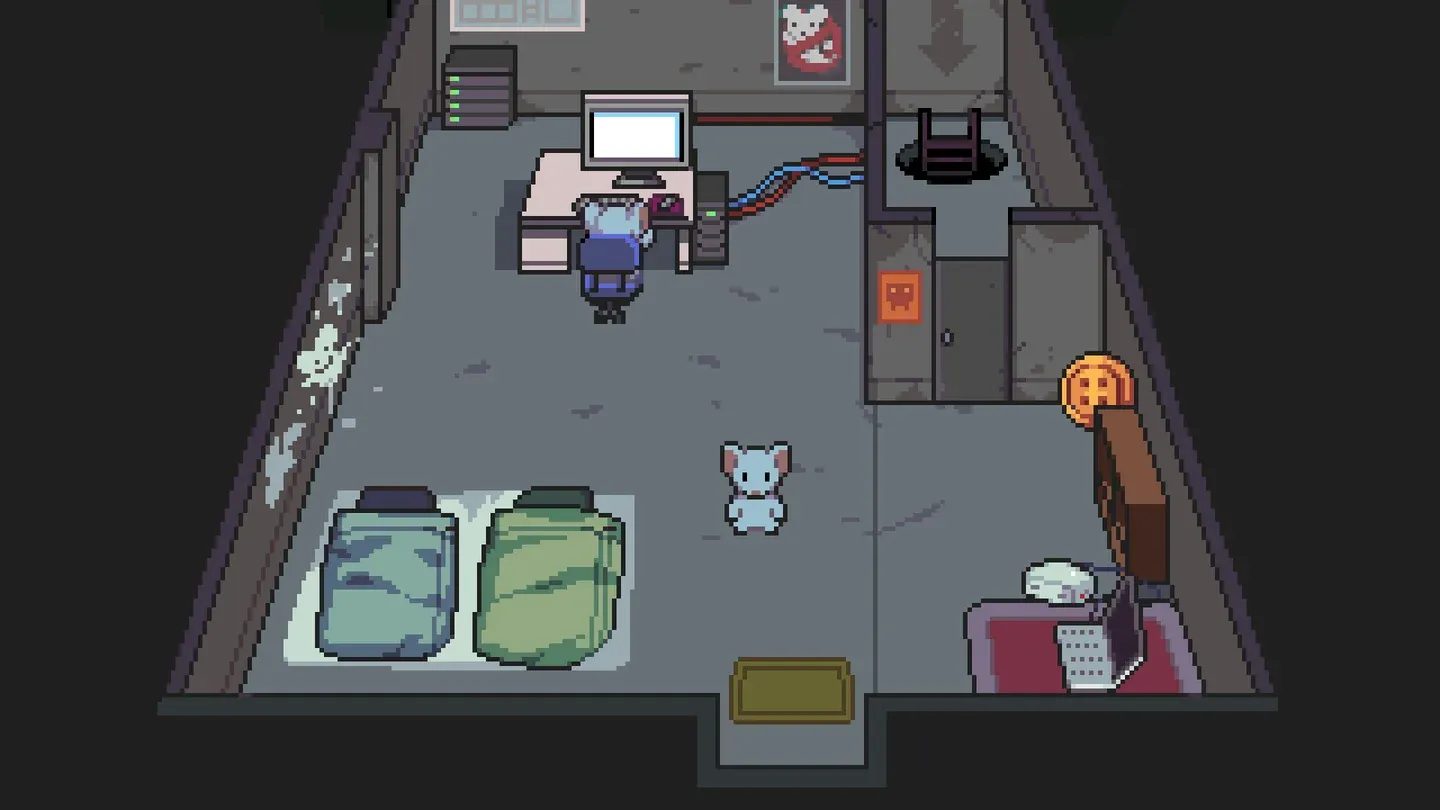
Building ghost map overview
Where it fits in the current indie moment
The timing is interesting. Ghost-hunting games have maintained a steady audience since the genre found its footing with cooperative horror titles, but single-player entries with strong narrative hooks have been carving out their own space. Mousebusters is firmly in that second camp, prioritizing story and atmosphere over multiplayer tension.
For players who enjoyed the off-kilter energy of Mouse: P.I. For Hire and want something that pushes the mouse-protagonist concept into completely different genre territory, Mousebusters looks like exactly the kind of discovery the indie scene exists to produce. Small team, specific vision, no compromises on the central idea.
Keep an eye on the game's development updates. If the final product delivers on the premise, this one has sleeper hit written all over it. For more coverage of games in this space, the Mouse: P.I. For Hire guides collection is worth bookmarking while you wait.