Web3 gaming is testing a new economic model that doesn't rely on token emissions or outside capital. Instead of the usual play-to-earn setup, developers are building games around "risk-to-earn" — where prize pools come directly from player spending. Games like Cambria and RavenIdle are running live experiments with this structure, and early results suggest it might actually work. The Ronin Network is applying similar mechanics at scale. If these systems hold up, they could reshape how on-chain game economies function.

New Tend in Web3 Risk-to-Earn Gaming
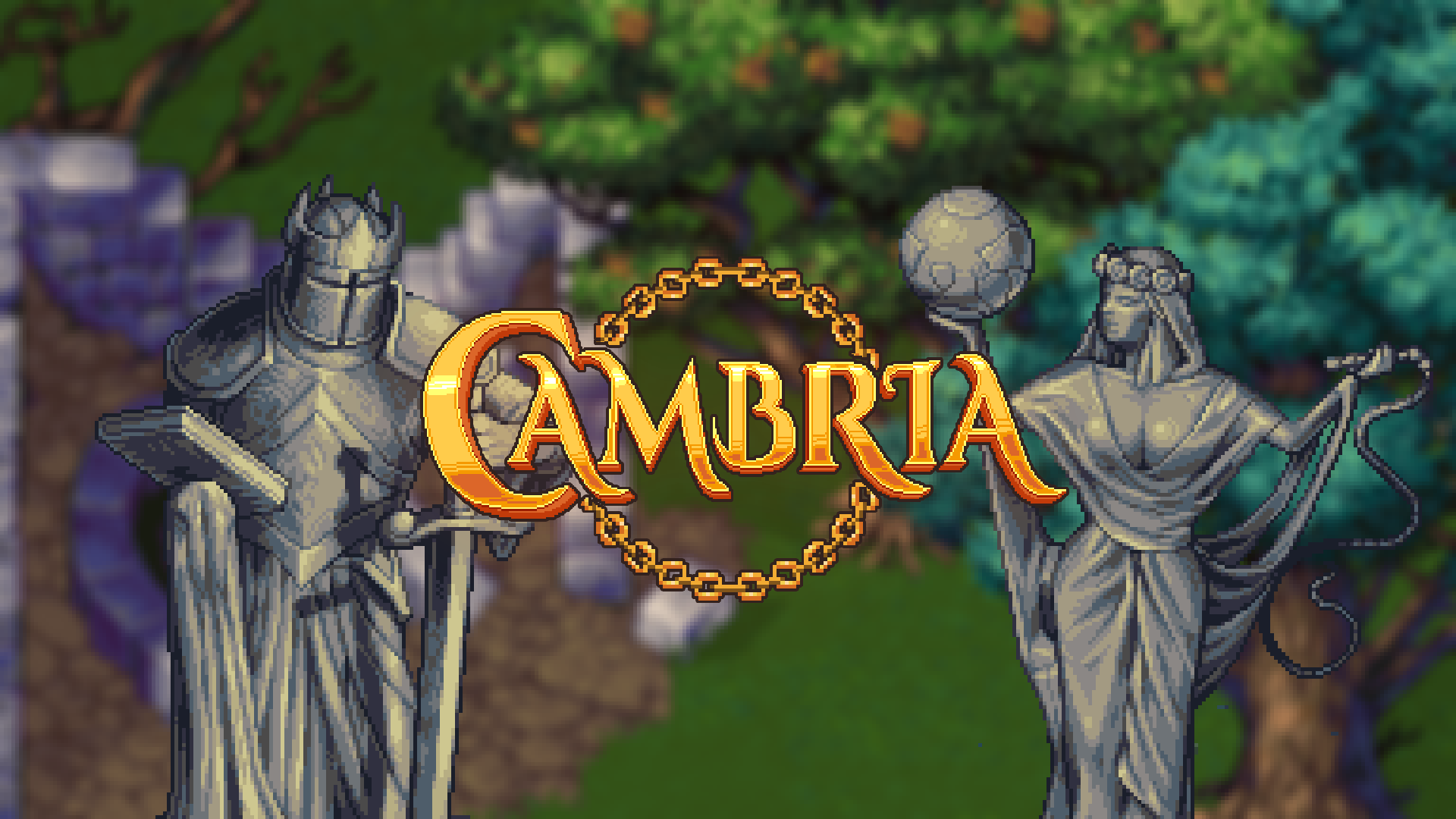
Cambria's player-funded seasonal loop
Cambria skipped the token launch entirely. The game dropped players into a world where progression means risk. You gather resources, craft gear, and venture into dangerous zones. Die in the wrong place and you lose what you're carrying — unless it's stashed somewhere safe. Other players can kill you and take your stuff, so every decision to push deeper comes with real stakes.
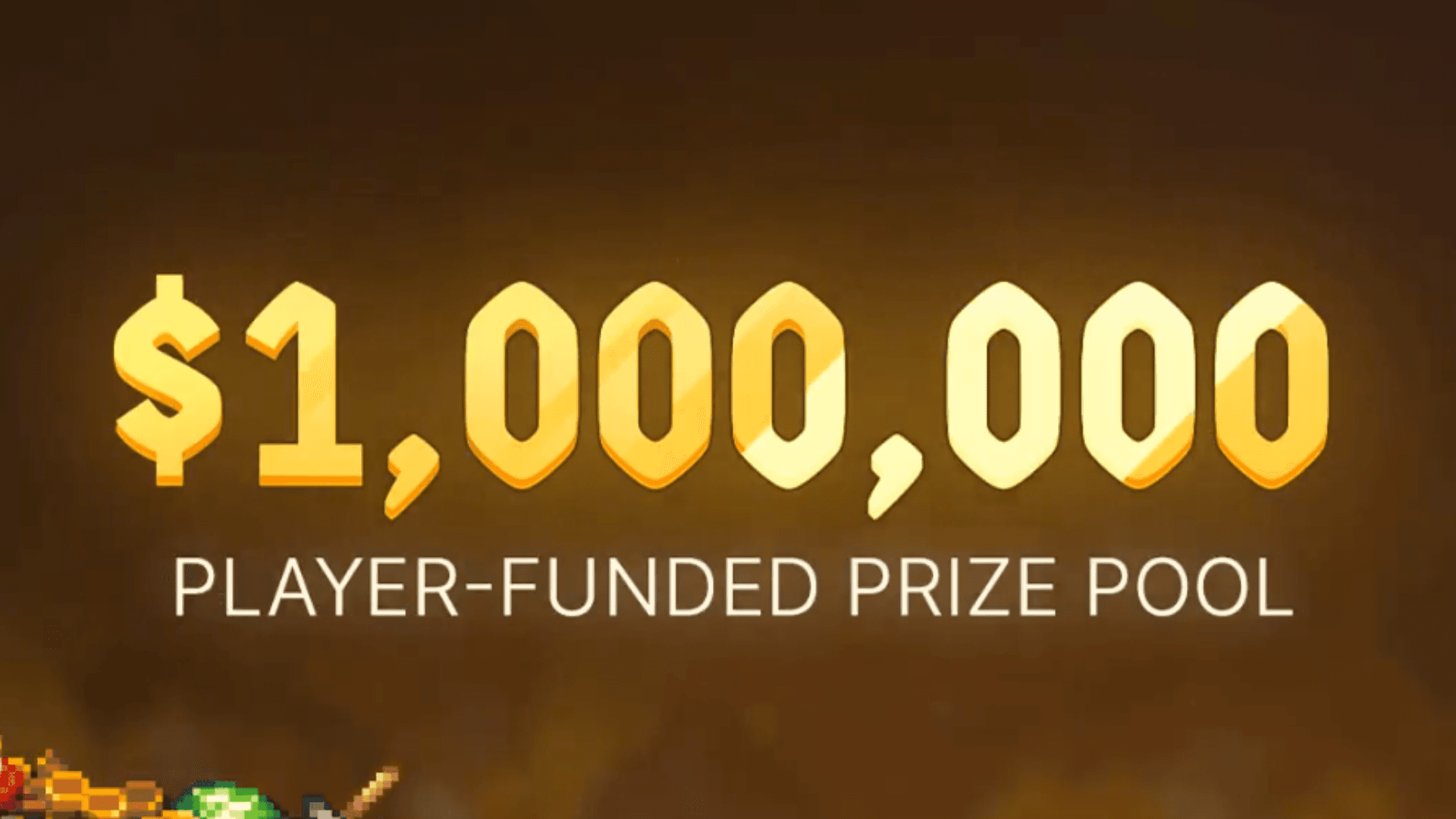
To access the earning layer, you need a Royal Charter. You can mint one or borrow from another player acting as a Viceroy, usually through a guild. Charters let you convert in-game progress into Royal Favor, which unlocks rewards, bribes, and seasonal airdrops. Founder NFT holders got permanent access to future seasons plus other perks. Season two pulled in over 20,000 participants and built a prize pool of $1.5 million in ETH — all funded by player spending, no external investment or token printing.
New Tend in Web3 Risk-to-Earn Gaming
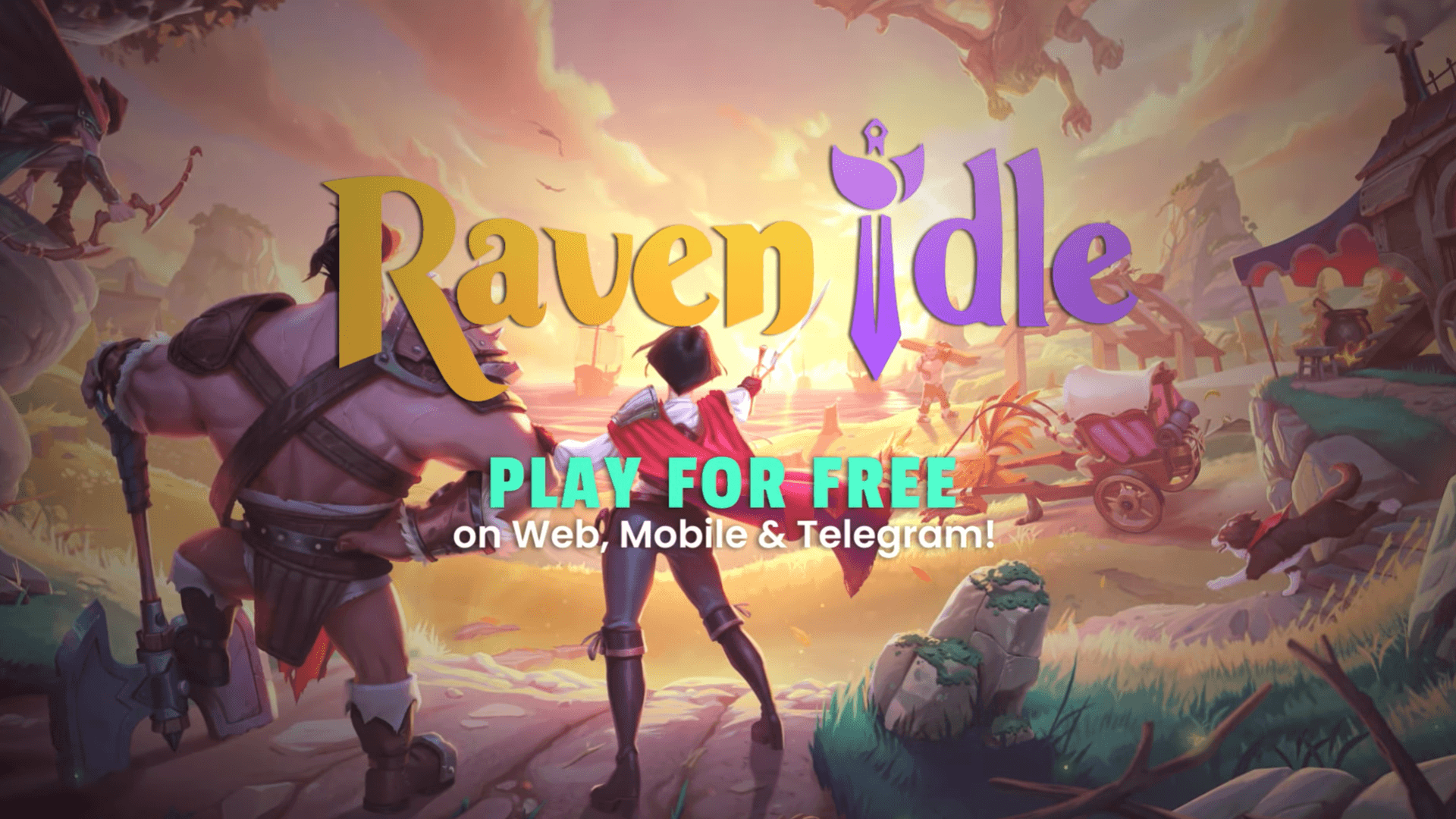
RavenIdle takes the model to idle RPG territory
RavenIdle, from the team behind RavenQuest, launches July 4 on Immutable with a $70,000 starting prize pool funded through Battle Pass sales. That number could climb to $570,000 depending on how many players jump in. You guide characters through dungeons, gather resources, craft gear, and knock out daily objectives. The game runs while you're offline, but your active decisions — route planning, strategic upgrades — determine how far you get.
Like Cambria, there's no token economy propping this up. Value comes from player participation. The more you invest in time and strategy, the bigger your potential cut of the final pool. It's a direct line between what you do in the game and what you get out of it, with no speculative mechanics or external funding padding the system.
New Tend in Web3 Risk-to-Earn Gaming
Ronin Network applies the model at infrastructure scale
The Ronin Network is running similar mechanics at the platform level. Jin's Fortune Spin, a gacha-style capsule system, pulled in $318,000 in player spending during its first three days. Of that, $222,000 worth of NFTs cycled back into the ecosystem, driving trading volume past $540,000. Players pay a fixed cost per spin, with transparent on-chain probabilities. The assets you pull can be sold, traded, or kept, keeping the loop active without minting new tokens or tapping treasuries.
It's a closed system. Value stays inside the ecosystem, driven by player engagement and asset scarcity. No ongoing token emissions. No artificial incentives. That solves one of the biggest sustainability problems web3 games have faced so far.

New Tend in Web3 Risk-to-Earn Gaming
A shift toward sustainable on-chain economies
The push toward risk-to-earn reflects a broader recalibration in web3 gaming. Early games collapsed under inflationary tokenomics and dependency on external funding. As budgets tighten and treasuries dry up, developers need games that can fund themselves through player activity.
Traditional games are polished and accessible. Web3 titles need more than just good gameplay — they need a reason for players to stick around. Risk-to-earn gives players a measurable stake in the outcome. Not everyone will profit, but the structure keeps value circulating inside the game rather than bleeding out through token dumps.
Cambria and RavenIdle are early tests of how this works across different genres. Ronin's ecosystem-wide adoption suggests risk-to-earn could become a foundational model for future on-chain economies. If the trend holds, it might define how web3 games are built and sustained going forward.
Here are the games and platforms covered:
- Cambria
- RavenIdle (developed by the RavenQuest team)
- Jin's Fortune Spin (a mechanic on the Ronin Network)
- Ronin Network