


Use code TRYHARD33 at checkout to redeem this offer before code expires again.
Get 33% Off GAMES+ Subscription
The game Nina Freeman refuses to delete
"It's tragic," Nina Freeman said when asked about the one game she keeps permanently installed on her PC despite it no longer being available on Steam. For the Don't Nod narrative designer best known for her work on character-driven adventure games, the absence of a beloved title from the world's biggest PC storefront isn't just an inconvenience. It's a genuine loss for players who never got the chance to discover it.
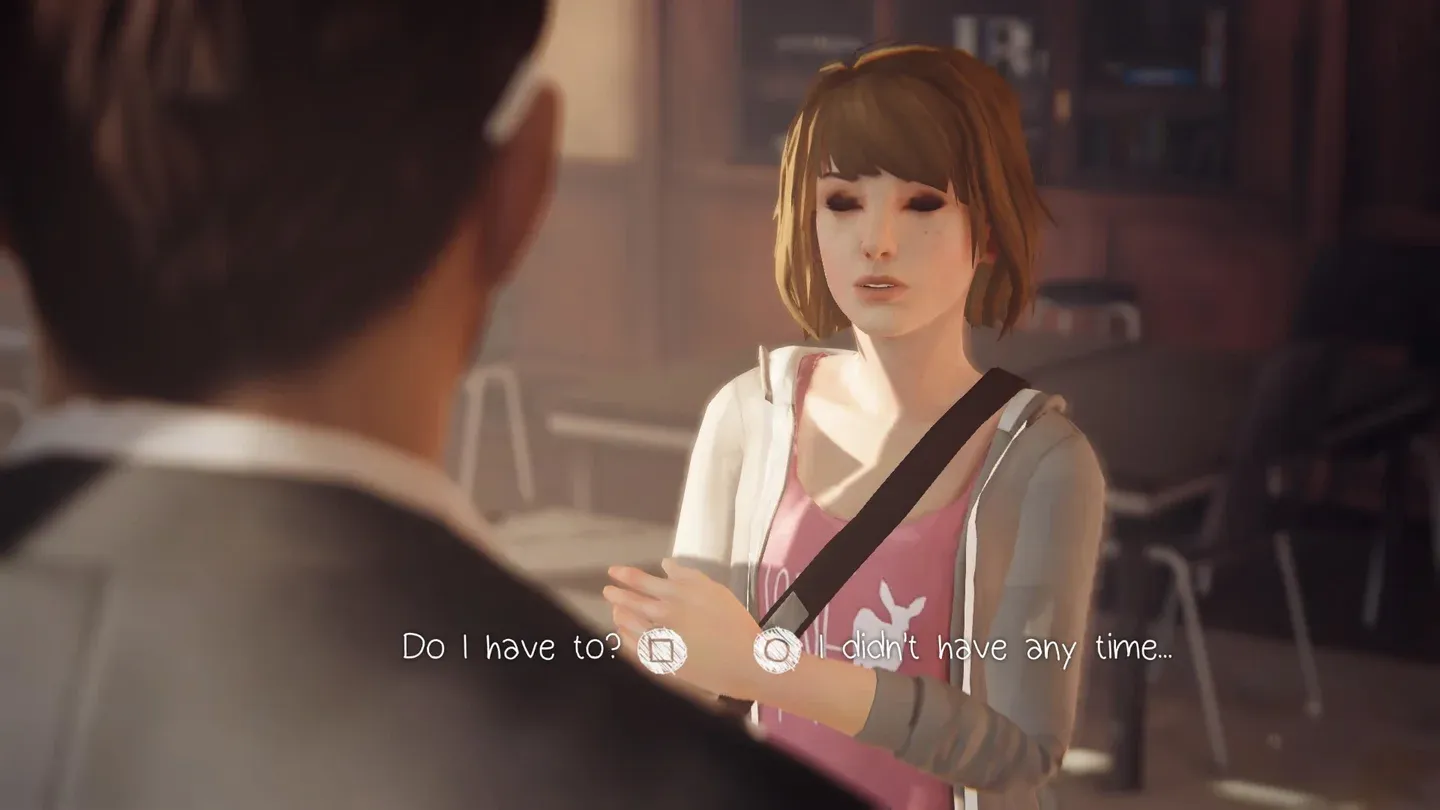
Narrative choices in action
Freeman's perspective carries weight. As someone who works day-to-day on Life is Strange, one of the most emotionally resonant adventure games of the past decade, she understands better than most what it means when a story-driven game disappears from public access. These aren't just products. They're experiences that shape how players think about narrative, choice, and consequence.
Why Steam bans matter for narrative games
Here's the thing about Steam delisting: it doesn't just affect sales. It erases discoverability. A game that no longer appears on Steam effectively stops existing for the majority of PC players who rely on the platform as their primary gateway. Physical copies age out. Digital storefronts close. And the players who might have connected most deeply with a particular story never get the chance.
For someone like Freeman, whose entire professional focus is on building games where player choices carry emotional weight, this kind of cultural erasure hits differently. The game she keeps installed represents something she clearly doesn't want to lose access to herself, even if she can't share it with others through conventional channels.
The situation points to a broader tension in game preservation that narrative designers and players alike are increasingly vocal about. Unlike a film or a novel, a game that leaves digital storefronts can become practically inaccessible within years rather than decades.
What this means for players who care about story
Freeman's attachment to a banned game isn't just a quirky personal detail. It's a signal about the kind of games she values and, by extension, the kinds of experiences she tries to build at Don't Nod. The studio has built its reputation on games where the story refuses to let you off easy, where every choice carries a cost.
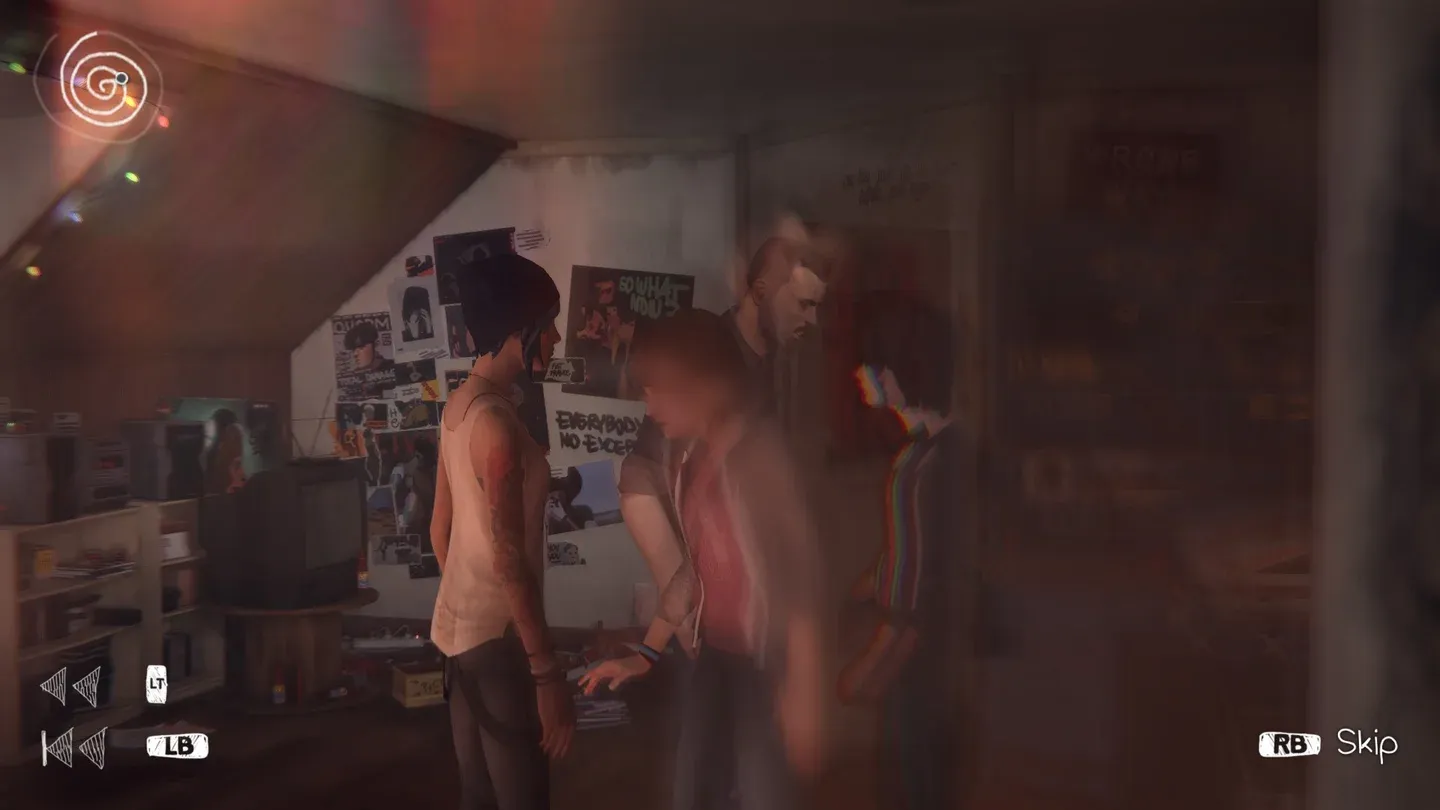
Max's rewind mechanic in use
If you're new to the studio's work, the Life is Strange beginner's guide is worth your time before diving in. And for players curious about where the franchise is headed next, the full breakdown of the Life is Strange TV series covers everything confirmed so far about the Amazon Prime Video adaptation.
Pro tip: if you already own a game in your Steam library that has since been delisted, back it up locally. Steam's offline mode and backup tools exist precisely for situations like this.
Freeman's refusal to uninstall that one game is, in its own quiet way, an act of preservation. The kind of thing that matters more the longer the industry keeps treating digital storefronts as permanent infrastructure rather than the temporary access agreements they actually are. The games that move people most are often the ones at greatest risk of disappearing entirely.