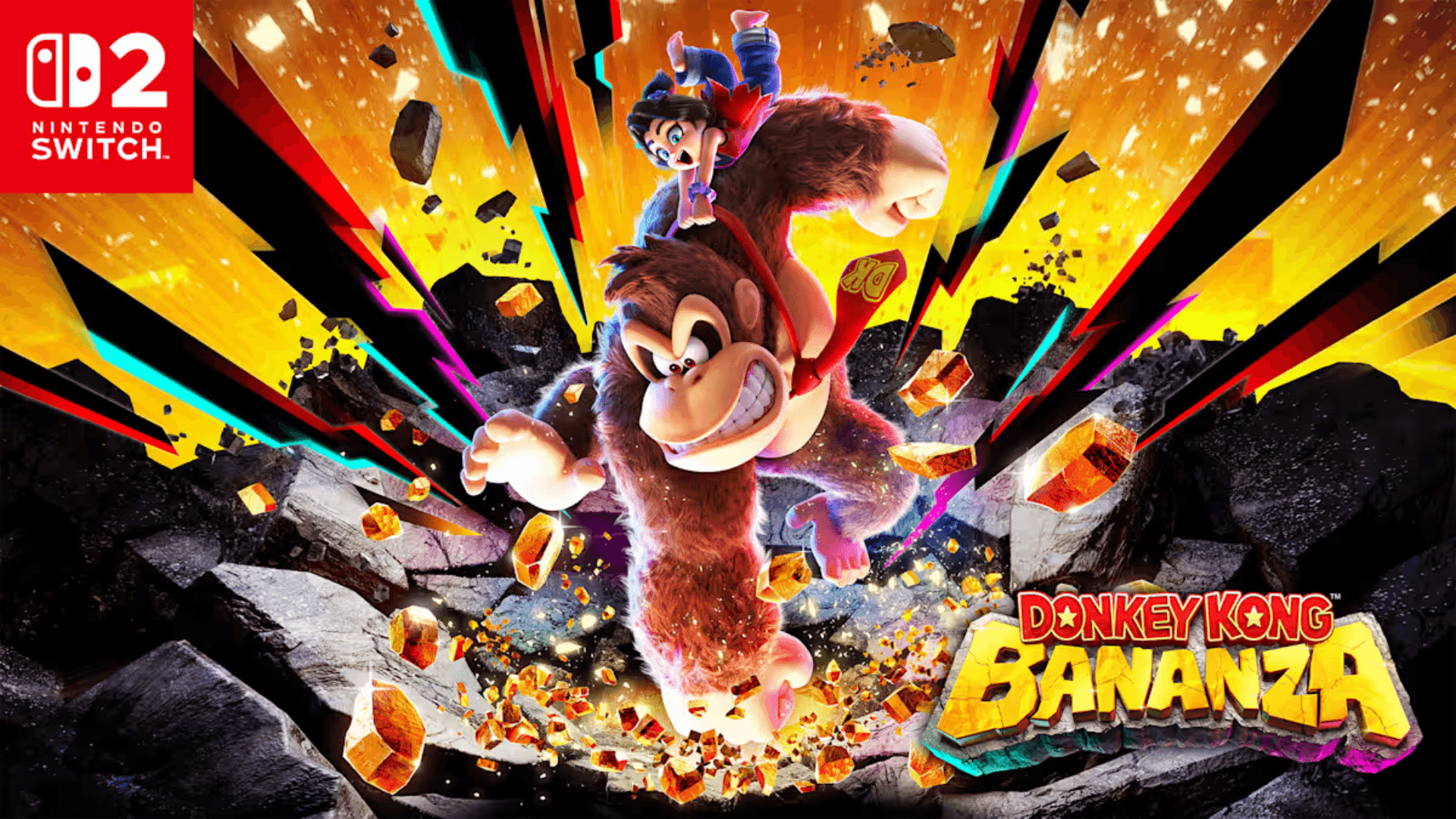


Nintendo pulled back the curtain on Donkey Kong Bananza at Game Developers Conference 2026, showing how the Switch 2 platformer's voxel-based destruction system works. The presentation at Moscone Center in San Francisco walked through the technical foundation and design choices that let players smash, throw, and reshape nearly everything they see.
Software engineer Tatsuya Kurihara revealed that each level contains an average of 347 million destructible voxels. That number translates to terrain you can rip apart, environmental chunks you can hurl at enemies, and entire sections of levels you can reshape. If you tear up too much, a restore function resets everything so you don't get stuck. Kurihara stressed that making environments worth destroying was half the work. Levels are packed with detailed flowers, rock formations, and overgrown trees because destroying something beautiful hits harder than smashing bland geometry. "It's more fun to destroy that which is beautiful," he said.
From Small Experiments to Full-Scale Destruction
The voxel tech started as limited experiments in Super Mario Odyssey, where you could smash snow drifts and cheese blocks in specific sections. Kurihara prototyped those mechanics further, testing what happened when you could tear chunks of terrain and use them as weapons or tools. An early test featured a Goomba smashing through terrain in Wooded Kingdom. That proof-of-concept showed the system could support an entire game built around destruction.
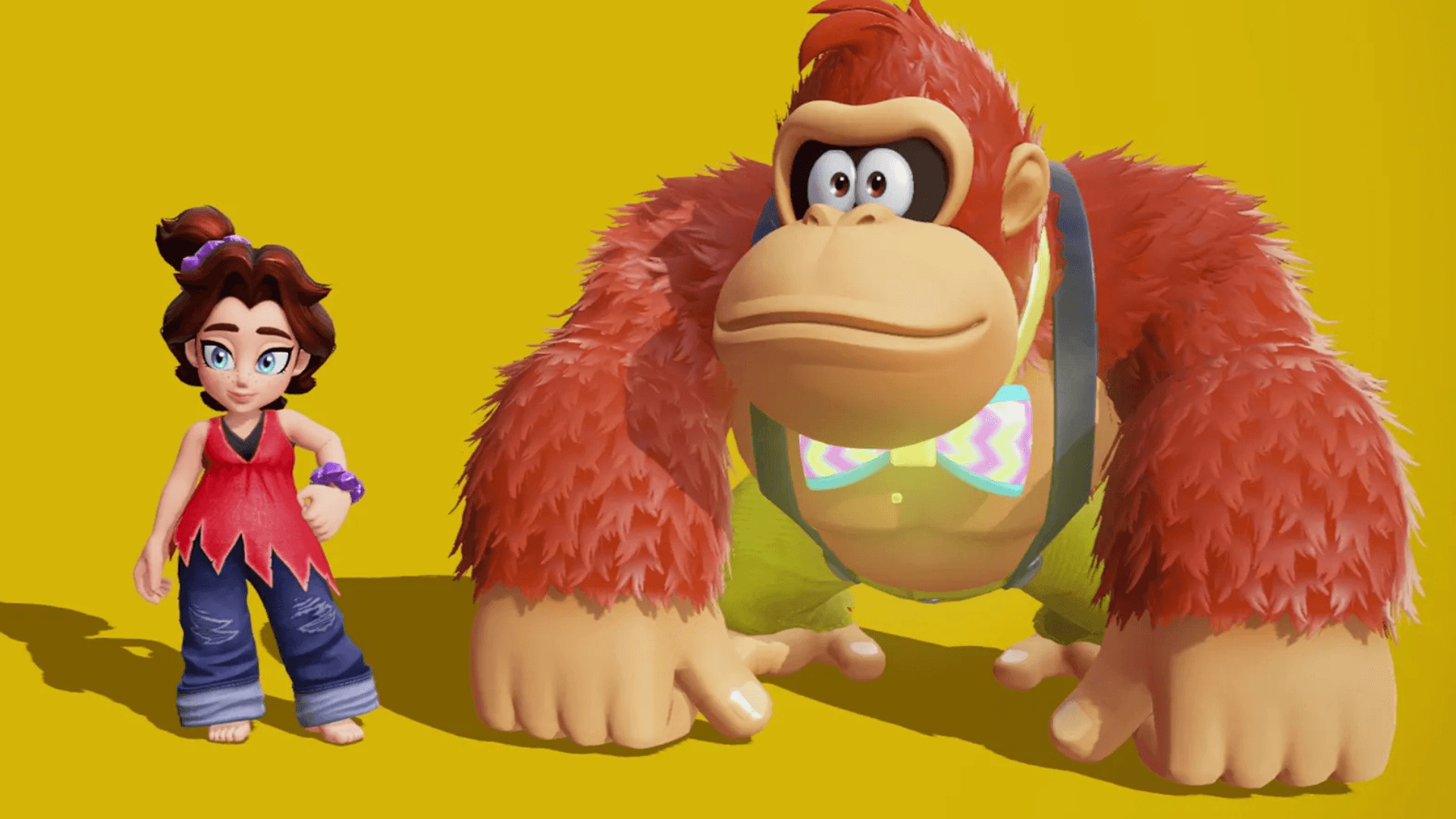
Producer Kenta Motokura, who has over 25 years at Nintendo and previously directed Super Mario Odyssey and worked on Donkey Kong Jungle Beat, decided to apply the voxel system to a new Donkey Kong game. The character's history of throwing and smashing made him a natural fit. The result is a 3D action-platformer where almost every surface can be broken, reshaped, or weaponized.
Drawing Inspiration from Classic Nintendo Levels
Motokura pointed to the second level of Super Mario Bros. as a design reference. That level lets Mario break blocks to open multiple paths or reveal hidden warp pipes, rewarding players who experiment. Donkey Kong Bananza carries that philosophy forward. Power-ups let you interact with the environment in different ways, uncovering alternate routes and creating new strategies for clearing levels.
Collaboration and Creative Philosophy
The GDC talk highlighted how Nintendo's teams work. Kurihara and Motokura described the process as a fusion of ideas from designers, engineers, and artists, all tested and refined together. They framed the game's success as a product of that collaboration, balancing technical innovation with creative design. The presentation ended with a team photo of the core developers, nicknamed the "Banana Bunch," offering a rare look at the people behind the project.
In an era where Nintendo rarely discusses development details publicly, this glimpse shows the collaborative effort required to build a game as technically complex as Donkey Kong Bananza.
Technical Showcase for Switch 2
Donkey Kong Bananza demonstrates what the Nintendo Switch 2 can handle. Large-scale voxel destruction runs in a single-player platformer without performance issues. The combination of destructible terrain, interactive power-ups, and detailed environments shows how Nintendo approaches game design: iterative experimentation focused on both technical capability and creative execution.
The developers emphasized that the project's success came from careful planning and continuous testing, reflecting a design philosophy that values playability, player freedom, and environmental interactivity.
Make sure to check out our articles about top games to play in 2026:
Best Nintendo Switch Games for 2026
Best First-Person Shooters for 2026
Best PlayStation Indie Games for 2026
Best Multiplayer Games for 2026
Most Anticipated Games of 2026
Top Game Releases for January 2026
Frequently Asked Questions (FAQs)
What makes Donkey Kong Bananza's destruction system unique?
The game uses voxel technology to create environments that can be destroyed in nearly every way. Players can smash terrain, tear pieces away, and throw them, with levels averaging over 347 million destructible voxels.
Can players reset levels after destroying everything?
Yes, the game includes a menu option that restores levels to their original configuration, allowing players to experiment freely without permanent consequences.
Where did the destruction mechanics originate?
The system evolved from destructible elements in Super Mario Odyssey, which featured snow drifts and other small interactable objects. Prototyping these mechanics led to a full-scale destruction system suitable for a complete game.
Who led the development of Donkey Kong Bananza?
Producer Kenta Motokura and software engineer Tatsuya Kurihara led the development team, combining experience in both classic and modern Nintendo titles to create a destructible 3D platforming experience.
Is the game influenced by classic Nintendo titles?
Yes. Motokura cited the second level of Super Mario Bros. as a key inspiration, particularly its destructible blocks and multiple paths, encouraging players to interact creatively with the environment.
What does this game showcase about the Switch 2?
It demonstrates the console's ability to handle high-detail, voxel-based destruction systems while maintaining performance, showing how Nintendo leverages hardware capabilities for gameplay innovation.