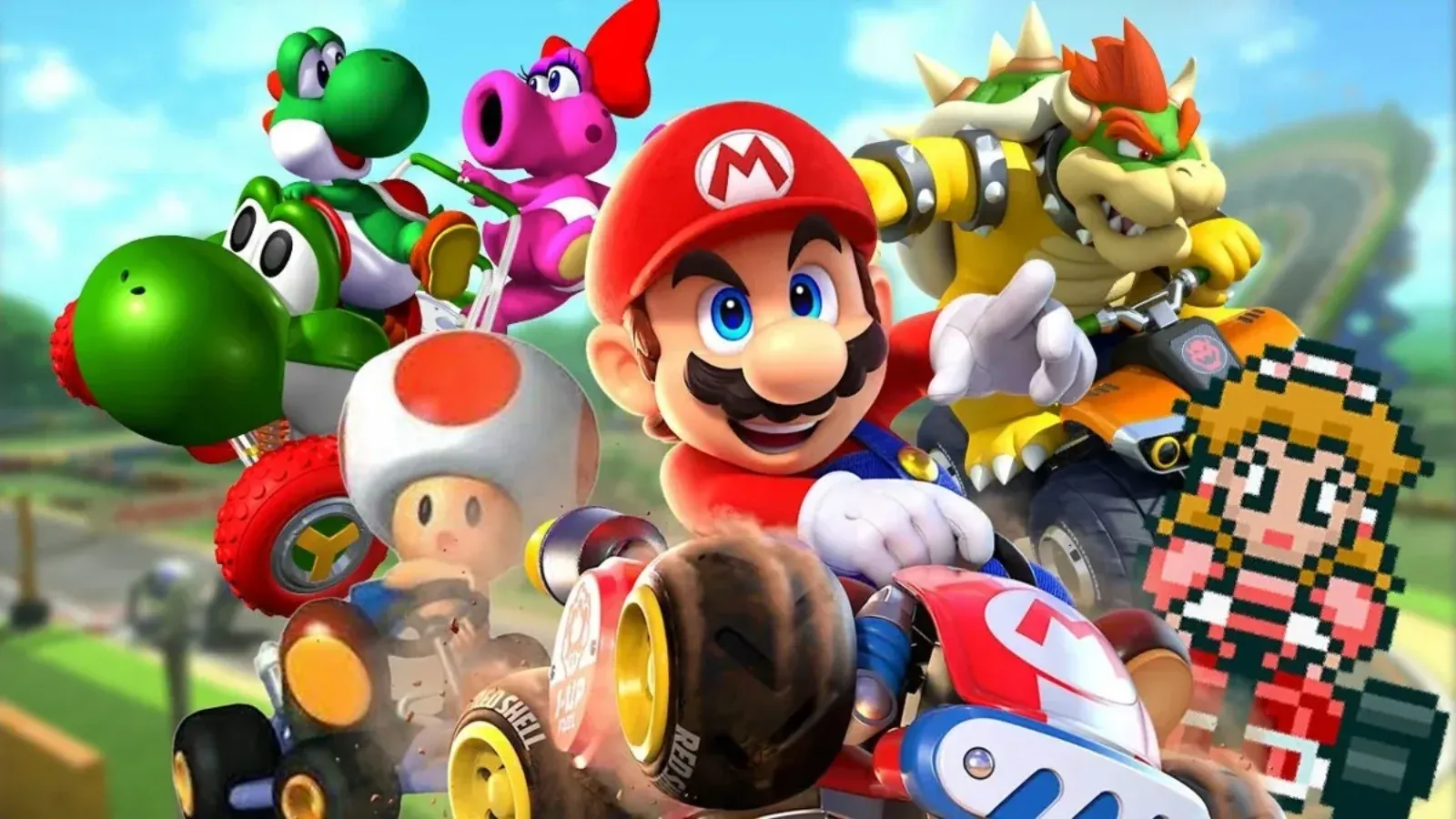


Nintendo is pulling the plug on Mario Kart Tour. The mobile racer, which launched in 2019, goes offline permanently on September 29 , and unlike most game shutdowns, this one stings in a way that goes beyond the usual live-service death cycle.
This is a Mario Kart game. Made in-house by Nintendo. Going dark forever.

Use code TRYHARD33 at checkout to redeem this offer before code expires again.
Get 33% Off GAMES+ Subscription
What Nintendo is actually losing here
Right now, five of the nine major console Mario Kart games are playable on Switch 2. The first three entries sit on Nintendo Classics, Mario Kart World is available to buy today, and Mario Kart 8 Deluxe remains on the platform. The mid-era games (Mario Kart DS, Mario Kart Wii, Mario Kart 7) are missing from digital storefronts but still accessible via used physical copies if you have the hardware.
Mario Kart Tour won't have that fallback. When the servers go dark on September 29, the game becomes completely unplayable. No offline mode. No archive version. Nothing. A piece of the franchise's history just disappears.
That matters even if Tour wasn't anyone's favorite. The game had a genuinely unique design built around mobile swipe controls, portrait-mode racing, and a rotating tour structure that no other entry in the series has replicated. It's a historical data point in how Nintendo tried (and largely struggled) to adapt its biggest franchises to mobile. Erasing it entirely is a loss, even if it's a minor one.
Nintendo doesn't usually do this
Here's the thing: Nintendo shutting down a game without any preservation plan is genuinely out of character. This is a company that has built much of its modern identity on the idea that its games are permanent cultural objects. Cartridges. Rereleases. Remasters. Nintendo Classics. The company practically invented the concept of selling you the same game three times across different hardware generations.
When Animal Crossing: Pocket Camp ended its live-service run in 2024, Nintendo released a paid standalone version so players could keep their save files and continue playing offline. That move cost Nintendo development time and resources, but it aligned with how the company presents itself: as a steward of its own history.
No such option is coming for Mario Kart Tour. The game will simply stop existing as a playable product. That's a standard outcome for most free-to-play mobile titles, but Nintendo isn't most publishers. The bar is higher, and this falls short of it.
The free-to-play trap Nintendo never escaped
Nintendo has never been comfortable in the free-to-play space, and Tour's shutdown feels like the final acknowledgment of that. The game launched in 2019 with a gacha system for unlocking characters and karts, drew immediate criticism for its monetization, and spent years in a kind of awkward middle ground , too Nintendo to lean fully into aggressive mobile monetization, too mobile to satisfy fans of the mainline series.
The company has been pulling back from mobile development for some time now, and Tour's end-of-service feels less like a business decision and more like closing a chapter Nintendo would rather not revisit. That's understandable. But the players who spent real money on Tour's in-game currency and unlocks over six years deserve better than a hard shutdown with no recourse.
For fans of racing games broadly, this is a reminder that digital-only and live-service titles carry an inherent expiration risk that physical games and offline titles don't. Tour is just the most prominent example in a long line of mobile games that vanish without a trace.
What comes next for Mario Kart fans
The franchise itself is in a strong place. Mario Kart World launched with the Switch 2 and represents the series at its most ambitious, with open-world exploration between races and a massive track roster. If you want to know where the series is headed, the Mario Kart World guides cover everything from the new mechanics to the best shortcuts across the expanded map.
Tour's shutdown doesn't threaten that momentum. But it does set a precedent that Nintendo is willing to let its own games disappear permanently, and that's worth paying attention to as more of the industry moves toward live-service and digital-only releases. The Stop Killing Games movement has been pushing for legal protections that would require publishers to leave games in a playable state after servers close. Nintendo just handed that movement one of its most recognizable examples yet.