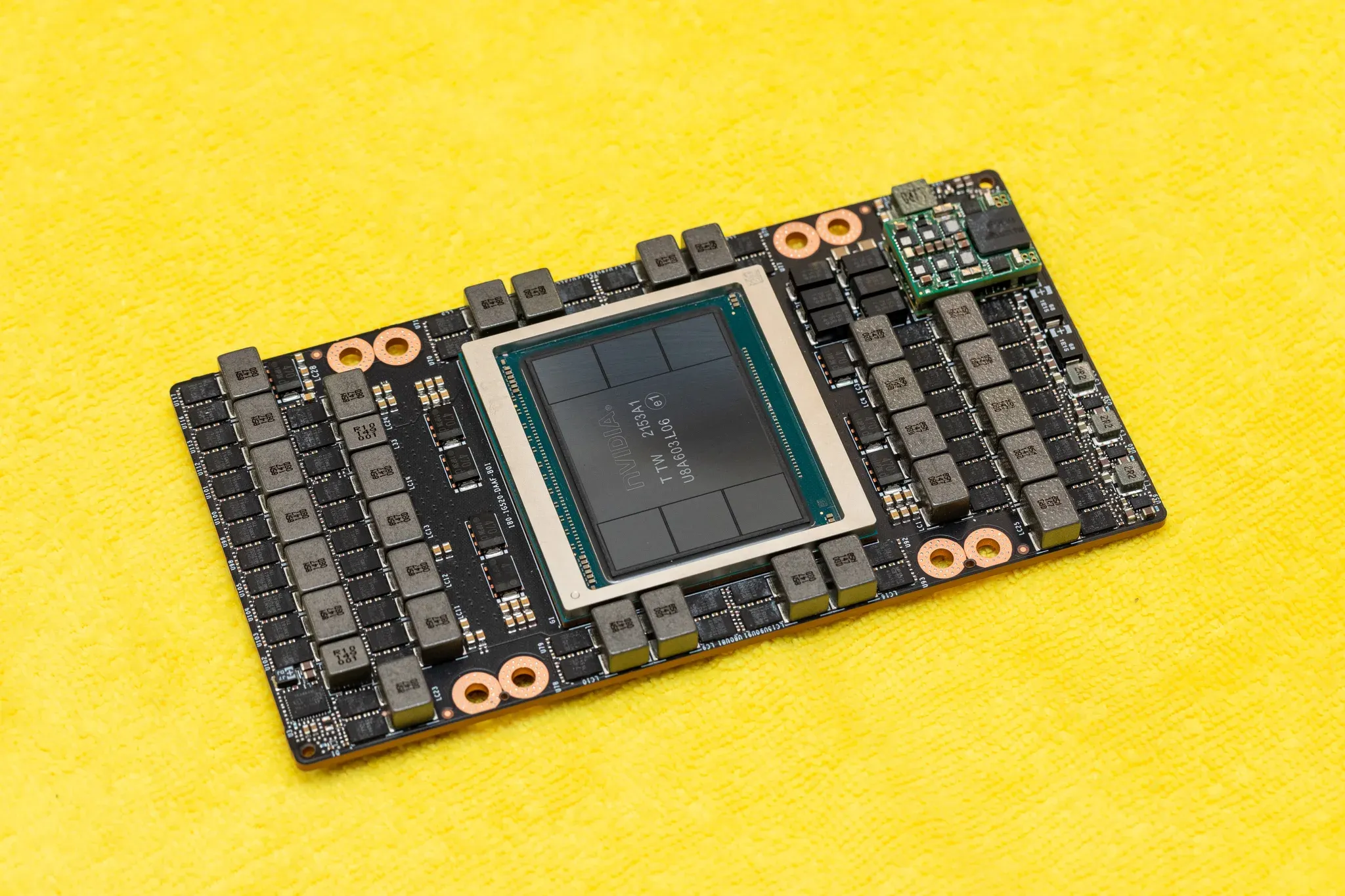


Two of the biggest names in PC hardware may be quietly rebuilding a working relationship. Rumours circulating as of late April 2026 suggest that Nvidia's next-next-gen Feynman AI GPU architecture will source at least some of its components through Intel Foundry Services, the chip manufacturing arm that Intel has been aggressively pitching to external clients.

Use code TRYHARD33 at checkout to redeem this offer before code expires again.
Get 33% Off GAMES+ Subscription
Why a green-blue partnership actually makes sense right now
Here's the thing: this isn't as surprising as it sounds on the surface. Nvidia has long relied on TSMC as its primary fab partner, but the global chip industry has been diversifying manufacturing sources for years. Intel Foundry, after struggling to win major external clients at scale, has been investing heavily in its advanced process nodes and positioning itself as a credible alternative to TSMC and Samsung.
Feynman sits two generations ahead of the current Blackwell lineup, which means any production decisions being discussed now are genuinely early-stage planning. The rumour doesn't suggest Intel Foundry would manufacture the entire GPU die, but rather specific components, which is a much more plausible arrangement given where Intel's foundry capabilities currently stand.
What Intel Foundry actually brings to the table
Intel Foundry has been pitching its 18A process node as competitive with TSMC's most advanced offerings. The 18A node uses Intel's RibbonFET gate-all-around transistor design and PowerVia backside power delivery, both of which are genuinely interesting from a performance-per-watt standpoint.
For Nvidia, the appeal of splitting component production across multiple fabs goes beyond just price negotiation. Supply chain resilience has become a real priority for every major chip designer since the shortages of the early 2020s. Spreading production across TSMC and Intel Foundry would give Nvidia more flexibility if one fab hits capacity constraints or yield problems.
What most players miss in conversations like this is the distinction between a full GPU die and ancillary components like power delivery chips, memory controllers, or I/O tiles. A chiplet-based architecture, which Nvidia has been moving toward, makes multi-foundry production far more practical than it would have been in the monolithic die era.
The bigger picture for PC gaming hardware
For gamers, the immediate takeaway is that Feynman is still a long way off. The more relevant near-term story is Rubin, Nvidia's next architecture, which is expected to follow Blackwell in the standard product cycle. Feynman is the generation after that.
But the manufacturing rumour matters for a different reason. If Nvidia does bring Intel Foundry into its supply chain at any level, it validates Intel's foundry ambitions in a way that no other partnership could. It would also put competitive pressure on TSMC to keep its pricing and capacity commitments sharp, which historically benefits everyone downstream, including the consumers eventually buying the finished cards.
The key here is that none of this is confirmed. These are supply chain rumours, the kind that often have some basis in early vendor conversations but can shift significantly before a product reaches production. Nvidia has not commented publicly on Feynman's manufacturing arrangements.
For the latest hardware news and analysis as the Rubin and Feynman generations take shape, keep an eye on our gaming news for coverage as details firm up.